
At DelightedCooking, we're committed to delivering accurate, trustworthy information. Our expert-authored content is rigorously fact-checked and sourced from credible authorities. Discover how we uphold the highest standards in providing you with reliable knowledge.
What is an Aperitif?
 Tricia Christensen
Tricia Christensen
Tricia Christensen
An aperitif is an alcoholic drink served before a meal, sometimes as an appetizer, or accompanied with an appetizer. The drink is usually somewhat bitter, sweet or light, and serves as a warm-up or opener to a meal. The term comes from the Latin aperire a verb meaning “to open.” In France, one might receive the drink before a meal, usually dinner, and sometimes lunch. In Italy, one would be offered an aperitivo. The former term is more commonly used in the US and in other English speaking countries.
Ina Garten, known for her cooking show on the Food Network, The Barefoot Contessa, frequently plans elaborate meals that include an aperitif, and she is quite creative. Instead of martinis, she might serve appletinis, cosmopolitans, or other inspired drinks, frequently combining fruit juices with various alcohols. She also usually includes a non-alcoholic version for younger guests, or those who do not drink.

The origins of serving a drink before dinner are difficult to specifically identify. There is some speculation that serving one may have been common in Ancient Egypt, but little corroborating evidence exists to give this theory backing. More likely, the invention of vermouth in Italy was cause to begin the tradition in the late 18th century. By the late 19th century, the practice of serving cocktails prior to dinner was both a European and American custom. Drinks like the martini, sherry, or even dry white wine or champagne sufficed as a palate warmer.

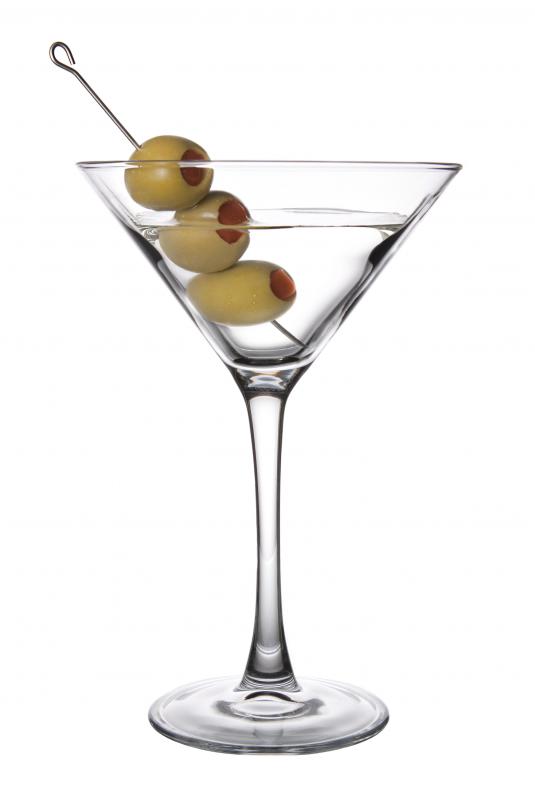
Most countries have popular aperitifs. For example, martinis before dinner are quite common in meals of several courses in the US. The French tend to drink anise-based liquors, like Pastis and Pernod. Kir, a mixture of white wine and cassis, is also popular, and for those who wish to be fancy, Kir Royale, a mix of champagne and cassis might be substituted.
The Greeks may also serve drinks before dinner, and one most common to them is ouzo, another liquor with an anise flavor. The Italians may favor cinzano or campari, which are both bitter. Vermouth might also be served.

In company with the aperitif is the digestif, a drink served after the meal that is said to aid in digestion. Digestifs tend to be a little heavier, and may include drinks like port or cognac. Serving an after dinner drink may be frowned upon however, particularly if the diner plans to drive home.
Tricia Christensen
Tricia has a Literature degree from Sonoma State University and has been a frequent DelightedCooking contributor for many years. She is especially passionate about reading and writing, although her other interests include medicine, art, film, history, politics, ethics, and religion. Tricia lives in Northern California and is currently working on her first novel.
Learn more...
Tricia Christensen
Tricia has a Literature degree from Sonoma State University and has been a frequent DelightedCooking contributor for many years. She is especially passionate about reading and writing, although her other interests include medicine, art, film, history, politics, ethics, and religion. Tricia lives in Northern California and is currently working on her first novel.
Learn more...AS FEATURED ON:
AS FEATURED ON:


-
![Martini in a glass.]() By: dondesignsMartini in a glass.
By: dondesignsMartini in a glass. -
![Glass of Champagne.]() By: karandaevGlass of Champagne.
By: karandaevGlass of Champagne. -
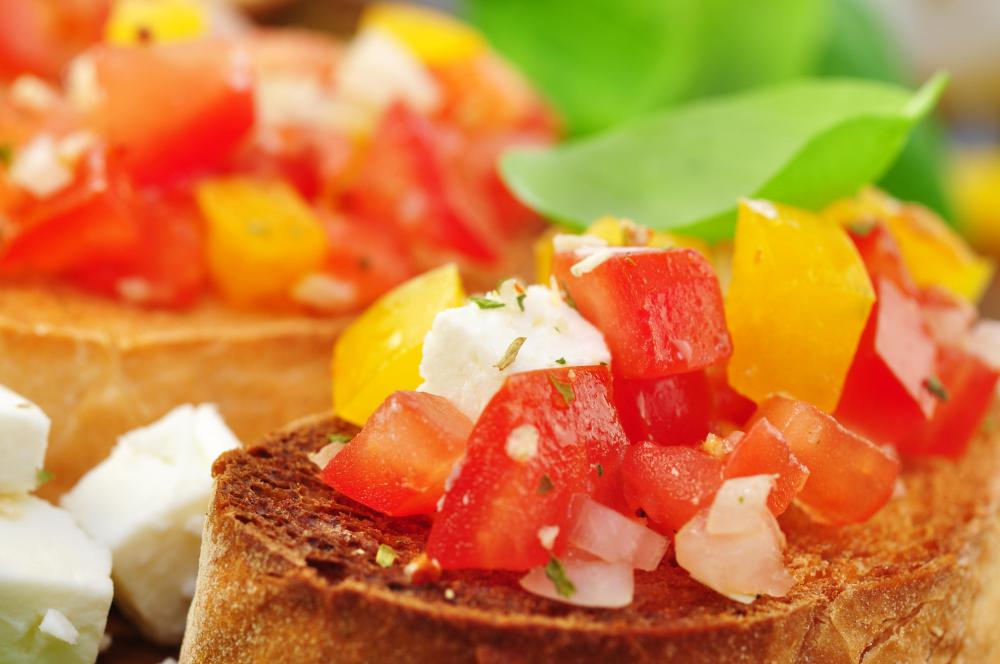
![Tomato and pepper bruschetta, which is sometimes served with an apertif.]() By: photocrewTomato and pepper bruschetta, which is sometimes served with an apertif.
By: photocrewTomato and pepper bruschetta, which is sometimes served with an apertif. -
![Aperitifs can be bitter, sweet or light.]() By: leighboardman84Aperitifs can be bitter, sweet or light.
By: leighboardman84Aperitifs can be bitter, sweet or light. -
![Caviar hors d'oeuvres are elegant paired with an aperitif.]() By: Betty AbrantesCaviar hors d'oeuvres are elegant paired with an aperitif.
By: Betty AbrantesCaviar hors d'oeuvres are elegant paired with an aperitif. -
![An aperitif may accompany a plate of appetizers served before dinner.]() By: .shockAn aperitif may accompany a plate of appetizers served before dinner.
By: .shockAn aperitif may accompany a plate of appetizers served before dinner.



Discussion Comments
What's aperitif dinatoire?
@skinnylove-- That's true, but if the aperitif is a heavy one, made with hard liquor, it can get people drunk!
I always avoid aperitif drinks, unless they are very light and fruit juice based. I have a low tolerance for alcohol and drinking heavy liquor on an empty stomach can hit me badly. It also upsets my stomach. I much prefer the after-meal drink.
@leilani-- An apéritif is meant to increase appetite, that's why it's given before the meal. In fact, the word apéritif comes from the word appetite.
In Europe, where this tradition started, it's common to have very long meals. I remember when I was in France, dinner would last four hours! We would have aperitif first, along with appetizers. Then we would have our meal with wine, followed by dessert, bread and cheese and finally a digéstif!
To be able to eat so much, I think the tradition of having an appetite increasing drink before dinner was started.
It is the after-dinner drink, the digestif, that is intended to aid digestion, not the before-dinner aperitif. The aperitif is meant to stimulate appetite. Obviously, this rather presupposes that your appetite was previously suppressed. This may be due either to having satiated oneself at lunch or to having enjoyed some mid-afternoon snack (say, coffee and cake).
In any case, the assumption is that you are not famished when it is time to begin the meal, which is why you need a drink and perhaps some "appetizers". Indulging in an aperitif on an empty stomach is not a good idea, for obvious reasons.
Similarly, the digestif after dinner presupposes that you ate just enough that you need a little spirits to settle the stomach. A moderate amount of alcohol does have this effect. Again, there is no point to the digestif if you have already drunk too much, or indeed if you have eaten so much that no quantity of brandy will undo the damage to your digestive system.
The key to the proper enjoyment of these delightful traditions, the aperitif and the digestif, is overall moderation in food and drink: neither too much, nor too little.
My personal favorite apertif is Dubonnet. This particular pre-meal spirit originated in France, but has become popular in the US. In America, Dubonnet is usually California-made wine fortified with a bit of brandy. White Dubonnet is dry and herb-infused, while the red is version is sweeter and flavored with spices.
Another excellent choice for an apertif is vermouth. Like Dubonnet, vermouth is available as either dry (white) and a sweet (red). In the United States, the most common vermouth apertif is the sweet one. This can be served chilled over ice or as the key ingredient in a before-dinner Manhattan.
@leilani- I don't know if it truly helps digest food or not, but before formal dinner parties an apertif certainly helps liven the mood. The presence of an apertif not only inspires "liquid courage" but also allows for interesting conversation before the meal begins.
I wonder if aperitif is meant to help digest food, just like an after meal drink is meant to do.
But really it is probably just a ritual that makes the meal a more memorable and prolonged experience.
Post your comments