
At WiseGEEK, we're committed to delivering accurate, trustworthy information. Our expert-authored content is rigorously fact-checked and sourced from credible authorities. Discover how we uphold the highest standards in providing you with reliable knowledge.
What is Amaranth?
Amaranth is an herbal plant that has been used for many years in other countries and has been making a splash in recent years in the U.S. It has significant nutritious content and can be used in many tasty recipes in place of wheat or other grains. This plant can grow up to 7 feet tall (about 2.1 meters), although most plants are 5 feet (about 1.5 meters) or less. It has broad leaves and a flower head, with tiny seeds galore. The leaves come in many colors, including white, green, orange, pink, and red.
An amaranth plant can produce anywhere from 40,000 to 60,000 seeds. It is remarkably adaptive. Each of the 60 species is able to withstand extreme temperatures and environmental conditions.

Amaranth grain has high fiber, calcium, and iron content. It has a relatively high concentration of other vitamins as well, including magnesium, phosphorus, copper, and manganese, and a nearly complete set of amino acids, which you won’t find in many other grains. The leaves are a good source of nutrition as well, with high concentrations of vitamins A, B6, and C; riboflavin; and folate. Minerals found in the greens include calcium, iron, magnesium, phosphorous, potassium, zinc, copper, and manganese.

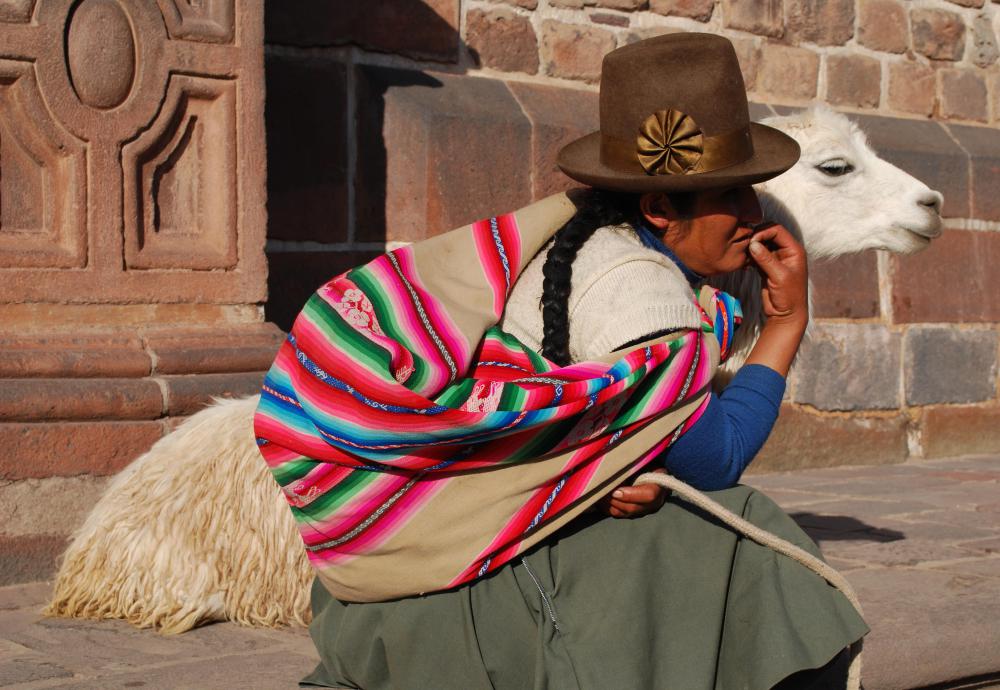
One of the first known references to amaranth is in descriptions of the diets of the Aztec peoples, who used the plant as part of their human sacrifice ceremonies, and the Incas, who used it as a food staple. Because the conquering Spanish conquistadors forbade amaranth, the plant’s use dropped precipitously and stayed low for many years. The plant survived in indigenous cultures, however, and its use continues to grow.

In today’s cultures, Peruvian people use amaranth to make beer and to treat toothache and fevers; they also use it as food coloring for quinoa and maize. Mexican people use the plant in a traditional drink called atole. Indian people use it to make laddoo, which is similar to atole. Nepalese people crush the seeds to make a gruel called sattoo.
Farmers in a few American states now grow this plant, but it is still not found in the mainstream markets. You can, however, find it in natural food stores in many parts of the U.S. The gluten-free amaranth is often used in flours and in such flour-based goods as breads, pancakes, and pastas. In Mexico, also, it is mixed with chocolate or puffed rice to be sold as snacks.
AS FEATURED ON:
AS FEATURED ON:









-
![The Incas used Amaranth as a food staple.]() By: Ariane CitronThe Incas used Amaranth as a food staple.
By: Ariane CitronThe Incas used Amaranth as a food staple. -
![Amaranth is often used to treat toothache and fevers.]() By: Sergey FurtaevAmaranth is often used to treat toothache and fevers.
By: Sergey FurtaevAmaranth is often used to treat toothache and fevers. -
![Amaranth flour may be used to make cookies and other baked goods with a high protein content.]() By: sarahdoowAmaranth flour may be used to make cookies and other baked goods with a high protein content.
By: sarahdoowAmaranth flour may be used to make cookies and other baked goods with a high protein content. -
![Amaranth is a suitable addition to a gluten-free diet.]() By: mybaitshopAmaranth is a suitable addition to a gluten-free diet.
By: mybaitshopAmaranth is a suitable addition to a gluten-free diet.



Discussion Comments
Who would buy amaranth if I grow it to sell.
Well said, 56827!
amaranth is an entire group of plants. there may be one or two species you read about that are endangered, but they sure as hell aren't the edible ones being mentioned here. edible amaranth is also known as pigweed. key word weed. it will grow even for people who don't want it. it grows wild all over the world and spreads even when people such as the spanish banned the growing of it.
it is extremely nutritious, pretty, and should be grown and eaten more. 10543 is right -- growing a plant for food is often times the best way to spread it because the seeds or roots will always find a way out. birds, threshing, and the wind would carry this plant everywhere.
it is the monocrop approach to agriculture that kills plant species. You know it used to be normal to have many varieties of potatoes, bananas, tomatoes, berries, and carrots on every farm, and now in the store they only sell one or two types of each and anything else is "specialty" at a premium price even though you could throw the seed in your backyard blindfolded and it would still grow.
most people would rather have an empty lawn or unending fields of identical gmo corn the birds won't even eat, unfortunately.
wikipedia claims approximately 65 species. Common name in US is pigweed. I am still trying to find out why my friend wants me to bake her bread from amaranth flour. Is this the answer to the world grain shortage? Pig bread?
endangered? really?! there are several seed suppliers on the internet. I have been growing it for 3 seasons in my backyard garden. The the two packets of seeds i started with have now yielded about 60 lbs of grain.
so now i have a self sustaining seed source and a grain to eat.... i find it amusing someone could be concerned with conservation when production is a far better solution
The best way to get a plant off the endangered species list is to eat it and tell others how good it tastes. More will be grown so other people can enjoy it too. The article was excellent.
I think that is sad that you can sit there and kill a plant like that...and have the nerve to eat it...Did you know that this plant is one of the TOP 35 endangered spieces ? Now eat that...
Post your comments