
At TheHealthBoard, we're committed to delivering accurate, trustworthy information. Our expert-authored content is rigorously fact-checked and sourced from credible authorities. Discover how we uphold the highest standards in providing you with reliable knowledge.
What Is Agraphobia?
 Tricia Christensen
Tricia Christensen
Tricia Christensen
Agraphobia is an intense fear of sexual abuse. A person who suffers from agraphobia is afraid of being sexually abused, raped, attacked or involved in a sexually abusive relationship to such an extent that the fear is irrational. For example, a women who suffers from agraphobia might be afraid to be alone in an elevator with any men whom she doesn't know for fear of being sexually assaulted. Someone who suffers from this phobia might or might not have been a victim of sexual abuse or other sexual crime.
How it Develops

This fear might develop in children or young adults who witness sexual violence in movies or television. There also some evidence suggesting that overt and obvious fear in adults that children might be sexually abused could cause this condition. Studies also show that some kids become too fearful of all the negative things that might occur to them, and there has been some effort to modify the way that children are taught about dangers to prevent the creation of irrational fears in children.

Agraphobia sometimes is a short-term condition for people who have been victims of sexual violence. Part of recovery for the agraphobic person is learning how to trust again, no matter whether sexual abuse has ever happened to him or her. There also are programs geared toward working with people who have been sexually assaulted.
Symptoms and Treatment

The symptoms of this condition can be varied. People who have agraphobia might have difficulty leaving the home because the fear of a sexual attack might increase after a person has left the safety of home. For some, however, even being at home is no guarantee of safety, and they might spend restless days and nights afraid that an attacker will enter their home. Relationships might be difficult to maintain, and even with people who have no ill intent, the agraphobic might be afraid of any form of sexual intimacy. As with most phobias, the fear of danger is exaggerated and can lead to panic attacks with symptoms such as rapid heartbeat, respiration, sweating and trembling.

Therapy and sometimes medication might be the most helpful in treating this phobia, but there can be some inherent problems in conducting therapy. Establishing trust with a person who suffers from agraphobia might take some time, especially if that person believes that the therapist poses a risk of sexual abuse. Sometimes group therapy can be more effective. Using a therapist of the same gender, in certain circumstances, might be easier as well, although this is not always the case.
Different from Agoraphobia

Agraphobia should not be confused with agoraphobia. Agoraphobia is the fear of open spaces and is an anxiety disorder that often keeps people housebound. They are afraid to leave the safety of their homes, because things outside the home are potentially terrifying, and panic attacks are likely to occur when they encounter the unfamiliar. Agraphobia also can keep people relatively housebound, but this is because of a specific fear of sexual abuse.
How Is Agraphobia Different From Erotophobia?
Erotophobia is a catchall term that includes several more specific fears. It includes any phobia that is related to sexual activity. Agraphobia could be considered a type of erotophobia. Erotophobia is a complicated condition and often involves more than one specific fear. When left untreated, erotophobia may cause people to avoid all forms of intimate contact.
What Are Some Other Examples of Erotophobia?
There are multiple fears and phobias other than agraphobia that fall under the umbrella of erotophobia.
Genophobia
Genophobia, which is sometimes called coitophobia, is a fear of sexual intercourse. People who have genophobia are often able to form romantic relationships and may participate in intimate activities, such as cuddling or kissing, but fear physical intimacy that goes beyond these activities.
Fear of Intimacy
The fear of intimacy is frequently, but not always, related to a fear of abandonment or engulfment. People with this fear are not afraid of sexual intercourse the way people with genophobia are, but fear the emotional ties that may come with it.
Paraphobia
Paraphobia is a particularly complicated phobia that involves a fear of sexual perversion. Some people with paraphobia are afraid that they suffer from sexual perversion, while others fear perversion in other people. People with this condition are sometimes able to have sexual relationships that fit within their definition of "normal." Others are unable to participate in any type of intimacy because of their fear that it may be perverted.
Haphephobia
Haphephobia may also be called chiraptophobia and is the fear of being touched. This fear often extends to all relationships, not just sexual ones. Some people with the condition fear even passing contact from someone they are related to, while others only have issues with more prolonged touching.
Gymnophobia
Gymnophobia is a fear of nudity. Some people who have gymnophobia are afraid of being nude and others are afraid of people being nude in their presence. This fear is sometimes caused by body image issues or low self-esteem but sometimes has no obvious cause.
Fear of Vulnerability
Fear of vulnerability is also related to the fear of abandonment or engulfment. People with this fear worry that if they expose their true selves to others, other people will not like them.
Philemaphobia
Philemaphobia is the fear of kissing. It is sometimes related to physical concerns, or other phobias, such as germ phobia.
Cypridophobia
Cypridophobia is an irrational fear of venereal disease or prostitutes. People who have this condition may experience symptoms of anxiety when thinking about venereal disease or prostitutes. As a result, they may take extreme measures to avoid potential contact with prostitutes or venereal disease, such as avoiding places where prostitutes may be or not having sex.
What Is the Role of Religious and Personal Morals in Erotophobias and Agraphobia?
Religious and other moral beliefs that cast sexual activity in a negative light are not phobias by themselves. However, people who have difficulty reconciling those beliefs with their thoughts or behaviors are at a higher risk of developing erotophobia.
What Are the Symptoms of Erotophobia?
Erotophobia may cause people to avoid talking about sex. They may also have negative reactions to sexually explicit material and have less frequent sex and fewer sexual partners than other people. Erotophobia often leads to conflicts in marriages and other relationships.
Can Cognitive-Behavior Therapy Help Agraphobia?
Cognitive-behavioral therapy is one of the most frequently used treatments for agraphobia and other types of mental health issues. During CBT, a therapist attempts to help the patient replace the irrational thoughts they have about sexual abuse with rational thoughts. The therapist also helps the patient analyze and justify the thoughts and emotions they experience related to sexual abuse.
The therapist may also work with the patient to attempt to discover the underlying cause of their agraphobia. CBT treatment often involves keeping a thought diary. The thought diary includes an "ABCD column" to help patients with replacing irrational thoughts with more rational thinking. ABCD is an acronym.
The "A" refers to antecedents, which are the situations that trigger irritational thoughts. The "B" stands for belief. The belief is the thought that occurs because of the antecedent. "C" represents consequences. These are the feelings or symptoms that result because of the belief. "D" means dispute. The dispute is the rational thoughts provided by the therapist to challenge the patient's irrational beliefs.
How Is Mindfulness-Based Stress Reduction Used To Treat Agraphobia?
MBSR is a meditation therapy used for treating anxiety and stress. It is focused around lectures and group discussions designed to increase interactivity and improve mental health.
Tricia Christensen
Tricia has a Literature degree from Sonoma State University and has been a frequent TheHealthBoard contributor for many years. She is especially passionate about reading and writing, although her other interests include medicine, art, film, history, politics, ethics, and religion. Tricia lives in Northern California and is currently working on her first novel.
Learn more...
Tricia Christensen
Tricia has a Literature degree from Sonoma State University and has been a frequent TheHealthBoard contributor for many years. She is especially passionate about reading and writing, although her other interests include medicine, art, film, history, politics, ethics, and religion. Tricia lives in Northern California and is currently working on her first novel.
Learn more...AS FEATURED ON:
AS FEATURED ON:


-
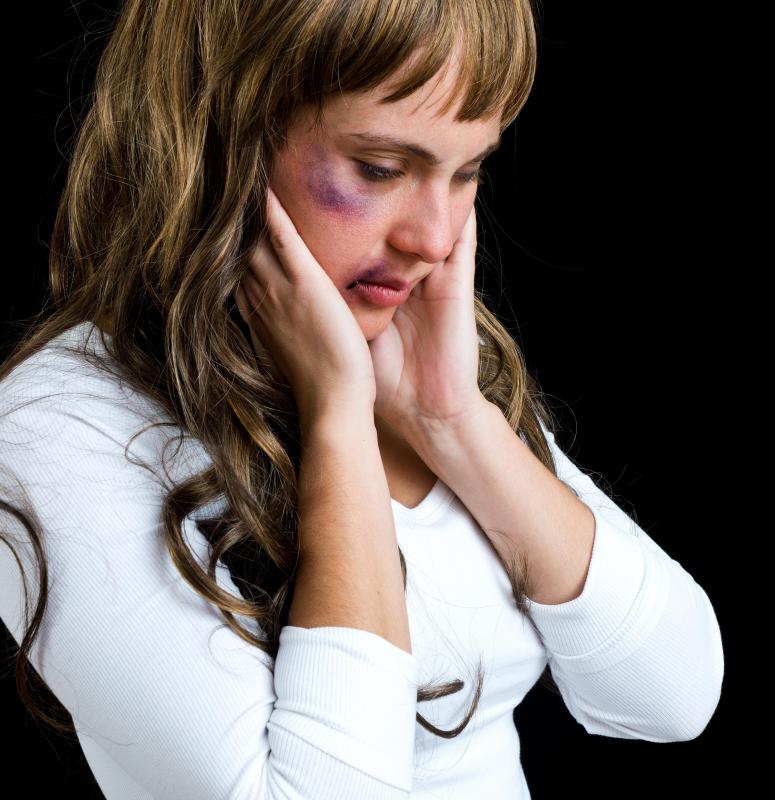
![Agraphobia is a fear of sexual intimacy or abuse.]() By: CouperfieldAgraphobia is a fear of sexual intimacy or abuse.
By: CouperfieldAgraphobia is a fear of sexual intimacy or abuse. -
![A person who suffers from agraphobia may or may not have been a victim of sexual abuse.]() By: Monkey BusinessA person who suffers from agraphobia may or may not have been a victim of sexual abuse.
By: Monkey BusinessA person who suffers from agraphobia may or may not have been a victim of sexual abuse. -
![Group therapy is one option for individuals struggling with agraphobia.]() By: Monkey BusinessGroup therapy is one option for individuals struggling with agraphobia.
By: Monkey BusinessGroup therapy is one option for individuals struggling with agraphobia. -
![People who are in a physically abusive relationship may develop agraphobia.]() By: bertys30People who are in a physically abusive relationship may develop agraphobia.
By: bertys30People who are in a physically abusive relationship may develop agraphobia. -
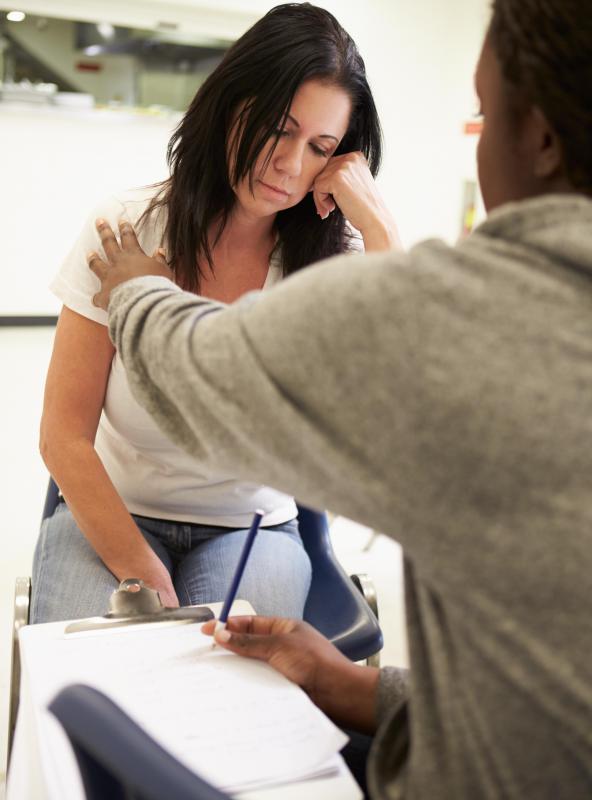
![A person suffering from agraphobia may benefit from seeing a counselor.]() By: Monkey BusinessA person suffering from agraphobia may benefit from seeing a counselor.
By: Monkey BusinessA person suffering from agraphobia may benefit from seeing a counselor.


Discuss this Article
Post your comments