
At HomeQuestionsAnswered, we're committed to delivering accurate, trustworthy information. Our expert-authored content is rigorously fact-checked and sourced from credible authorities. Discover how we uphold the highest standards in providing you with reliable knowledge.
What is Agave?
 Mary McMahon
Mary McMahon
Mary McMahon
Agave is a large genus of succulent plants that includes over 200 species. The New World native has been used as a source of food, fiber, and ornamentation for hundreds of years, and has spread far beyond its original range, thanks to migrating peoples who brought the plant with them. There are many modern uses for the plant, and it is widely cultivated in warm regions where it will not be exposed to frost. Many gardeners also plant it in low water gardens, as the succulent looks attractive and requires little water.
While many people think of agave as being a member of the cactus family, it is not. It is actually more closely related to lilies, along with other succulent plants. Typically, agave grows in the form of a rosette of thick, fleshy leaves that are often toothed and may also terminate with large spikes. Many species flower only once, putting up a tall stalk of aromatic flowers and then dying off. Since the plants tend to grow runners and offshoots, smaller plants are left behind after the parent dies.

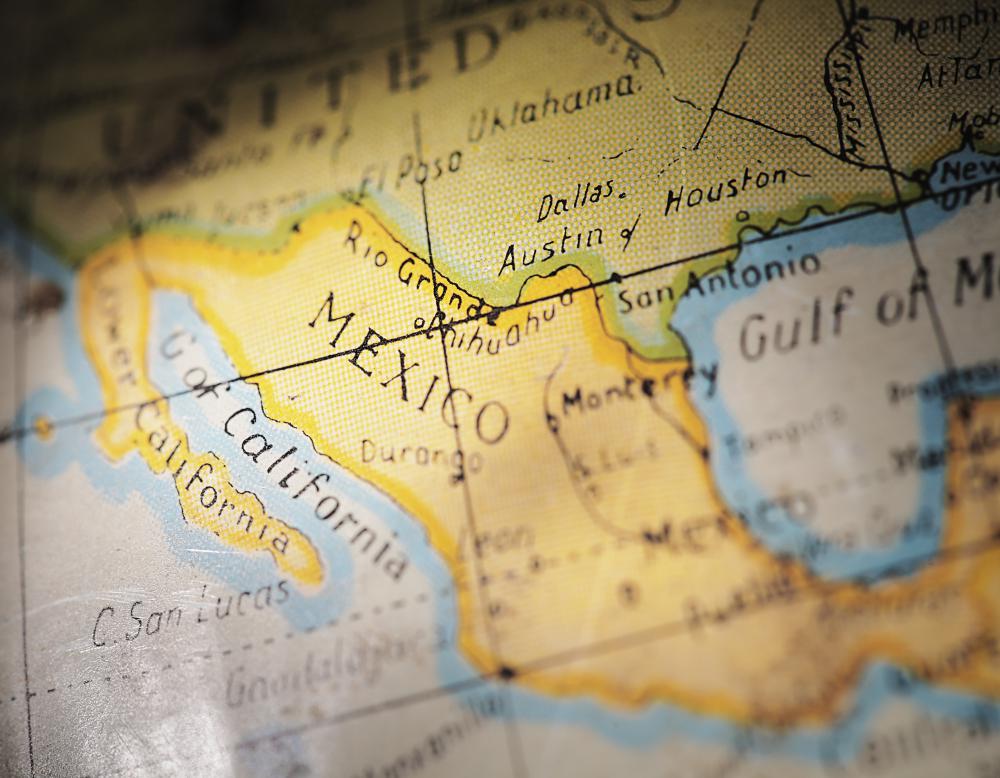
The plant is extremely slow to mature, as is demonstrated by the case of the century plant, a very slow growing species that flowers intermittently. Many parts of the plant are highly useful, including the dense leaves to the often edible flowers. As a result, large plantations of specific species, such as blue agave, can be found in the warm regions of Mexico and the American Southwest.

The leaves of the agave can be beaten to make fiber, and they also generate a foamy material that is much like soap. The leaves can also be cooked to make a relatively bland but filling meal. The flower stalks are sweet when roasted, and one of the most commonly collected parts of the plant. With roasting and processing, a stalk can be turned into syrup, a natural substitute for sugar, or it can be fermented into liquor, such as tequila. The flowers are also often edible, and since each plant generates a large number of flowers, they can be a useful source of nutrition.

When used as an ornamental plant, agave can make a nice green addition to a low water garden in a warm or hot region. The slow growing plants can mature to a formidable size, which is why they are often used along highway medians and in other large landscaping schemes. The teeth and spines make it a less than friendly plant, but this can also be advantageous in landscaping, as it will keep unwanted human and animal visitors out.
Mary McMahon
Ever since she began contributing to the site several years ago, Mary has embraced the exciting challenge of being a HomeQuestionsAnswered researcher and writer. Mary has a liberal arts degree from Goddard College and spends her free time reading, cooking, and exploring the great outdoors.
Learn more...
Mary McMahon
Ever since she began contributing to the site several years ago, Mary has embraced the exciting challenge of being a HomeQuestionsAnswered researcher and writer. Mary has a liberal arts degree from Goddard College and spends her free time reading, cooking, and exploring the great outdoors.
Learn more...AS FEATURED ON:
AS FEATURED ON:


-
![Blue agave is a succulent that has many uses.]() By: Sergey BelovBlue agave is a succulent that has many uses.
By: Sergey BelovBlue agave is a succulent that has many uses. -
![Sugar and liquors like tequila can be made from agave.]() By: tarasov_vlSugar and liquors like tequila can be made from agave.
By: tarasov_vlSugar and liquors like tequila can be made from agave. -
![Large plantations of specific species of agave can be found in Mexico.]() By: StocksnapperLarge plantations of specific species of agave can be found in Mexico.
By: StocksnapperLarge plantations of specific species of agave can be found in Mexico. -
![Blue agave grows in warm climates in Mexico and the American Southwest.]() By: PixelshopBlue agave grows in warm climates in Mexico and the American Southwest.
By: PixelshopBlue agave grows in warm climates in Mexico and the American Southwest.



Discussion Comments
@burcin-- Oh my god! Really?!
My mom has diabetes and fatty liver syndrome and she's been using agave lately for tea and coffee. Thanks for that info, I'm going to tell her right away.
My boyfriend owns a bar and recently, they started making cocktails with agave. It's a hit! People are loving it, he has sold more tequilas than ever since he started using agave nectar in them.
I'm not big on alcohol so I usually use agave nectar in my fruit smoothies.
Too much of a good thing can be bad! Agave seems healthy but it's pure fructose. Consuming lots of it can cause fatty liver in the long term because fructose gets metabolized by the liver.
I was recently at a large nursery in Phoenix where I saw a few different kinds of agave. I had a hard time imagining how they would use this plant for food, but I have tried agave nectar before and really like it.
The agave plants were right alongside the cactus, but I didn't see any thorns on the agave plants like the cactus had. The agave leaves looked very smooth compared to the prickly cactus.
I bought some agave sweetener to use in place of honey. I really didn't notice much difference in the taste. Both of them do a good job of sweetening my tea and I really don't know if one is healthier than the other.
I saw an agave plant when I was in Mexico, it looks a lot like a cactus. It doesn't really look edible but I know the locals do eat it. I think they use the water from the leaves more than any other part of the plant. The water is drinkable and that's also what's processed and put into liquor.
I also saw a goat eating agave leaves. He seemed very happy about it, but then again, goats eat anything.
I started using organic agave nectar in place of sugar and syrup and I like it a lot. It does have a distinct flavor, but it's not bad, just different. I think it's really good in coffee and also a great alternative to maple syrup for pancakes. You should try it out sometime.
Just keep in mind though that even though agave nectar is all natural, it doesn't mean that it's completely healthy. It still has carbohydrates and sugar in it. Some people think that if they have something natural like agave nectar instead of white sugar, they won't gain weight. But that's not true, if you eat a lot of agave nectar, you'll still gain weight, so portion is key.
Agave sounds like the perfect survival plant. If I get stuck somewhere without food, I wouldn't starve if there are agave plants. I had no idea that agave could be consumed in so many ways.
My only familiarity with agave is agave nectar which I see at supermarkets in the honey aisle. I've never actually bought one and tried it though. I wonder if it's good.
Another use of agave is parrot toys! I don't know what agave species they use but you can buy agave "wood" toys and chunks of it from online pet supply sites.
If you have a parrot that likes to chew but most toys tend to be wood that's too hard, try agave! My grey totally loves it the way his beak "sinks in" when he first grabs a chunk! They don't last long so buy in bulk though!
Post your comments