
At DelightedCooking, we're committed to delivering accurate, trustworthy information. Our expert-authored content is rigorously fact-checked and sourced from credible authorities. Discover how we uphold the highest standards in providing you with reliable knowledge.
What Is Acidophilus Milk?
 Mary McMahon
Mary McMahon
Mary McMahon
Acidophilus milk, sometimes called sweet acidophilus milk, has Lactobacillus acidophilus bacteria added to it, giving it a tangy flavor and thickened texture. This cultured product is usually low in fat and has a longer shelf life than ordinary milk. Many people believe it can benefit digestion and prevent allergies due to the activity of the acidophilus bacteria in the intestines. Milk of this kind is often available at health food stores as well as some major supermarkets.
How It's Made

The culture process used to make acidophilus milk starts with inoculating sterile milk with the bacteria. Next, the milk is allowed to sit at a warm temperature while the bacteria reproduce. L. acidophilus thrives in the mildly acidic environment of milk, consuming some of the lactose in the milk in the process. The tangy flavor of the milk will increase the longer it stays warm. This process is similar to the one used to make yogurt but results in a thinner, drinkable product.

It is possible to make acidophilus milk at home, as long as the cook has the correct bacteria. Starter cultures that contain L. acidophilus are available, although they often contain other strains, including Streptococcus thermophilus and Lactobacillus bulgaricus, that are commonly used to make yogurt. If fermented too long, the milk will turn into yogurt.

Store-bought acidophilus milk is sometimes treated to make it slightly sweet rather than tangy. It can be used like regular milk in recipes, unlike kefir and other fermented products with a strong flavor. Some people also drink it in place of regular milk, preferring the distinctive flavor.
Nutritional Information
Generally speaking, acidophilus milk is comparable to regular milk of the same type. Most of the commercially available products have about 1% milkfat, providing about 110 calories per 8 ounces (236 mL); regular 1% milk has about 102 calories. Both have about the same amount of protein (8 grams) and calcium (about 30% of the recommended daily allowance).
Storage

Like other milk products, acidophilus milk should be checked regularly for changes in texture, color, or smell. If the milk begins to smell different or change color, it should be discarded. Active bacteria in the milk can continue reproducing as the product ages, causing it to become dangerous to consume. It is important to keep this type of milk chilled to minimize bacterial activity. When homemade, this milk should be used within a week; commercial products may have a longer expiration date.
Health Benefits

Acidophilus bacteria is considered a probiotic, meaning that they are usually beneficial to human health. Some people believe that consuming products that contain live active cultures can help to treat digestive problems and yeast infections. Acidophilus bacteria is said to increase the number of beneficial intestinal and vaginal bacteria when eaten. Dairy cultures typically contain a smaller amount of probiotic bacteria when compared to acidophilus supplements in pill or powder form.
This beverage is used in place of regular cow's milk for some individuals who are lactose intolerant. During fermentation, the bacteria feed on the lactose sugar in the milk, breaking some of it down. For people who are lactose intolerant, that means that their bodies may have an easier time digesting this milk. Acidophilus milk is only lightly fermented, however, so it does still contain milk sugar; this can cause gas and bloating in some people.
Acidophilus milk is also sometimes recommended for use with infants who are old enough to drink cow's milk. One theory holds that, when consumed by infants, acidophilus milk might reduce the chances of the child of developing allergies later in life. There is no proof that drinking this milk will cure an already existing allergy.
Some studies also suggest that this type of milk may help lower cholesterol levels. The bacteria in the intestines may help prevent cholesterol in food from being absorbed so it does not enter the bloodstream.
Possible Side Effects
Some people report bloating and gas when they first start drinking acidophilus milk. This is likely because it changes the balance of bacteria in the digestive system, and because the milk does contain some lactose, which can cause these side effects in people who have an intolerance. This usually passes in a short amount of time, however.
Acidophilus milk is usually not recommended for people who have immune system problems. Because there are live bacteria in the milk, they could cause an infection in people who's bodies cannot control their growth. People who are allergic to milk should also avoid this product.
Frequently Asked Questions
What is Acidophilus Milk exactly?
Acidophilus milk is fortified milk that contains Lactobacillus acidophilus, a beneficial probiotic bacterium. This bacteria is known to enhance digestion and maintain a healthy intestinal bacterial balance. Acidophilus milk is produced by adding acidophilus bacteria to conventional milk, which is then pasteurized to preserve the bacteria's viability.
What are the advantages of consuming Acidophilus Milk?
Due to the presence of beneficial microorganisms, acidophilus milk offers numerous health benefits. These probiotics strengthen the immune system, improve digestion, and facilitate nutrient absorption. Acidophilus milk has also been shown to reduce digestive issues like bloating and indigestion, as well as the risk of contracting certain diseases. Additionally, it can reduce inflammation and cholesterol levels.
Can individuals with lactose intolerance consume Acidophilus Milk?
Individuals with lactose intolerance can consume acidophilus milk. The probiotics in milk aid in the digestion of lactose by breaking it down. This means that individuals with lactose intolerance can still experience the health benefits of acidophilus milk without experiencing discomfort from consuming dairy products.
How does Acidophilus Milk differ from conventional milk?
Acidophilus milk is distinct from conventional milk in that it contains the probiotic bacteria Lactobacillus acidophilus. Acidophilus milk is fortified with probiotics by adding Lactobacillus acidophilus bacteria to regular milk and then pasteurizing it to preserve the bacteria's functionality. Regular milk is simply pasteurized and homogenized cow's milk.
How is acidophilus milk different from yogurt?
Although both acidophilus milk and yogurt contain advantageous probiotics, their production processes are distinct. Acidophilus milk is produced by adding probiotic bacteria to regular milk, which is then pasteurized to preserve the functionality of the bacteria. In contrast, yogurt is made by fermenting milk with specific cultures of bacteria, resulting in a thick, creamy food that can be consumed as a meal or refreshment. Additionally, yogurt contains more protein and calcium than acidophilus milk.
Mary McMahon
Ever since she began contributing to the site several years ago, Mary has embraced the exciting challenge of being a DelightedCooking researcher and writer. Mary has a liberal arts degree from Goddard College and spends her free time reading, cooking, and exploring the great outdoors.
Learn more...
Mary McMahon
Ever since she began contributing to the site several years ago, Mary has embraced the exciting challenge of being a DelightedCooking researcher and writer. Mary has a liberal arts degree from Goddard College and spends her free time reading, cooking, and exploring the great outdoors.
Learn more...AS FEATURED ON:
AS FEATURED ON:


-
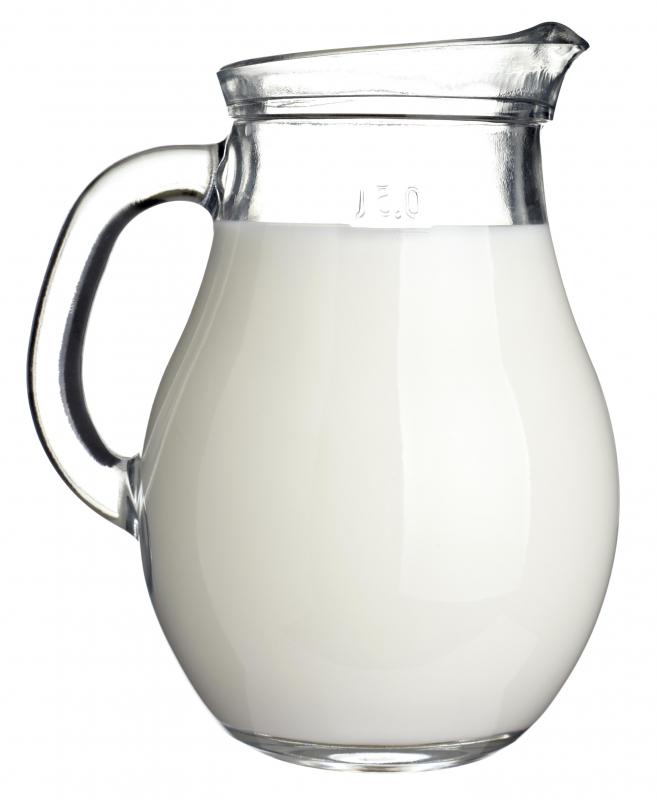
![Pitcher of buttermilk.]() By: picsfivePitcher of buttermilk.
By: picsfivePitcher of buttermilk. -
![Acidophilus is friendly bacteria found in many cultured foods, such as yogurt.]() By: nenetusAcidophilus is friendly bacteria found in many cultured foods, such as yogurt.
By: nenetusAcidophilus is friendly bacteria found in many cultured foods, such as yogurt. -
![Many people drink acidophilus milk over cow's milk because of its distinct taste.]() By: vgstudioMany people drink acidophilus milk over cow's milk because of its distinct taste.
By: vgstudioMany people drink acidophilus milk over cow's milk because of its distinct taste. -
![Acidophilus can be added to milk in order to make it more easily managed by individuals who are lactose intolerant.]() By: inesbazdarAcidophilus can be added to milk in order to make it more easily managed by individuals who are lactose intolerant.
By: inesbazdarAcidophilus can be added to milk in order to make it more easily managed by individuals who are lactose intolerant. -
![Acidophilus milk can cause bloating and gas in some people when they first start to drink it.]() By: vladimirfloydAcidophilus milk can cause bloating and gas in some people when they first start to drink it.
By: vladimirfloydAcidophilus milk can cause bloating and gas in some people when they first start to drink it.




Discussion Comments
Children under 1 year should drink only formula or breast milk, nothing else.
My daughter had problems with milk when she was a year old. She was always constipated and uncomfortable. We tried all kinds of milk, even the lactose free and the soy. Nothing seemed to work.
Acidophilus milk cured whatever problem she was experiencing. I used it until she was about three years old and then started giving her regular milk again and now she does fine. So from her experience, it was a life saver!
When I was a baby, I wasn't able to keep formula down. The doctor put me on Acidophilus milk. That was 45 years ago. I don't know exactly how old I was when I began taking it though.
is acidophilus milk good for a six month baby?
can acidophilus milk be frozen and then thawed and used?
Is this the same as the Lowfat Kefir cultured Milk Probiotic? A friend of mine told me it is really very good. It eliminates stored junk in your stomach/colon.
I'm a 57 year old male. Never liked milk as a kid. My dairy consumption nowadays is the half-and-half I put in my coffee, plus copious amounts of cheese and yogurt (including the soy variety) a couple of times a week. I discovered this kind of milk a few years ago and actually enjoy drinking it; the 2 percent variety, anyway. It's sweeter than regular milk, doesn't upset my stomach, and it has a long shelf life. I whole-heartedly (no pun intended) (or avoided) endorse it. Tim in California.
Is acidophilus milk good for kids four years old?
Is this the same - or similar - to the drinkable yogurt they sell at the grocery store? I see a lot of recipes that call for watering down regular yogurt to make it drinkable, but I don't see why acidophilus milk wouldn't be a better alternative.
Post your comments