
At PracticalAdultInsights, we're committed to delivering accurate, trustworthy information. Our expert-authored content is rigorously fact-checked and sourced from credible authorities. Discover how we uphold the highest standards in providing you with reliable knowledge.
What is a Zoologist?
 Tricia Christensen
Tricia Christensen
Tricia Christensen
A zoologist is a person who usually at minimum holds an undergraduate degree in biology or zoology, and may hold graduate degrees in zoology. A few have field training only and don’t hold degrees of any kind. Zoology is a branch of biology, a life science that focuses on the study of animals, in a variety of different ways. What a person in this profession does largely depends upon how he or she plans to specialize. There are many diverse jobs in this field.
Some zoologists work at zoos, participating in direct care of animals, observing them, or working as wildlife educators who develop educational materials and programs for zoo staff or for people who visit zoos. Others work overseeing wildlife reserves. They might study there and work on counting animal populations or studying the behavior of animals, and others might study animals in less protected areas.

Individuals in this profession do not necessarily work in the field. Many work in lab-based environments, studying specific biological aspects of animals, or they might work as professors teaching the subject. Zoology can be very specific, and some of these scientists may devote their lifetimes to the study of a single species, or work can be more generalized.
There are some main things a zoologist is likely to do, and these often dovetail with other scientific disciplines. Note that not all people in this field specialize in these areas. They might do any of the following:
- Specialize in studying a particular type or group of animals like reptiles, mammals, marine mammals, fish, or birds. Respectively, these can be called herpetology, mammalogy, marine mammalogy (or marine biology), ichthyology, and ornithology.
- Study animal behavior, called ethology.
- Study and compare animal anatomy.
- Genetically evaluate single animals or more commonly animal populations.
- Classify animals.
- Evaluate how animals have changed over time (evolutionary biology).
- Study extinct animals (paleozoology).
- Study animals that were thought extinct but have been found to still be living (cryptozoology).
- Evaluate environmental impact on animals (environmental ecology).

There are many people who have at least minimally been involved in wildlife studies, whose names will no doubt be familiar. These include Jeff Corwin, a herpetologist who has a successful show on the Animal Planet Network; Jane Goodall, who has devoted her life to the study of chimpanzees; and the Crocodile Hunter, Steve Irwin. Names of people who have made contributions from the past include Aristotle, Sir Charles Darwin, Carolus Linnaeus, and Georges Cuvier, the founder of comparative anatomy.

A zoologist has diverse career choices and often must be familiar with several scientific disciplines. People who want to pursue a career in this field should consider taking biology classes, as well as classes in those fields that interest them most. Students who are sure that they want to work with animals should look for animal behavior classes, and even before they get to college, they should try volunteering in places that give you opportunities to observe or care for animals, like zoos, marine parks, or animal shelters, and rescue facilities.
Tricia Christensen
Tricia has a Literature degree from Sonoma State University and has been a frequent PracticalAdultInsights contributor for many years. She is especially passionate about reading and writing, although her other interests include medicine, art, film, history, politics, ethics, and religion. Tricia lives in Northern California and is currently working on her first novel.
Learn more...
Tricia Christensen
Tricia has a Literature degree from Sonoma State University and has been a frequent PracticalAdultInsights contributor for many years. She is especially passionate about reading and writing, although her other interests include medicine, art, film, history, politics, ethics, and religion. Tricia lives in Northern California and is currently working on her first novel.
Learn more...AS FEATURED ON:
AS FEATURED ON:


-
![A zoologist may conduct research at a zoo.]() By: davitydaveA zoologist may conduct research at a zoo.
By: davitydaveA zoologist may conduct research at a zoo. -
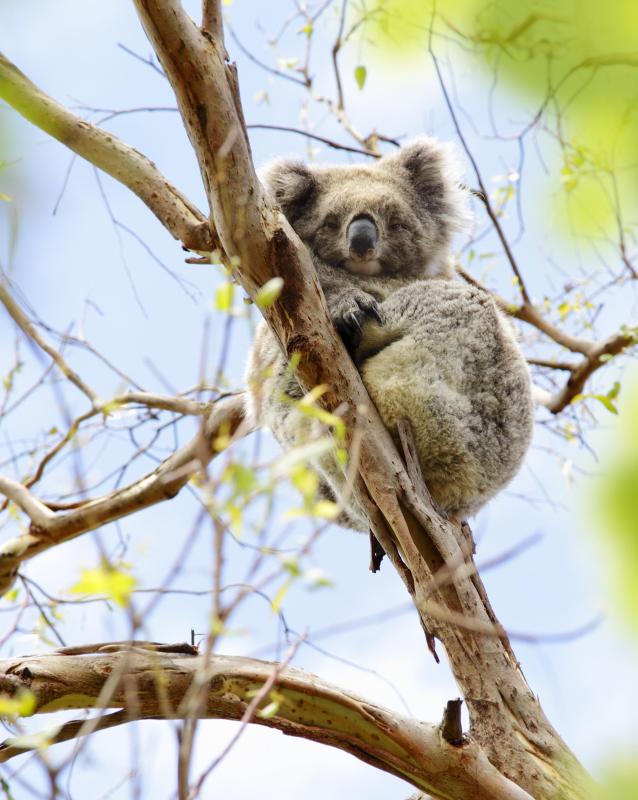
![A zoologist might investigate the differences between marsupial mammals, like koalas, and placental mammals.]() By: FriedbergA zoologist might investigate the differences between marsupial mammals, like koalas, and placental mammals.
By: FriedbergA zoologist might investigate the differences between marsupial mammals, like koalas, and placental mammals. -
![Many zoologists perform work in labs.]() By: RemainsMany zoologists perform work in labs.
By: RemainsMany zoologists perform work in labs. -
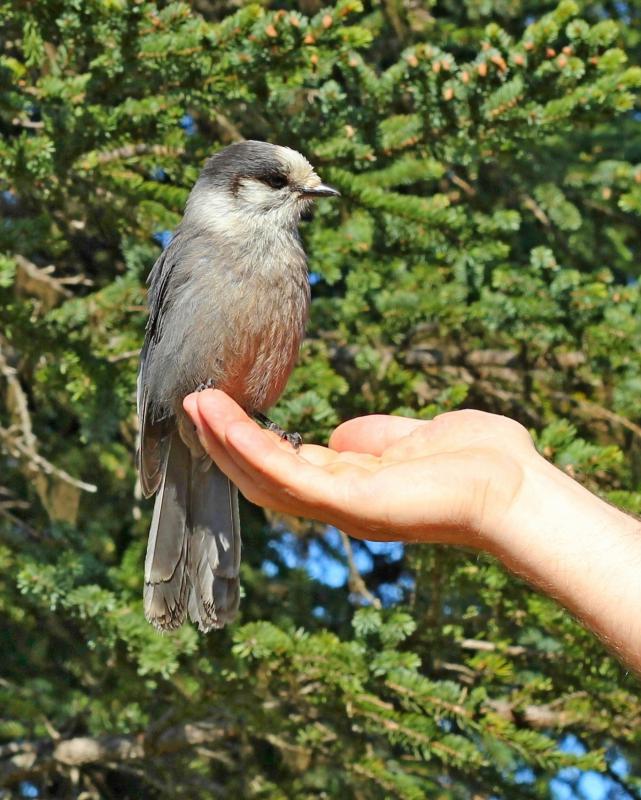
![A zoologist may specialize in ornithology, which is the study of birds.]()
A zoologist may specialize in ornithology, which is the study of birds. -
![Charles Darwin, a famous zoologist.]() By: nickolaeCharles Darwin, a famous zoologist.
By: nickolaeCharles Darwin, a famous zoologist. -
![Zoologists may study animal aggression.]() By: FotomicarZoologists may study animal aggression.
By: FotomicarZoologists may study animal aggression. -
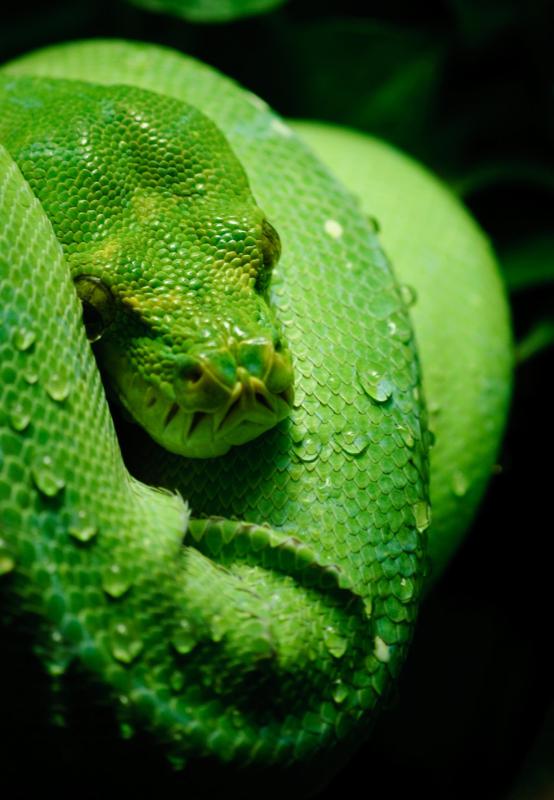
![Zoologists may focus on herpetology, the study of snakes and other reptiles.]() By: SarkaZoologists may focus on herpetology, the study of snakes and other reptiles.
By: SarkaZoologists may focus on herpetology, the study of snakes and other reptiles. -
![Zoologists work on conservation efforts to protect endangered species.]() By: hitdelightZoologists work on conservation efforts to protect endangered species.
By: hitdelightZoologists work on conservation efforts to protect endangered species.





Discussion Comments
How do zoologists affect soil (negative or positive)?
For starters, you'll have to be able to dissect animals, because there will be few zoology programs where you don't have to do that. And it's not just rats. We dissected a live chicken embryo and a lamb while I was in that class. Secondly, even though one of the classes went to study animals at the zoo, it was quite tedious. We stood for hours observing a troupe of monkeys, noting down whenever any of them did anything and what time that happened.
Real zoologists are mostly the same. They aren't all sitting with the gorillas or swimming with the dolphins. It's usually monotonous, dirty work and it can often be soul crushing as well, especially if you're working with endangered animals. Plus a zoologist's salary isn't big bucks.
The world needs more passionate zoologists, so don't let me dissuade you, but the key word here is "passion". You'll need it.
But, if they are simply caring for the animals and training them, then no, I wouldn't call them zoologists. Dolphins and other marine life are wonderful and require a lot of knowledge to care for properly, but in terms of the job title, just knowing how to care for them is no different from knowing how to care for a dog. They would just be called "animal trainers" or something similar.
I suppose the more correct term would be a marine zoologist, but I've hardly ever heard people call themselves that.
How has zoology changed since it was founded?
Can you be a zoologist who studies marine life?
What are three descriptions of a zoologist's work environment?
where can i learn to handle snakes?
how many people are registered as a zoologist?
well a zoologist is a person who studies the science of animals such as behaviors or why animals migrate etc. hope this answers your question.
thanks a lot. i needed it for my project.
is this a good career to have and how is the studying? is it easier for some people more than others?
would people who work at sea world and train dolphins be considered zoologist?
Thanks Tricia Ellis-Christensen for writing this article! It help me a lot!
Greetings from Puerto Rico! -Janisse
Post your comments