
At WiseGEEK, we're committed to delivering accurate, trustworthy information. Our expert-authored content is rigorously fact-checked and sourced from credible authorities. Discover how we uphold the highest standards in providing you with reliable knowledge.
What is a Yeast Free Diet?
 Tricia Christensen
Tricia Christensen
Tricia Christensen
A candida free, or yeast free, diet is one that emphasizes reducing or completely eliminating foods that will cause growth of natural yeasts in the body. There are several reasons why people may turn to a yeast free diet. They may have a difficult time with yeast infections (like thrush and vaginal yeast infections) — particularly after using antibiotics — and may benefit from a brief period on a diet that eliminates yeasts and foods that will likely make yeasts thrive, like those with high amounts of starches and sugar. Others look to this type of diet as a means of affecting weight loss, since excessive yeast in the intestinal tract may make weight loss more challenging, particularly for women. Still others may use yeast free and casein free diets as a way to combat symptoms of autism.
For weight loss, yeast infections, or intestinal disturbance due to high presence of yeast, this diet is usually undertaken for about six weeks only. Some extend the time further, and some diet companies base their diets on being yeast free. Common exclusions from these diets include all breads and things made with wheat flour, most alcohols, starchy foods like potatoes, fungi like mushrooms, cheeses, anything with vinegar in it, and most forms of sugar or foods that contain sugars.

While avoiding these foods, people on a yeast free diet eat things like oatmeal, brown rice, dark green vegetables, meat, fresh fruit, oils, and most nuts and/or seeds. Other things that are encouraged are probiotic foods like yogurt, provided it is not sweetened with sugar or high fructose corn syrup. Some people may not feel well the first few days they start this diet, though most are not hungry and can eat unlimited portions of the above listed foods. Once some of the natural yeast in the body dies off, dieters may note that they have improved energy and a reduction of symptoms like intestinal upset or diarrhea.

Some parents of kids with autism have turned to yeast free diets in hopes of reducing autism symptoms and restoring greater functionality to children with this condition. Though there isn’t clinical proof that such a diet is beneficial, there is a lot of anecdotal evidence that suggests it might be. At minimum, kids with autism might benefit from taking probiotic supplements, which are easily found in health food and natural foods stores. Some parents report significant improvement of their children on these diets.

People who are encountering difficulty with yeast infections, have stubborn weight they can’t just lose, or who are seeking treatment for an autistic child may want to talk with a medical professional about the benefits of going yeast free. Since the diet still provides plenty of protein and fiber, it’s not likely to cause harm, but medical guidelines can prove helpful. There are many recipes for people following these diets, which can also help you make more creative use of foods allowed.
Tricia Christensen
Tricia has a Literature degree from Sonoma State University and has been a frequent WiseGEEK contributor for many years. She is especially passionate about reading and writing, although her other interests include medicine, art, film, history, politics, ethics, and religion. Tricia lives in Northern California and is currently working on her first novel.
Learn more...
Tricia Christensen
Tricia has a Literature degree from Sonoma State University and has been a frequent WiseGEEK contributor for many years. She is especially passionate about reading and writing, although her other interests include medicine, art, film, history, politics, ethics, and religion. Tricia lives in Northern California and is currently working on her first novel.
Learn more...AS FEATURED ON:
AS FEATURED ON:









-
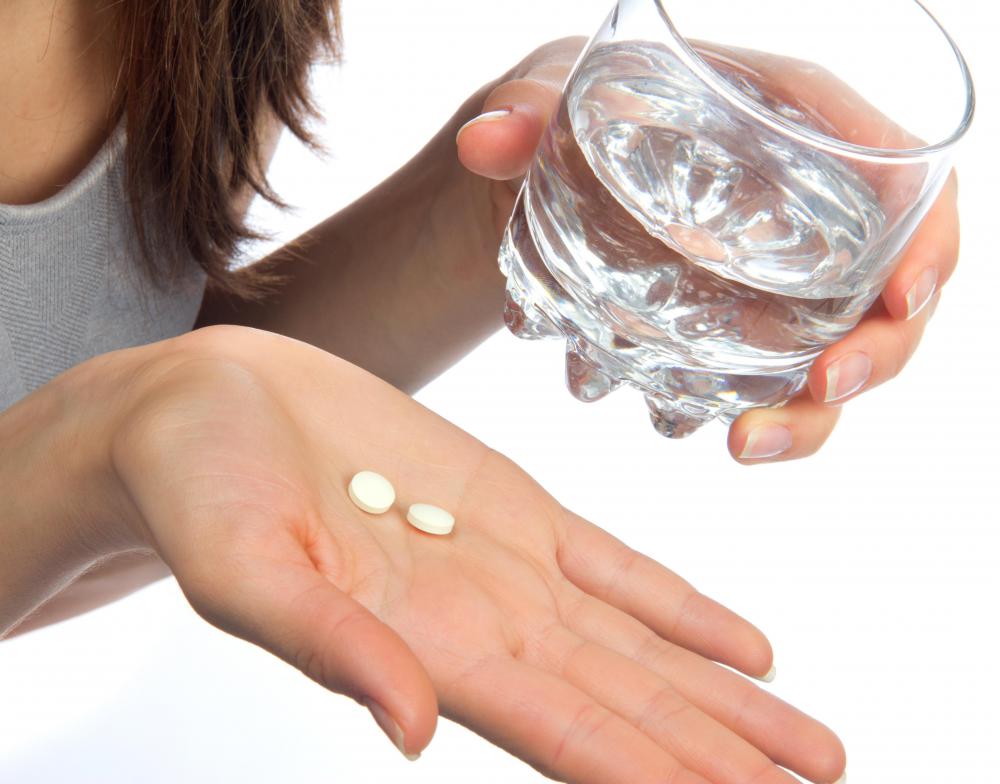
![The use of antibiotics can lead to yeast infections.]() By: Dmitry LobanovThe use of antibiotics can lead to yeast infections.
By: Dmitry LobanovThe use of antibiotics can lead to yeast infections. -
![People on a yeast free diet eat foods like oatmeal.]() By: robynmacPeople on a yeast free diet eat foods like oatmeal.
By: robynmacPeople on a yeast free diet eat foods like oatmeal. -
![Yeast.]() By: South12thYeast.
By: South12thYeast. -
![Yeast free diets often exclude mushrooms and other fungi.]() By: mbongoYeast free diets often exclude mushrooms and other fungi.
By: mbongoYeast free diets often exclude mushrooms and other fungi. -
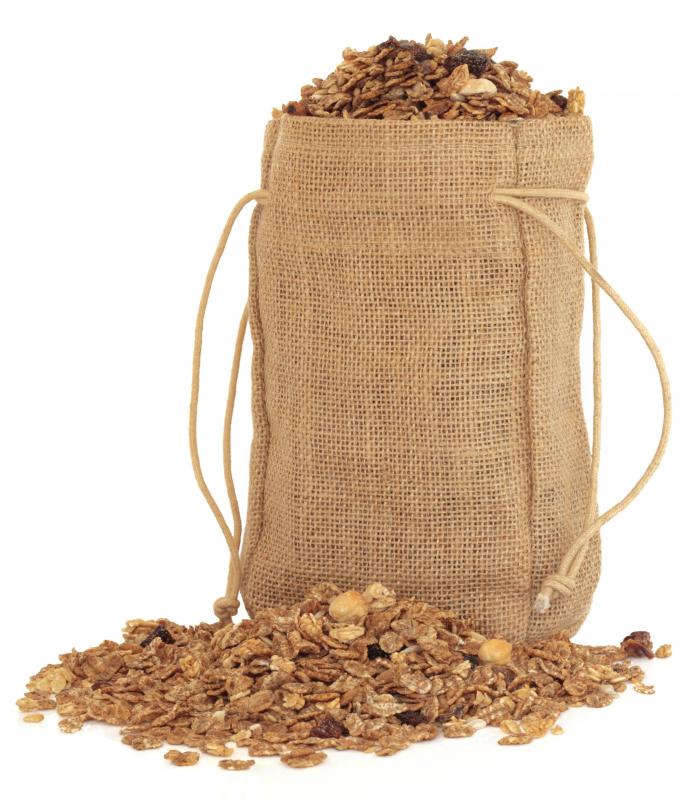
![Bag of oat bran.]() By: marilyn barboneBag of oat bran.
By: marilyn barboneBag of oat bran.


Discussion Comments
I was having UTI-like symptoms and vaginal pain during sex and my doctors could find nothing wrong. I also had blood cells in my urine. I was in extreme pain (burning) almost constantly.
My aunt told me that she'd had improvement of a rash she'd had when she went yeast free. I did eight weeks yeast free and my symptoms disappeared! I feel so much better and even though my traditional doctors and specialists could not prove it was yeast overgrowth, the relief of my symptoms has me convinced.
I am so thankful that I heard about the problems that yeast overgrowth can cause in the body, especially after taking many antibiotics and birth control pills.
For those who wonder if there is any credence to yeast free diets, just visit an Allergist MD.
When I was in my 20s, I decided to be tested because my health wasn't as good as it should be. The discovery of allergies to yeast and mold started me on a diet removing these food items from the menu. And for a person of Italian heritage, that was a huge change. Along with regular exercise, I lost 20 pounds in three months (without trying!), and never felt healthier in my life. Over the years, one gets lazy and goes back to their old habits, but I've just implemented this regiment again in the past two weeks, and can already feel a marked improvement in my energy levels (I'm now 58).
So, my point is, believe that this so called diet can improve your health. It's not quackery. --Bobby D
It definitely does cause heart burn!
Yeast free diets are a great way to healthier living. I would recommend it to anyone.
I'm a big proponent of yeast free diets. I used to suffer from a variety of issues and noticed a marked improvement once I was on the diet for a month or so. They don't have a lot of scientific evidence supporting a lot of the things yeast free diets claim to cure, but it certainly made my life a lot better.
Actually, I have a friend who went yeast and gluten free to combat exhaustion, muscle pain, period issues, etc. and she had marvelous success. She lost about 20 pounds--which was just what she needed--increased her energy, and no longer had any muscular or major period problems. She's actually remained on the bulk of the diet for three years now--although she cheats occasionally holidays, parties, etc. But, now she has no cravings for sugar or bread, so it's become really easy for her. I'm about to go on the same diet myself to combat some similar issues--luckily, I love veggies!
This is not scientifically proven, only one example that I know off, but food containing yeast apparently causes heartburn in some people.
So people having this condition, might consider yeast free food, a least for a while, to see if there is an improvement.
Post your comments