
At SmartCapitalMind, we're committed to delivering accurate, trustworthy information. Our expert-authored content is rigorously fact-checked and sourced from credible authorities. Discover how we uphold the highest standards in providing you with reliable knowledge.
What is a Wholesaler?
 Mary McMahon
Mary McMahon
Mary McMahon
A wholesaler, sometimes also called a distributor, is an important stop in the supply chain that gets products from manufacturers to consumers. It takes charge of goods from a manufacturer, usually in very large amounts, and in turn sells them to retail establishments at a marked up price. This takes the onus of distribution off the manufacturer, allowing it to focus on developing and advertising new products. In rare cases, a wholesaler establishes itself directly as a retail store, offering discounts on consumer goods to customers, who usually pay an annual fee for access to the items.
A number of important functions are served by a wholesaler. Factories and retail stores often have limited storage space, because space costs money. In the case of a retailer, the primary allocation of space in the business is to goods on display for sale. Manufacturers prefer to allocate space to floor operations. A wholesaler, on the other hand, has large warehouses designed for storage. Retailers can purchase goods in smaller lots from a distributor than they can from a manufacturer, allowing them to purchase only what they need.

Economically, this middleman helps a factory to quickly turn a profit by buying goods from it. Once the goods are out the door, the manufacturer no longer needs to be concerned about recouping the expenses of making them. In some industries, this system is varied slightly, and the wholesaler does not actually buy the goods from the manufacturer, although it does store them. In these instances, the wholesaler gets contracts for purchase of the goods from retailers, and receives a commission. It, in turn, sells the goods to retailers, thus ensuring that the space taken up by the goods is paid for as soon as they leave the storage warehouse. Final disposition of the goods is ultimately up to a retailer.

In addition to selling materials to retailers, wholesalers also sell to institutions and professional groups. A university, for example, may need large stocks of paper, which it purchases directly through the distributor in order to receive a discount. Likewise, large offices need supplies that they can order directly in large lots. These lots are still smaller than lots of goods directly from the manufacturer. A wholesaler may also sell materials used to make goods to other manufacturers.
Mary McMahon
Ever since she began contributing to the site several years ago, Mary has embraced the exciting challenge of being a SmartCapitalMind researcher and writer. Mary has a liberal arts degree from Goddard College and spends her free time reading, cooking, and exploring the great outdoors.
Learn more...
Mary McMahon
Ever since she began contributing to the site several years ago, Mary has embraced the exciting challenge of being a SmartCapitalMind researcher and writer. Mary has a liberal arts degree from Goddard College and spends her free time reading, cooking, and exploring the great outdoors.
Learn more...AS FEATURED ON:
AS FEATURED ON:









-
![Wholesalers supply products to retailers.]() By: pressmasterWholesalers supply products to retailers.
By: pressmasterWholesalers supply products to retailers. -
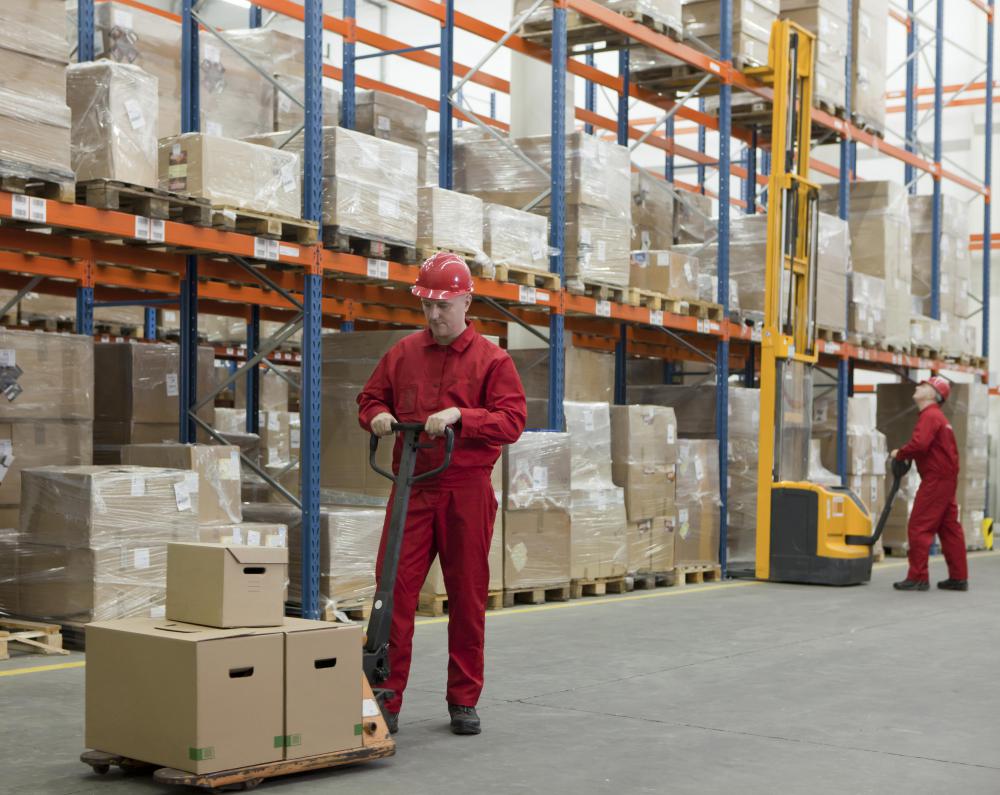
![A wholesaler most likely has a large warehouse designed for storage.]() By: endostockA wholesaler most likely has a large warehouse designed for storage.
By: endostockA wholesaler most likely has a large warehouse designed for storage.

Discussion Comments
Hi, I'm starting my own business and I plan to sell my own beauty product by myself either directly to individual consumers or retail stores
Would I be considered as a wholesaler, retailer or the manufacturer and since I'm owner of the business can I sell directly to customers at retail price or wholesale price? and how do I distinguish or rather set the prices between wholesale price and retail price. Your feedback is appreciated.
Are wholesalers actual people?
what are the concerns and types of wholesaling?
what do you mean by self-distributing retailers? Direct store delivery by manufacturers? Third party wholesalers? and the food demand chain? i really have no idea about this. please help me. thank you.
hi, i have 2 questions. There are so many wholesalers out there in the internet. i would like to know if some of them are fake wholesalers, which means they jacked up prices higher than others. do you have any tips and what to look for?
i would like to buy from a real wholesalers and i am interested in brand name clothing (children, womens, mens) or anyone who has real high quality values. which wholesalers would you recommend?
Hi, I'm starting my own business and I plan to sell my own beauty product by myself either directly to individual consumers or retail stores
Would I be considered as a wholesaler, retailer or the manufacturer and since I'm owner of the business can I sell directly to customers at retail price or wholesale price? and how do I distinguish or rather set the prices between wholesale price and retail price. Your feedback is appreciated.
Post your comments