
At TheHealthBoard, we're committed to delivering accurate, trustworthy information. Our expert-authored content is rigorously fact-checked and sourced from credible authorities. Discover how we uphold the highest standards in providing you with reliable knowledge.
What is a White Blood Cell?
 Michael Anissimov
Michael Anissimov
Michael Anissimov
White blood cells are the body’s sentries, serving as the backbone of the immune system. White cells are found throughout the body, in both the blood and the lymphatic system. These blood cells have a density of about 4-11 billion per liter of blood. The scientific name for a white blood cell is leukocyte, simply meaning “white cell.”
White blood cells get their name from their color – white. This color was first discovered when blood was put into high-speed centrifuges and separated into its components. In healthy individuals, white cells make up about 1% of the blood. In sick individuals, this percentage increases substantially. The ratio of white cells in the blood can be used to diagnose illness.

There are several different types of white blood cells, all with subtly varying functions. Some of the most common are neutrophils (65%), lymphocytes (25%), monocytes (6%), eosinophils (4%), and basophils (1%). White cells originate from stem cells in bone marrow. Scientists are working on ways to use stem cells to mass-produce white blood cells at will, which could be used for immune-boosting therapies.

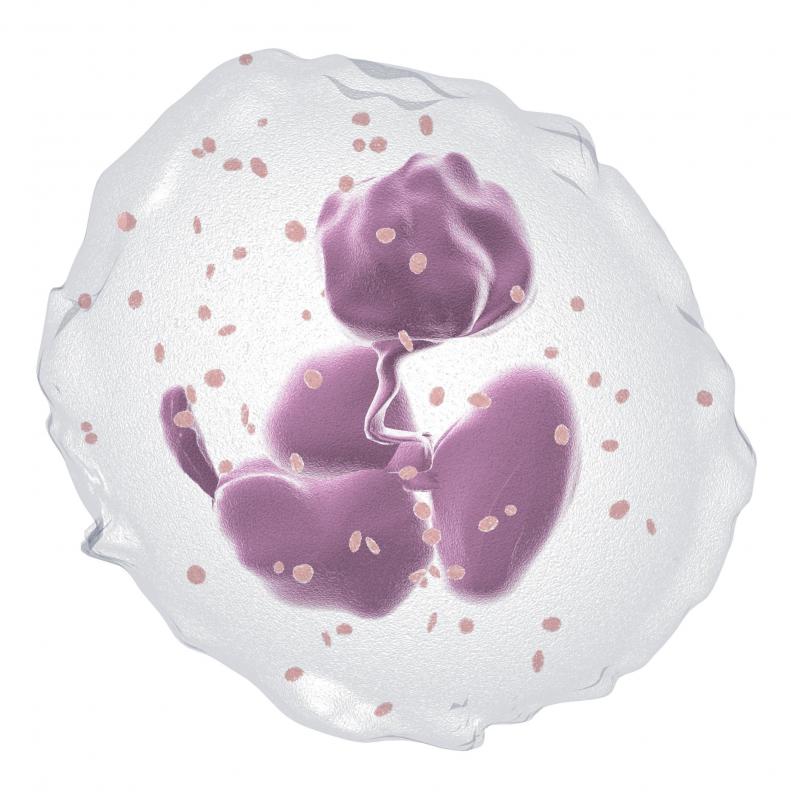
Neutrophils are the most common and the first line of defense against bacterial and fungal infections. Pus consists of large numbers of dead neutrophils. Neutrophils, like most white cells, engage in phagocytosis, that is, the consumption and digestion of bacteria or other foreign materials. Neutrophils can detect if a cell is part of the body or foreign by checking the molecules on its surface. Neutrophils function as suicide bombers – they cannot replenish the lysosomes used to digest microbes, so after killing a few bacteria or fungi, they simply die.

Lymphocytes are the second most common type of white blood cell. There are a variety of different lymphocytes. Their functions include the production of antibodies — protein tags that help the body identify invaders — immune system coordination, and destruction of body cells which have become contaminated with foreign material.
Michael Anissimov
Michael is a longtime TheHealthBoard contributor who specializes in topics relating to paleontology, physics, biology, astronomy, chemistry, and futurism. In addition to being an avid blogger, Michael is particularly passionate about stem cell research, regenerative medicine, and life extension therapies. He has also worked for the Methuselah Foundation, the Singularity Institute for Artificial Intelligence, and the Lifeboat Foundation.
Learn more...
Michael Anissimov
Michael is a longtime TheHealthBoard contributor who specializes in topics relating to paleontology, physics, biology, astronomy, chemistry, and futurism. In addition to being an avid blogger, Michael is particularly passionate about stem cell research, regenerative medicine, and life extension therapies. He has also worked for the Methuselah Foundation, the Singularity Institute for Artificial Intelligence, and the Lifeboat Foundation.
Learn more...AS FEATURED ON:
AS FEATURED ON:


-
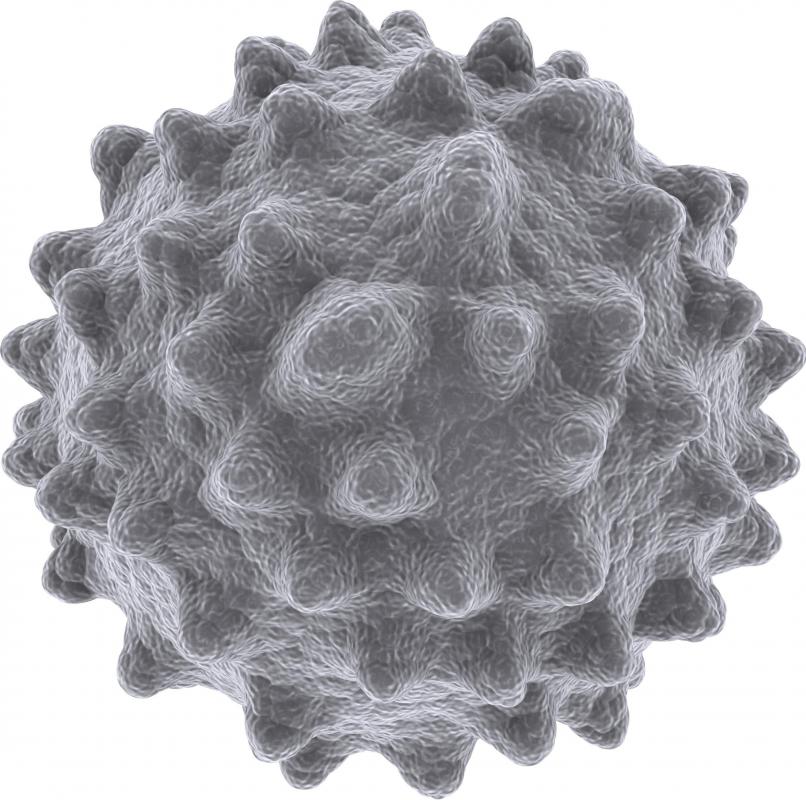
![A white blood cell.]() By: Inside Vision LabA white blood cell.
By: Inside Vision LabA white blood cell. -
![A neutrophil, the most common type of white blood cell.]() By: tandelA neutrophil, the most common type of white blood cell.
By: tandelA neutrophil, the most common type of white blood cell. -
![Red blood cells, which exist alongside white blood cells.]() By: Monika 3 Steps AheadRed blood cells, which exist alongside white blood cells.
By: Monika 3 Steps AheadRed blood cells, which exist alongside white blood cells. -
![A diagram showing different types of white blood cells.]() By: apple1A diagram showing different types of white blood cells.
By: apple1A diagram showing different types of white blood cells. -
![Pouches of blood.]() By: ksena32@ukrpost.uaPouches of blood.
By: ksena32@ukrpost.uaPouches of blood. -
![Blood, including white blood cells.]() By: apple1Blood, including white blood cells.
By: apple1Blood, including white blood cells.


Discussion Comments
Can you name the parts?
What is the scientific reason for abnormal white blood cells?
my wbc is only 3.6. am i in danger?
@ameraus, either low or high white blood cell count could be caused by any number of conditions, including a nutrient deficiency or another illness that affects immunity. I would imagine she needs to get other tests to determine the cause.
If you want to think about things like white blood cells in a more fun light, there are stuffed toys called Giant Microbes that make great toys for anyone. I got some at thinkgeek.com, but I think you can buy them other places too. They have ones like the white blood cells, which are adorable, but also many different disease microbes. I have both the white blood cell and the mononucleosis, and they're so cute. They can be great for getting kids interested in science, especially biology.
My wife has just been told that her white blood count is slightly high and am wondering if her having MS could cause this?? Or what other reasons could cause this?
Post your comments