
At AllThingsNature, we're committed to delivering accurate, trustworthy information. Our expert-authored content is rigorously fact-checked and sourced from credible authorities. Discover how we uphold the highest standards in providing you with reliable knowledge.
What is a Water Table?
 Mary McMahon
Mary McMahon
Mary McMahon
The Earth's crust can be divided into two main zones: the unsaturated zone, which contains some water but has room for more, and the phreatic zone, in which all rocks and soil are completely surrounded and filled with water. The water table is the point between the two zones at which the ground becomes completely saturated. It forms the upper limit of deposits of groundwater, and can go up and down based on a number of factors. People often access it with wells, since there is over 20 times more freshwater underground than on the Earth's surface.
Shape and Location

People often think of the water table as a flat line that divides the two underground zones, but this isn’t the case. It generally fluctuates within the landscape, going closer to the surface in some places and getting deeper in others. The shape can also be determined by the surrounding rock or by human activity. For example, a large chunk of impermeable rock could divert it and make it higher or lower, or humans could trigger a collapse of rock and soil when accessing a usable groundwater deposit, called an aquifer, changing its shape.
Development

A number of factors contribute to the formation of the water table. Every time it rains, for example, water trickles down through layers of soil, raising its level. Runoff from lakes, rivers, and streams also contributes, as does melted snow. The rock around the water table has to be porous so that it can be saturated with water. Impermeable rock, like granite or basalt, cannot collect water, although aquifers are often surrounded by deposits of impermeable rock which keep the water trapped inside. If an aquifer is completely surrounded by a shell of impermeable rock, it can become pressurized, in which case it will shoot to the Earth's surface if tapped with a well.
Gaining Access

It's usually necessary to dig pumping wells to reach the water table and pull water to the surface. The location of a well is important, since it must be situated in a location where the table is close to the surface and underground deposits are present. In some cases, a sharp change in geography can make the top of the soil coincide with the water line, which makes a natural spring.
Factors Affecting Water Levels
The level of a water table can fluctuate considerably, depending upon environmental conditions like seasonal dryness and tidal changes, as well as human use. A dry spell, for example, can cause it to drop significantly. In some places, seasonal fluctuations are common enough to be predicted with some degree of accuracy. The water level near oceans sometimes changes daily along with the tides, getting higher during high tide and lower as the tide goes out.
Humans sometimes change water levels intentionally, usually for industrial purposes. For instance, if there is a deposit of ore below the water table, a mining company might install wells or pumps to remove the water to get to the ore. After the project is complete, the water is usually allowed to flow back into the area, raising the level again.
Threats
The main threats to the water table come from pollution and overuse. Though it takes a long time for pollutants to filter down, it's very difficult to remove them once they're there. Common pollutants include runoff from manufacturing plants and large-scale agricultural projects, leaking sewage pipes, and leaching from landfills. Another common problem is excessive use of water, such as when a population increases suddenly, demanding more water than was used previously. This type of depletion is especially common in areas where water is used for industrial production.
Frequently Asked Questions
What exactly is a water table?
The water table is the boundary between the unsaturated zone and the saturated zone underground, where the soil and rock are completely filled with water. It's essentially the surface where the groundwater pressure is equal to atmospheric pressure, and it can rise or fall depending on various factors like rainfall or extraction.
How does the water table affect wells?
Wells are dug to reach below the water table to access groundwater for consumption. When the water table is high, wells are easily replenished, ensuring a steady supply. However, if the water table drops due to overuse or drought, wells can run dry, necessitating deeper drilling or alternative water sources.
Can the water table change over time?
Yes, the water table can fluctuate seasonally or due to long-term climate patterns. Heavy rains can cause it to rise, while extended dry periods can lower it. Human activities, such as extensive groundwater pumping for agriculture, can also significantly alter the water table over time, sometimes leading to issues like land subsidence.
What is the relationship between the water table and lakes or rivers?
Lakes and rivers often have a direct connection to the water table. A lake might be fed by groundwater if its bed is below the water table, and conversely, it can recharge groundwater when the water table is lower. Rivers can either gain water from a high water table or lose it when the water table is below the riverbed.
How is the water table mapped or measured?
Hydrogeologists map the water table by measuring the water levels in a network of wells and using these measurements to create a contour map that shows the elevation of the water table across an area. This mapping is crucial for managing water resources and predicting the effects of droughts or floods.
What impact does urban development have on the water table?
Urban development can significantly impact the water table. Impermeable surfaces like roads and buildings reduce the ground's ability to absorb rainwater, leading to lower recharge rates. Additionally, the increased use of groundwater for municipal supplies can draw down the water table, sometimes resulting in the need for stricter water management practices.
Mary McMahon
Ever since she began contributing to the site several years ago, Mary has embraced the exciting challenge of being a AllThingsNature researcher and writer. Mary has a liberal arts degree from Goddard College and spends her free time reading, cooking, and exploring the great outdoors.
Learn more...
Mary McMahon
Ever since she began contributing to the site several years ago, Mary has embraced the exciting challenge of being a AllThingsNature researcher and writer. Mary has a liberal arts degree from Goddard College and spends her free time reading, cooking, and exploring the great outdoors.
Learn more...AS FEATURED ON:
AS FEATURED ON:









-
![A dry spell can cause the water table to drop significantly.]() By: kentaurosA dry spell can cause the water table to drop significantly.
By: kentaurosA dry spell can cause the water table to drop significantly. -
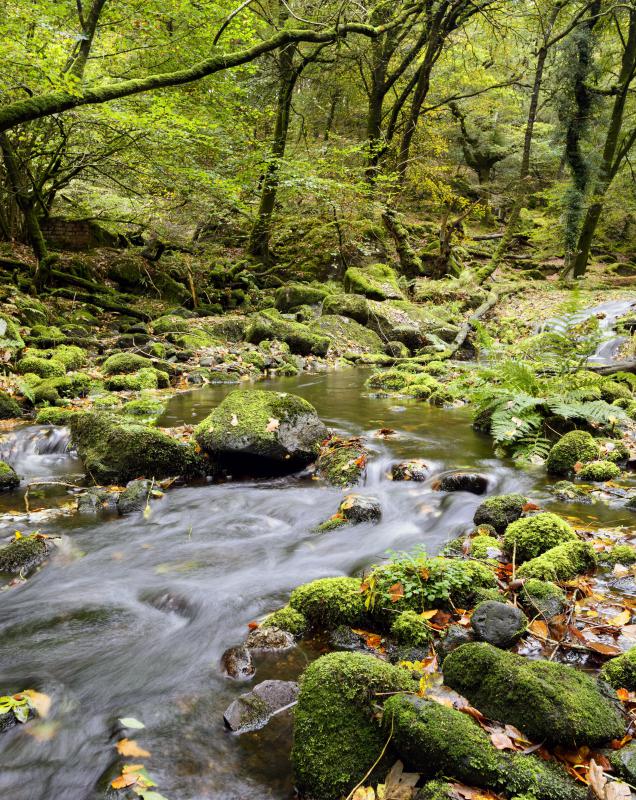
![Runoff from lakes, rivers, and streams contribute to the water table.]() By: Helen HotsonRunoff from lakes, rivers, and streams contribute to the water table.
By: Helen HotsonRunoff from lakes, rivers, and streams contribute to the water table. -
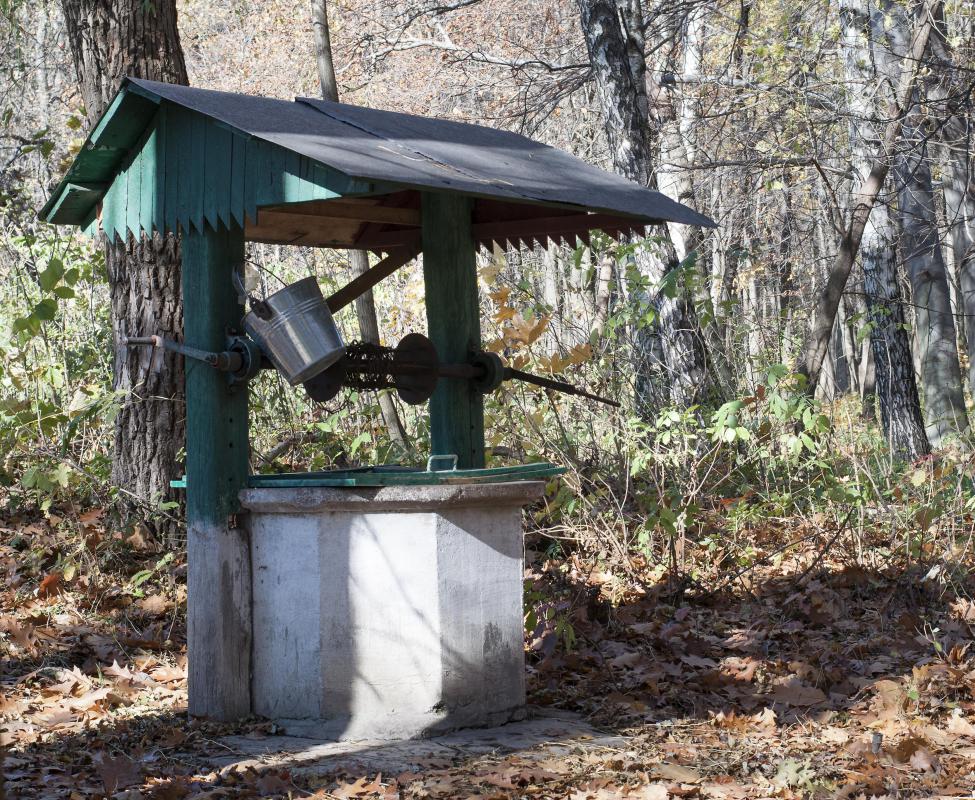
![Wells must be deep enough to reach the water table.]() By: mylisaWells must be deep enough to reach the water table.
By: mylisaWells must be deep enough to reach the water table.

Discussion Comments
Back in 1993 I dug a hole down to the water table three feet to the water then another foot. I installed a 4 inch vertical pipe, took a plastic bottle and attached a 1/2 inch PVC pipe on the bottle as a float. I marked where the water table was and over 20 years later, the water table about the same. When it rains, the water table is up but over time it goes back down. I live about one mile from the ocean and not am concerned at this time about the sea rising.
The water table is so important to us.
@ Mentirosa- Just to put in perspective how little of the earths water is fresh water I would like to break down the ratios of salt water, frozen water, ground water, and surface water on the planet.
*Salt water- 97.5 percent of all water on the planet is salt water.
*Frozen Water- Another 1.85 percent of all water on the planet is frozen in glaciers, icebergs, and snow.
*Groundwater- Groundwater only accounts for 0.64 percent of all water on the planet. this includes all springs, aquifers, and everything below the water table that is not saline.
*Surface Water- 0.01% of all water is surface water. This includes water in lakes, rivers, and the atmosphere.
This illustrates your point about how important the water table is. This information came from notes that I took in my college geology class.@ Mentirosa- Just to put in perspective how little of the earth’s water is fresh water, I would like to break down the ratios of salt water, frozen water, ground water, and surface water within the earth’s hydrologic cycle.
*Salt water- 97.5 percent of all water on the planet is salt water.
*Frozen Water- Another 1.85 percent of all water on the planet is frozen in glaciers, icebergs, and snow.
*Groundwater- Groundwater only accounts for 0.64 percent of all water on the planet. This includes all springs, aquifers, and everything below the water table that is not saline.
*Surface Water- 0.01% of all water is surface water. This includes water in lakes, rivers, and the atmosphere.
This illustrates your point about how important the water table is. This information came from notes that I took in my college geology class.
The water table is so important particularly on the farms. In the mid western United States, where there are many farms, the farmers have to drill for water to supply their household and farm needs.
The farms are large and scattered, so the possibility of having water supplied to the farm by a water department would be very expensive. Every farm digs and has to find their own water and water supply.
Post your comments