
At DelightedCooking, we're committed to delivering accurate, trustworthy information. Our expert-authored content is rigorously fact-checked and sourced from credible authorities. Discover how we uphold the highest standards in providing you with reliable knowledge.
What is a Timbale?
 Mary McMahon
Mary McMahon
Mary McMahon
In cooking, a timbale can refer both to a type of baking dish and to a type of food, usually prepared in and sometimes served from the baking dish of the same name. The baking dish tends to be round and shallow, and is well designed for cooking a variety of foods, including the eggy souffle called a timbale. Timbale can be made with a variety of ingredients, although the classic dish usually includes spinach, mushrooms, onions, and breadcrumbs. Some countries use the word to refer to a layered dish incorporating multiple ingredients, which can lead to confusion when reading a menu. If a diner is uncertain, he or she should ask the waitstaff so that there is no a surprise.
Timbale is often prepared in individual ramekins so that all diners can have an individual one to eat. It is usually served with a wedge of lemon, because the acidic citrus enhances the natural flavor. Julia Child published a popular spinach and mushroom version that is popular in many parts of the Western world, since it is quick and easy to make, as well as tasty.

This dish is much hardier than souffle, and is often likened to a crustless quiche, because it is less likely to fall after being removed from the oven. A timbale is different from souffle in several ways; to begin with, the eggs are not separated, but beaten together. Timbale also incorporates breadcrumbs for body, and frequently uses milk rather than cream. It is made with a variety of cheeses.

Common inclusions in timbale include ham or other meats, along with vegetables. It can make a hearty meal or an excellent accompanying side dish, and is also delicious when served cold. Like all egg dishes, it should be cooked thoroughly before being served and should be stored under appropriate refrigeration to prevent contamination. Timbale is usually cooked in a tray of water, because the steam helps the custard to set.

Timbale dishes are made from a variety of materials, including enameled metal and ceramic. They are designed to be partially submerged in water during cooking, and are usually capable of standing up to extreme temperatures, since they are used in the oven. They come in a wide variety of shapes, although round dishes are most common. Most are attractive enough to be brought directly to the table for service, although many timbales are unmolded and plated so that they can be dressed with a creamy sauce.
Mary McMahon
Ever since she began contributing to the site several years ago, Mary has embraced the exciting challenge of being a DelightedCooking researcher and writer. Mary has a liberal arts degree from Goddard College and spends her free time reading, cooking, and exploring the great outdoors.
Learn more...
Mary McMahon
Ever since she began contributing to the site several years ago, Mary has embraced the exciting challenge of being a DelightedCooking researcher and writer. Mary has a liberal arts degree from Goddard College and spends her free time reading, cooking, and exploring the great outdoors.
Learn more...AS FEATURED ON:
AS FEATURED ON:


-
![Mushrooms are typically included in a timbale.]() By: mbongoMushrooms are typically included in a timbale.
By: mbongoMushrooms are typically included in a timbale. -
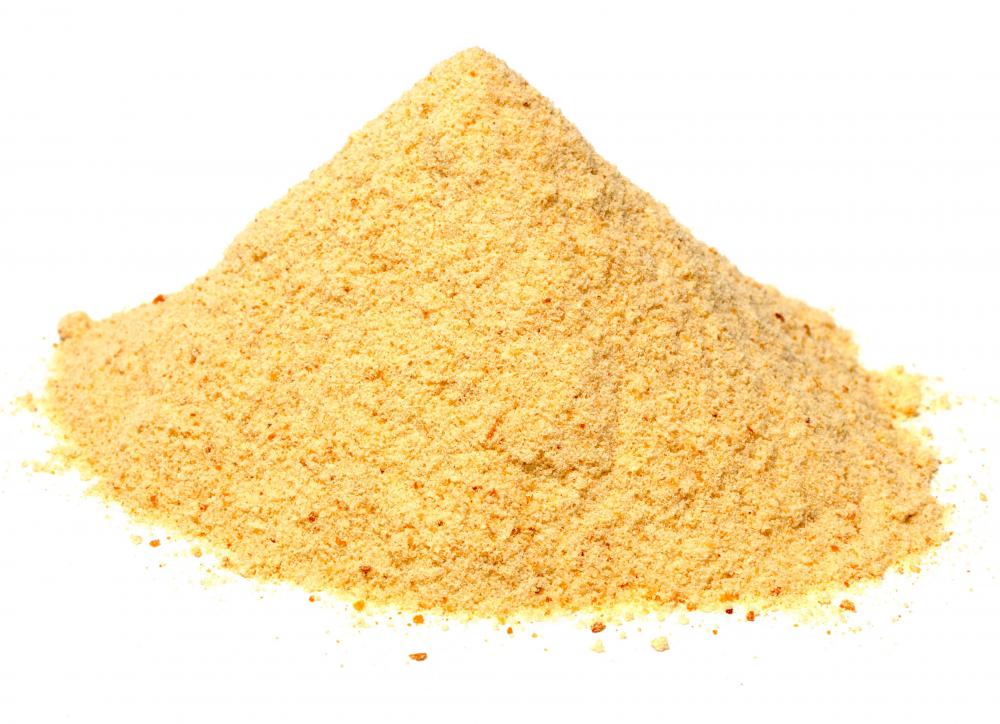
![The food variety of timbale typically includes breadcrumbs as one of its ingredients.]() By: VidadyThe food variety of timbale typically includes breadcrumbs as one of its ingredients.
By: VidadyThe food variety of timbale typically includes breadcrumbs as one of its ingredients. -
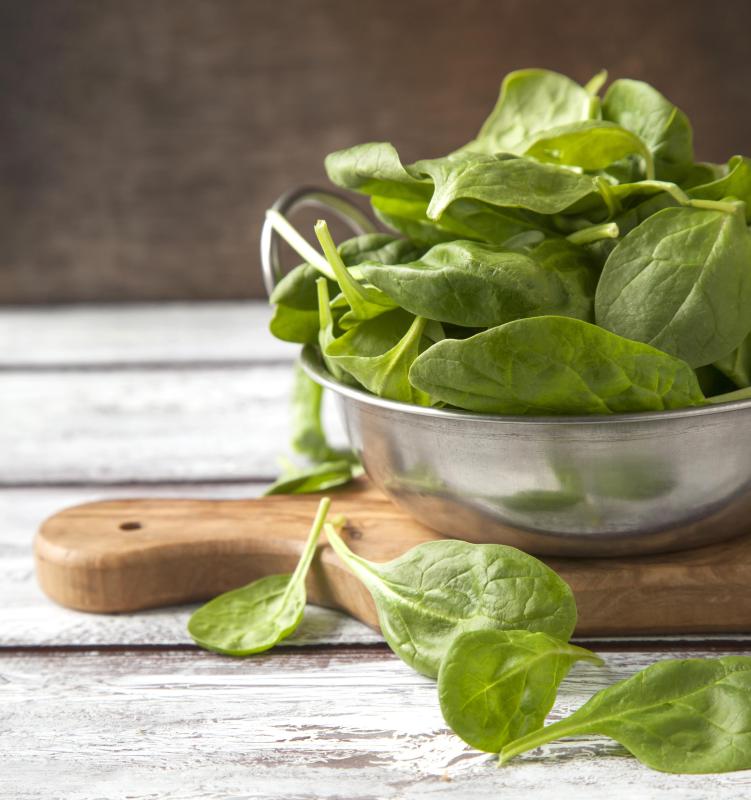
![The classic version of timbale often includes spinach as one of its ingredients.]() By: anjelagrThe classic version of timbale often includes spinach as one of its ingredients.
By: anjelagrThe classic version of timbale often includes spinach as one of its ingredients. -
![Because eggs are used to make timbale, the dish should be cooked thoroughly.]() By: andriigorulkoBecause eggs are used to make timbale, the dish should be cooked thoroughly.
By: andriigorulkoBecause eggs are used to make timbale, the dish should be cooked thoroughly.


Discussion Comments
I love timbales because they taste good at any time of the day. They are one of those dishes that can honestly be served for breakfast, lunch, brunch or dinner (or a late night snack if you like). They are also so easy to make and quick to cook that you can whip them up on almost a moments notice.
I have a set of timable dishes and I use them for all sorts of things besides their namesake dish. I have made miniature souffles using these dishes that turned out fantastic. I have also used them to make layered desserts using things like pudding and fresh fruit. I also like to use my timbale dishes as serving dishes when I am trying to go for a classier presentation. Even if you fill them with something simple like green peas, they make a basic home meal seem like something closer to a restaurant.
I have a very old and well stained photocopy of Julia Child's timbale recipe and I absolutely love it. It is so simple but so delicious. It almost seems like magic the way the simple ingredients come together to create something that is greater than the sum of their parts.
I have had other timbale but I think the Julia Child recipe is the best. In this, like in so many other things, Mrs Child had impeccable taste and her version has come to define the recipe
Post your comments