
At TheHealthBoard, we're committed to delivering accurate, trustworthy information. Our expert-authored content is rigorously fact-checked and sourced from credible authorities. Discover how we uphold the highest standards in providing you with reliable knowledge.
What is a Talonavicular Joint?
The talonavicular joint is one of the joints that makes up the human ankle, and it plays a big role when it comes to allowing the foot and lower leg to articulate. Three separate joints at the back of the foot together make what people think of as the ankle joint; orthopedically speaking, the "ankle" is technically the first of these joints, located at the junction between the tibia, fibula, and talus bone. The talonavicular joint is the lowest of the three ankle joints, spanning to the mid-foot. Each person generally has two — one on each foot. The joints' main role is to provide support to the foot and to allow flexibility when doing things like walking or running. People don’t usually think about these joints until they get inflamed or otherwise cause pain. Joint disorders like arthritis are common in this part of the foot, and problems can also come as the result of injury or use-related strain. In most cases joint problems can be resolved with a combination of rest, medication, and physical therapy, though surgery is required in some of the most severe cases.
Location and Basics

At this part of the ankle, located on the inside of the middle foot, the talus and navicular bones meet up or join. Describing what exactly the joint is can be difficult outside of a strictly biological context, but in simple terms it’s the space between where the bones meet that allows for bending and movement. There are many different joints in the foot, and most — the talonavicular included — are coated with ligaments and cartilage to lubricate the bones and prevent friction. This joint neighbors two additional structures, the calcaneocuboid and the subtalar joints.
Main Function

This joint has a couple of important jobs, but its primary role is usually to work alongside the other joints of the ankle and food to provide stability across the midfoot and to allow the foot and ankle to flex during walking and other physical activities. The series of small articulations in the ankle and foot make it one of the most complex areas of the human skeleton, rivaled only by the hands in terms of the number of involved bones, the intricacy of the joints, and the need for precise coordination.
Joint Problems and Disorders

As people age, arthritis in this joint is very common, especially if someone has a history of athleticism or hard physical labor. Arthritis may manifest initially as a feeling of pain, soreness, and tenderness in the midfoot. The patient may notice that the area around the talonavicular joint feels hot and the surrounding tissue can swell, which may make shoes uncomfortable. It is also possible to break this area of the foot with crush injuries or severe falls.
Treatment Options and Prognosis

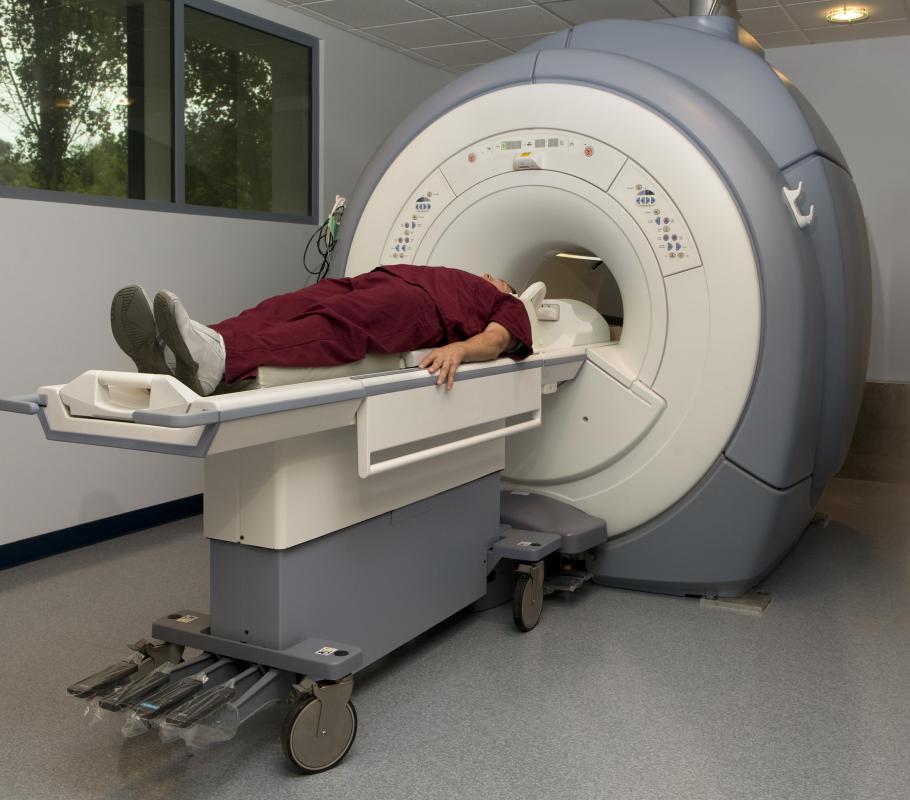
Treatment of a talonavicular joint disorder usually starts with a physical examination and X-ray. The doctor or other healthcare provider may order additional imaging, such as an MRI study, if there are concerns about hairline fractures or other injuries that may be difficult to detect on an X-ray or other scan. Slides may show a break or the tell-tale signs of inflammation such as swelling or joint pressure. In severe arthritis, inflammation can cause bone spurs to develop along the bones of the ankle, and these may exacerbate the pain and soreness. Spurs are jagged edges that can irritate cartilage and cause painful friction during movement.

Conservative treatment can include anti-inflammatory medications, rest, and hot or cold compresses. If these measures do not work, the doctor may recommend a brace or walking boot to stabilize the joint and give it a chance to recover, and consultation with a trained physical therapist is often recommended, too. Surgery may be necessary in serious talonavicular injuries. A surgeon can pin the bones of the joint if necessary in addition to trimming away any bone spurs. It may also be possible to perform a minimally invasive procedure through small incisions around the ankle joint to limit the risk of complications and speed the patient's healing time.
AS FEATURED ON:
AS FEATURED ON:


-
![The talonavicular joint is one of three ankle joints.]() By: MASTThe talonavicular joint is one of three ankle joints.
By: MASTThe talonavicular joint is one of three ankle joints. -
![An injury to the talonavicular joint may require wearing an ankle brace to stabilize the joint and give it a chance to recover.]() By: Kamil ÄwiklewskiAn injury to the talonavicular joint may require wearing an ankle brace to stabilize the joint and give it a chance to recover.
By: Kamil ÄwiklewskiAn injury to the talonavicular joint may require wearing an ankle brace to stabilize the joint and give it a chance to recover. -
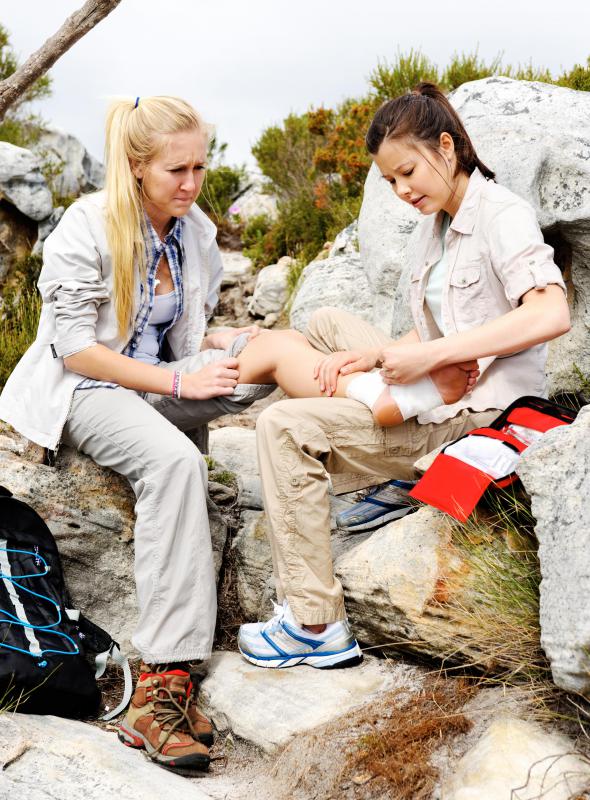
![In most cases, talonavicular joint issues can be resolved with a combination of rest and physical therapy.]() By: alfpokIn most cases, talonavicular joint issues can be resolved with a combination of rest and physical therapy.
By: alfpokIn most cases, talonavicular joint issues can be resolved with a combination of rest and physical therapy. -
![The talonavicular is most commonly injured in a fall or car accident.]() By: Warren GoldswainThe talonavicular is most commonly injured in a fall or car accident.
By: Warren GoldswainThe talonavicular is most commonly injured in a fall or car accident. -
![An MRI may be performed to diagnose talonavicular joint problems.]() By: James SteidlAn MRI may be performed to diagnose talonavicular joint problems.
By: James SteidlAn MRI may be performed to diagnose talonavicular joint problems. -
![A talonavicular fracture can severely limit mobility until it is fully healed, especially in older adults.]() By: Fotoluminate LLCA talonavicular fracture can severely limit mobility until it is fully healed, especially in older adults.
By: Fotoluminate LLCA talonavicular fracture can severely limit mobility until it is fully healed, especially in older adults. -
![An X-ray of the ankle may be performed if a fracture of the talonavicular joint is suspected.]() By: Maria SbytovaAn X-ray of the ankle may be performed if a fracture of the talonavicular joint is suspected.
By: Maria SbytovaAn X-ray of the ankle may be performed if a fracture of the talonavicular joint is suspected.




Discussion Comments
I had fusion surgery on my talonavicular joint two days ago, after about 5 years of pain and trying to live with it. I was to the point where I couldn't walk without crutches. I'll let you all know how it feels in a couple months.
Dear anon938050, Thank you for your post! I was an elite runner, who has worn out cartilage in the part of the talus articulating with the navicular. I have had constant medial ankle pain since April and have tried so many conservative forms of treatment. It's nice to hear that you are still able to run with the fusion. I would love to discuss this further with you, if you are interested. Best, Katie
I had osteoarthritis in my talonavicular joint. It was super painful. I am an elite level mountain-ultra runner. I tried everything, and finally, the only option was fusion. I was told I'd never run well again, and never more than six miles.
I have to say, I am no longer an elite level runner, and 100 mile races are out. But I run 10-20 miles every day and still race. I love that I have no pain. It is harder to run. There is no toe-off. You have to relearn a running form. But it can work!
I have just been diagnosed with severe degeneration of the 'talonavicular.' I've had chronic pain for years, sometimes good, other times not. This area of my foot has been diagnosed as 30 years older than the rest of body! I'm fine in other ways, but the doctor said I have to suffer it until it gets too painful, then I would need an operation to solder my foot together, which would leave me partially disabled! There must be other options!
After five years of try this, try that, I'm going to have a fusion done next week. I just hope that I'm going to be able to stop taking painkillers now.
Pain in the talonavicular joint can sometimes be relieved by custom orthotics - prescribed by a podiatrist and fitted by a prosthetician - that have a built-up medial arch and deep heel cup.
The built-up medial arch relieves up-down stress on the joint, and the deep heel cup stabilizes the peroneal ligaments to reduce side-to-side stress. See a good podiatrist.
With severe pain, try upper-body, hip, and thigh workouts only (best in a well-equipped gym), followed by stretching the lower legs and feet while sitting flat; this reduces inflammation in the talonavicular joint without subjecting it to potential further injury from a workout that includes the feet and lower legs. Taping the ankle joints can help as well.
I plan to run a marathon but have talonavicular arthritis in my left foot. It hurts somed ays and not others. I am prescribed diclofenac which helps, but are there any other hints tips to help me beat this pain?
I was just looking at some charts of the anatomy of the feet. There is an unbelievable number of bones, joints, muscles, and ligaments. It's amazing how complex the feet are. But, then it has a big job to do. Those two little feet have to hold up the whole body when we stand or move.
They have to balance us and be able to turn and stop quickly. Many older people get arthritis of the talonavicular joint, one of the ankle joints. It can cause a lot of problems. The ankle bone can get little outgrowths. They hurt and wearing shoes can be torture. I know this for a fact. I need to talk to a doctor about arthritis in my ankle. It's getting pretty painful.
In the process of human evolution, feet had to do an incredible amount of evolving before the human species could get up on their two feet and walk, run,jump and do all the things we do with our feet. Developing our ability to walk must have been a long evolutionary process.
And now our feet aren't serving us very well. And it's mostly our fault. Women wear those high heel shoes, that pinch the toes and put feet into strange contortions.
Our ancestors walked on soft surfaces. Our feet weren't meant to walk on hard surfaces, like cement. Fortunately, companies are making good shoes now, so our feet are better protected.
But, we still hear all the time, "oh, my aching feet." I'm one of those with pain in my feet.
Post your comments