
At SmartCapitalMind, we're committed to delivering accurate, trustworthy information. Our expert-authored content is rigorously fact-checked and sourced from credible authorities. Discover how we uphold the highest standards in providing you with reliable knowledge.
What is a Sweatshop?
 Mary McMahon
Mary McMahon
Mary McMahon
A sweatshop is a manufacturing facility characterized by poor working conditions, violations of labor law, long hours, and low wages. The term originated in 1892, when concerned individuals began to speak up about the unsafe working conditions for American garment workers. Today, sweatshops can be found all over the world, although they are an especially big problem in developing nations. In some countries, consumers have lobbied major companies to reduce their reliance on this type of labor in an attempt to promote healthy working conditions for laborers in the third world.
Labor violations can take a number of forms. A sweatshop may be clean and well lit, for example, but it could still employ child laborers, or force employees to work long hours. Sweatshops can also be extremely dangerous for their employees; workers can be exposed to toxic substances or heavy machinery without adequate protection, for example.

A number of conditions promote the proliferation of these facilities. The first is the tendency of major producers in the first world to contract their work out to nations with less demanding labor laws. Many countries have left labor laws lax to encourage foreign trade, in the hopes of improving their economies and general standard of living. In nations where sweatshops do violate labor laws, labor inspectors may not be able to visit manufacturing facilities very frequently, and in some cases, they may be bribed into looking the other way.

Sweatshops also tend to use a number of techniques to control their workers, and employees are often kept in the dark about their labor rights. In some cases, for example, a manufacturer may provide housing and food for workers, essentially keeping them on the grounds of the facility at all times, and employees may be denied access to the outside world, which includes labor advocates, family members, and law enforcement. Because the work is unskilled, a company can also dismiss employees en masse if they express concerns about their working conditions or attempt to organize.

Clothing is one of the primary exports of sweatshops, but other consumer goods, ranging from rugs to children's toys, are also produced in such places. This can be frustrating for consumers who may want to try to avoid goods produced in poor conditions; many advocacy groups maintain lists of safe companies to buy from, along with lists of companies that routinely violate labor laws and human rights. Some companies also specialize in selling products like sweatshop-free clothing, catering to the market of concerned consumers.
Mary McMahon
Ever since she began contributing to the site several years ago, Mary has embraced the exciting challenge of being a SmartCapitalMind researcher and writer. Mary has a liberal arts degree from Goddard College and spends her free time reading, cooking, and exploring the great outdoors.
Learn more...
Mary McMahon
Ever since she began contributing to the site several years ago, Mary has embraced the exciting challenge of being a SmartCapitalMind researcher and writer. Mary has a liberal arts degree from Goddard College and spends her free time reading, cooking, and exploring the great outdoors.
Learn more...AS FEATURED ON:
AS FEATURED ON:









-
![Clothing is a main export of sweatshops.]() By: xyClothing is a main export of sweatshops.
By: xyClothing is a main export of sweatshops. -
![Labor unions often try to establish themselves in workplaces they describe as sweatshops.]() By: Kheel CenterLabor unions often try to establish themselves in workplaces they describe as sweatshops.
By: Kheel CenterLabor unions often try to establish themselves in workplaces they describe as sweatshops. -
![Laborers in third world countries are more likely to work in a sweatshop.]() By: lilia_kopyevaLaborers in third world countries are more likely to work in a sweatshop.
By: lilia_kopyevaLaborers in third world countries are more likely to work in a sweatshop. -
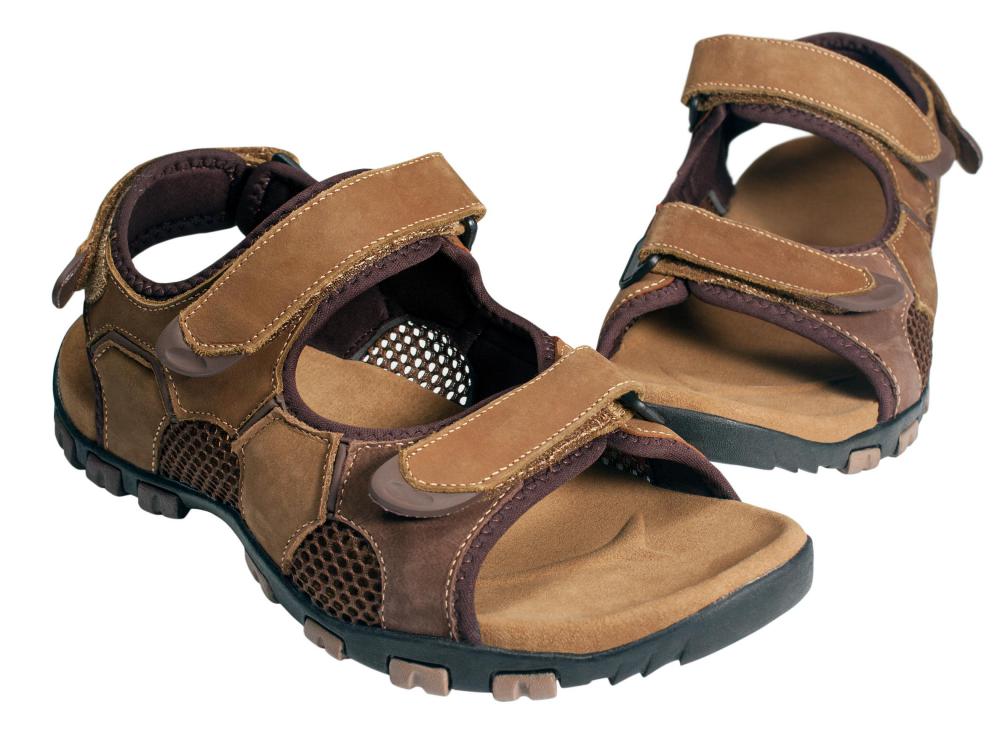
![Shoes are often manufactured in sweatshops.]() By: Alexey BelikovShoes are often manufactured in sweatshops.
By: Alexey BelikovShoes are often manufactured in sweatshops. -
![Sweatshop owners may bribe officials to continue operation without interference.]() By: MamukaSweatshop owners may bribe officials to continue operation without interference.
By: MamukaSweatshop owners may bribe officials to continue operation without interference.



Discussion Comments
It's so sad, but if we don't buy the stuff, people will lose their jobs.
But without these sweatshops, prices for clothes would skyrocket.
Sweat shops are bad places, but considering some of the alternatives, such as living on trash heaps, picking for plastic, being poor, I think that sweat shops aren't that bad.
In some countries, parents hope their kids can get a job at a place like this so they can try to get out of poverty. And if you think about it, without sweat shops and cheap labor things at Walmart would be more expensive. I think if the world got rid of these places, the world poverty rate would sky rocket. Just something to think about.
this is so sad. i have been researching this topic for a school assignment and i didn't realize how bad sweatshops were until now. i think we should avoid buying sweatshop made items but that is so hard and nearly everything is labeled 'Made in China' and you have to remember that these people would be worse off without their jobs.
what i think is sad is that these big companies like nike and mattel take advantage of such poor people. i don't see how they can be so greedy.
This is just sad. How could people do this? Hello, they're people like us. I'll try to avoid buying sweatshop made stuff.
I've heard of sweatshops before, and I knew that they had poor working conditions, but I didn't know that they could go as far as housing workers and isolating them from the outside world.
I would like to try to avoid buying products made in sweatshops, as a way to improve working conditions for people in those areas. But, I also wonder if not purchasing products that were made in sweatshops will result in all of those people losing their jobs and being even worse off.
I wish there was an easy answer, because I would like to help those people.
This whole subject makes me sad. I hate to think of the people, adults and children, who have to work under these sweatshop conditions. I try my very best to only purchase products that I know were not produced in sweatshops, but sometimes it's hard to be sure.
Thanks for helping me with my homework.
Post your comments