
At TheHealthBoard, we're committed to delivering accurate, trustworthy information. Our expert-authored content is rigorously fact-checked and sourced from credible authorities. Discover how we uphold the highest standards in providing you with reliable knowledge.
What is a Sphincter Muscle?
Sphincters are muscles that encircle certain passages and openings of the body in locations such as the eyes, stomach, anus, and bladder. These structures can be likened to rubber bands in their strength, flexibility, and capacity to stretch and contract. Wherever it is located, the function of a sphincter muscle is generally to expand or contract in response to specific stimuli, such as to regulate the passage of food or flow of a bodily secretion.
Locations and Functions

Perhaps the most well-known of these muscles is the anal sphincter. In fact, there are two of these associated with the anal canal, one inside it and one outside. They contract to keep the orifice closed, and usually only expand significantly during bowel movements. A similar system controls the flow of urine from the bladder to the urethra.
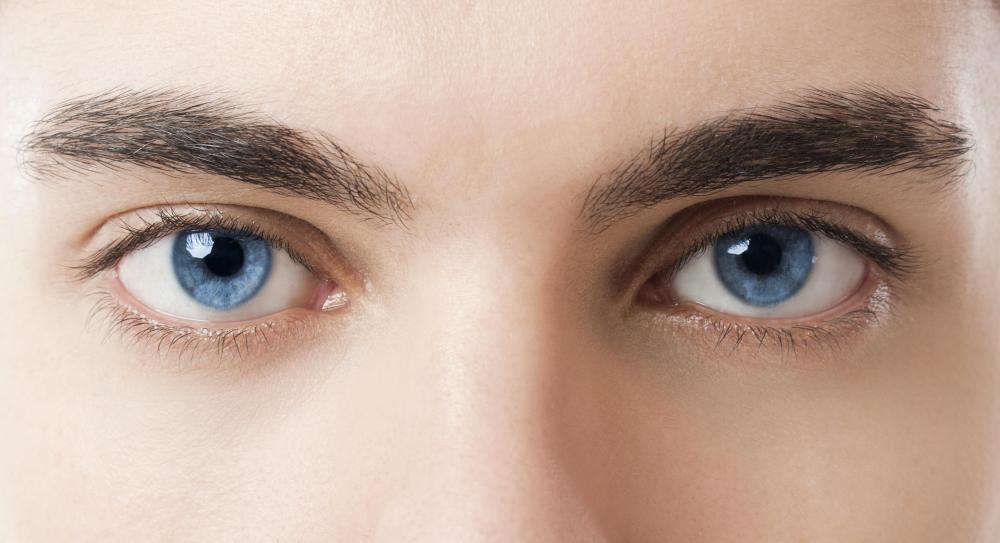
Most sphincters operate in a similar fashion, expanding and contracting as required, with one of the main differences being when and why contractions occur. In contrast to those in the anus and bladder, which move relatively infrequently, the pupillary sphincters of the eyes constantly change in response to light. When there is little light, they expand to allow more to enter the eye, and in bright conditions, they contract to prevent the eye receiving too much. This is why the pupils of the eyes visibly increase or decrease in size as a response to changes in light quality.

A single sphincter regulates pupillary movement in each eye; however, some bodily systems require several to control their operation. In the case of the cardiovascular system, a countless number may be involved, as it is believed that tiny sphincters that wrap around blood vessels help the body moderate its blood pressure. Another example is the digestive system, which, in addition to the anal sphincters, is regulated by several others, including in the esophagus, stomach, and pancreas.

The esophagus has two, one in the upper section of the throat, and one in the lower region, where it connects with the stomach. The upper structure opens when food or liquid is ingested, and then closes to prevent it passing back into the throat. The lower muscle remains closed, helping to protect the esophagus from stomach acid and bile, and opens when food or liquid needs to pass into the stomach. Another muscle called the sphincter pylori holds food inside the stomach, allowing it to enter the small intestine only once it has thoroughly mixed with gastric juices. In addition, there is the sphincter of Oddi, which helps control the flow of pancreatic bile into the duodenum of the small intestine.
How They Work

Nerve cells transmit signals from the brain telling sphincter muscles to contract or relax in response to certain stimuli. For example, when food enters the esophagus, cells signal this presence to the brain, which responds by signaling the lower esophageal muscle to open and allow the food to enter the stomach. These signals take the form of electrical impulses that travel along nerve fibers. When the signals reach sphincter muscle cells, they respond with movement that causes expansion or contraction.

Some sphincters can be consciously controlled, while others only move involuntarily. For example, those of the esophagus, stomach, and digestive tract all act involuntarily, and digestion is an automatic process. In the case of the anus, the inner muscle in the set acts involuntarily, but the outer one can be consciously controlled. Therefore, the inner sphincter ensures the anus remains closed until feces need to be expelled, while the external one can be contracted to prevent the involuntary release of waste, or pushed to help expel it.
Dysfunction and Disease
Several factors can affect the functioning of these muscles. They can weaken as a person advances in age, or as a result of disease or injury. For example, some women who have given birth experience incontinence because vaginal birth can damage the sphincters of the bladder. In some health conditions, nerves that communicate with muscles can become impaired, and this might manifest as digestive problems, or urinary or fecal incontinence.
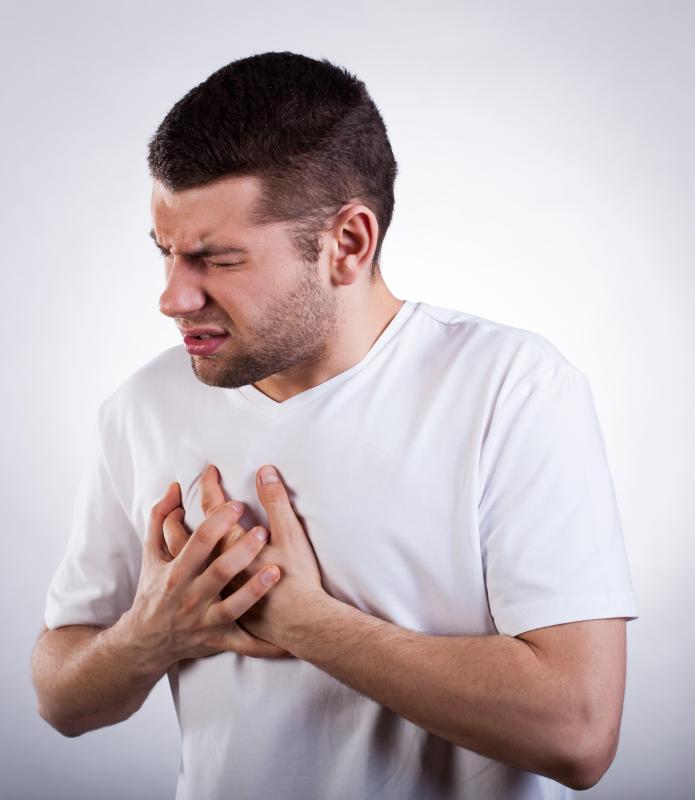
Weakening of the lower esophageal sphincter can lead to heartburn, as acidic juices from the stomach rise into the esophagus and cause the characteristic burning sensation. This condition can also progress to gastroesophageal reflux disease, or GERD. If the sphincter of Oddi isn't working correctly, gastric juices can back up in liver ducts or in the pancreas, causing symptoms such as abdominal pain, vomiting, and diarrhea. Sometimes, these problems can be alleviated with exercise, but surgery might be needed in other cases.
Treatments
Exercise is often appropriate for strengthening the urinary and anal sphincters, since these muscle sets have components that can be consciously controlled. Exercises that involve contracting and relaxing the muscles can make them stronger to improve their function and help control incontinence. Pelvic floor muscle exercises, also known as Kegel’s, are typically recommended to women who experience post-pregnancy urinary incontinence.
In some cases, specific exercises are not effective, but general exercise or weight loss can be. This is true for some people with GERD, because sometimes this condition is caused by excess weight weakening the lower esophageal sphincter. Other dysfunctions are caused by injury or congenital defects; in these situations, surgery is often required to tighten or restructure the muscle. Sometimes, the problem cannot be corrected — if it is due to paralysis, such as that caused by a spinal cord injury, there might be no effective treatment.
AS FEATURED ON:
AS FEATURED ON:


-
![Vaginal birth may damage the sphincters of the bladder.]() By: Monkey BusinessVaginal birth may damage the sphincters of the bladder.
By: Monkey BusinessVaginal birth may damage the sphincters of the bladder. -
![Weakening of the lower esophageal sphincter may cause heartburn.]() By: Photographee.euWeakening of the lower esophageal sphincter may cause heartburn.
By: Photographee.euWeakening of the lower esophageal sphincter may cause heartburn. -
![A sphincter regulates pupillary movement in each eye.]() By: ikoA sphincter regulates pupillary movement in each eye.
By: ikoA sphincter regulates pupillary movement in each eye. -
![The sphincter pylori holds food inside the stomach.]() By: stockshoppeThe sphincter pylori holds food inside the stomach.
By: stockshoppeThe sphincter pylori holds food inside the stomach. -
![GERD may cause damage to the sphincter muscle.]() By: bilderzwergGERD may cause damage to the sphincter muscle.
By: bilderzwergGERD may cause damage to the sphincter muscle.



Discussion Comments
If you have not gone to the bathroom for a bowel movement, try prune juice. Also try using your finger to help induce a bowel movement when you're on the toilet. Try in the morning or night. Whenever you take a shower, take a crap and use your finger. Trust me, you will be crapping.
Exercises for sphincter strengthening are well known. However what about something for sphincters that don't relax. This can cause urine to be retained for up to 20 hours or feces to be retained for days on end. What can be done for this problem?
@PandaGolden – There are also exercises that can be done for the sphincter muscles in the lower esophagus. These exercises help relieve the symptoms of acid reflux, also called GERD. They include progressive muscle relaxation, autogenic training, meditation, and guided imagery.
I have heard a lot about exercises for incontinence and things like this, but I was wondering if the sphincter muscles found in the urethra are the only ones that can be exercised? Are there any other muscles like this in the body that you can train?
I can imagine why someone might want to do exercises to control bladder, however I can also see why we do not often read about these exercises for bladder muscles. There are so many health problems that people like to pretend are not common, but are.
Post your comments