
At WiseGEEK, we're committed to delivering accurate, trustworthy information. Our expert-authored content is rigorously fact-checked and sourced from credible authorities. Discover how we uphold the highest standards in providing you with reliable knowledge.
What is a Soft Diet?
A soft diet is one where all the food is mashed, pureed, or placed in a sauce for easy swallowing. This type of diet is usually recommended after any type of jaw, throat, or digestive track surgery, as well as after the installation of new dental braces. The patient can eat a wide variety of food groups and types, but they must all have a soft texture.
When recovering from surgery, it is important to eat a balanced diet to obtain all the essential vitamins, minerals, and nutrients. The five main food groups are complex carbohydrates or grains, protein, dairy, oils, fruits, and vegetables. Foods from all food groups can be incorporated into this type of diet with a little effort and planning. Some foods lend themselves easily to the diet, while others present more of a challenge.

Complex carbohydrates and grains are essential to a healthy diet, providing long term energy and aiding in digestion. Cooked cereals are great soft dishes that can be easily prepared for a soft diet. Cold cereals can be left in sit in milk for 5 to 10 minutes until they are soggy. Pasta, rice, and risotto dishes can be pureed in a blender or cooked until they are very soft.

Protein requires more creativity, as these items tend to have a more complex texture. Beans can be mashed and mixed with various sauces and creams for a tasty protein source. Minced meat-based dishes such as lasagna or meatballs can be served. Canned fish or chicken is easy to prepare and serve, while broiled or baked fish fillets are also good sources of protein and tend to be lighter to digest.

Cottage cheese, yogurt, scrambled eggs, and omelets are easy to prepare and are high in both protein and dairy. On a soft diet, fruits and vegetables are the easiest food group to convert. A wide range of fruit and vegetable juices, soups, and pureed vegetables can be quickly and easily prepared.
Keeping up a healthy appetite and regaining strength after surgery requires more than just calories. Food that is appealing to look at and taste encourages the return of an appetite and increases the enjoyment of food. It is difficult to make most soft foods look appealing, but fairly simple to make it taste good. People should use quality ingredients, avoid reduced calorie food products, and remember that fats and oils contribute a great deal towards giving food a good taste. They should use full fat milk and cream to improve the richness of the food, but avoid excess oils, as these may result in upset digestion.
AS FEATURED ON:
AS FEATURED ON:









-
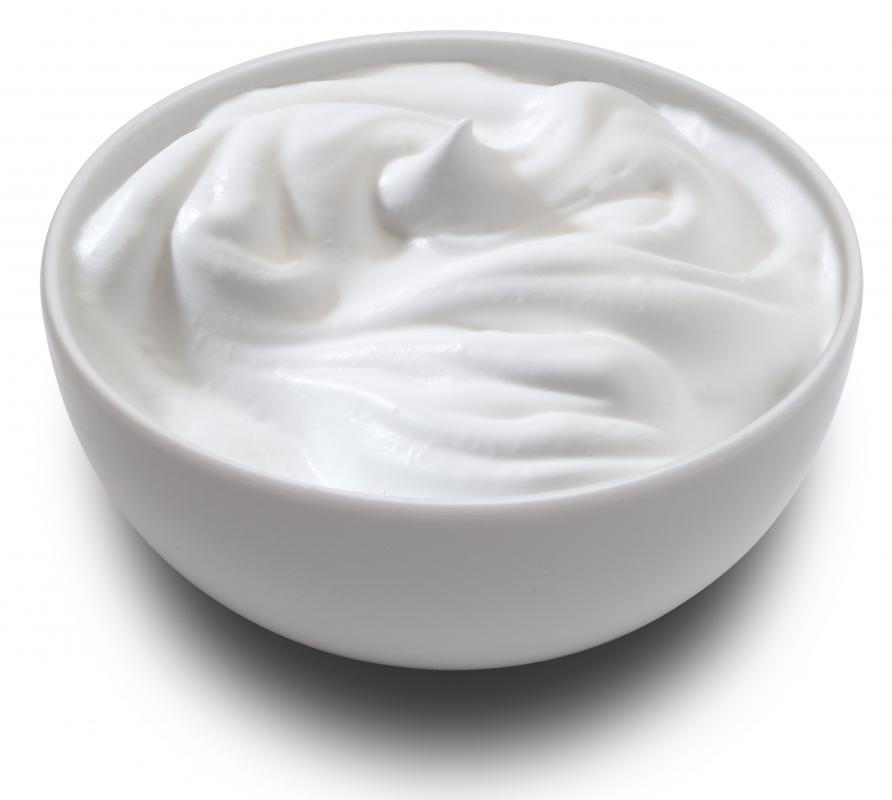
![A bowl of yogurt.]()
A bowl of yogurt. -
![Recipes with minced meat, such as lasagna, can be eaten on a soft diet.]() By: HandmadePicturesRecipes with minced meat, such as lasagna, can be eaten on a soft diet.
By: HandmadePicturesRecipes with minced meat, such as lasagna, can be eaten on a soft diet. -
![Cottage eggs and scrambled eggs are soft and high in protein.]() By: nata777_7Cottage eggs and scrambled eggs are soft and high in protein.
By: nata777_7Cottage eggs and scrambled eggs are soft and high in protein. -
![A soft diet may be necessary after the installation of new dental braces.]() By: Mat HaywardA soft diet may be necessary after the installation of new dental braces.
By: Mat HaywardA soft diet may be necessary after the installation of new dental braces.



Discussion Comments
I'm very pleased with how you mentioned the importance of still getting proper nutrition on a soft or liquid diet.
A lot of my patients think that going on a soft diet just means eating milkshakes and smoothies all the time, but that is simply unrealistic.
The reality of a soft diet is a bit more complicated. If you are looking at having to go on a soft diet for an extended period of time, I would really recommend that you contact a nutritionist beforehand to make sure that you still get all the nutrition that you need.
After the first few weeks, it can be hard to come up with more soft diet meals and recipes, so speaking with a dietitian can help you to build a good portfolio of healthy, balanced recipes.
So of course, stock up on the ice cream and fruit -- but make sure you include all the other things your body needs too.
A lot of people end up going on a soft diet after having to be on a liquid diet for a while, since switching immediately back to solid food from liquid food can cause some major intestinal distress.
A buddy of mine had actually been on a liquid diet for almost six months after a severe case of dysphagia, and I remember when he first started on the soft diet meals again, it was almost like he had to learn how to eat again.
Its really fascinating to see how quickly the human body adapts to different circumstances. When he was pretty much drinking all of his food, his body adapted to that, and after a few days of starting back on the soft diet, he was back to chewing.
Always so interesting to see what the body can do, right?
It can be a good idea to feed a bland, soft, diet to children after they've had a stomach bug. A lot of times they're already kind of worn out from throwing up, and their stomach really can't handle anything major.
When my kids get sick to their stomachs, I always keep them on the BRAT diet for at least a day afterwards. That's Bread, Rice, Applesauce, and Toast for those of you who don't know. Of course, the toast is really best to have on the third or fourth day, since its a little crunchy, but the other ones are good.
And there really are a lot of soft diet recipes online if you ever get stuck, so you can come up with a good soft diet plan for however long you may need it.
A good meal for dinner is mashed sweet potatoes, baked fish (in an aluminum foil pouch -- helps keep it moist), and boiled carrots with some honey on top. Soft and tasty!
Post your comments