
At DelightedCooking, we're committed to delivering accurate, trustworthy information. Our expert-authored content is rigorously fact-checked and sourced from credible authorities. Discover how we uphold the highest standards in providing you with reliable knowledge.
What is a Shelf Life?
 Tricia Christensen
Tricia Christensen
Tricia Christensen
Shelf life can be defined in several ways, and may be much confused by the different labels that are attached to foods like “use by,” “best by,” or “best if used by.” Generally, the term refers to the time a prepared food item will remain fresh, remain healthy to eat, and keep its freshest taste. Eating foods with expired shelf lives is definitely not recommended, since it can be an indication that food will go bad after a certain time.
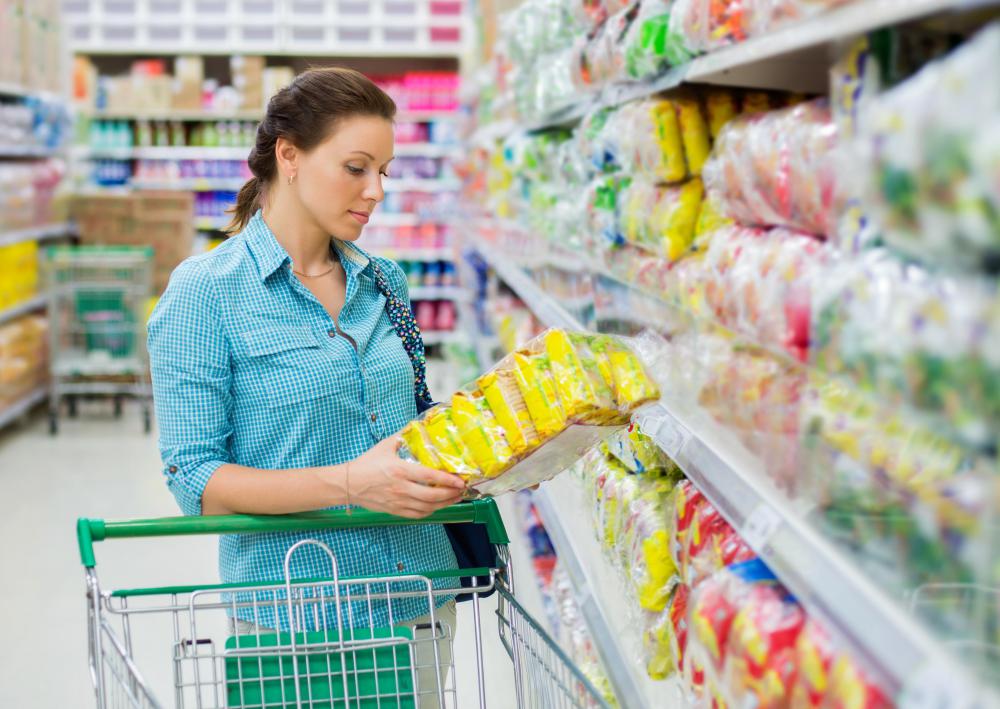
Confusion about shelf life can be attributed to the recent label on many foods in grocery stores that recommend a food is “best by” a certain date. This means the store or the manufacturer guarantees the food should still taste its freshest if the food is consumed before the date, but does not always mean that the food is bad after this point. In fact, manufacturers tend to want to undershoot the mark of safe food expiration dates so that people don’t get food that is stale or just simply doesn’t taste fresh.

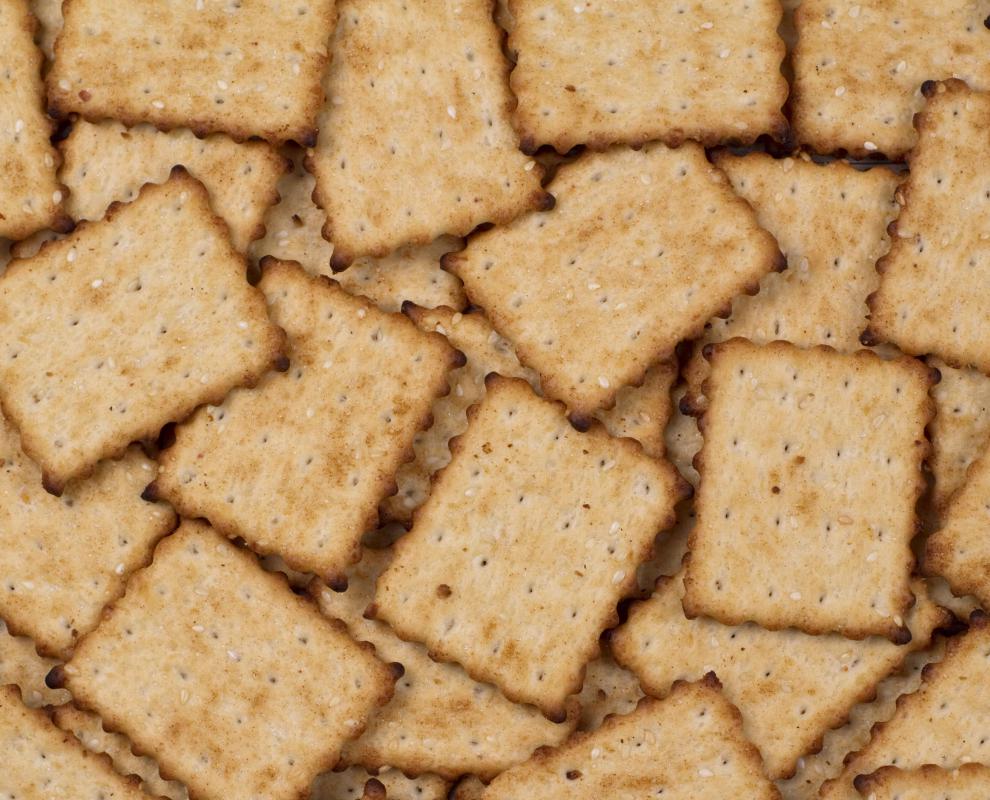
For instance, stale bread, provided it isn’t moldy, may be safe to consume. Anyone who has ever opened a package of graham crackers knows that an open package means the crackers will be soft within a few hours. This doesn’t mean they’re unsafe, and they haven’t exceeded their shelf life. It just means they’ve quickly gone stale when exposed to air. People should take "use by" labels more seriously, since these mean the food may potentially be unsafe to eat after the date specified.

Some people are concerned when certain foods have a long “life” on the shelf, since this may indicate a high amount of preservatives in the food. Preservatives do tend to extend food’s ability to last, but some may be quite natural and safe to consume. Most people make jokes about how long foods like Twinkies® last, but in actuality, these snack cakes won’t last forever on a shelf. Like all foods, they do go bad past a certain date.

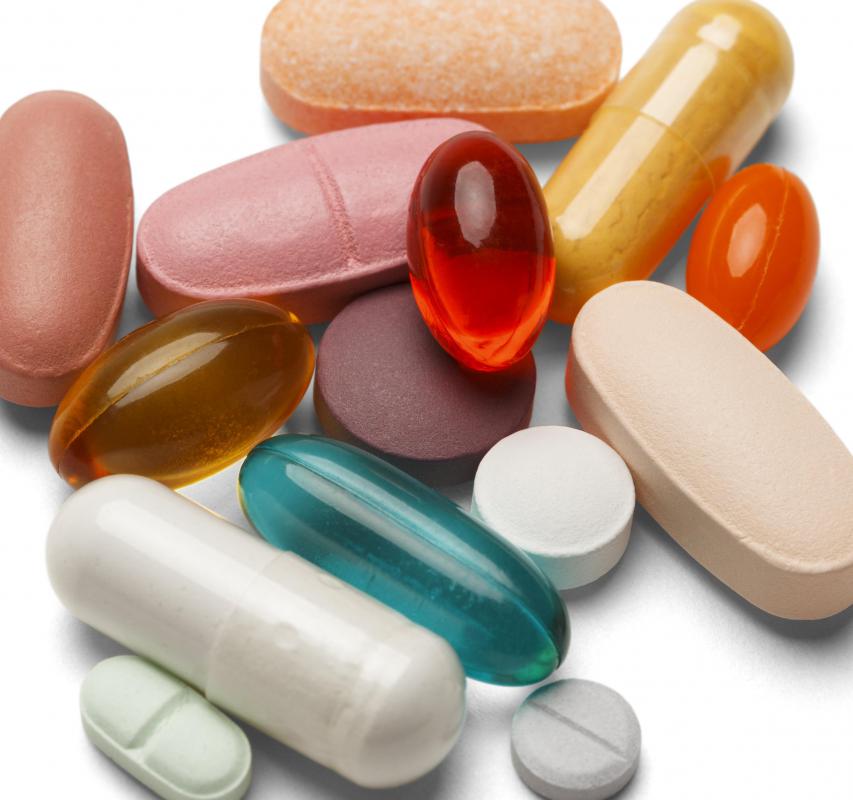
Shelf life can also apply to medications, both over-the-counter and prescription, and consumers should definitely adhere to expiration dates on medications. Some drugs can actually become stronger over time, while others become inactive. This means using a medication past its use by date can be dangerous, as the medication might not work or it might be toxic. A patient who is in doubt can ask a pharmacist if a medication that has expired is still safe to use. Some medications will remain stable past their expiration date.

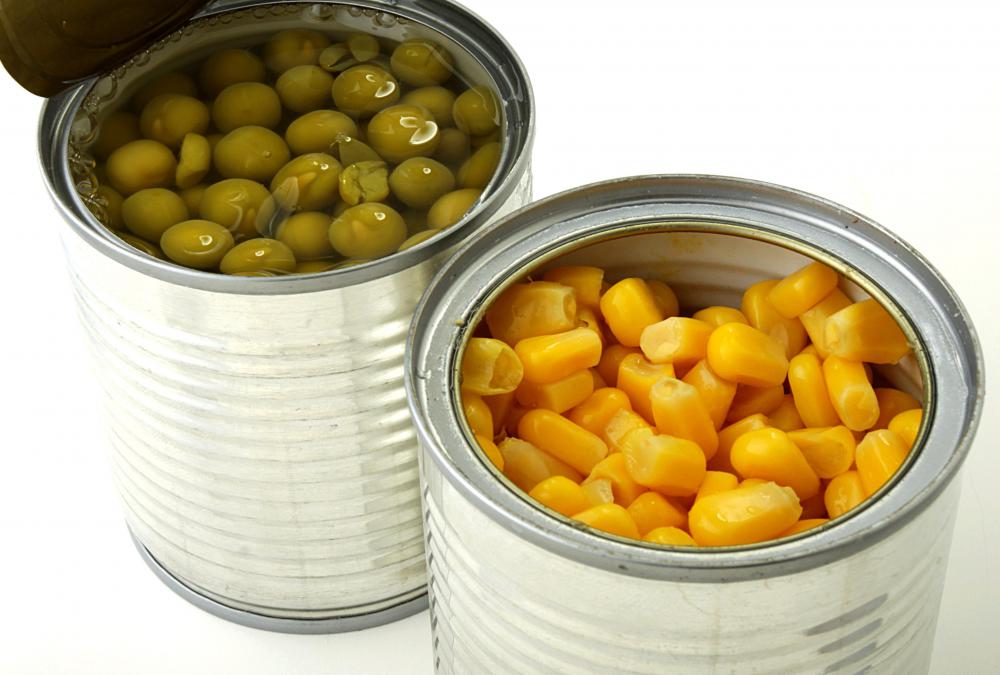
With both food and medication, expiration dates are important to note. Consumers will find that products that are vacuum-sealed or are canned tend to have the longest shelf lives. Fresh products like breads, crackers, vegetables, dairy items, and raw meat usually last for the least amount of time. The old adage about food safety is a good one to adhere to: When in doubt, throw it out.
Tricia Christensen
Tricia has a Literature degree from Sonoma State University and has been a frequent DelightedCooking contributor for many years. She is especially passionate about reading and writing, although her other interests include medicine, art, film, history, politics, ethics, and religion. Tricia lives in Northern California and is currently working on her first novel.
Learn more...
Tricia Christensen
Tricia has a Literature degree from Sonoma State University and has been a frequent DelightedCooking contributor for many years. She is especially passionate about reading and writing, although her other interests include medicine, art, film, history, politics, ethics, and religion. Tricia lives in Northern California and is currently working on her first novel.
Learn more...AS FEATURED ON:
AS FEATURED ON:


-
![Graham crackers can go soft quickly but not exceed their shelf life.]() By: vkphGraham crackers can go soft quickly but not exceed their shelf life.
By: vkphGraham crackers can go soft quickly but not exceed their shelf life. -
![There are limits on how long medication is safe to take.]() By: pixelrobotThere are limits on how long medication is safe to take.
By: pixelrobotThere are limits on how long medication is safe to take. -
![Fresh produce has a brief shelf life.]() By: KzenonFresh produce has a brief shelf life.
By: KzenonFresh produce has a brief shelf life. -
![Shelf life may be defined by a "sell by," "best by" or "best if used by" date on food labels.]() By: Art AllianzShelf life may be defined by a "sell by," "best by" or "best if used by" date on food labels.
By: Art AllianzShelf life may be defined by a "sell by," "best by" or "best if used by" date on food labels. -
![Organic and artisan breads are typically made without preservatives and have a short shelf life.]() By: IrochkaOrganic and artisan breads are typically made without preservatives and have a short shelf life.
By: IrochkaOrganic and artisan breads are typically made without preservatives and have a short shelf life. -
![Canned foods can generally be stored for up to a year at room temperature.]() By: Andrzej WłodarcCanned foods can generally be stored for up to a year at room temperature.
By: Andrzej WłodarcCanned foods can generally be stored for up to a year at room temperature. -
![Stockers have to make sure to remove items that are past their shelf life.]() By: Robert KneschkeStockers have to make sure to remove items that are past their shelf life.
By: Robert KneschkeStockers have to make sure to remove items that are past their shelf life.



Discussion Comments
I read an article recently about how the military had tons of dollars worth of medications about to expire. Rather than toss it, first they asked a pharmaceutical company to provide them with a report on how long these drugs would really last. They were told that most of the drugs had a shelf life of at least ten years. Look it up.
I would like to know if BHT anti-oxidant has an expiration date?
i understand about shelf life. maybe you could tell us more about what happens to food before going to the shops?
@ Highlighter- Just as canned food has a shelf life gasoline has a shelf life. Gasoline's shelf life is dependent on how gasoline is stored, and climate conditions where it is stored. The lighter chemical compounds in gasoline will evaporate over time, making the gasoline less volatile thus making your vehicle more sluggish. Gas that is stored for a long time or in a poor container can also be contaminated by condensation, dirt, and other contaminants. These contaminants can make a car idle rough and cause problems in the form of gunk build-up in the engine.
You are less likely to get bad gas at name brand service stations since their gasoline is often stored for shorter periods of time before it is delivered. The national name brand service stations also add conditioners to the gasoline to prevent contaminant build-up sparing your vehicle from costly maintenance.
My question is not necessarily related to the shelf life of food, but rather the shelf life of gasoline. Why does gas have a shelf life? Gasoline comes from petroleum, which sits underground for millions of years. I know the shelf life of gasoline is real, but I do not understand why.
The reason I ask is because I recently filled my tank from empty with gas from a no name gas station in a not so busy area of my city. I noticed that my car was running particularly rough, so I took it to my mechanic. He said the gas station I went to probably sold more liquor than gas, so the gas could have easily been old. Can someone help me understand why the age of the gas would matter?
Post your comments