
At DelightedCooking, we're committed to delivering accurate, trustworthy information. Our expert-authored content is rigorously fact-checked and sourced from credible authorities. Discover how we uphold the highest standards in providing you with reliable knowledge.
What is a Scoville Heat Unit?
 L. S. Wynn
L. S. Wynn
L. S. Wynn
Scoville Heat Units are used to specify of the hotness of food, specifically chili peppers. In 1912, Wilbur Scoville devised a system to determine how hot foods are, using a panel of tasters to provide heat scores for different peppers. Although Wilbur's name is still used for the scale, the current method is much more scientific.
The sensation of heat that is experienced from eating certain peppers is attributable to a chemical called capsaicin. The more capsaicin present in a pepper, the hotter it will seem. Although the Scoville scale spans from 0 to 16 million, the American Spice Traders Association (ASTA) set the standard for conversion from ppm (parts per million) of capsaicin to Scoville Heat Units as 1:15. This means that a sweet bell pepper has a score of 0 because there is no capsaicin present, and pure capsaicin crystals have 15 to 16 million units.

As is evident from the table below, Scoville scores vary widely from one species to the next. The hottest pepper ever grown is the Naga Jolokia from Assam, India, which has a Scoville score of 855,000. There are also variations of heat from one pepper to the next within the same species; growing conditions, soil, and other factors have an affect on the amount of capsaicin within a given pepper. The numbers listed below represent the average minimum amount detectable within the item in question, but people should keep in mind that the amount of capsaicin in any single type of pepper can vary greatly:
Scoville Units |
|
| 15,000,000 | Pure Capsaicin |
| 5,300,000 | Police-Grade Pepper Spray |
| 2,000,000 | Common Pepper Spray |
| 855,000 | Naga Jolokia |
| 580,000 | Red Savina Habanero |
| 350,000 | Habanero Pepper |
| 325,000 | Scotch Bonnet Pepper |
| 200,000 | Jamaican Hot Pepper |
| 100,000 | Thai Pepper |
| 50,000 | Cayenne Pepper |
| 30,000 | Manzano Pepper |
| 23,000 | Serrano Pepper |
| 10,000 | Chipotle Pepper |
| 8,000 | Jalapeno Pepper |
| 5,000 | Tabasco™ Sauce |
| 2,500 | Rocotilla Pepper |
| 2,000 | Ancho Pepper |
| 2,000 | Poblano Pepper |
| 1,000 | Coronado Pepper |
| 500 | Pepperoncini Pepper |
| 500 | Pimento |
| 0 | Sweet Bell Pepper |
AS FEATURED ON:
AS FEATURED ON:


-
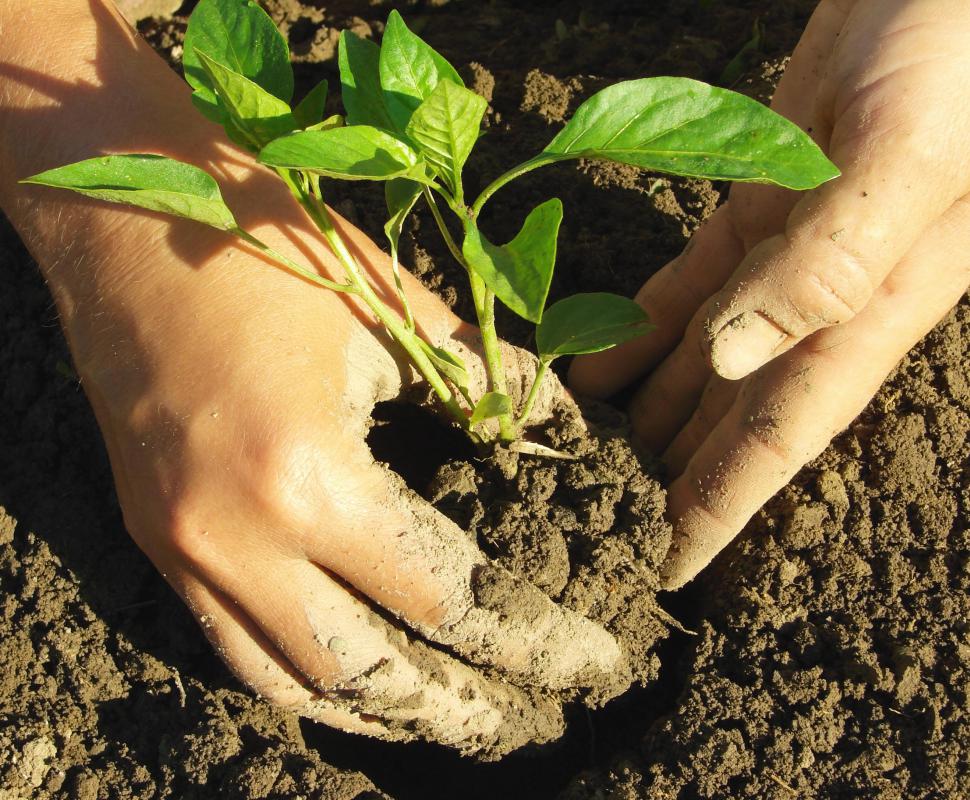
![The quality of soil will affect the heat variations of peppers.]() By: DLeonisThe quality of soil will affect the heat variations of peppers.
By: DLeonisThe quality of soil will affect the heat variations of peppers. -
![Naga Jolokia peppers have a score of 855,000 on the Scoville Heat Unit.]() By: pixeltrapNaga Jolokia peppers have a score of 855,000 on the Scoville Heat Unit.
By: pixeltrapNaga Jolokia peppers have a score of 855,000 on the Scoville Heat Unit. -
![Tabasco sauce contains 5,000 Scoville units.]() By: Michael SaechangTabasco sauce contains 5,000 Scoville units.
By: Michael SaechangTabasco sauce contains 5,000 Scoville units. -
![Pimento peppers have a score of 500 on the Scoville Heat Unit.]() By: Only FabrizioPimento peppers have a score of 500 on the Scoville Heat Unit.
By: Only FabrizioPimento peppers have a score of 500 on the Scoville Heat Unit. -
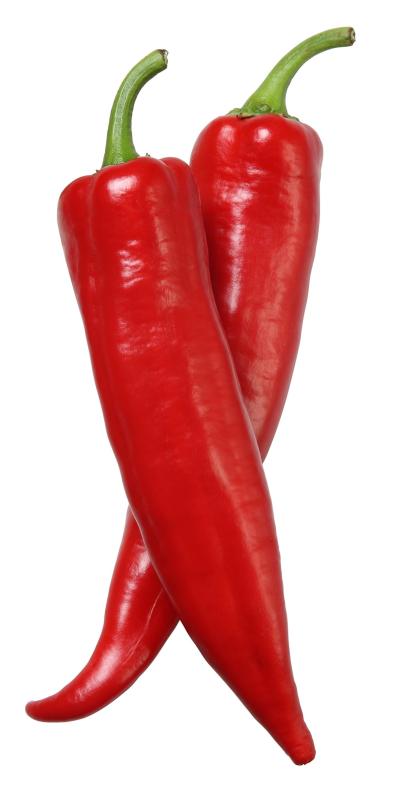
![Chili peppers.]()
Chili peppers. -
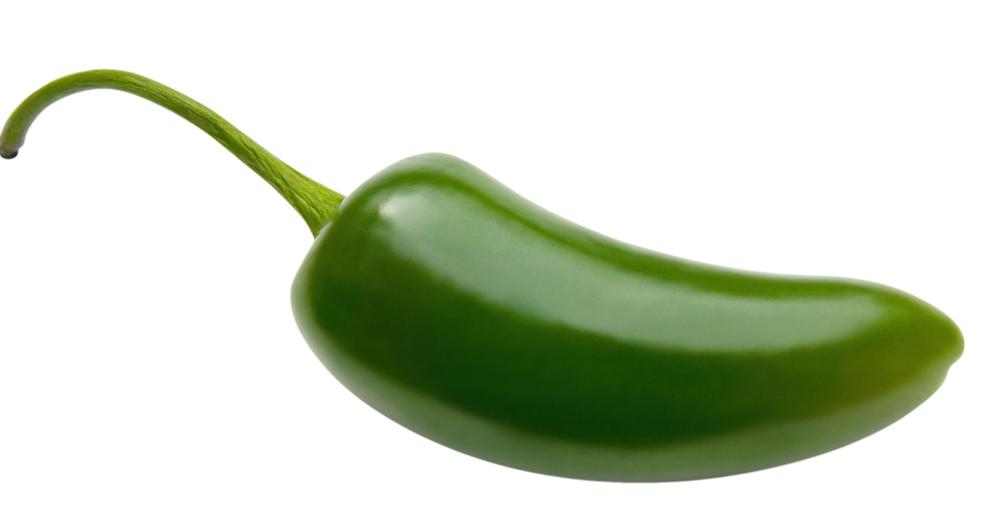
![A jalapeno pepper, which has a Scoville score of 8,000.]() By: epanthaA jalapeno pepper, which has a Scoville score of 8,000.
By: epanthaA jalapeno pepper, which has a Scoville score of 8,000. -
![A sweet red bell pepper has a Scoville Heat Unit score of 0.]() By: NatikaA sweet red bell pepper has a Scoville Heat Unit score of 0.
By: NatikaA sweet red bell pepper has a Scoville Heat Unit score of 0. -
![Chipotle pepper averages a score of 10,000 on the Scoville Heat Unit.]() By: ZIQUIUChipotle pepper averages a score of 10,000 on the Scoville Heat Unit.
By: ZIQUIUChipotle pepper averages a score of 10,000 on the Scoville Heat Unit. -
![Common pepper spray rates 2 million Scoville units.]() By: abhbah05Common pepper spray rates 2 million Scoville units.
By: abhbah05Common pepper spray rates 2 million Scoville units. -
![Pepperoncini contain 500 Scoville units, ranking them low on the pepper scale.]() By: travis manleyPepperoncini contain 500 Scoville units, ranking them low on the pepper scale.
By: travis manleyPepperoncini contain 500 Scoville units, ranking them low on the pepper scale. -
![Some cooks use fresh jalapeno peppers to add heat and flavor to chili or other simple dishes.]() By: Fotocat4Some cooks use fresh jalapeno peppers to add heat and flavor to chili or other simple dishes.
By: Fotocat4Some cooks use fresh jalapeno peppers to add heat and flavor to chili or other simple dishes.




Discussion Comments
I can handle heat, but I have to say the Ghost pepper (Bhut Jolokia Chili for those of you who don't know) is ridiculously hot. The heat creeps up on you. at first its no hotter than a habanero, but after about ten minutes it really sets in. These peppers are so hot, there is no reason a human should want to eat one. They are devices of torture.
I ate a bite of one out of a dare when I was on vacation with some friends on Oahu. The pain lasts for about an hour and a half, and you literally don't want to do anything. These peppers seriously will bring a six foot seven man to the ground. I've even heard they have sent people to the hospital.
I was born in Jamaica so hot peppers are a part of life for me. I love spicy foods, and I especially love scotch bonnets. Although a scotch bonnet is closely related to the habanero, they have a different flavor. Scotch bonnets make a good batch of Jerk. They are incredibly spicy, but when they are ripe, the sweet undertones set them apart from pure fire. They may not be the hottest pepper o the heat scale, but they certainly have the most flavor.
How interesting. I'd love to know the scientific method by which this is determined now - I'm assuming the have some way to measure the amount of capsaicin directly.
I can - with relatively little distress - eat a raw jalapeno, but I can't handle anything hotter than that!
Post your comments