
At AllThingsNature, we're committed to delivering accurate, trustworthy information. Our expert-authored content is rigorously fact-checked and sourced from credible authorities. Discover how we uphold the highest standards in providing you with reliable knowledge.
What is a Queen Bee?
 Tricia Christensen
Tricia Christensen
Tricia Christensen
A queen bee is usually the only egg-laying member in a hive of bees. Though worker bees can lay eggs as well, they generally only do so if there is no queen. The queen bee does not exert any power over a hive of bees, and uses any power she has to defeat challenger virgin queens that develop during her reign of one to two years.
The queen develops differently than the drone bees of a colony. Before hatching, she develops in what is called a queen cell. She is also fed differently, receiving royal jelly, a secretion made on the tops of young bee’s heads. Since the queen is fed royal jelly exclusively, she develops full sexual characteristics not present in drone bees.

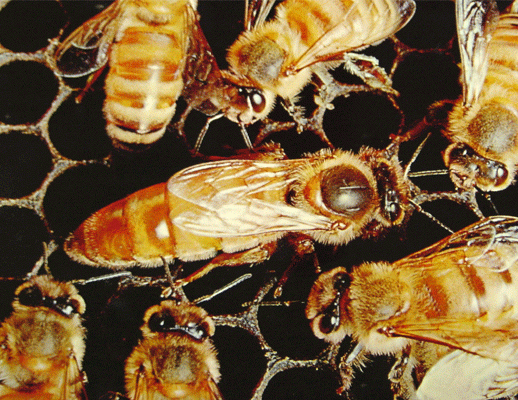
It is easy to recognize a queen bee outside a hive because her body is far more elongated than that of the other bees in the colony. She will also remain in the hive after mating with several drones, and her most important job is keeping the colony alive by laying eggs. The queen is the only member of the hive able to lay eggs, and a health one can lay about 2,000 a day. A hive that loses its queen and does not have a replacement will quickly die off.

Survival of a single queen means great danger to the hive. The queen bee must leave the hive and mate with drones in order to keep reproducing eggs. If, for any reason, this mating process is stopped, such as because of extremely poor weather, then the hive is doomed.
Usually, the single queen bee leaves the hive when the bees swarm, which for most bees is once yearly. Only the African hybrid or "killer bee" swarms on a more consistent basis. The African bee is the only bee to be able to produce eggs from other than a queen, ensuring their dominance as a species in an already competitive bee world.

The queen also secures her dominance by secreting a substance that other bees lick off of her. This substance suppresses growth, so other bees do not become sexually mature. In some cases, where several queens exist within a hive, one will leave during the swarm to establish another colony. Particularly if she is a little older, she may prefer a less competitive hive, since for a while she will be free from assassination attempts by other queens.

The road to monarchy for the queen bee resembles some of the monarchies of the past. Emerging queens must sting and kill an existing queen in order to take over a hive. They also must eliminate their competition of other virgin queens emerging at the same time. This is somewhat reminiscent of the wars of succession in the monarchies of Europe, only usually it is the prospecting queen who must commit each assassination. This process is called supersedure.
In captive bee populations, bee farmers may shortcut the process of supersedure by removing a queen from the population or by cutting of one her back legs, which makes egg laying impossible. This gives virgin queens the opportunity to quickly attack and supersede her.
Frequently Asked Questions
What is the role of a queen bee in a hive?
The queen bee is the mother of most, if not all, bees within the colony. Her primary role is to lay eggs, ensuring the hive's continuation and growth. She can lay up to 1,500 eggs per day during peak seasons. The queen also releases pheromones that help maintain social order and unity within the hive.
How does a bee become a queen?
A bee becomes a queen through a special diet of royal jelly, which is fed to a female larva chosen by worker bees. This diet triggers the development of reproductive organs necessary for a queen. According to research, royal jelly contains unique proteins that activate specific genes to turn a larva into a queen.
Can there be more than one queen bee in a hive?
Typically, a hive can only support one queen bee. If a new queen emerges, it can lead to a "swarm," where the old queen leaves with a portion of the colony to form a new hive. Occasionally, during this transitional period, two queens may temporarily coexist until the new queen fully takes over.
How long does a queen bee live?
A queen bee has a significantly longer lifespan compared to worker bees. She can live for several years, with an average lifespan of 2 to 3 years. In contrast, worker bees may live for only a few weeks to a few months, depending on their roles and the time of year.
What happens if a queen bee dies?
If a queen bee dies, the colony must quickly produce a new queen to survive. Worker bees will select several young larvae and begin feeding them royal jelly to develop new queens. The first to emerge will typically become the new queen after potentially eliminating her rivals.
How do queen bees communicate with their colony?
Queen bees communicate with their colony primarily through chemical signals known as pheromones. These pheromones regulate the behavior of the bees, including suppressing the development of new queens and influencing the workers to perform various tasks. The queen's pheromones are vital for maintaining the social structure of the hive.
Tricia Christensen
Tricia has a Literature degree from Sonoma State University and has been a frequent AllThingsNature contributor for many years. She is especially passionate about reading and writing, although her other interests include medicine, art, film, history, politics, ethics, and religion. Tricia lives in Northern California and is currently working on her first novel.
Learn more...
Tricia Christensen
Tricia has a Literature degree from Sonoma State University and has been a frequent AllThingsNature contributor for many years. She is especially passionate about reading and writing, although her other interests include medicine, art, film, history, politics, ethics, and religion. Tricia lives in Northern California and is currently working on her first novel.
Learn more...AS FEATURED ON:
AS FEATURED ON:









-
![Queen bee surrounded by attendants.]()
Queen bee surrounded by attendants. -
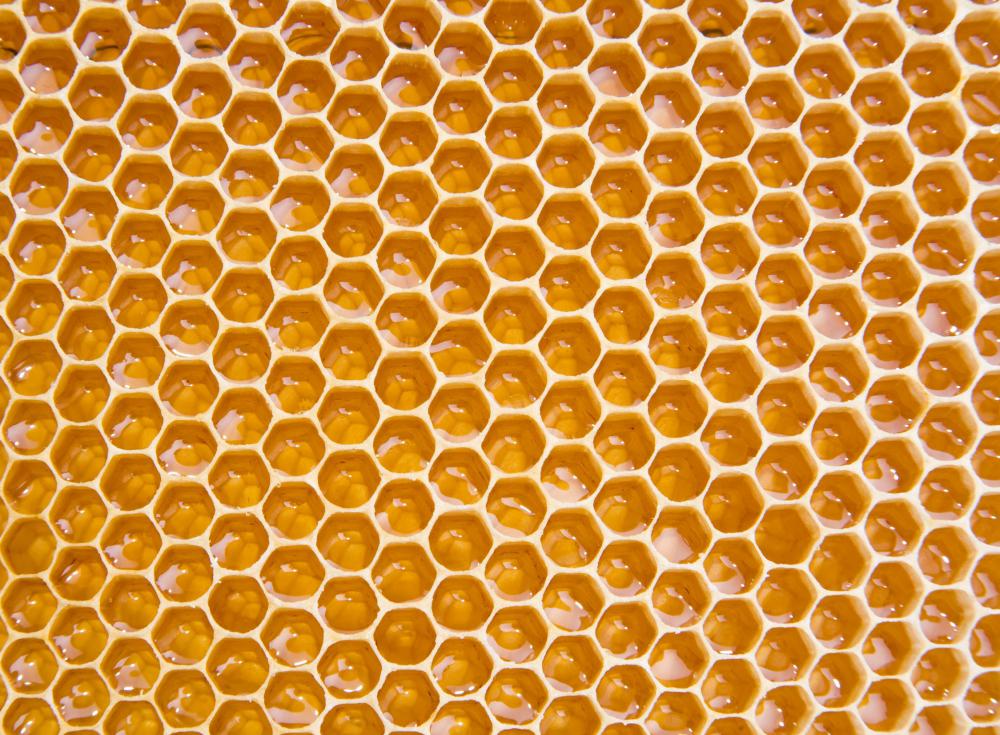
![Honeycomb.]() By: tescha555Honeycomb.
By: tescha555Honeycomb. -
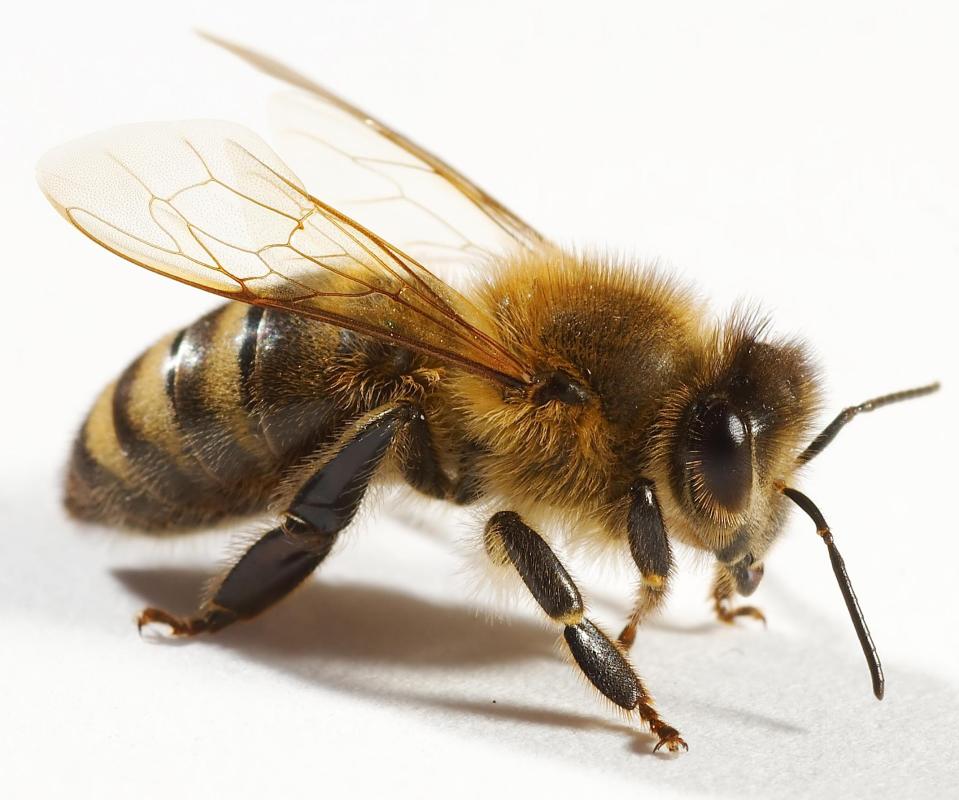
![A bee.]()
A bee. -
![A hive of bees will only have one egg-laying member, and it'll be the queen.]() By: dendronA hive of bees will only have one egg-laying member, and it'll be the queen.
By: dendronA hive of bees will only have one egg-laying member, and it'll be the queen.

Discussion Comments
@Anon91677: If they are bumblebees, the colony will only last until winter. If you have honeybees (much smaller) you need to talk to a local beekeeping association.
How many queen bees live in one hive? Does a queen bee ever leave its hive?
Sadly lacking in accuracy. Too many errors of fact but let's pinpoint just one or two. Ask any beekeeper about the life of a queen bee, how she leaves with the swarm to be replaced in the hive by her daughter and thus reproduces the colony by splitting it in two, and how her daughter must win a battle for survival by killing her siblings to rule the old colony. Although the rule is wrong, queens are just slaves of the workers.
I have two queens living in one hive. What do i do? Leave them alone or split the hive?
I am very interested in this what i have just read, but i have a bee problem. They have made their home in my wall. it would be nice if someone could come and get them without killing them.
i like bees and don't like killing them. Wasps, i will kill. They are not nice and they sting with no reason to sting. Bees seem to be more pleasant than wasps.
thanks for an interesting read.
Post your comments