
At DelightedCooking, we're committed to delivering accurate, trustworthy information. Our expert-authored content is rigorously fact-checked and sourced from credible authorities. Discover how we uphold the highest standards in providing you with reliable knowledge.
What is a Pre-Seasoned Skillet?
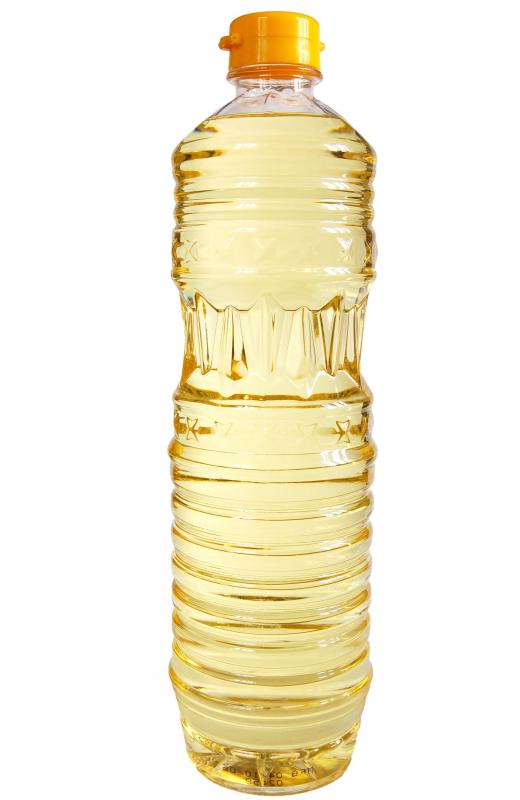
Normally, cast iron skillets must be treated before they can be used for the first time. This process, called seasoning, gives the iron its nonstick properties and protects it from rust. Seasoning involves coating the skillet with a thin layer of vegetable oil, then baking it in the oven. Pre-seasoned skillets are treated at the manufacturing plant, so they can go directly from the retailer to a stove burner with nothing more than a hot rinse to remove dust.
While some people enjoy the ritual of seasoning their own skillet, a pre-seasoned one guarantees a good start. This type of cookware is evenly sprayed with oil at the manufacturing plant, then baked at high temperatures to allow the oil to seep into the pores of the metal. Skillets that are already seasoned are black, while unseasoned ones are typically silvery gray in color.

People who have bought an unseasoned skillet and given it that first seasoning themselves might remember the result was a caramel-colored pan. With subsequent seasonings, the pan eventually turned black. Pre-seasoned skillets eliminate the “running start” to get the iron cookware initially protected and useable. Not only is it a time-saver for cast iron aficionados, but it’s reassuring to novices to know that their skillet has been correctly seasoned.

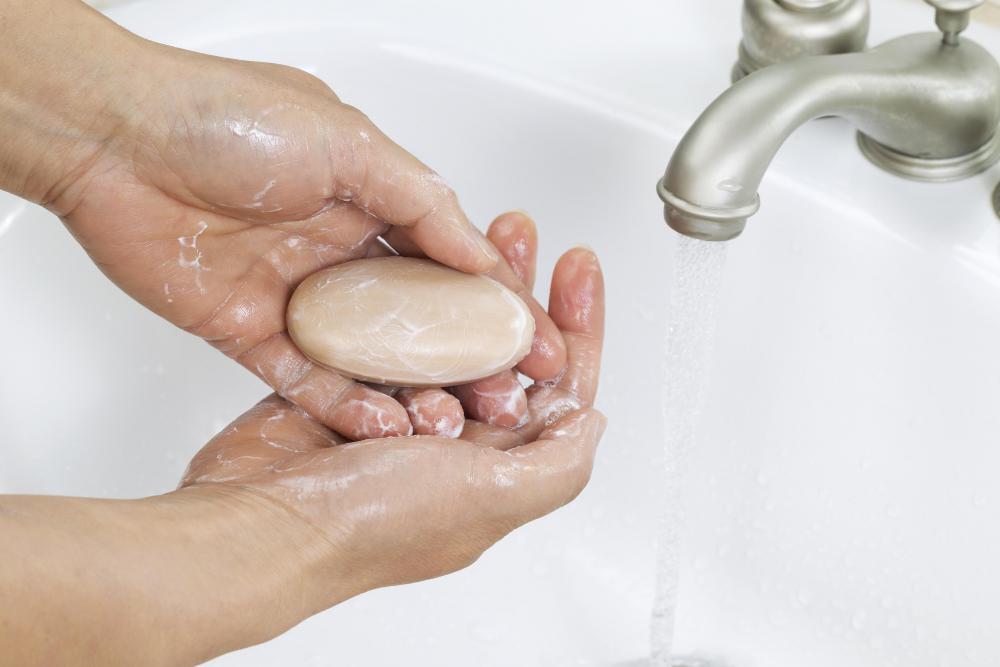
Just because a skillet has been seasoned at the factory, this does not mean that it will never again require seasoning. Any cast iron cookware must occasionally be re-seasoned to maintain the nonstick surface and protect the pan. Soap is not recommended for cast iron, as it can remove the seasoning, although some people choose to use mild soap anyway. Re-seasoning should take place after the pan has been washed with soap, or whenever the pan starts to lose its nonstick properties.

When a skillet is new, even if it has been pre-seasoned, it should be re-seasoned more frequently than an older skillet. The more a cook uses an iron skillet, the better the nonstick surface, as cooking itself seasons the inside of the pan. Pre-seasoned skillets and cookware cost a few dollars more than unseasoned cookware, but shoppers who are new to cast iron will probably find that it's worth the price difference to know the initial seasoning has been an excellent one. Cast-iron can easily last a lifetime with proper care, and it is among the least expensive types of cookware. Despite its lower price, many professionals count cast iron among the best pan choices.
AS FEATURED ON:
AS FEATURED ON:


-
![Vegetable oil is often used to pre-season pans.]() By: Adrian HillmanVegetable oil is often used to pre-season pans.
By: Adrian HillmanVegetable oil is often used to pre-season pans. -
![A pre-seasoned skillet.]() By: maxximmmA pre-seasoned skillet.
By: maxximmmA pre-seasoned skillet. -
![Cast iron pans provide a seasoned surface on which to cook food.]() By: Joe GoughCast iron pans provide a seasoned surface on which to cook food.
By: Joe GoughCast iron pans provide a seasoned surface on which to cook food. -
![Cast iron should not be washed with soap.]() By: tab62Cast iron should not be washed with soap.
By: tab62Cast iron should not be washed with soap.


Discussion Comments
My mom gave me a pre-seasoned iron skillet when I got married, but it was not seasoned at the factory where it was made. It had gotten seasoned through years of cooking that she had done with it.
She used to always make either bacon or sausage in it for breakfast, and the hot grease served to season the pan. She would also spray cooking oil on it before pouring cornbread batter into it and cooking it in a hot oven for about twenty minutes, and I'm sure this helped out a lot, too. I think we had cornbread for supper just about every night, so that was a lot of seasoning!
I use this skillet to cook the same things that my mom cooked for me in it. So, I know that it is getting plenty of re-seasoning along the way.
@wavy58 – Vegetable oil will work fine, but I like to use lard. I have a big bucket of this, and I have plenty to spare.
I put a glob of lard in my skillet and rub it all over the inside of the pan. I even coat the outside and the handle with it, but I don't put it on the bottom of the pan.
I think it is best to put the oven on a low temperature, so I do 200 degrees. I leave the pan in there for about three hours.
Once it is no longer hot, I rub it with a paper towel. This won't get all the lard off, so I wait a few more hours and rub it again, until it doesn't look wet anymore.
I got some pre-seasoned cast iron cookware a few years ago, and I know that it will soon need to be re-seasoned. I can tell that pieces of the black surface are starting to flake away. I would like some advice on how to re-season my pans.
Is vegetable oil thick enough, or would it be better to use a fattier oil for seasoning? I have several kinds in my pantry.
Also, what temperature do I need to heat the oven to in order to properly re-season my pan? How long do I need to leave it in there?
This article just settled an argument between me and my husband about whether or not our skillet had already been seasoned. I had said that since it was very black, it was obviously a pre-seasoned cast iron skillet, but he insisted that every skillet needs to be seasoned, and you can't buy them pre-seasoned.
Since the skillet was a gift, we didn't have the label to tell us whether or not it was pre-seasoned. I just showed him this article, and he had to admit he was wrong.
However, I also learned something new here. I did not know that you need to periodically re-season skillets, so that is useful information to me.
I got a Lodge Logic cast iron pan that came pre-seasoned and I've been very happy with it. But it's important to realize that the pre-seasoning is not the same thing as years of use!
Unless you plan to give the pan a light seasoning yourself, you might want to make sure that the first few things you cook have a lot of oil or grease - something like bacon, grilled cheese sandwiches, or anything with lots of oil. Don't go straight for pancakes unless you want a big mess!
Even a pre-seasoned cast iron pan is a bit of a time investment. Whenever I cook something in mine that is lower in fat, leaving the surface less shiny, I always rub a little oil into the surface and set the pan on a warm burner for a few minutes. Even so, I notice a few spots of rust on the underside of the pan, where of course the grease doesn't reach, so I need to take some time soon to re-season the whole pan.
Post your comments