
At PracticalAdultInsights, we're committed to delivering accurate, trustworthy information. Our expert-authored content is rigorously fact-checked and sourced from credible authorities. Discover how we uphold the highest standards in providing you with reliable knowledge.
What is a Physiologist?
A physiologist is a person who has received formal training in physiology, which is the study of how plants, animals, and cells function on a biological level. The field is very broad and people can choose to specialize in many different areas. As applied to humans, the field is usually really closely related to medicine. Physiologists aren’t usually medical doctors and they don’t normally provide direct patient care, but they often work alongside doctors and care providers to come up with treatment plans. Their jobs tend to be situated in labs and research institutes, though they will sometimes work with patients in an observatory or “test group” type of scenario. Many of the most common lines of work include exercise physiology, which is the study of how muscles work together, and diagnostic physiology, which typically focuses on known conditions like heart problems and respiratory disorders.
Main Areas of Study

The field can usually be broken down into four main areas of expertise and study. Human biological functioning makes up one of the most well known arenas, but experts can also choose to specialize in plants, non-human animals, and cells. Cellular studies often encompass viruses and bacterial strains, and experts in these areas often work very closely with pharmacology experts and clinicians to create effective medications.
Work Settings and Core Duties

It’s often somewhat difficult to nail down exactly what it is a physiologist does, since so much depends on his or her area of expertise and specific training. In most cases, though, these sorts of professionals are primarily research-driven. This means that they spend a lot of time studying the basic biology and anatomy of their subjects, and looking for ways to improve efficiency, treat illness, or cure common problems. Many of these people work in labs, and they often focus on very narrow issues. In this way they’re often able to become experts in specific things, like plant resistance to certain pesticides or selective animal breeding to accentuate specific traits.
Sports and Exercise Applications

One of the most well known applications for physiology is within the realm of sports and exercise studies. Exercise physiologists study how the muscles work at various ages and under various stresses, and spend a lot of time looking for efficiencies and ways to maximize ability and strength.
Sometimes this leads to the creation of exercise plans, either generally or for people with specific conditions or issues. These professionals are frequently involved in monitoring the cardiovascular and metabolic effects of the routine necessary for physical or cardiac rehabilitation, often in cases when accidents or injuries have caused a person to lose some important aspect of their muscular function. Experts evaluate peoples’ physical abilities and come up with exercises to enhance and maintain their overall health and conditioning. They may or may not work directly with the people they’re helping, but in most cases they will collaborate with other healthcare professionals to identify any risks associated with the particular plans, as well as to provide comprehensive rehabilitation programs when needed.

Someone who works in sports, on the other hand, is usually most concerned with the functioning of the body as it applies to athletes. This person specializes in performance and endurance. In addition to specific knowledge of physiology, this sort of professional must usually also have an extensive knowledge base of the specific sport’s requirements. He or she may work alongside coaches and sports medicine practitioners to design effective exercises both to ward off injuries in the first place, as well as to treat them once they happen.
Help With Human Problems and Diseases

People in this field might also choose to specialize on just one specific condition or part of the body. Cardiac physiologists, for example, investigate the function of the heart to help diagnose heart disease, and are often involved in the early stages of identifying and monitoring the use of treatment programs to measure their effectiveness. Extensive knowledge of the heart and how it works and reacts to stressors such as exercise is really important in this context.

A neurophysiologist is another example. This specialist is concerned with the functioning of the nervous system, and typically works with neurological disorders such as multiple sclerosis, epilepsy, or dementia, and frequently studies strokes as well. Those suffering from nerve or muscle dysfunction can also benefit from a neurophysiologist’s expertise. He or she may study things like electroencephalography (EEG) tests and nerve conduction studies to assess the brain's response and make recommendations about care.
Respiratory specialists deal with the physiology of respiration, or breathing. They may test lung and breathing function, and are often at the heart of things like sleep studies in order to help evaluate and treat breathing problems. These individuals also may monitor breathing during physical rehabilitation.
Training and Experience
Physiologists don’t usually need medical training, but they often have to have a lot of university-level education to get started in the field. An undergraduate degree in biology or another life science is often required, in addition to graduate work that focuses on the student’s particular area of interest. Many universities offer dedicated courses and training programs to enable students to succeed in a rage of different specialty areas.
AS FEATURED ON:
AS FEATURED ON:


-
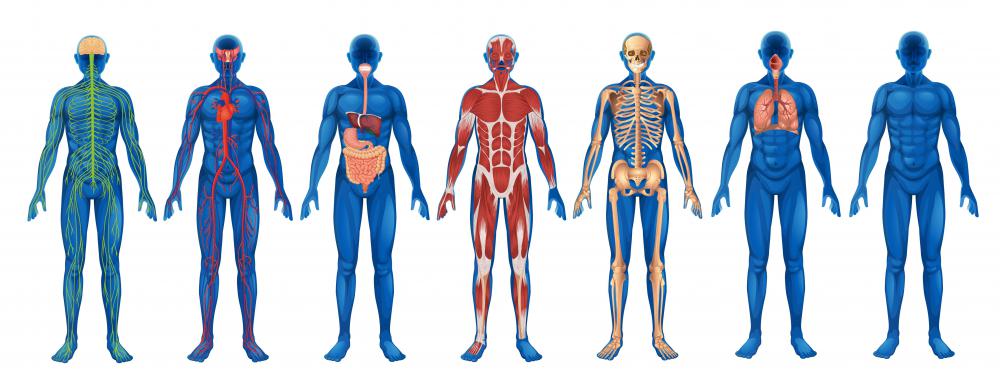
![A physiologist will have specialized training in a specific system of the body.]() By: alxharA physiologist will have specialized training in a specific system of the body.
By: alxharA physiologist will have specialized training in a specific system of the body. -
![A physiologist may study things like electroencephalography (EEG) tests and nerve conduction studies to assess the brain's response and make recommendations about care.]() By: TobilanderA physiologist may study things like electroencephalography (EEG) tests and nerve conduction studies to assess the brain's response and make recommendations about care.
By: TobilanderA physiologist may study things like electroencephalography (EEG) tests and nerve conduction studies to assess the brain's response and make recommendations about care. -
![The application of physiology is common in the sporting world.]() By: Paco AyalaThe application of physiology is common in the sporting world.
By: Paco AyalaThe application of physiology is common in the sporting world. -
![Some animal physiologists treat livestock.]() By: caspernhdkSome animal physiologists treat livestock.
By: caspernhdkSome animal physiologists treat livestock. -
![Physiologists might help people adjust to the use of medical aids.]() By: iceteastockPhysiologists might help people adjust to the use of medical aids.
By: iceteastockPhysiologists might help people adjust to the use of medical aids. -
![Physiologists can help performers stay fit and reduce the risks of injury.]() By: WiskyPhysiologists can help performers stay fit and reduce the risks of injury.
By: WiskyPhysiologists can help performers stay fit and reduce the risks of injury.





Discussion Comments
@anon344929: You might consider being a pharmacist. You have to know about the human body, but wouldn't be dealing with the blood, etc.
I'm fascinated by the human body, and love learning about it. But I don't like dealing with hospitals and blood. What career can I choose? I'm still in grade 9.
Is there a physio therapist in NYC area that knows about charcot marie tooth disorder?
@cardsfan27 - I can guarantee you that plant physiology exists, since I took a class in plant physiology while I was in college. Like you would expect, it covered everything from how plants uptake nutrients to how they utilize different molecules in building leaves.
Knowing this, I don't see any reason the term physiologist couldn't be used with any living thing. I'm sure there are physiologists that study how fungi and bacteria live and reproduce. Even though they aren't living, I could even see how the term could be used to refer to studying how viruses succeed in the world.
Can physiologist be used to refer to someone who specializes in the function of something besides humans? It seems like you could find someone like a dog or horse physiologist, but I also feel like I have heard the term plant physiologist used before.
Do plant physiologists exist, and what are some other field that could have physiologists?
@jcraig - Good questions. I found myself wondering some similar things.
Along the same lines, are there effectively physiologists for every part of the body? Could there be someone who specializes in the physiology of the digestive system and someone else who covers the respiratory system, or are the examples mentioned in the article the types of physiologists that you would find in a normal hospital?
Is physiologist a general term to describe anyone who might deal with how a certain part of the body works, or is this a specific term to describe a specific job?
Using the cardiac physiologist as an example, would this be a person who went to college and trained to be a cardiac physiologist, or would it be more like a doctor who happens to specialize in knowing how the heart and circulatory system function?
Also, for the medically geared physiologists, are they usually doctors or more like a physical therapist who specializes in a certain area? In other words, do they diagnose problems and suggest treatments, or do they simply work with a patient during a prescribed treatment?
Post your comments