
At WiseGEEK, we're committed to delivering accurate, trustworthy information. Our expert-authored content is rigorously fact-checked and sourced from credible authorities. Discover how we uphold the highest standards in providing you with reliable knowledge.
What is a Peritoneal Cyst?
A peritoneal cyst is a cyst that forms on a woman's abdomen or pelvis region. This condition typically occurs in women who are approaching menopause. These types of cysts can vary in size and can be anywhere from very tiny cysts to enlarged masses. Although these cysts can differentiate and change form, they are typically not malignant.
The cyst can develop for several reasons. An injury to the pelvic region can produce a cyst. A history of sexually transmitted diseases or pelvic inflammatory disease can also increase a woman's risk of peritoneal cysts. Endometriosis is a condition that produces lesions and non cancerous growths throughout the abdomen, which can be accompanied by a cyst.

The cysts themselves can cause symptoms that make the illness easier to recognize. A few of the symptoms of a peritoneal cyst are a bloated feeling in the lower abdomen accompanied by mild to severe pain. The peritoneal absorbs bodily fluids in order to produce ovarian fluid. If the cyst forms due to an injury, there may not be as much ovarian fluid present. This is another factor in diagnosing one of these cysts. Occasionally, a mass can be felt directly under the skin.

There are surgical and medical treatments available for these types of cysts. Treatment will depend on the severity of the pain and bloating surrounding the abdominal area. If the symptoms are not severe, a gynecologist may prescribe an oral contraceptive to eliminate discomfort and pain. When these cysts become filled with fluids, a draining procedure may be used. Surgery can also be done to remove the cysts, but this sometimes is not a permanent solution because they have a tendency to re-develop.

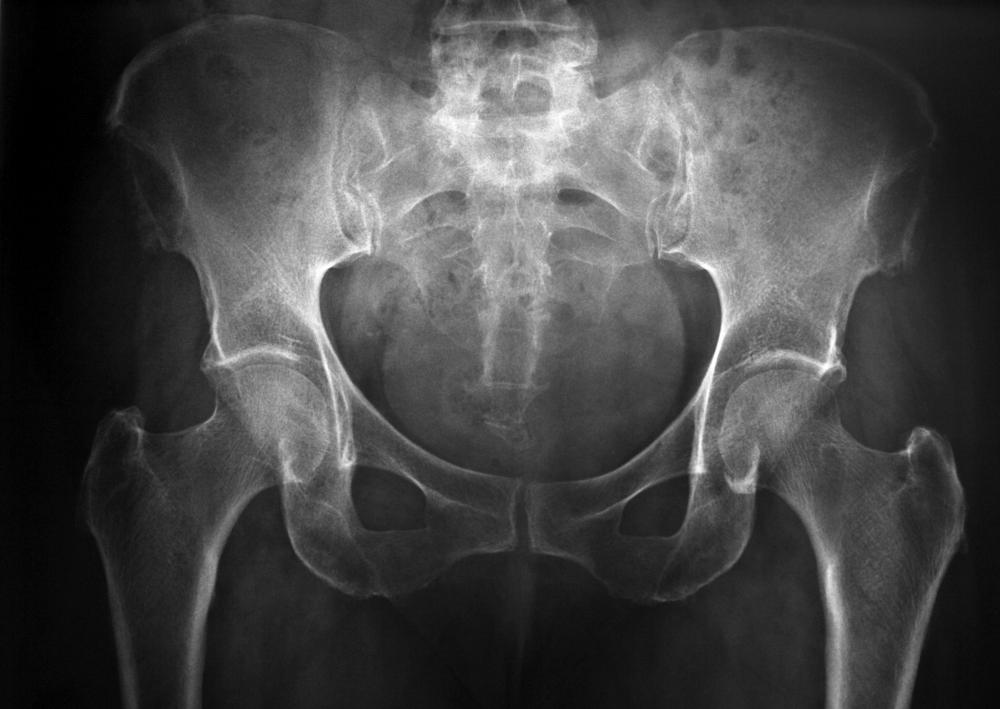
An X-ray and ultrasound are important when diagnosing a peritoneal cyst. A few medical conditions present similar symptoms and can even look the same. These similar conditions include certain cancers, as well as endometriosis. In order to identify the illness, the imaging and symptoms must match the criteria. Any life-threatening, malignant cancers must be ruled out before any treatment can be given.
These types of cysts are not considered dangerous. Different treatment options can be used without any urgency. Peritoneal cysts, however, can cause infertility in women who are in their reproductive years.
AS FEATURED ON:
AS FEATURED ON:









-
![A peritoneal cyst most commonly occurs in women who are approaching menopause.]() By: Lisa F. YoungA peritoneal cyst most commonly occurs in women who are approaching menopause.
By: Lisa F. YoungA peritoneal cyst most commonly occurs in women who are approaching menopause. -
![A peritoneal cyst may develop as a result of a sexually transmitted disease.]() By: mast3rA peritoneal cyst may develop as a result of a sexually transmitted disease.
By: mast3rA peritoneal cyst may develop as a result of a sexually transmitted disease. -
![Symptoms of a peritoneal cyst may include a bloated feeling in the lower abdomen.]() By: SolariaSymptoms of a peritoneal cyst may include a bloated feeling in the lower abdomen.
By: SolariaSymptoms of a peritoneal cyst may include a bloated feeling in the lower abdomen. -
![Peritoneal cysts may cause infertility.]() By: Monkey BusinessPeritoneal cysts may cause infertility.
By: Monkey BusinessPeritoneal cysts may cause infertility. -
![An X-ray can be used to diagnose a peritoneal cyst.]() By: andreaxtAn X-ray can be used to diagnose a peritoneal cyst.
By: andreaxtAn X-ray can be used to diagnose a peritoneal cyst. -
![The presence of peritoneal cysts could indicate a case of endometriosis.]() By: ryanking999The presence of peritoneal cysts could indicate a case of endometriosis.
By: ryanking999The presence of peritoneal cysts could indicate a case of endometriosis. -
![A peritoneal cyst can develop for several reasons.]() By: Zsolnai GergelyA peritoneal cyst can develop for several reasons.
By: Zsolnai GergelyA peritoneal cyst can develop for several reasons. -
![A peritoneal cyst can develop from pelvic inflammatory disease.]() By: joshyaA peritoneal cyst can develop from pelvic inflammatory disease.
By: joshyaA peritoneal cyst can develop from pelvic inflammatory disease.




Discussion Comments
While there are different causes of peritoneal cysts, they sometimes develop as a result of pelvic surgery. I have a friend who developed one of these cysts after major pelvic surgery. Her doctor told told her that while he wouldn't call the cysts common occurrences after pelvic surgery, they did develop from time to time in patients. With treatment, the cyst didn't cause any further complications for my friend.
I have a friend and coworker who performs ultrasounds on patients. She comes in contact with women who have peritoneal cysts. She says that many women are extremely frightened by the cyst symptoms and the location of the cysts. It is not uncommon for women to automatically assume the cysts are cancerous, but, like this article says, often times the cysts are caused by injuries and cancer is not involved.
The important thing to remember is to not ignore the symptoms. You should get examined immediately when they develop, and this way, whatever the cause, the appropriate treatments can begin immediately when they are much more effective.
Post your comments