
At TheHealthBoard, we're committed to delivering accurate, trustworthy information. Our expert-authored content is rigorously fact-checked and sourced from credible authorities. Discover how we uphold the highest standards in providing you with reliable knowledge.
What is a Muscle Spasm?
 Tricia Christensen
Tricia Christensen
Tricia Christensen
Muscle spasms, which can affect any part of the body, are an involuntary contraction in the muscle tissue. Depending on the muscle's size and location, it might be sharp and painful or nearly imperceptible. Technically, a cramp is a kind of muscle spasm that is brief and tends to relax relatively quickly, but the two terms are often used interchangeably. There are many types of spasms and several different underlying causes, so diagnosing repeated episodes is sometimes difficult. An effective treatment might come from physical therapy, dietary changes, medical intervention, or some combination of the three.
How the Muscles Work

Normally, muscles contract and relax according to signals sent by the brain through nerves. This is true of muscles connected to the bones and joints used in work or exercise, as well as those in the stomach and heart that work automatically. A nerve's electrical signal trips a muscle's delicate chemical balance to cause it to either flex or extend.
Why Spasms Happen

Most muscle spasms fall into one of two categories. There may not be enough of certain chemicals necessary for a muscle to function properly, called electrolytes, which can cause nerve signals to not travel correctly. Alternately, the nerve that triggers the muscle might be at fault, whether due to a problem with the nerve itself or with the brain. The common denominator is that the muscle is contracting inappropriately and without the person’s control.

Isolated or brief episodes of spasms are most likely the result of the muscle being injured or strained. At the end of a marathon, for example, runners may be seized with spasms because their body is depleted of water and essential electrolytes. The main electrolytes — conductors of electricity — in the body are potassium, magnesium and calcium. Excess exercise, particularly with poorly conditioned muscles, can also cause them to spasm.

A reaction to some chemicals, such as the poison strychnine, can cause muscles to seize or convulse uncontrollably. The toxins of some venomous animals may produce similar effects by disrupting the function of the nerves. When the nerves are damaged, such as by an injury or a condition like multiple sclerosis (MS), the spinal cord or brain can cause the muscles to spasm.
Common Types

One of the more familiar muscle spasms is nicknamed a "charley horse." There are several variations and causes for this painful contraction of the calf muscle, but most often, it is due to trauma or dehydration during intense exercise. The crippling effect can last for a few seconds to several minutes. It cannot be relieved by sheer will, but relaxing, breathing and massaging the muscle may help it gradually relax. Fighting the pain of a charley horse will often cause other muscles such as the abdominals to contract as well, prolonging and intensifying the episode.

Stomach cramps are also common. They can be caused by a temporary condition, like a stomach flu infection, or by more serious conditions such as irritable bowel syndrome (IBS). Stomach cramps are also painful, and may be accompanied by nausea and vomiting. The stomach flu usually passes in a few days, although if a patient becomes dehydrated, he or she should seek medical attention. Controlling IBS with diet and medication can reduce its frequency and severity. Infants with the condition called colic have stomach spasms as well, but this is usually their immature brain's response to normal digestion and should improve with age.

Angina is a spasm of the heart muscle, caused when it does not get enough blood. It is associated with atherosclerosis, commonly called a "hardening of the arteries." It is usually felt as a painful tightening of the chest, sometimes expanding to the neck, shoulders and jaw. Medication is often used to treat it, although sudden pain, pain that gets worse, and cramping that lasts for more than 10 minutes may be a sign of a coming heart attack.
Prevention

The first thing that a person can do to help prevent a muscle spasm is to stay hydrated. Drinking water or other healthy drinks throughout the normal course of a day or when working vigorously will make the muscles less likely to cramp. Good nutrition is also important, and studies have shown that low levels of potassium, calcium and sodium makes muscles more likely to spasm. Many athletes take mineral supplements and will eat a banana, which is rich in electrolytes, an hour prior to working out.

Another consideration is good muscle conditioning with regular exercise and stretches. This is particularly true of injured muscles, which can repeatedly spasm with routine signals from the brain. As the muscle heals with time and gentle therapy, its spasms will typically become less sudden and less frequent.
Treatment
If preventative measures are not effective, and if a muscle spasm is frequent, the person who is experiencing them should consult a health care provider. A medical professional can investigate whether the patient has been exposed to toxins such as lead or pesticides, and he or she may test for neurological diseases. Medications, including muscle relaxants and pain relievers, may be prescribed for the symptoms.
Tricia Christensen
Tricia has a Literature degree from Sonoma State University and has been a frequent TheHealthBoard contributor for many years. She is especially passionate about reading and writing, although her other interests include medicine, art, film, history, politics, ethics, and religion. Tricia lives in Northern California and is currently working on her first novel.
Learn more...
Tricia Christensen
Tricia has a Literature degree from Sonoma State University and has been a frequent TheHealthBoard contributor for many years. She is especially passionate about reading and writing, although her other interests include medicine, art, film, history, politics, ethics, and religion. Tricia lives in Northern California and is currently working on her first novel.
Learn more...AS FEATURED ON:
AS FEATURED ON:


-
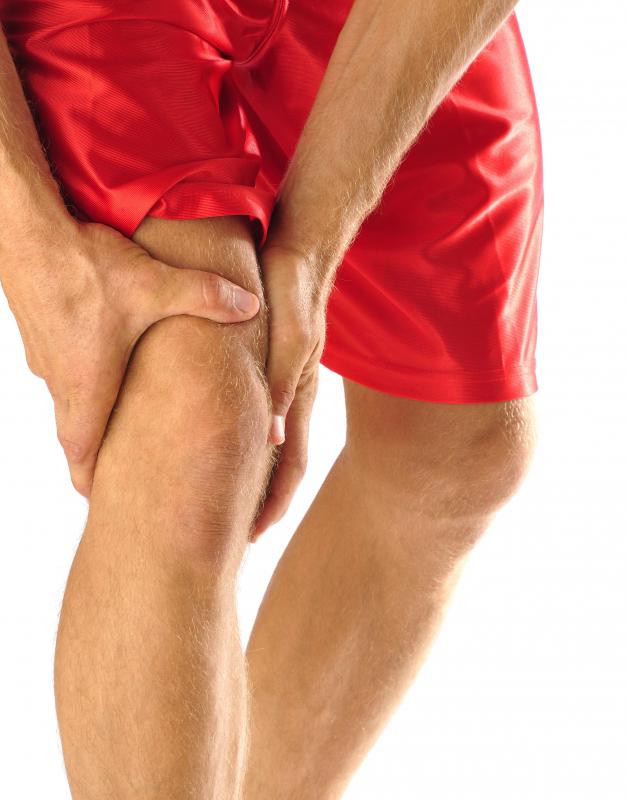
![Muscle spasms can be extremely painful.]() By: ShakzuMuscle spasms can be extremely painful.
By: ShakzuMuscle spasms can be extremely painful. -
![Eating bananas may help with muscle spasms.]() By: LiaurinkoEating bananas may help with muscle spasms.
By: LiaurinkoEating bananas may help with muscle spasms. -
![Drinking water regularly can help keep the body hydrated and make the muscles less likely to spasm.]() By: ElenathewiseDrinking water regularly can help keep the body hydrated and make the muscles less likely to spasm.
By: ElenathewiseDrinking water regularly can help keep the body hydrated and make the muscles less likely to spasm. -
![A muscle spasm may involve stomach cramps.]() By: Julija SapicA muscle spasm may involve stomach cramps.
By: Julija SapicA muscle spasm may involve stomach cramps. -
![Long-distance runs often cause muscle spasms.]() By: MaridavLong-distance runs often cause muscle spasms.
By: MaridavLong-distance runs often cause muscle spasms. -
![Applying ice may help relieve a charley horse.]() By: Marc DietrichApplying ice may help relieve a charley horse.
By: Marc DietrichApplying ice may help relieve a charley horse. -
![Infants with colic may suffer from muscle spasms in their stomachs.]() By: Galina BarskayaInfants with colic may suffer from muscle spasms in their stomachs.
By: Galina BarskayaInfants with colic may suffer from muscle spasms in their stomachs. -
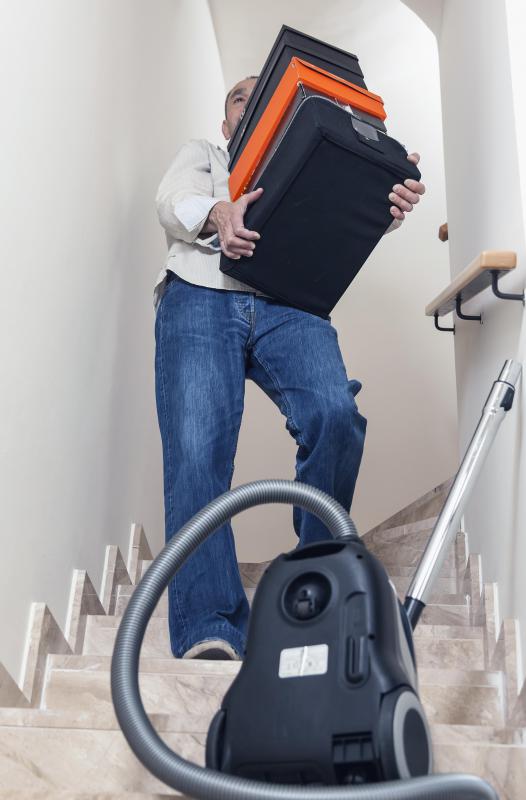
![Muscle spasms in the back might be caused by heavy lifting.]() By: ulldellebreMuscle spasms in the back might be caused by heavy lifting.
By: ulldellebreMuscle spasms in the back might be caused by heavy lifting. -
![Individuals with chronic muscle spasms should discuss symptoms with their doctors.]() By: AntonioDiazIndividuals with chronic muscle spasms should discuss symptoms with their doctors.
By: AntonioDiazIndividuals with chronic muscle spasms should discuss symptoms with their doctors. -
![Muscle spasms can make it difficult to get proper rest.]() By: Innovated CapturesMuscle spasms can make it difficult to get proper rest.
By: Innovated CapturesMuscle spasms can make it difficult to get proper rest.








Discussion Comments
My heart goes out to those with muscle cramps/spasms, for about 50 years I have been where you are!
Yep, tried just about everything mentioned. My cure as dumb as it may seem is walnuts, I eat about a 1/4 or 1/3 cup each day and a few more if I have any muscle discomfort. I am 5' 5" and weight 120 lbs, you may need to adjust the amount you eat.
I know this is going to sound odd, but it works for me. After playing my band gigs and being on my feet for four hours or so, I would routinely get muscle cramps in my calves at night. I found that if I massage the shin muscles in the front of my legs just on the outside edge of my shin bone the cramp would relax. -- Chas
@Anon74559: It's no joke. I have some plants that were turning brown and a lady told me the potassium, phosphorus or something was low in the soil and put some vinegar in the soil. They stopped yellowing and began to flourish.
Point: Something told me to think about how vinegar helped the plants. So I faintly recalled how people talk about the benefits of it. I put about a teaspoon, more or less, in my a half glass of water and drank it. Like 74559 said, it worked in less than two minutes for the recurring muscle spasms in my back. I've been having them daily. This is unbelievable! I'm going to keep a stash of vinegar as well. People don't understand how I have suffered the last two days. Try it!
@anon75817: How does anyone say thank you for your words? I am grateful for people with a heart like yours who take the time to help others. Thank you so much. I'm one of those people living with a pain that controls my existence. You've given me hope.
My legs have movement all the time, even when I sleep. It is not MS or Parkinson's. My legs are wearing out.
I get a sharp pain or spasms in my right side and back. At times I can't turn over or get up from a chair. What is this, and how can I treat it?
Last night, I was sleeping, with no dreams, just sleep, and I suddenly had an excruciating muscle cramp in both my legs, behind the knees and lower thighs. It woke me up, and my right leg involuntarily bent at the knee, and it felt like the muscles and nerves were twisting on the inside. I breathed heavily, then it receded. What does this mean?
Reading the symptoms/causes, it could be dehydration, but I've been dehydrated before, and this has never happened until this time.
Don't laugh, but we put a bar of soap (Dial) between the top and bottom sheet, down by my husband's feet and it honestly helps his nightly leg cramps. When they start again, we simply remove the old bar and replace it with a new bar. It really works for him. Sometimes he's even put a hotel size bar in his socks!
I can't tell you why it works, but it just does. It keeps his nightly leg cramps at bay. Try it. What do you have to lose? I don't know if it helps with any other type of cramps though.
I had torticollis and was diagnosed with a muscle contraction. I tried all traditional methods before having surgery to release a severe right scm tendon. It failed, not only once but twice. Now the contraction/spasms are in my neck, upper body and are severe. What next? I've tried just about everything?
I've got muscle spasms in my calf, eyelid and sometimes in my stomach. They're painless, but irritating. Sometimes I get stress-related ones on my head.
I get spasms and am very sore with vomiting and a need to go poo. The spasms start on my bottom and the rest start at nearly same time. I have seen the doc often, but it's diazepam df118 painkillers and anti nausea pills. Should I panic? -- jim
I have had muscle cramps since early teen and I am now 60. I came across Active Joint by Trace Mineral Research out of Salt Lake City. Problem solved. It is amazing.
If I miss a day I will have small cramps and I don't miss more than that because the big ones are beyond my ability to describe and leave me sweating in pain for a half hour or more. Eating something with added sugar before bed is a contributing factor, but the trace mineral product controls them.
I, like hundreds, also suffer leg and stomach cramps.
My father also suffered the same and would be bedridden for a week. I have tried quinine, but owing to a heart condition, I am not allowed the tablets.
I am taking mega Magnesium with Vitamin B, plus calcium tabs daily. They seem to help some, but are not a cure all. I do stretching exercises before bed as well.
Try massage therapy for muscle spasms. Spasms often lead to knots within the muscle and become a sensitive area called a trigger point. Regular massage therapy helps to release the trigger point and allow healing within the muscle to occur.
I was wondering how you get disability for fibromyalgia? I am suffering really bad and a long with it I keep having major medical problems and three surgeries in one year. I cannot do any kind of work.
I have been to all kinds of doctors and go to a pain management doctor tomorrow. My right leg is in constant pain and i don't know what do do.
I gained about 20 pounds since I graduated high school and I recently started working out and eating a lot better. It's my fifth week and lately I've been running more than I usually do. I've been feeling like my left thigh is falling asleep or its numb and I feel like I have to punch it really hard a lot. What could this mean? and also I randomly got a random stretch mark in the middle of my thigh and it appeared in one day! I know this because I always look at my thighs.
I've been suffering from bad calf pain in my right leg for around 4 months now and it worsens when i walk. Also, I am waking up in the night with bad cramping pain. It is so unbearable and usually lasts 20 minutes or sometimes more. I had an mri scan, a scan on arteries and veins and also ruled out dvt. I was discharged from the consultant today, as there is no more they can do for me and was told it's a mystery. This pain is so unbearable. Is this happening to anybody else and anyone know what this may be?
For #81 - anon160537: My daughter was getting the same thing and it was an allergy to soy. Natural flavoring, guar gum and anything with the word soy in it. For her, it usually lasts about an hour.
This problem could be solved by a proper diet and vitamin supplements. It takes discipline and patience but it can surely be cured.
Some of the comments suggest Candida problems.
Docs usually don't check anyone for candida and even when it can be easily seen, they fail to recognize it. Candida yeast infection is the answer for many of us.
I've been having muscle spasms for the past two nights. Every time i try to go sleep, my left leg kicks off with spasms and i can't sleep. It's getting on my nerves now, so could someone tell me what's the best remedy for it, please?
I think some of these mentioned muscle spasms may come under the heading of Dystonia.
To everyone who has experienced a spasm. I'm having them regularly now. My stomach cramps up first then by back goes into excruciatingly painful spasm. It usually lasts about an hour. My husband has seen these a few times but he had to ring for an ambulance. They gave me gas and air then it calmed down and as they were leaving it went again and they gave me morphine (that was amazing)!
The took me to the hospital and the spasm had gone so they sent me home with one 5mg Diazepam! When are they going to take this seriously? It's been nearly two years and still no answers. My heart goes out to all of you who are going through this.
To #8 Mygal 390: Have you seen an allergy doctor? Could be allergies. Allergic reaction to something causing the stabbing pains -- might need prednisone. Need to determine the allergy -- if it is an allergy. Hope this is helpful.
I'm 26 years old and I get these spasms in my back and the chest and i think I'm going to die then i went to the doctor and he told me that i have very bad depression.
He gave me tablets to be treated then he said its arthritis some thing like that? then he sent me to see a bone specialist and they still haven't worked it out.
then i had stomach bacteria which spread through the body and it leaves you infected muscles, which doctors don't want to spend money on.
Ask your doctor to take your blood and then check which antibiotic works on you but you have to be willing to fight for it. i told the doctor what I'm willing to pay. I have a son who's four years old.
Stop stretching. You will have hanging skin because you will damage it yourself. It's infection that makes you lose vitamins out of your body. It's worse if you study it it 1.30 in the morning.
If they have treatments for cancer, why not for spasms in muscles? People, wake up. It's your GP. Get him working on your side.
can anyone help me with my problem? i keep on having cramps in my lower leg muscle in the middle of the night or even in day time. even just sitting down folding or unfolding my leg, i still get the cramp in my leg. recently it just happens too much in my leg. can anyone give me some advice on this problem?
This is for no. 10. I had similar sleep distress. My doctor prescribed clonazapan, a tranquilizer. I would take just a little at night before bed. After a while I didn't need to take it unless I had too much caffeine during the day.
Wow! I thought I might be the only person suffering from muscle cramps but I see it is quite common. I take calcium daily for osteoporosis but when I started taking 250mg of magnesium along with it, the cramps in my lower legs and feet lessened dramatically.
I still do get cramps in my stomach and legs - the type that will twist your leg out of proportion. I can sympathize with all of you! There is also the problem of sciatica that will cause muscle cramps. However, I am going to try everything suggested here: water, quinine, lime, etc. to see what will help. There's nothing worse than trying to get a night's sleep only to wake up in screaming pain from a muscle cramp.
To post 63 - experiencing esophageal spasms, you may have dysphagia or Barret's esophagus, either of which could lead to your problems. Be careful of the drug reglan or any drug that contains metoclopramide since this has been linked to neurological disorders
As to 71, Lenny: Leg pain is a common symptom and complaint. Causes of leg pain include: muscle cramps, dehydration or depletion of potassium, sodium, calcium, or magnesium, injuries, inflammation, nerve damage, and other conditions.
You might have used or overused a muscle there in a way they weren't used to. Stretch calves regularly throughout the day and at night. Drink six to eight glasses of water daily. Doing so will help prevent dehydration, which may play a role in the cramping.
Keep blankets loose at the foot of the bed to prevent your toes and feet from pointing downward while you sleep.
Ride a stationary bicycle for a few minutes before bedtime. This activity can help prevent cramps from developing during the night, especially if you do not get a lot of exercise during the day.
Do aquatic exercises regularly during the week to help stretch and condition your muscles. Wear proper foot gear.
Thanks for all your helpful comments. I also have severe muscle spasms in my thighs and know how painful and severe they can be. I have been to many doctors over the years, but haven't been able to find any answers. I've been taking every imaginable vitamin, eating tons of bananas and drinking plenty of milk to combat this problem. I will try some of the helpful suggestions that I've read on here. Hopefully we'll be pain free soon.
Please help, I have this muscle spasm in my left thigh, sometimes lots of times in a day and other days just a few. They last only a few seconds but take my breath away and makes me wobble. My leg feels quite loose afterwards, if that makes sense.
Now I can't go out without somebody with me to hold on to. I just never know when these are going to happen. Any ideas, anyone?
I just had a horrible cramp in my left leg which took my breath away my husband didn't know what to do. I was screaming frantically. My dogs were scared, too.
It starts in my hip and I can feel it travel down my hamstring, then when it catches my calf it is all over. It distorts my foot and my toes and foot cramp up so bad that they are twisted and bent funny and forced in positions they should not be in and it is painful. I wanted to just pass out.
My husband wanted to help and massage but I don't want anyone moving me or touching me at that moment. I am a nurse, a fitness trainer and nutrition counselor. I am a vegetarian (well an aquatarian). I only eat fish, and I cut out wheat, gluten, no caffeine, no alcohol. I am healthy but this is horrible. I am sorry for the ones that have it all over I could not imagine.
I drink seltzer water with lemon and lime and this helps and the heating pad. I do stretches and also try to stretch the hip flexors. I do detoxing to remove the toxins from by body since all the toxins we store in our cells are killing us. Thanks for letting me vent! -- Lenny
I am having multiple muscle spasms right now for the first time in my life! Whoever wrote about the belt, God bless you! Actually these spasms started last night. I went to bed screaming and woke up this morning screaming!
To all of you who have suffered like this, I am so sorry! Mine started with a slightly sore muscle after a long work day and after a long workout.
I have had 4-8 different muscles going crazy today from neck, back, leg, knee, ribs that are all right side. Oh, I am healthy and very active. However, I am a workaholic. As of today my new life includes God first, less work, good people like you here tonight, and one ex boyfriend. He wouldn't go to the pharmacy to get a heating pad for me because he said I was being a baby!
If I go away quickly it means that I am changing ice or belts or heat, etc. Thank you. I will be back! Jace
i sometimes have muscle contractions in different parts on my body: shoulders, chest, even on my eyelid (top and bottom). Sometimes they last for two to four days. Is there anything i can do to stop this?
Sorry for taking so long to respond. I was post 66.
As it happened, that same night that I posted my original symptoms, I got to the point of another spasm attack at about 3.30 in the morning. I rushed as quick as I could to the hospital so I could see the out of hours gp. No way could I drive as it would have definitely brought the spasm on.
Unfortunately, the gp out on emergency and I didn't want to go into A & E in case I was wasting their time. That's how the original gp visit had made me feel. So for the next 10 minutes or so I struggled to pace up and down, stretch or do what I could to relieve the impending spasm, but it was not improving.
I then remembered that someone had suggested to me alternate hot/cold application so I went home, applied an ice pack for five minutes and then jumped in the shower and alternated between hot and cold water on the area for about 10 minutes and lo and behold, it worked.
When I stepped out of the shower there was practically zero pain and I was able to sleep for the next two hours (though not lying down) before having to be up anyway.
Throughout the day I was not suffering at all, no pain, strange muscle twitches or any other symptoms. Just slight soreness.
However, I was active all day, working and during the evening the pain started to come back in my right back, but more noticeably, my right side. Though, at least there were no obvious signs that it was progressing towards another spasm attack and I have not had one since.
The pain is less severe, but it's still there and it's painful when I inhale quickly, try to cough, sneeze, burp or hiccup.
I've tried all the usual painkillers, but they do very little, if nothing at all.
One remedy I have discovered within the last 24 hours through just a feeling that it would work - don't ask me why or how - was to take a belt and fasten it as tight as possible over the area of my side that is painful and it has relieved the pain by about 75 percent. If I get a twinge, it is now only that. I can feel the pressure up against the inside of the belt as I experience any pain and it's as if the belt is helping keep the area from stretching out too far and creating more pain. I have actually been able to sleep because of this, even in my bed for the first time last night, though I didn't lie completely flat.
One other thing I had noticed more, now that I can have extended periods of sleep, and which I had only mildly noticed over the past week, is that I sweat a lot while asleep. A couple of days ago after only two hours of sleeping I woke up covered in more sweat than I have ever experienced, and yet I have no obvious symptoms of a fever.
Anyway, I will be visiting my own gp after the weekend so hopefully he will be able to diagnose the cause.
I have fibromyalgia and sjogrens syndrome and I have these symptoms. Try asking your doctor to do some inflammation tests for your RH and ESR factor and if high or positive then ask to go to a dermatologist and they can do more to confirm it.
I live in pain every day. I am sore to touch, have cramps, spasms,etc. Look up fibromyalgia and see if it helps. I have suffered for years and got diagnosed seven years ago and now live on lots of medications but have a more quality of life. I have to live on a disability pension but manage. Hope this is of help.
A few days ago I developed pain in my low right side of the back. It was so uncomfortable by the second night that I just was unable to sleep, so decided to visit my local out of hours GP during the early hours (yesterday morning), who told me it was just a plain muscle strain and recommended just taking pain killers. I'll admit at the time that I was suspecting something worse, so wasn't convinced.
Anyway, to cut a long story short, while at home that same day I experienced what I believe now to be a muscle spasm, though at the time, because of the severity of the pain. I thought I had ruptured something in my digestive system and even thought perhaps I was going to die. After two or three minutes I was able to get dressed enough to get out the door and head back to the hospital which was about a 10 minutes' walk away. However, by the time I got there all pain had disappeared, but I still decided to visit the out of hours GP again, only to find that they were closed and didn't want to bother A & E, after what the doctor had told me and as there was now no pain, I presumed I was now over the worst. Unfortunately, overnight the pain started to come back.
Today, I had to do many hours of driving while working, and during this time I could feel something not right with my lower back problem area. Something I wasn't sure of, but was sure it wasn't going to be good and after about two hours of constant driving when I arrived at my first delivery point, I had the same spasm as I got out of the vehicle. This time it lasted over 15 minutes and didn't seem to want to ease off that much. As I was delivering some moderately heavy
items, I decided that perhaps any vigorous physical activity might help, no matter what and it worked. Things improved after only a few minutes. A lady who had seen my distress had given me some painkillers and I decided to carry on my working day with my deliveries, which proved the right choice, which I'll explain later, as at each drop off I was able to do some moderate physical exercise during the offloading of the items to be delivered, and I completed the day. In fact, by the end of my working day, there were hardly any noticeable pains to speak of and I thought that finally I might be able to get my first decent night's rest in four nights.
Unfortunately, I now doubt I'm going to be so lucky. It's now 12.30 am as I type this and what I've noticed since I got home was that complete rest is making things worse! My damaged muscle starts to twitch, so it is never at rest and as it twitches the pain starts to develop. If I don't get up and move around, the only outcome appears to be those excruciating spasms.
I now believe, that was what I was noticing while I was driving in the beginning. I was picking up the little muscle twitches, which were aggravating the damaged muscle. This evening has been spent getting up as the twitching and pain develops before it's too late and I hit critical spasm mass.
I am going to visit my GP, as I now fear that the rest my muscle needs is not going to happen and I am going to be caught in this catch 22 scenario, of wanting to rest, but not being able to.
Has anyone else experienced anything similar?
I have been suffering with severe cramps and muscles spasms pretty much non-stop now for a year. Last year I took an ambulance ride to the hospital because my whole body decided to get into the action at the same time. The one thing I have noticed is that it even at times hurts to touch my skin. There is not a spot on my entire body that does not go into spasm right now throat fingers toes calves thighs arches tops of my feet, even my eyelids started to spasm. Yes these are the most painful thing anyone could imagine.
Now they are in my back and rib cage. I have done so much testing and nothing. I think I have taken every vitamin known to man and even gone to a specialist to make sure I was taking them at the right time, and not to mix the wrong ones together.
Here is what I have found so far first calcium with magnesium and vitamin D is extremely effective. I have stopped drinking diet drinks or any food containing diet supplements. So if anyone here is a diet person I am here to tell you this really has merit.
After quitting the diet substances I am now turning around and I am beginning to walk much better again. I am not even a heavy diet drinker maybe 1 a day or every two days but I started drinking these drinks in 1992 and now if I look back I can tell you it has slowly progressed over the years.
When I tracked myself I got better in the times I did not drink the diet without even knowing it and when I started again I became ill all over again. There is one more thing I tried which came out of the US. It was Called CalMax and it is a powder which is mixed with hot water for a drink and it is a calcium, magnesium type mix. It really made a difference too.
Hope this information helps anyone who suffers from this type of problem because it is awful.
I have been having muscle spasms most of my adult life in just about anywhere you can have them. I have tried everything. It happens sometimes in the day, but mostly at night. The only solution I find that works to relieve the pain is a microwave heated bean bags (as hot as you can stand) applied directly on the spasming muscle. Try it! Trust me --it works.
For several years I have been getting muscle spasms of the esophagus. I can't swallow or speak. I vomit every few minutes. It is an awful thing to experience as it is painful also and today it lasted for six hours. I take magnesium, which seemed to be helping for several months, but now I am getting attacks again. Can anyone help me?
i suffer with cramps and spasms too. i wanted to try to help those that are looking for something to help them. i was told that quinine is great for cramps, so i first bought tonic water -- the drink you usually use to mix drinks. it comes in regular and diet.
drink a glass every day and you will not suffer from cramps. recently they just came out with pills for leg cramps that include quinine. i use them for my chest spasms and in a few minutes they're gone. hope this helps someone.
good luck.
Thomas Griner is the expert on hypertonic muscles. His story is fascinating and the remedy is very specific but not expensive.
I have also had stabbing pains that run from the base of my head to the tip of my head and the doctors say they are spasms caused by stress. I have spasms everywhere.
I am 60, I have them in my abdomen, thigh, calves, my feet, my throat, my head, my eyelids. The last time the spasm would not stop even after I went to see my doctor, so I went to the hospital and was given a shot, anti-inflammatory medication and muscle relaxers.
I believe that it is either caused by the type 2 pre diabetes (nerve damage) or undiagnosed MS. That was suggested when the spasms came periodically. Now they come every day and not always in the same place.
i am having pain since a month in the right side below the waist. if i sit or sleep it does not hurt, but if i stand to do something it starts hurting as if i should go and sit down and after checking the xrays doctor told me spasms. i was weight training lately.
After reading most of these posts I felt I needed to write to try and help.
A lot of muscle cramps are caused by a lack of Magnesium so when you take the Calcium you need other minerals to break it down in your body, otherwise it won't be adsorbed. Calcium, Magnesium, Potassium and Vit D. And there's a ratio like 3-2.
With dehydration you need to keep the body hydrated with lots of water and you might need some salt to keep the water in the body and not sweat it out. Don't drink those energy drinks or Gatorade, they are more sugar and caffeine and they can hurt you more than harm you. And they can be very harmful to the kidneys. Better to get Pedialyte or some adult version of it; it has a lot more electrolytes than Gatorade.
Taking all kinds of pain pills, even over the counter ones, are really hard on the kidneys and can, in time, cause kidney damage or even failure. Try to find another way to control the pain besides the Tylenols, etc.
Drinking any kind of sodas will kill you, they have so much sodium in them they destroy the kidneys and are a huge diuretic. This can be a big cause of muscle cramping. Those sodas running the body are like paint thinner.
A tea or coffee don't do the damage that sodas cause.
If you buy minerals, go to a good health food store and get a good brand, it costs more but they will work better for you. The cheap stuff will not work at all.
Everyone is different. you may need more of something than someone else and only you can find out what your body needs.
Please don't be afraid to go to the doctor to find out what's wrong. And if he says he can't help you, then you find someone who will help you.
Care enough about yourself to take good care of yourself. Everyone here is in way too much pain. it's a horrible way to live. I wish you the best that life can offer and a pain free life.
I have found something that helps almost immediately! I drink apple cider vinegar, about 1 oz. It tastes terrible! If you mix with about three oz of juice it is less awful. Use a straw and plug your nose then drink it up fast!
You will start feeling better in less than two minutes. Trust me, it is worth every bit of the nasty taste.
I usually take a couple of tums right after to kill the vinegar taste in my mouth. Try it. Keep some mixed in a cup with a lid in the fridge if you get them often.
I will not travel without my vinegar. Too many times i have had an emergency need for it. My doctor thinks it may be because my sugars are too high. Good luck and god bless!
I started have spasms about 6 years ago and they started in my sternum. I really thought I was having a heart attack. Drinking cold water is the only thing that I have found to help reduce and sometimes take the pain away.
Now over the past 6 years, I have had muscle spasms every where you can think of but, lately in the past 3 months I have had 2 spasms and they have been in my neck. Each time they have both lasted for a month -- i've missed a week of work each time.
The pain is really terrible but, I don't have to tell any of you this. I pray that the information that everyone has shared here can and will help me because I'm wore out and have no idea where to turn from here. So, thank you.
Drinking water with a freshly squeezed lime/8 ounce water cures my muscle spasms that are the result of poor hydration. Stock up on lime and drink it every day!
I always get it in my calves and they are just one of the most painful things I ever experienced. All of a sudden I'm walking just fine, but then when I go on a higher level it just bursts out of nowhere, but it usually only lasts for around a minute or two, the longest lasting five. Sometimes, I even wake up in my sleep just to find this pain.
i keep getting twitches on the left side of my abdomen. It doest hurt, but is really annoying and can be at times uncomfortable, it is happening as i type this, and has been doing this for 1 and a half hours. i need help.
I have been getting frequent muscle cramps in my knees in the muscles behind the bone and it gets so tense that i can not bend them for a long period of time and also all over my body. Lately it is like the muscles spasms or cramps have been spreading.
First time i noticed it i was sleeping and i woke up to pain in my legs from the hips down. I couldn't bend my legs at all and it hurt so bad and my bones felt tender and weak.
Now it is not only happening when i sleep but when i am awake too. I could be standing there or sitting or move to one spot to another and the spasms start. It has been going on for so long that my body is in constant pain and no over the counter muscles relievers help.
Some people have told me it could be serious and i should see a doctor but I'm scared of what it might be. Any suggestions would help to ease my mind and maybe convince me to see a doctor. Please help
just wandering if it is normal for a guy who had first time sex and then felt some muscle aches and spasms on his body within two or three days after the sex? there was also a pain in the right side below the rib. hope someone can help me. thanks a lot.
Apparently, pain management doctors can treat, and allegedly stop, muscle spasms that have occurred due to back injury.
i have so much pain in my right side i think it is muscle spasms. it's under my rib and goes to the side. i also get very bad leg spasms.
#45 that is what I get. how can a doctor or someone answer these questions. could this be a heart attack happening is blood getting to my heart. can someone answer these questions? The doctor does not know
I have had back pain for the last 10 years since my heart bypass operation. it starts where the drain had been put to take the water out of my left lung. it gets so bad at times that i feel i cannot take any more. I am on Tramadol, Fentanyl patch, Lidocaine patch, nothing seems to work. Any advise is welcomed.
I have been getting back pain and can only stand for 15 minutes than my legs go numb, then I will get a spasm in my ribs on the right side only and it looks like a unknown person coming out on my side.
I have to walk this off but it is so hard because of my back. What is causing all of this? Could this be MS?
nov. 2008 after a night of drinking i noticed the next morn my belly button was opened and had a sore on it. this caused sharp shooting pain across my right side below my rib cage. also a dull achy pain, constant. my doctor gave me antibiotics and it held the sore.
I am still having this constant ache on my right side and sometimes it radiates into my back and lower abdominal. i've done many tests: barium drink, colonoscopy, ultrasound, laparoscopic surgery and ct scans. so far every thing is negative. this had been a full year of this.
sometimes the pain is unbearable. it also seems worse with my periods. I have irregular bleeding and pain during intercourse. i also had my gallbladder removed 10 years ago and my GI said i have symptoms of IBS.
I'm at my wits end and not sure where to go from here. i have two small children and getting through my days have been a challenge. sometimes i think i'm just crazy because the ache is bearable. and then it hits me like a truck other days.
can spasms really cause this much pain? i feel like a junkie some times, and the anticipation of wondering when i will get another attack. i have always been an active person and now i just feel depressed a lot.
it feels like if i just push through my days it's OK, by the time i sit and relax at night it's too much to handle.
I'm glad to know I'm not the only one with no answers so if you find some please let me know. I've also looked into nerve damage. just not sure what to think or how i feel anymore!
my family thinks i am a wuss. i keep telling them i have spasms in the stomach muscles. after reading this i realized that i am so ill my mummy will have to take me to the hospital. if you love school you are now my friend. thanks for helping me through this rough patch. i am off to my favorite place: school. bye my spasm friends.
i have so much pain in my right side i think it is muscle spasms. it's under my rib and goes to the side. i also get very bad leg spasms. can any one help.
I just recently had a fall at gymnastics and landed on my arm twice. anyway, the doctor at the hospital told me to put it in a sling for a few days. i did that, then just took it off and i keep getting really bad cramps in that arm. someone help me!
My back is killing me and I can't take it! i have had muscle spasms before and just ignored them. And i have had muscles twitch all the time! But this is horrible. it hurts so bad! and i don't know what to do!
I've been getting these muscle spasm all over my body for the last five years and not one doctor can tell me what causes them. I get them in my stomach and most of the time under my breasts it feels like i'm having a heart attack. I get them on both sides also. All day long this goes on.
I get cramps in my calves every night. Bad ones. Nothing helps except getting up and standing. Apparently putting weight on the muscle is the only thing that will stop the cramping. Now lately constant small spasms have started. Major bummer. Anyway, try standing, it may help.
I'm ready to give up. For the last 2 1/2 years my muscles from my waist clear to the top of my head go into spasm. They get so tight, i have trouble breathing and it feels like someone is trying to tear my ears off. I have ended up in the ER several times due to this. I am in pain management, I have a Fental patch, Loritab, Wellbutrin, Valium and a few other muscle relaxers and pain killers. My regular doctor has referred me to orthos, i've been through every therapy there is. I hope someone can come up with a doctor to help me. It is not spinal, it is muscular.
I have cramps all the time in my leg upper and lower calves. I have been told I need to increase my calcium and drink a lot of water in which I did I still get them. So I asked my pharmacist one day and he said that he drinks club sodas when he is having one, because it has quinine in it. It does take it away very shortly.
Muscle spasms can be caused by cloged arteries or nerve damage. There may be muscle/nerve cell damage due to a lack of oxygen supply. Hit the fitness center before the condition worsens.
I have suffered over the years with cramps in my calves and noticed it often happens when I am stretching (when you first wake up) as well as during the nights when I sleep. It's so painful that I can't even touch it and I daren't move in case it repeats straight away. I've learned to not stretch the lower half of my body which helps to minimize the frequency of the problem.
Calf leg cramps can be stopped in a minute without residual pain by simply doing this:
Pull the toes toward the knee (this will shorten the muscle); with your fist firmly push the cramp and hold (this pushes oxygenated blood from the area). You will feel an immediate release and will know when to remove your fist.
This article helped me tremendously. I also suffer with an occasional calf spasm. What helps me is hopping out of bed to my kitchen sink and drinking a lot of hot water. It usually subsides within 10 minutes.I was glad to know that it could be caused by poor hydration. I'm guilty of that. Thanks
thanks. i learned a lot for my defense this week. --jhosh_baguio
I can sympathize with many people who have commented, as I also suffer from painful muscle spasms. It seems my left calf muscle is always affected and it only happens about once to twice a year. But, when I get a spasm it usually lasts for at least 30 minutes or longer. The pain is so unbearable that it is surprising that I have not passed out before. All I can do is scream and cry. I got one last night at 2 A.M. and it lasted for the typical 30 minutes. At first, I *always* try to flex my muscle and point toes up to ceiling. This works only momentarily until another wave of spasm hits again seconds later. But once you move your leg positioning, sometimes the pain worsens (not improves like most are told),as then it almost feels like the muscle is bobbing around and gets trapped or locked into position after the stretching of my leg. So, stretching does not work. Walking it out does work, but you have to get through the agonizing pain first, which feels like someone has a razor sharp melon ball scooper and is scooping my muscle out in chunks! I usually fall when trying to get up to my feet. But, if I have my husband's assistance, I can usually walk a few steps. I am still very sore the next day. I took 2 skelaxin (muscle relaxers) 30 min after incident, followed by tons of water, a banana and some orange juice. I also took a chewable tums, which has high dose of calcium and magnesium (it was the only calcium/magnesium I could find in the house). But, banana and OJ supplied needed potassium. It's been so bad in the past, that I've been on crutches the next day, then a strong limp the day after. Like I said I rarely get a spasm,but when I do it's very severe. Thankfully, they've all been at night and at home. This is why I have prescribed muscle relaxer due to this pain. I am mentally afraid and freaked out that another one will come and therefore I also go without sleep for a day or two after this happens. I feel my problem is probably poor hydration, as it usually only happens in the summer, with this Florida heat mixed with extra outdoor activities and not enough H2O. Hope this helps anyone having unbearable calf muscle spasms. I just need to remember that water is key. Also, proper electrolyte and mineral balance.
Thanks. this info really helped me!
i was so happy to read this article and gain some helpful info. i can be sound asleep and feel as though someone stabbed me in my left calf. it is so horribly painful. it also happens when i am awake. i was out to dinner with friends and suddenly yelped in pain. it's so random, there is no warning. at least now i have an idea of what to try, starting with more h2o.-- shoeboo
this article is very helpful. as i read the different kind of MS. i wondered why the article state only the MS of the legs, stomach, rib, etc. now my question is that is it possible to have MS on the cheeks, particularly near on the eye?
because i know one,who is suffering over this uncontrolled contraction of a muscle. Please help me because my heart is aching every time i saw her face having this MS. thanks a lot.
What is the point in the questions if no-one replies...?
I have been having menstural cramps and on top of that I have been having stomach muscle spasms. I don't know what it could be or what could be causing this. What should I do? It's been 3 days now. Please help me out..
After a few days not going to the bathroom I woke up one morning to severe pain in the middle of my back and it stopped me from moving. It is excruciating!! If I move in a certain position the pain lets me know to straighten up or get out of the position. It's been hurting for about two weeks and now it's going down to my leg.
I can relate mostly to the ones who've mentioned these spasms in their calf muscles. I'm 19 and have been dealing with this since I was about 16 or 17. Extremely painful spasms in my calf muscles wake me while I'm sleeping and I can't do anything about it but squeeze my pillows in agony. The pain seriously feels like my muscles are contracting, stretching, and tearing beyond their limits.
I'm posting this because it happened again just last night and my leg is still sore from it today and I'm getting sick of having to deal with it.
According to this article, excessive exercise may be the problem. I don't work out daily, however I do have a job where I'm on my feet all day long doing physical work. Could this be considered as too much exercise?
Also, is there anything that relieves pain instantly? I want to keep it by my bed for the next time it happens..
interesting article. I've been having severe muscle spasms in my left calf and right thigh only. i'm not sure when exactly they started, but if I'd have to guess about four years ago. recently they've been getting worse and more frequent.
I never feel them coming, they just happen and it feels like someone is tearing my muscles apart. I tried to do less intensive exercise, but no improvement.
lately they've been occurring in my sleep. I found that rubbing the area hard(if possible to reach) and also that stuff you spray on sore muscles work.
i am 17 and recently i woke up with the pain of my left leg being in a spasm. i have never felt pain like it in my life. this finally went away after 3 hours but my calf was very painful for the days that followed. a week after this the exact same thing happened, but on my right calf. i was worried as i had no idea what was causing it and i am writing this today as yesterday i had a very painful spasm that lasted from 12 midnight till about 5. i hardly slept it was so painful. my arm still feels like it is sore and is wanting to spasm now.
does anybody have any idea what this may be?
i get muscle spasms on the back of my legs which make my knees lock. i've been told it is because of my cerebral palsy. is this true? can it be treated so it doesn't happen again? i always end up in the hospital because i can't unlock knee when it happens.
This was a very good article to read.
I have been having spasms all my life. Then I was diagnosed with MS and now the spasms are even worse. I take pills given to me specifically for spasms for my condition, but they don't seem to help at all. They basically just put me asleep to keep from feeling the pain. When I wake it is the same thing all over. I am in constant pain 24/7. I take tons of tylenol and ibuprofen and nothing seems to work. My doctor (neurologist) basically tells me the same thing while he constantly takes my $35.00 copay.
I feel like they can't seem to help me at all. What should I do to keep from being in pain and taking so much medicine?
I take calcium pills and take avonex weekly to help control my condition. I really feel that they don't know how to treat my ms. I just want the pain to go away is all. It is getting really hard to stand on my legs and move. I never knew that the daily functions like coughing and sneezing or even trying to get up affects your legs. When your in pain you start to notice a lot of how your body reacts. I just pray for us all that the pain reduces and goes away and we all get better. Thanks
I have a strong pain underneath my left shoulder blade. Can this be muscle spasm? It's so uncomfortable that it's just hurting my left arm and it won't let me do anything around the house. Can someone tell me if there is a solution for this pain? Thanks a million!
I have non-painful spasms, in my leg, my lower butt, like right where my thigh starts, and in my palms and sometimes my eyelid. I read the article and it suggested lack of calcium which might be the case for me I will have to start drinking milk to be sure though.
mine just occurred in my calf leg area
it hurt so bad
this article says may be caused from *too much exercise*
but i don't exercise @ all
i think i need to start
i sit around on my laptop all day
and don't get up..
cud this be a reason?
I was wondering if anyone has a clue of what this may be.
I walked for this cause although it was only 8 miles, after a few days I have had this pain on the right middle of my back like a muscle spasm. The pain is unbelievable. Its not constant but whenever I move a certain way etc it hits me for that second and to the point of not being able to breathe because it hurts so much. Its making anything and everything I do so difficult. Has anyone ever experienced this before??
i have been suffering with severe pain around by the ribs on the left side of my body. severe and constant, then from nowhere the pain gets 10 times worse for about 5 to 10 seconds, which is crippling then after that it goes back to the constant pain, and my stomach muscle won't relax at all.
I have severe charlie horse spasms in my left leg. When I get them they happen over an over again for a couple of days and then just go away. This happens at least 3 times a month. I have a constant band like feeling or constriction that goes across the top of my stomach it always feels as if the stomach is pushed in or as I said a tight band and it makes breathing difficult I cannot take a deep breath it cuts the breath off so that each breath is shorter than normal. This started in small spurts of once or twice a day lasting for an hour or so now it is almost constant. I have no idea what this is. I have an appt around the 9th of January 08 so hopefully they can tell me then. Any input on this is much appreciated.
I recently got spasms of my stomach also which weren't painful. I found it happened whenever I used to drift into sleep so it would wake me up every time. The doc said it was reflux and gave me Somac. I haven't had it since, but instead when I start to drift into sleep my body panics and I feel a wave of anxiety go through me maybe because of the fear of having the spasms. I can't control this feeling because it happens when I'm relaxed and going into sleep when my mind is going somewhere far away. Anyway, sleeping pills have helped somewhat but somehow need to get rid of the anxiety. Not entirely sure the doc was correct though...
im having a stabbing pain on my right side of the body..like at the middle of the rib...its been like 5 days im having it and when it hits...it hurts for a few minutes and it starts all over again what can i do for it ?
I get severe stabbing pain at the base head, it's like lightening bolts going up my neck into my head. My doctor said this was muscle spasms caused by stress. I have been reading the other comments and none have said stress, could stress really be the cause of these stabbing pains?
but please explain to me so i could understand how it happens. is it cause by a build up of muscle? is is it a chemical?
This article was really helpful. I just came from six flags and after being there and walking all day, I ended up having a really bad muscle spasm in both legs and had to call it quits. Good thing it was almost closing time anyway. My friends told me that it could have been caused by dehydration but I wasn't sure. The spasm in my left leg was so bad that I almost cried.
I was interested in the post by owenwebby...
i suffer from the exact same situation. I get these really short non-painful stomach spasms, especially at night. They usually last for a few seconds but are frequent. It really makes it difficult to sleep at night when this occurs. Does anyone know what is causing this and what to do?
CC
i have been having sudden pains in my right leg for over 4 years each doctor says something different i thought it was just gas or pain from constipation. recently i realized that i have also been have the pains or discomfort in my chest and left arm my doctor told me today that i was having a muscle spasm and needed ice
how do you get a muscle spasm?
i just started getting theses really short non painful muscle spasms, especially at night. they usually last for a second or two but can be frequent it makes it difficult to sleep at night when this occurs. what should i do?
may i know if there is any treatment for a continusly spam in gleuts muscles and thighs caused by neuropathic pain?... the neuropathic pain is gone now but the spasm and changing in the size and shape of muscles is still there..so any treatment makes it go for ever?
Post your comments