
At TheHealthBoard, we're committed to delivering accurate, trustworthy information. Our expert-authored content is rigorously fact-checked and sourced from credible authorities. Discover how we uphold the highest standards in providing you with reliable knowledge.
What is a Lung Nodule?
A lung nodule is a mass of tissue located in the lungs. Though about 40% of these growths are benign, they can be cancerous, especially in older people and smokers. Many people with this condition don't have any symptoms, though some do have wheezing, shortness of breath, or a persistent cough. Treatment depends on the size of the growth, whether or not it is cancerous, and if it makes it hard for a person to breathe.
Risk Factors and Causes

Though lung nodules are fairly common in general, certain types of people are more likely to get them than others. This includes people who are over the age of 50, those that smoke, anyone with a family history of lung cancer, and people who work with chemicals as part of their job. A non-cancerous lung nodule can be caused by a variety of conditions, including bacterial infections like tuberculosis and hisoplasmosis. Inflammatory diseases like rheumatoid arthritis can also cause these growths, as can some birth defects, parasitic infections, and tissue abnormalities, like lung cysts and hamartomas. Malignant nodules are most often caused by lung cancer, but can also be caused by cancer somewhere else in the body: for instance, breast cancer and colon cancer often spread to the lungs.
Diagnosis

Since they often don't cause symptoms, most lung nodules are found when a person is given a chest X-ray or Computerized Tomography (CT) scan for another purpose. If the growths are small or appear to have calcium in them, a healthcare provider will generally recommend watchful waiting, especially if the person doesn't have any underlying diseases or other risk factors.

For ones that are particularly large or have an asymmetrical shape, he or she will usually recommend a biopsy to see if they are cancerous. This is usually done by taking a sample of the cells in the lung nodule either by making a small cut in the chest, or by running a thin, flexible tube through the mouth or nose and then removing cells through it. After the biopsy is done, the sample is examined under a microscope to make a diagnosis.
Treatment and Prognosis

A benign lung nodule generally only needs treatment if it causing symptoms severe enough to impact breathing. Typically, healthcare providers treat the underlying cause, and then monitor the growths to see if they grow or become abnormal. If one is big enough to disrupt breathing, then it will usually be surgically removed. Though the prognosis for benign nodules is usually good, their size and location can make a difference.

Cancerous nodules are generally surgically removed, and may also be treated with chemotherapy or radiation. Like other types of lung cancer, the survival rate for malignant nodules is very low, especially if the cancer has spread to other parts of the body. This can be dramatically increased with prompt treatment though, making early diagnosis very important.
AS FEATURED ON:
AS FEATURED ON:


-
![Medical professionals can examine chest X-rays for indications of lung nodules.]() By: nyulMedical professionals can examine chest X-rays for indications of lung nodules.
By: nyulMedical professionals can examine chest X-rays for indications of lung nodules. -
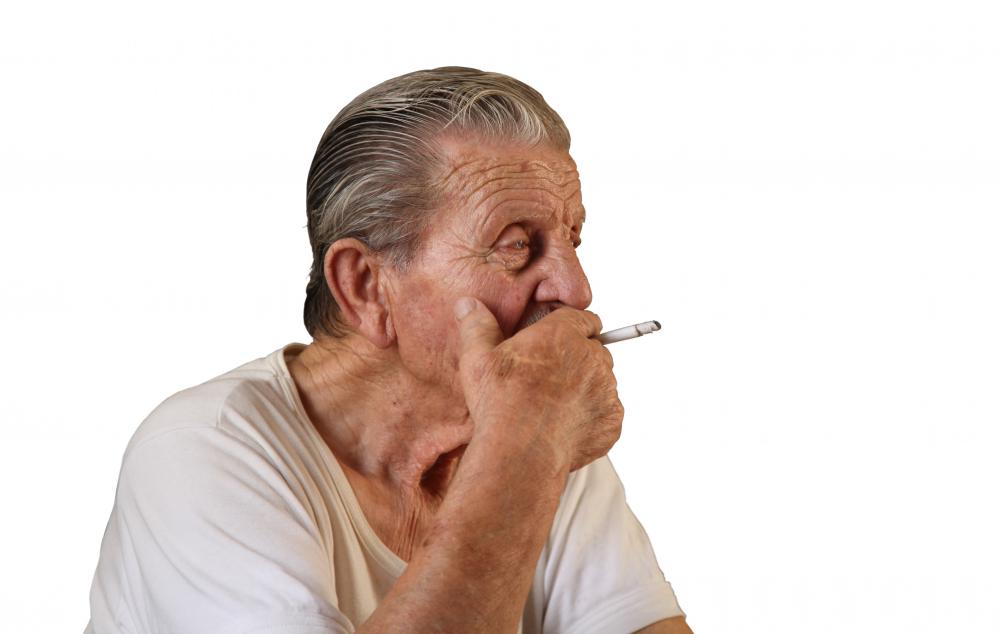
![Smokers are at a serious risk of developing lung nodules.]() By: bangldsSmokers are at a serious risk of developing lung nodules.
By: bangldsSmokers are at a serious risk of developing lung nodules. -
![Cancerous lung nodules may be removed through a surgical procedure.]() By: deregeCancerous lung nodules may be removed through a surgical procedure.
By: deregeCancerous lung nodules may be removed through a surgical procedure. -
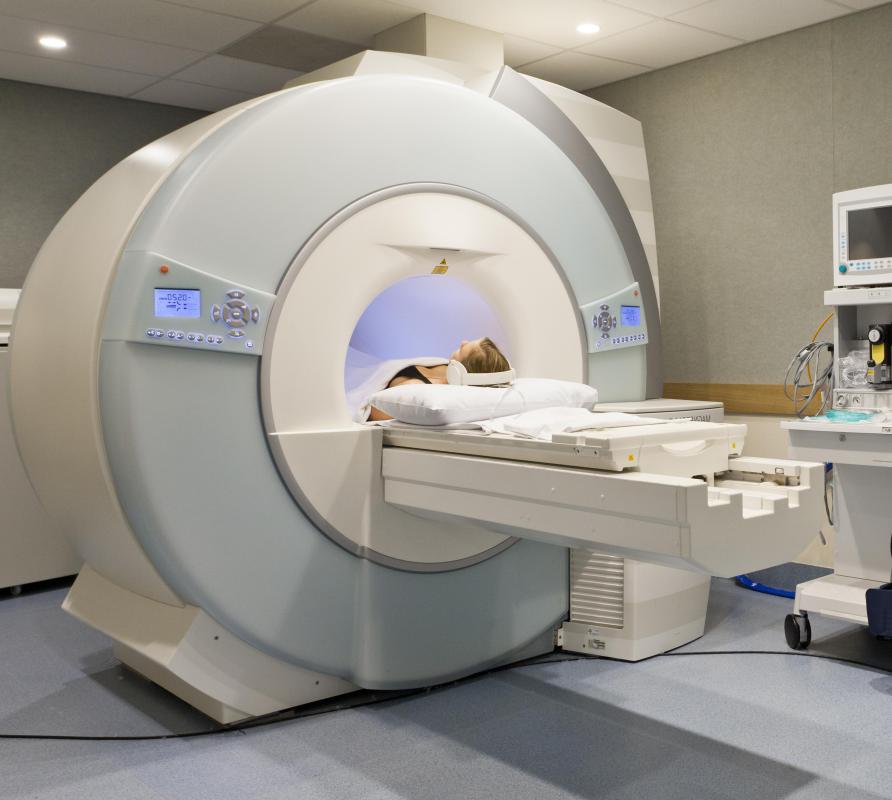
![Lung nodules are often found during CT scans.]() By: ep stockLung nodules are often found during CT scans.
By: ep stockLung nodules are often found during CT scans. -
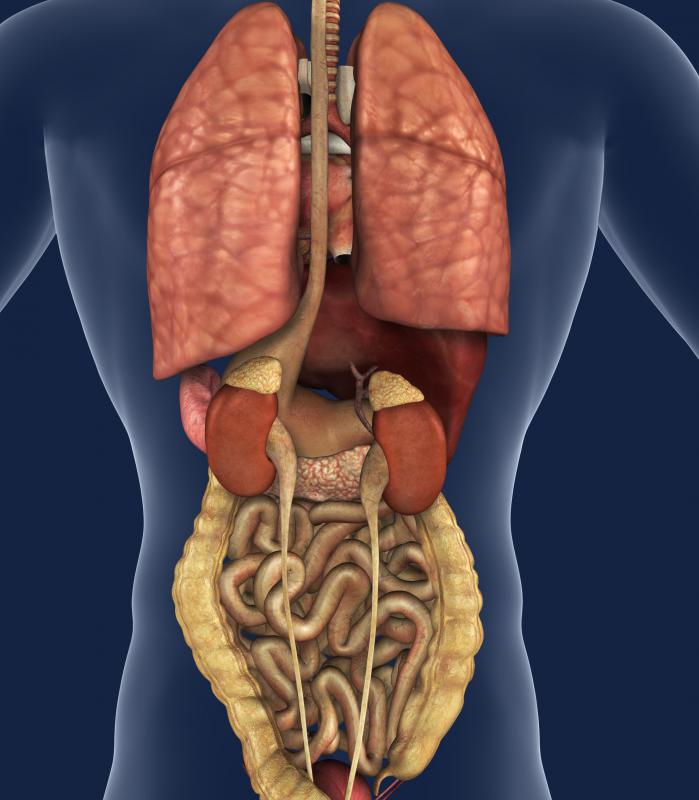
![A lung nodule is a mass of tissue located in the lungs.]() By: AlienCatA lung nodule is a mass of tissue located in the lungs.
By: AlienCatA lung nodule is a mass of tissue located in the lungs. -
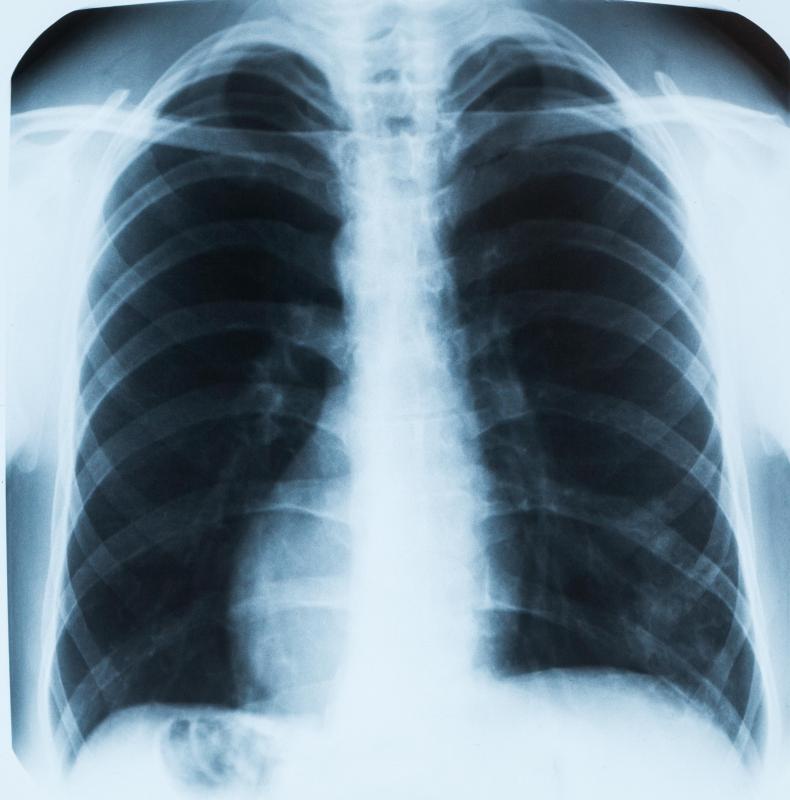
![Most lung nodules aren't found unless a person has a chest x-ray.]() By: DeymosMost lung nodules aren't found unless a person has a chest x-ray.
By: DeymosMost lung nodules aren't found unless a person has a chest x-ray.


Discussion Comments
On a routine chest x-ray, a 1cm nodule was found overlying the left lung base with platelike atelectasis (bilaterally at both lower lobes-appears chronic?). Is this cancerous? What are the causes? Any help will be great.
I had a CAT scan per report recommendations from the x-ray, which I just had done and I am waiting on the report from that. I just figured I would ask anyway. Where would it come from? I have multiple auto-immune diseases as well as Chiari 1 malformation shunted into right pleura with 3 syrinx inside spinal cord: 1 C/6-T1, T/4-T/6 and T7-T/9. The syrinxes have remained stable for three years, but not are reducing. Could it be relatied this condition as I have many problems from this condition.
I have a 6mm nodule on the upper part of my right lung. Should I be worried?
The American Thoracic Society recommends current and former smokers take a lung function test if they have family history of lung cancer. The society published a study in 2006 that examined 26,000 lung cancer patients. The study concluded that 14 percent of the participants who had lung cancer also had a close relative diagnosed with the disease.
This study is additional proof to a potential link between lung cancer and genetics. Lifestyle choices are still the leading cause of lung cancer, but scientists suspect that genetic mutations occur from generational exposure to carcinogens.
The study also gave guidelines to doctors for measures to identify groups at higher risk for lung cancer. The authors of the study recommend doctors collect information on family history of lung cancer from patients with chronic obstructive pulmonary disease (COPD). Doctors should also collect data on family members with COPD from patients already diagnosed with lung cancer.
I read an interesting article about researchers who are working to predict lung cancer sooner. The article above refers to a CT scan method called RECIST, and it displays lung nodules in two dimensions. The researchers are studying a CT scan method called volumetric CT scanning, which displays an image in three dimensions.
The author stated, early detection of malignant nodules is important to preventing the cancer from spreading. Volumetric CT scans will allow doctors to detect changes in lung nodules that are ten times smaller than what the RECIST technique can detect. Volumetric CT scanning technology will allow doctors to take a second CT scan in a matter of weeks instead of months. Doctor's will be able to determine if a lung nodule is malignant before it reaches 25 millimeters with this technology.
It is good to have chest x ray done when healthy so a doctor has it on file.
If later on a spot in the lungs is discovered the doctor can compare x rays, and subsequent testing can provide information whether the spots are changing and growing, or remaining the same, or possibly even disappearing.
Post your comments