
At WiseGEEK, we're committed to delivering accurate, trustworthy information. Our expert-authored content is rigorously fact-checked and sourced from credible authorities. Discover how we uphold the highest standards in providing you with reliable knowledge.
What is a Like Kind Exchange?
A like kind exchange is also known as a 1031 exchange, referring to section 1031 in the US Internal Revenue Code. In essence, it is a way of temporarily bypassing capital gains taxes by reinvesting proceeds from a sale into a similar asset.
For example, if a person were to purchase a piece of property for $300,000 US Dollars (USD) in a soft market and sell it a few years later for $500,000 USD, she would make a profit of $200,000 USD. Under normal circumstances, she would be required to pay capital gains taxes on that $200,000 USD. If she were to purchase a new piece of property for $500,000 USD (or more), however, she would be conducting a like kind exchange, and therefore be exempt from capital gains taxes until she made a profit off of the new investment.

The time constraints on conducting this type of deal are somewhat limited, and the Internal Revenue Service (IRS) is traditionally very strict about offering no extensions. For this reason, it is a good idea for people considering it to have a replacement transaction in mind before offering the original asset for sale. Within 45 days of the initial sale, the person must identify the replacement property, and within 180 days of the initial sale, the replacement property transaction must be fully completed. Time limits are calculated in basic calendar days, with no exceptions for weekends or holidays.

Most real property can be subject to a like kind exchange, but stocks, bonds and partnership interests explicitly may not be. Other than that, however, most assets are open. Real estate in the United States is considered like kind with all other real estate in the country, no matter the type or location. For example, a piece of residential property in Louisiana is like kind to a factory in Alaska.
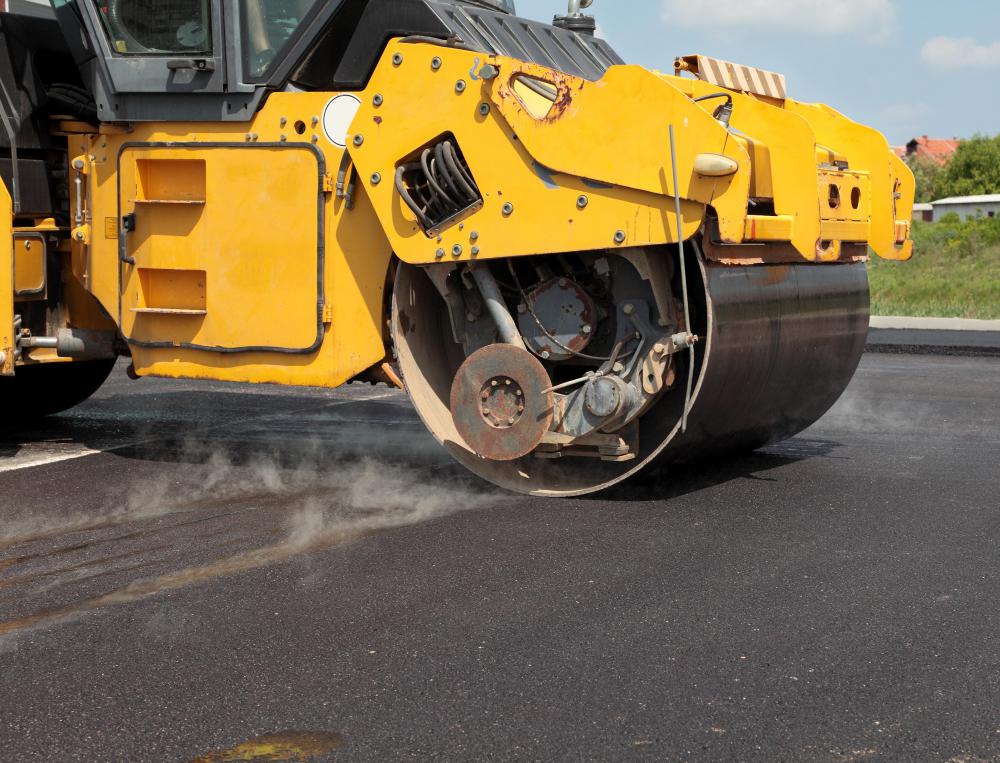
Additionally, property may be involved if it is like class to another piece of property. The IRS recognizes 13 classes of property. A private plane may be used in a like kind exchange with a helicopter, for example, because they are both part of the same transport class. Similarly, a steamroller may be used with a trencher, because both are part of the same construction machinery class.
This type of transaction is an excellent way to avoid capital gains taxes on a transaction if a person's ultimate goal is to reinvest the funds anyway. Because of the time constraints, however, it is important for individuals to contact a qualified intermediary and identify a replacement property as soon as possible.
AS FEATURED ON:
AS FEATURED ON:









-
![A small airplane may be used in a like kind exchange with a helicopter because they are both in the same general transport class.]() By: BSANIA small airplane may be used in a like kind exchange with a helicopter because they are both in the same general transport class.
By: BSANIA small airplane may be used in a like kind exchange with a helicopter because they are both in the same general transport class. -
![A steamroller might be used in a like kind exchange with a trencher.]() By: simaA steamroller might be used in a like kind exchange with a trencher.
By: simaA steamroller might be used in a like kind exchange with a trencher.

Discussion Comments
I have a client that carefully and properly effected a LKE for an aircraft on June 30, 2008.
At the time of receipt of the new aircraft, receipt was accepted contingent upon certain repairs.
In a lawsuit in Jan 2009 he notified the seller of the new aircraft that he has lost all faith in their ability to make the aircraft right and he notifies the the seller that he reject delivery and revokes acceptance and wants a full refund of the purchase price.
If he prevails in his suit, does this void the LKE?
I own a rental property at the beach.
I do not want to sell it just yet as I think it will rebound in value in next couple of years.
However I have just bought a property on a lake. My question is if I sell the beach property in say 2 years and use the proceeds to pay off the loan on the lake property at that time, on the loan that I have taken out now for the lake property. Will that qualify for a like kind exchange?
This is in reference to the application of the 1031 section of the code to property received through inheritance. I inherited real-estate that has been passed on to me and my brother by my grandmother. Would I owe any capital gains taxes on the proceeds from the sale of the property or can i leverage the 1031 section and use the proceeds to buy more real-estate without a capital gains penalty?
If you purchase a property in a Like Kind Exchange, are you bound to sell it and purchase your next property as a like kind exchange? IF you did not buy your next property as a like kind exchange, would you be liable for capital gains on the sale?
I have a client that was told he had completed a like kind exchange and that the gain on the sale of the property could be deferred. The client purchased real estate which he fixed up and sold at a gain. He then took the proceed and purchased another real estate property to fix up and sell. I'm not sure how many days after he received the money did he put down payment on new purchase. He has not sold the second property as of yet. He has it on the open market.
His intent is to buy, fix up, and sell real estate and he is considering this as a business as do some CPA's and I'm sure the IRS. He eventually intends on having an inventory of real property he plans to buy, fix up and sell (hopefully at profit).
Is the transaction in first paragraph considered a like kind exchange? Will the transactions described in the the second paragraph be considered as like kind exchanges?
I am thinking no since there were no properties exchanged only sales transactions by different parties and there was no QI.
Post your comments