
At DelightedCooking, we're committed to delivering accurate, trustworthy information. Our expert-authored content is rigorously fact-checked and sourced from credible authorities. Discover how we uphold the highest standards in providing you with reliable knowledge.
What is a La Carte?
 Malcolm Tatum
Malcolm Tatum
Malcolm Tatum
A la carte is a French phrase that is translated into English as “according to the menu.” The phrase is used in many restaurants, from family style restaurants to upscale eateries, but they may choose to employ the basic principle in more than one way.
The most typical approach to creating an a la carte menu is to price each menu item separately. For example, the entrée would be available for one price, and then each side dish would be priced individually, allowing the guest to select from a listing of different dishes to accompany the entrée. The diner could choose to go with a single side dish, or several different dishes if he or she desired.

A less common approach that is employed in some family style dining establishments is the inclusion of a side dish with the selection of an entrée. Rather than charging separately for each item ordered, the diner pays for the entrée and receives the side dish at no extra charge. The diner chooses the side dish from a list provided by the server.

The concept also extends to dessert. A diner may choose to purchase a dessert item such as pie, cake, ice cream, or some other confection prepared by the kitchen. The dessert is not offered free of charge, however, and instead, each item on the dessert menu carries its own price.
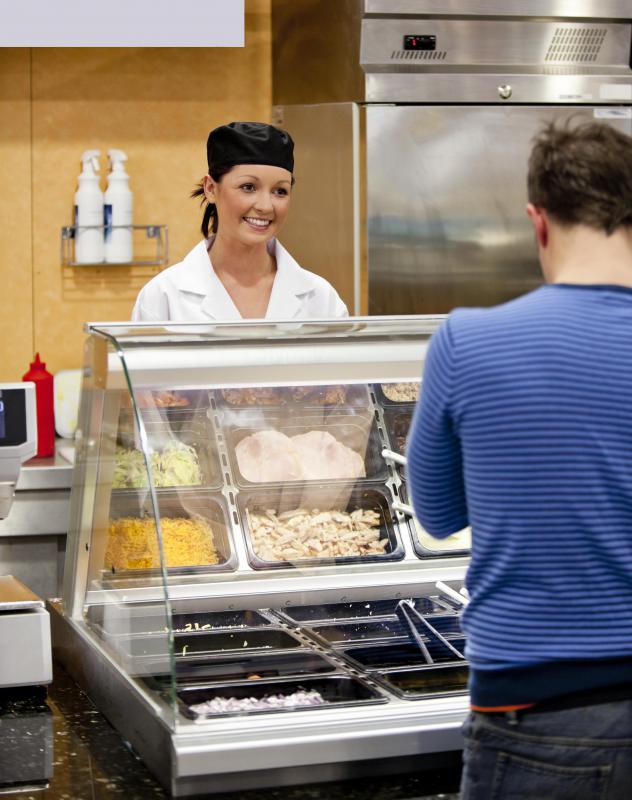
While many people think of a la carte as being the normal approach in more upscale restaurants, the truth is that this type of dining is also common in cafeteria-style restaurants. Normally, each item offered on the cafeteria line is available for a specific price. When the dining guest has chosen the items he or she wishes to enjoy, the individual prices are added and a final bill presented to the diner.

A la carte dining is an alternative to other common forms of eating out. The approach is different from buffet dining, where the guest pays one flat fee and is free to eat anything that is found on the buffet table. This method is also different from the “meat and three” daily specials offered in many family style restaurants, which limit the meal to a specific number of side items.

One of the main advantages of this style of dining is that it allows each guest to order as much or as little food as desired. Someone who is on a diet may choose to order a salad, an entrée, and one side. This helps to minimize the temptation to eat more, which is usually the case when additional food is served with an entrée at no extra charge.
Malcolm Tatum
After many years in the teleconferencing industry, Michael decided to embrace his passion for trivia, research, and writing by becoming a full-time freelance writer. Since then, he has contributed articles to a variety of print and online publications, including DelightedCooking, and his work has also appeared in poetry collections, devotional anthologies, and several newspapers. Malcolm’s other interests include collecting vinyl records, minor league baseball, and cycling.
Learn more...
Malcolm Tatum
After many years in the teleconferencing industry, Michael decided to embrace his passion for trivia, research, and writing by becoming a full-time freelance writer. Since then, he has contributed articles to a variety of print and online publications, including DelightedCooking, and his work has also appeared in poetry collections, devotional anthologies, and several newspapers. Malcolm’s other interests include collecting vinyl records, minor league baseball, and cycling.
Learn more...AS FEATURED ON:
AS FEATURED ON:


-
![The price of individual items are listed separately in an a la carte menu.]() By: Yuri ArcursThe price of individual items are listed separately in an a la carte menu.
By: Yuri ArcursThe price of individual items are listed separately in an a la carte menu. -
![Cafeterias commonly sell their items a la carte.]() By: WavebreakMediaMicroCafeterias commonly sell their items a la carte.
By: WavebreakMediaMicroCafeterias commonly sell their items a la carte. -
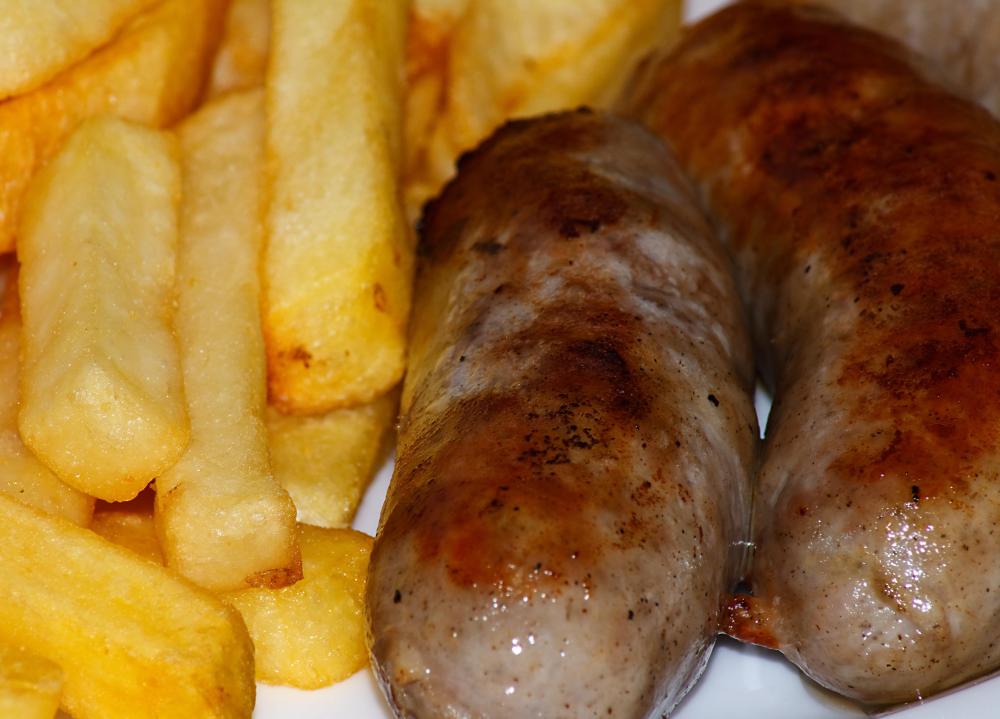
![A la carte items are usually side dishes that can be added to a regular meal.]() By: stocksolutionsA la carte items are usually side dishes that can be added to a regular meal.
By: stocksolutionsA la carte items are usually side dishes that can be added to a regular meal. -
![The phase "a la carte" is used in both family restaurants and upscale eateries.]() By: Andres RodriguezThe phase "a la carte" is used in both family restaurants and upscale eateries.
By: Andres RodriguezThe phase "a la carte" is used in both family restaurants and upscale eateries. -
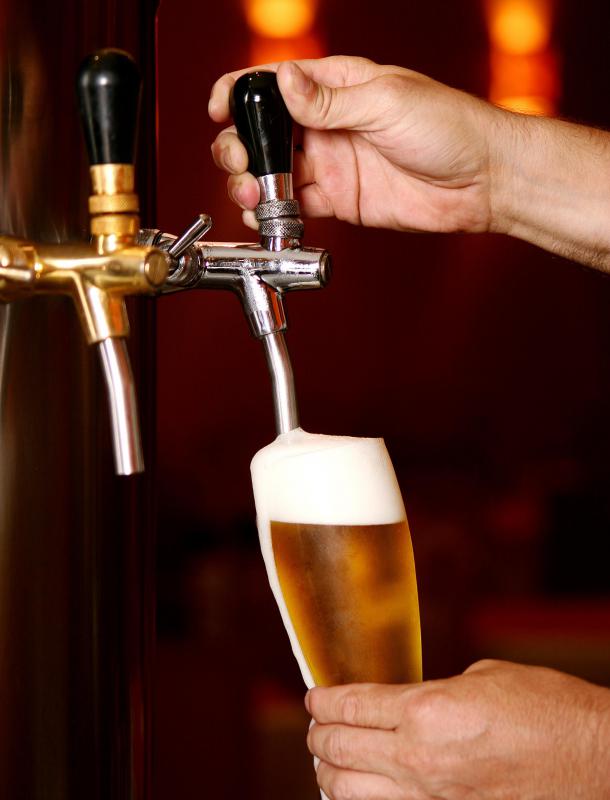
![An a la carte menu may highlight drinks.]() By: Alejandro CatalanAn a la carte menu may highlight drinks.
By: Alejandro CatalanAn a la carte menu may highlight drinks.


Discussion Comments
I still think buffet catering and a la carte catering are just about the same. I helped to cater a wedding with a friend of mine. My friend was insisting it was buffet style, and the mother of the bride insisted it was a la carte.
The bride even put a la carte on her invitations. I just do not get it--it is pretty much the same thing. In both styles of serving, you pick out what food you want to eat. Both types of serving usually involve paying a flat price to get anything you want, except this time the bride's parents had paid for the meal.
One of the nicest things about going to college was the a la carte dinner that they had. Every evening in the cafeteria was a wonderful selection of foods waiting for us. After a hard day studying, being able to pick exactly what you wanted to eat was refreshing.
There was many dishes to accommodate certain diets, like diabetic and gluten-free. While those choices were small in number, they still offered something to people on these restrictive diets.
Even though I am out of college now, I will never forget the nice a la carte dinner I had in the evenings while talking with friends.
Post your comments