
At WiseGEEK, we're committed to delivering accurate, trustworthy information. Our expert-authored content is rigorously fact-checked and sourced from credible authorities. Discover how we uphold the highest standards in providing you with reliable knowledge.
What is a Hung Jury?
A hung jury is a term used when a trial jury is unable to reach a unanimous or near unanimous verdict. This means that the jurors are unable to determine, as a collective body, whether or not a defendant is guilty or not guilty. In a civil case, this means that a jury was unable to find for the plaintiff or for the defendant.
Trial juries generally consist of six to 12 members, depending on the type of case being tried. After both sides have presented their arguments, the members deliberates on the facts of the case to determine its verdict. For a verdict to be reached, a minimum number of the jurors must be in agreement. In most criminal cases, a jury’s decision must be unanimous, but there are some instances that allow for less than unanimity in a jury’s decision.

When a hung jury occurs, the presiding judge declares a mistrial, meaning that the trial has ended without a judgment. In a criminal case, the prosecuting attorney can decide whether or not to pursue a new trial, negotiate a plea bargain, or drop the charges. In a civil trial, a judge will direct that the case be re-tried at a future date.
A mistrial of this type is widely considered to be an undesirable outcome, so many judges will order the jury to continue their deliberations in the hope of reaching a verdict. This is often called a “dynamite charge,” as it is intended to help a hung jury break through the impasse. The dynamite charge is considered a controversial and coercive practice. Some studies have indicated that some jurors in the minority felt pressured to change their votes when the charge is issued.

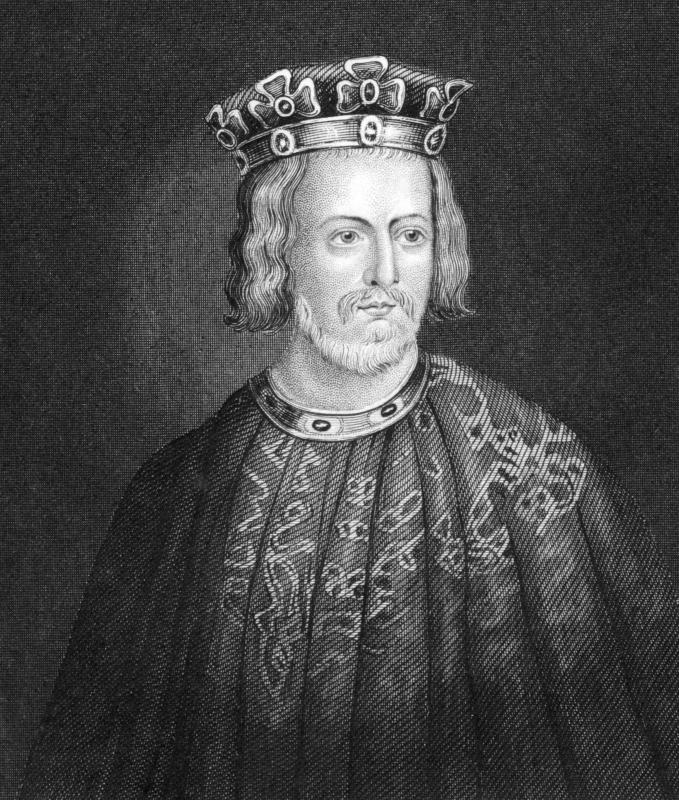
Trial by jury is a fundamental component of many legal systems around the world. While the exact origins of the concept are not clear, it is known that the Magna Carta, issued by King John of England in 1215, stated that, “No freeman shall be taken, imprisoned ... or in any other way destroyed ... except by the lawful judgment of his peers, or by the law of the land. To no one will we sell, to none will we deny or delay, right or justice.”

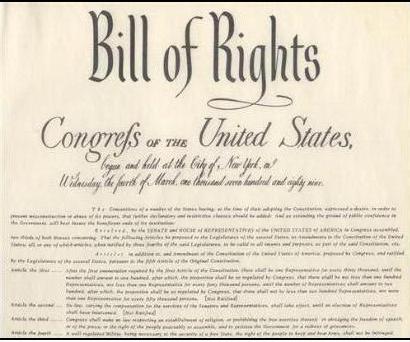
In the United States, the right of an accused in a federal criminal case to have a trial by a jury of one’s peers is codified in the U.S. Constitution under the Sixth Amendment. All of the individual states in the U.S. have similar provisions, guaranteeing an accused the right to a jury trial at the state level. The Seventh Amendment of the U.S. Constitution also provides for the right to a jury trial in certain civil cases tried in Federal courts.
AS FEATURED ON:
AS FEATURED ON:









-
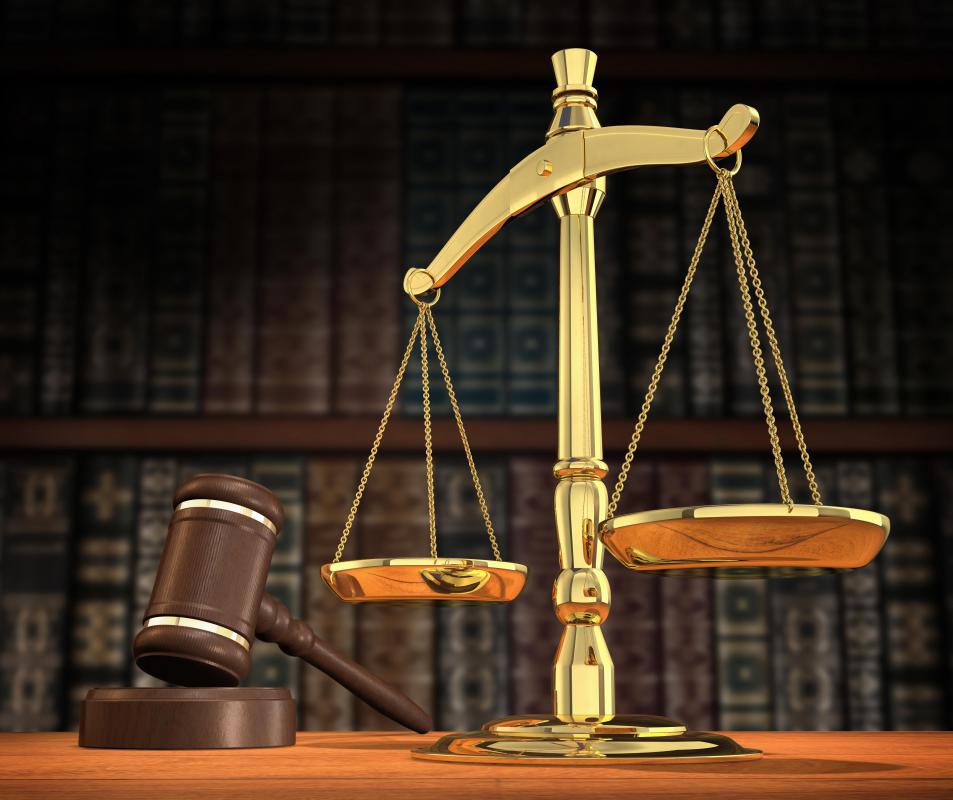
![Symbols of the justice system.]() By: James SteidlSymbols of the justice system.
By: James SteidlSymbols of the justice system. -
![The Sixth Amendment, part of the Bill of Rights, addresses trial by jury and the rights of the accused.]() By: TeX HeXThe Sixth Amendment, part of the Bill of Rights, addresses trial by jury and the rights of the accused.
By: TeX HeXThe Sixth Amendment, part of the Bill of Rights, addresses trial by jury and the rights of the accused. -
![King John of England issued the Magna Carta.]() By: Georgios KollidasKing John of England issued the Magna Carta.
By: Georgios KollidasKing John of England issued the Magna Carta. -
![A judge may give a hung jury more time to discuss the case in the hope that some jurors will change their minds leading to a verdict.]() By: EmpathA judge may give a hung jury more time to discuss the case in the hope that some jurors will change their minds leading to a verdict.
By: EmpathA judge may give a hung jury more time to discuss the case in the hope that some jurors will change their minds leading to a verdict. -
![A hung jury occurs when a trial jury is unable to reach a unanimous or near unanimous verdict.]() By: pressmasterA hung jury occurs when a trial jury is unable to reach a unanimous or near unanimous verdict.
By: pressmasterA hung jury occurs when a trial jury is unable to reach a unanimous or near unanimous verdict.


Discussion Comments
Can the defendant initiate a new trial after a mistrial? In my case, the plaintiff will not want to come back to court because of her wrong doing.
I want to go back now. What can I do as the defendant to get back in court on this same matter?
In my experience, many juries get deadlocked at a 10-2 or 11-1 decision on guilt or innocence. There's almost always at least one hold-out who is focused on one particular piece of evidence or a "gut feeling" or whatever. Sometimes the rest of the jury can overcome this by presenting their own arguments about that testimony or evidence, but other times the juror will refuse to budge an inch and the result is a hung jury. I think many juries find themselves at a 9-3 or 10-2 vote and those in the minority just change their minds and learn to live with the majority's decision.
I was in a mock trial one time where a woman was badly burned in a house fire caused by spilled gasoline. A pilot light under the gas water heater ignited the vapors while she was cleaning up a paint spill in the kitchen with gasoline. She was suing the manufacturers of the water heater for not keeping the pilot light at least 18 inches off the ground. The manufacturer's attorneys argued that the fire was her fault and that the pilot light was at a legal distance off the ground. Most of us on the mock jury agreed with the manufacturer's point of view, so we were about to vote against the plaintiff and go home.
One of the jurors refused to accept any of the manufacturer's arguments, though. During the mock trial, one of the exhibits showed the woman's extensive third degree burns, and this juror was seated closest to the exhibit. Those horrible pictures were right there the whole time. She was also a nurse, so she had a lot of empathy for people who had been through that kind of trauma. Even though the evidence basically proved the plaintiff made a tragic mistake by using gasoline as a cleaning agent, this juror wanted someone to pay dearly for the woman's suffering. We finally had to agree to disagree, and the vote never got past 11-1. If this had been a real trial, we would have been deliberating with this one hold-out for days, and probably would have ended up as a hung jury.
Sunny27- I think I remember that case. Wasn’t he charged with killing an actress? I think he was sentenced to 19 years to life for the murder. I feel bad for her family, she seemed like she had her life ahead of her.
I think the papers said she was forty years old, but she definitely looked younger than that. I think it is so sad when people die young. They never really get to develop their full potential. Maybe she could have had a successful career and even made a few movies.
Great article- I just want to say that many famous high-profile cases that resulted in a mistrial were retried and the jury offered a guilty verdict. The Phil Spector trial is a good example.
The jury could not reach a verdict on his first trial, but at the second trial he was found guilty. I don’t know if this happens because the prosecutors present a better case the second time and just learns from the mistake. But I do know it happens a lot. Many defendants are found guilty the second time around.
Post your comments