
At AllThingsNature, we're committed to delivering accurate, trustworthy information. Our expert-authored content is rigorously fact-checked and sourced from credible authorities. Discover how we uphold the highest standards in providing you with reliable knowledge.
What is a High-Pressure System?
The weather on planet Earth changes constantly. One reason is because the winds are always shifting, rising, falling and creating areas of various pressure in the atmosphere. A high-pressure system is one of these results of the shifting winds. This type of system means the pressure inside the system is higher than that of the surrounding areas.
High-pressure systems are usually associated with fair weather. This is because as the air sinks, it warms and is able to hold more water vapor. Thus, in these systems, clouds tend to evaporate and the air stabilizes. Storms have a hard time forming in stable air.
The humidity is usually lower in or near a high-pressure system, also contributing to fair weather. Many desert areas of the world are associated with a persistent high-pressure climates. The drier air helps create the desert environment.

Although most people like the weather that comes with this type of system, it isn't all good. Heat waves and drought conditions come about because of several high-pressure systems moving through an area, or because of a prolonged system that will not move out of an area. In fact, meteorologists hypothesize that the Dust Bowl of 1930s America, with its droughts and heat, was caused by a persistent high-pressure system trend across the Midwest and through Arkansas and Oklahoma.

Sometimes, a particular area will become associated with a high-pressure system. In the summer, those living in the Southeastern U.S. are familiar with the Bermuda High phenomenon. This is a system that tends to be long-lived, contributing to the summer heat. The clockwise windflow around a high-pressure system also ensures the moisture coming from the Gulf of Mexico moves across the area, creating the high humidity for which the area is infamous.
This type of system can also cool the weather. Those in the United States are also familiar with the winter Siberian Express and Alberta Clipper systems that bring in Arctic or Canadian cool air and cause cold snaps.
Frequently Asked Questions
What is a high-pressure system in meteorology?

A high-pressure system, also known as an anticyclone, is a meteorological condition characterized by descending air that, due to its higher pressure, suppresses cloud formation and leads to clear, calm weather. As the air descends, it warms up, reducing relative humidity and often bringing sunny skies.
How does a high-pressure system affect weather patterns?

High-pressure systems influence weather by promoting stability in the atmosphere. This stability results in fewer clouds and less precipitation, leading to clearer skies and drier conditions. In the winter, high-pressure can lead to cold, frosty nights, while in the summer, it can contribute to heatwaves and prolonged dry spells.
What are the typical characteristics of a high-pressure system?
Typical characteristics of a high-pressure system include clear skies, low humidity, and mild winds. These systems are generally associated with fair weather and are marked on weather maps by closed, circular isobars indicating areas of higher atmospheric pressure relative to their surroundings.
How do high-pressure systems move and change?
High-pressure systems typically move from west to east in the mid-latitudes, steered by the jet stream and larger atmospheric patterns. They can change as they encounter different geographical features or atmospheric conditions, sometimes merging with other systems or dissipating due to changes in temperature and pressure gradients.
Can high-pressure systems cause any adverse weather conditions?
While often associated with pleasant weather, high-pressure systems can lead to adverse conditions such as heatwaves, which can be a health hazard. Stagnant air within a high-pressure system can also trap pollutants, leading to poor air quality and respiratory problems in urban areas.
How do high-pressure systems differ from low-pressure systems?
High-pressure systems differ from low-pressure systems in several ways. High-pressure systems involve descending air that suppresses cloud formation, leading to clear weather, while low-pressure systems involve ascending air that encourages cloud formation and precipitation. Low-pressure systems are often associated with stormy weather and are marked by closed isobars of lower pressure on weather maps.
AS FEATURED ON:
AS FEATURED ON:









-
![High-pressure climates are associated with deserts.]() By: PixelshopHigh-pressure climates are associated with deserts.
By: PixelshopHigh-pressure climates are associated with deserts. -
![Many desert areas are associated with persistent high-pressure climates.]() By: surasakiMany desert areas are associated with persistent high-pressure climates.
By: surasakiMany desert areas are associated with persistent high-pressure climates. -
![A high-pressure system can cause cold snaps in the weather.]() By: valeascaA high-pressure system can cause cold snaps in the weather.
By: valeascaA high-pressure system can cause cold snaps in the weather. -
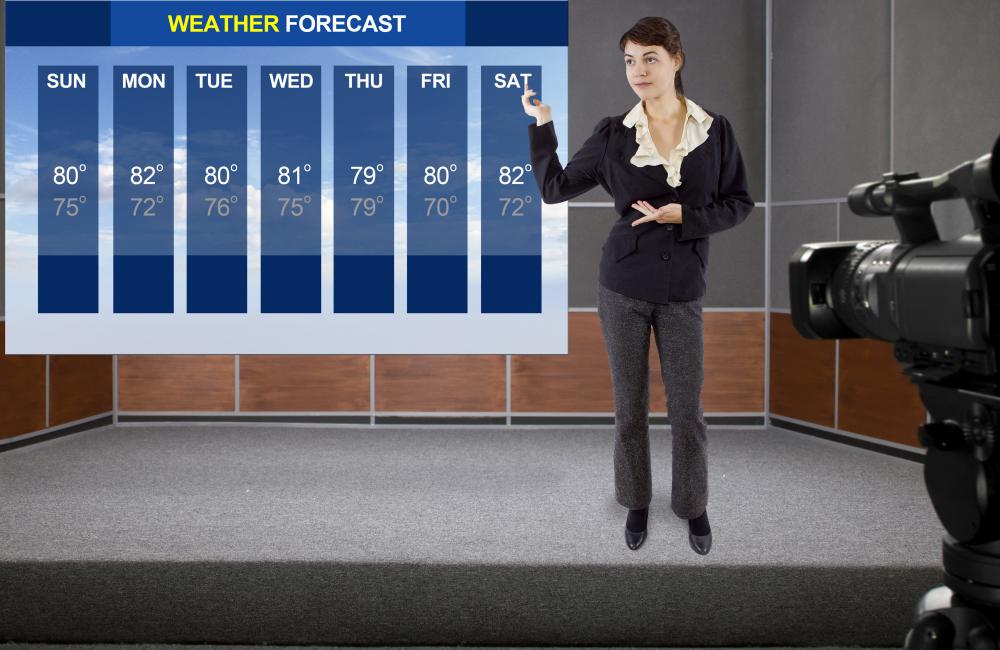
![High-pressure systems are monitored by meteorologists to judge their impact on local weather.]() By: Innovated CapturesHigh-pressure systems are monitored by meteorologists to judge their impact on local weather.
By: Innovated CapturesHigh-pressure systems are monitored by meteorologists to judge their impact on local weather.



Discussion Comments
Can you write some features about how it feels, looks or even smells like?
Nice website, but what are low-pressure systems?
empanadas - Generally, that kind of thing happens because there is a clash between the temperature of the waters in the Gulf of Mexico and the high or low pressure system that's sweeping across the South. Hurricane season in Texas begins in the summer time from my understanding, which makes sense because that's when the water in the Gulf is at its warmest.
@abiane - Aside from what gameaddicted just mentioned, hurricanes are literally bullied by high-pressure systems. Most of the time a high-pressure system has the ability to control and maneuver a hurricane this way or that. That's why you commonly see hurricanes and tropical storms that might -look- like they are heading for Texas, but end up in Mississippi or Louisiana instead.
@abiane - High-pressure systems work in conjunction with low-pressure systems to steer and create hurricanes. For many of us, this isn't a problem, however I live in the South and tend to follow the happenings of hurricanes rather closely and am familiar with the term "cone of uncertainty." Hurricanes are formed in low-pressure and generally read somewhere around 28 on a barometer.
I always hear about how high and low pressure systems effect hurricanes and tropical storms. How do high and low pressure systems effect hurricanes and tropical storms? Does a hurricane form off of a high or low pressure system?
Post your comments