
At TheHealthBoard, we're committed to delivering accurate, trustworthy information. Our expert-authored content is rigorously fact-checked and sourced from credible authorities. Discover how we uphold the highest standards in providing you with reliable knowledge.
What Is a Head Rush?
 Malcolm Tatum
Malcolm Tatum
Malcolm Tatum
A head rush is when an individual becomes momentarily disoriented upon standing up quickly. In minor cases, symptoms such as slight dizziness, dimming vision, or some tingling in the area of the head and neck may occur. More advanced cases can have more severe symptoms, however, such as fainting or a significant decrease in blood pressure. While it is not unusual for a healthy individual to occasionally experience a head rush after sitting or lying down for an extended period of time, recurring episodes, or occurrences that take place without standing up quickly, may indicate a more serious condition. Technically, the condition is known as orthostatic hypotension.
What Happens Physiologically

During a head rush, a person's blood pressure drops suddenly and the body is not able to correct it quickly enough. Usually, the heart speeds up and blood vessels contract when blood pressure falls; both of these involuntary actions work to increase the pressure. When this process is interrupted, however, the brain can't get enough blood, so the person feels dizzy or light-headed.
Causes
Standing Up too Quickly

When a person changes position suddenly, such as from a reclining or sitting position to standing up, the blood in the head is pulled by gravity into the feet and legs. This abrupt change in blood flow can make the person's blood pressure fall briefly before the body has time to counteract it. In most situations, this adjustment takes only a few seconds, but during that time, it is possible to experience a sense of developing a headache, feel slightly dizzy, or even notice that the vision becomes somewhat grainy. Losing consciousness very briefly is also possible.
Overheating

Another common situation known to bring on this condition is overheating the body. Exercising in hot humid conditions, or even just taking a very hot shower or sitting in a sauna too long, can bring on a head rush in some people. In this case, many report feeling faint when stepping out of the hot shower or bath into a cooler room. The sudden drop in temperature seems to make it worse.
Dehydration and Electrolyte Imbalance

Having a head rush is a common symptom of dehydration, and someone who begins experiencing them frequently should consider whether he or she is drinking enough water. Some conditions, like diabetes, can cause a person to become dehydrated more quickly, and make them more vulnerable to hypotension. Similarly, an electrolyte imbalance may also be a factor, particularly for athletes and others who exercise heavily; an exercise drink may help in this situation.
Medications and other Drugs

Taking some prescription and non-prescription drugs can also cause head rushes. People taking diuretics, blood pressure medication, and some other drugs are more vulnerable to this condition. Smoking marijuana or taking certain other mind-altering drugs will sometimes lead to this type of feeling as well.
Managing a Head Rush
Fortunately, there are a number of ways to deal with head rushes. Many of the symptoms will lose intensity if the individual does not move suddenly from sitting or reclining to a standing position. By taking a little more time to raise the body to a standing position, there is less chance for the blood pressure to drop. Perhaps even more importantly, recognizing the onset of a head rush and immediately sitting down can help prevent a person from falling and possibly injuring himself.
When to See a Medical Professional

If the symptoms seem to become worse or more frequent over time, or if they begin to last for longer periods, this may indicate an underlying medical condition. Experiencing a total loss of consciousness is another sign that it is time to seek help. Low blood pressure can be a sign of a number of different nervous system disorders, like multiple system atrophy or Parkinson's disease, or a heart problem. Low blood pressure may complicate or worsen the condition, so should be investigated so any other causes can be treated early.
Treatment Options

Medication can sometimes be used to prevent frequent head rushes when it's not possible to solve any underlying cause immediately. Fludrocortisone and beta blockers have been used with some degree of success, while anti-anxiety drugs, such as various types of benzodiazepines, may also help with the problem. Even some antidepressant medications that impact the process of serotonin reuptake in the brain may prove useful in managing head rushes. A qualified medical professional can assess the situation and determine the most effective mode of treatment.
What Is a Head Rush From Vaping?
Head rush from vaping occurs when you introduce a new nicotine delivery method. It could also be due to nicotine poisoning. The head rush that arises from a new delivery method comes from the nicotine in e-liquids. Vaping carries nicotine into your body more abruptly than with normal cigarettes. When you vape, nicotine is delivered directly to your lungs in the form of vapor, hence the head rush.
Nicotine is a stimulant that affects the nervous system. When you consume nicotine, changes occur in the balance of neurochemicals in the brain, and this causes a head rush. In extreme cases, vaping could set off an allergy to an ingredient in the vapor.
Nicotine poisoning occurs when your body receives an overdose of nicotine. The prevalent poisoning symptoms are:
- Stomachache
- Vomiting
- Increased heart rate
- Pale skin
- Headache
With proper treatment, you can recover completely, but severe cases can have far-reaching consequences.
What Are the Risk Factors for Head Rush?
Head rush is not specific to a given category of people because anyone can get a head rush. Some factors increase your chances of a head rush. These factors are discussed below.
Pregnancy
Pregnancy is associated with various hormonal changes in the body. For example, a hormonal imbalance can relax your blood vessels and cause your blood pressure to lower. As a result, your head becomes light, and you get episodes of head rushes. Lightheadedness is more common within the first 24 weeks of pregnancy.
Old Age
The older you become, the less efficient your body reflexes become. When the reflexes that stabilize your blood pressure become less efficient, your blood pressure becomes reduced. As a result, you experience more episodes of head rush.
Exposure To Heat
If you stay in a hot environment for a long time, you become dehydrated. As a result, your blood volume decreases, and your blood pressure lowers. As a result, you get symptoms of head rush like dizziness, weakness, and fatigue.
Medication
Low blood pressure increases your risk for head rush. Medicinal drugs that lower your blood pressure can cause a head rush. Common categories of such medication include nitrates, beta-blockers, and calcium channel blockers.
Does Head Rush Cause Brain Damage?
Researchers from the Erasmus Medical Centre in the Netherlands monitored 6,000 people for approximately 15 years. The study revealed that older adults who experience frequent head rushes are 15% more likely to get all types of dementia later in life. Types of dementia include Parkinson's dementia, vascular dementia, and Alzheimer's disease.
If blood flow to your head is reduced every time you stand up, your brain does not get enough oxygen. As a result, your brain cells become damaged over time, and you suffer brain damage. If you experience frequent episodes of head rush when you stand, especially as you get older, you should consult your general practitioner for advice.
The risks found in the research are minor compared to other risk factors for dementia. Nonetheless, head rush adds to a complex picture of how changes in blood pressure throughout your life affect your brain. The good news is that a dizzy spell does not mean you will undoubtedly get dementia. Take all the preventive measures against dementia to maintain a healthy brain as you age.
Can Persistent Head Rush Cause Complications?
If you experience frequent episodes of head rush, you could get one or more of the complications discussed below.
Heart Diseases
If you have orthostatic hypertension, you are at a higher risk of heart failure than people who do not get head rushes. Frequent, sudden drops in your blood pressure reduce your heart's ability to pump with enough force. Common cardiovascular conditions associated with head rush include:
- Heart failure
- Chest pain
- Heart rhythm problems
Falls
Orthostatic hypertension increases the risk of falls. This is especially common in nursing homes. The direct relationship between a head rush and a fall is not clear. The correlation arises from low blood pressure and hypersensitive medication, which accelerates incidents of falls.
Strokes
Orthostatic hypotension increases the risk of stroke by 36%, with a significant relationship observed among people below the age of 65. A stroke occurs when the blood flow to your brain is reduced or interrupted. Since a head rush reduces the oxygen that reaches your brain cells, you become more predisposed to stroke.
Conclusion
Head rush is preventable and manageable if you take the necessary precautions. But, if you notice you experience frequent episodes, don't hesitate to consult your general practitioner. Early diagnosis and treatment are your first line of defense against severe complications due to head rush.
Malcolm Tatum
After many years in the teleconferencing industry, Michael decided to embrace his passion for trivia, research, and writing by becoming a full-time freelance writer. Since then, he has contributed articles to a variety of print and online publications, including TheHealthBoard, and his work has also appeared in poetry collections, devotional anthologies, and several newspapers. Malcolm’s other interests include collecting vinyl records, minor league baseball, and cycling.
Learn more...
Malcolm Tatum
After many years in the teleconferencing industry, Michael decided to embrace his passion for trivia, research, and writing by becoming a full-time freelance writer. Since then, he has contributed articles to a variety of print and online publications, including TheHealthBoard, and his work has also appeared in poetry collections, devotional anthologies, and several newspapers. Malcolm’s other interests include collecting vinyl records, minor league baseball, and cycling.
Learn more...AS FEATURED ON:
AS FEATURED ON:


-
![Drink water to avoid a head rush from dehydration.]() By: studiovespaDrink water to avoid a head rush from dehydration.
By: studiovespaDrink water to avoid a head rush from dehydration. -
![Sitting in a sauna can cause a head rush.]() By: ecoboSitting in a sauna can cause a head rush.
By: ecoboSitting in a sauna can cause a head rush. -
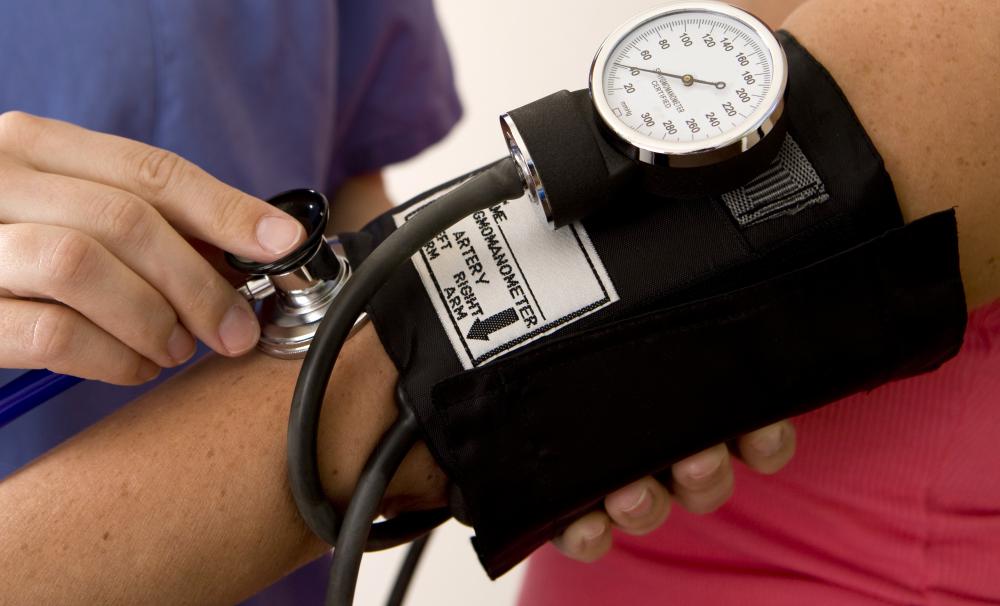
![A person's blood pressure drops suddenly during a head rush.]() By: Phase4PhotographyA person's blood pressure drops suddenly during a head rush.
By: Phase4PhotographyA person's blood pressure drops suddenly during a head rush. -
![Overheating the body can cause a head rush.]() By: bonninturinaOverheating the body can cause a head rush.
By: bonninturinaOverheating the body can cause a head rush. -
![A head rush can cause dizziness.]() By: TuTheLensA head rush can cause dizziness.
By: TuTheLensA head rush can cause dizziness. -
![Smoking marijuana may cause a head rush.]() By: AtomazulSmoking marijuana may cause a head rush.
By: AtomazulSmoking marijuana may cause a head rush. -
![A headrush might be caused by excessive drinking.]() By: William CaseyA headrush might be caused by excessive drinking.
By: William CaseyA headrush might be caused by excessive drinking.





Discussion Comments
I don't know if what I have is a head rush but it sort of makes sense? Like in the mornings, if I get out of bed and start walking to like the bathroom, I have a black out (when my vision is gone for a few moments before coming back slowly in dots) but also my legs start shaking. Like all the sudden I don't have control over them or something.
Usually I lean against a wall or hold onto something, but this morning it was so bad I fell over backwards and nearly hit my head on my mum's desk in her room. I don't remember anything but my legs shaking but it kind of scared me.
I'm 16 and I don't exactly want to tell my mum about it yet, because it's fairly normal for me if I get up to fast but what's with like the uncontrollable shaking and stuff? Is it related to head rushes or what?
This happens when I get up for school.
I was lying on my bed in my room on YouTube and I got up too fast and I forgot where I was for a good minute.
I'm 16 and I've been getting many of the same symptoms as everyone else for several years. However, the reason why I am finally looking it up is because just today I had a head rush like normal, but this time I started violently convulsing and shaking on the floor and hit my head on the wall several times before being able to get into a safe position and wait for it to stop. Everyone seems to be asking for help, but not many people are answering so hopefully I can shed some light.
Help/Answers: For most of us, this shouldn't be much of an issue; it's simply caused by changing blood pressure which can be helped by drinking more water and standing up slower.
As long you're not fainting frequently (in which case you actually should seek medical help), it shouldn't be a cause for alarm. I think the most important thing to realize here is that since nearly none of us are adults, these symptoms will most likely go away as we get older. I hope I helped anyone who was worried about these conditions. --Quinn
You just need to lean your head towards the ground.
I get them a few times a week. I just lose vision. It goes all fuzzy and black and my hands and feet start to tingle. I can't hear and sometimes can't talk like I'm all numb. Also, I almost fall over, but I haven't fainted or had the shakes. All I had to to was lean on something or sit on the floor and breathe slowly. They last about a minute but over the past month, they have been hitting me hard and strong getting worse and worse!
My doctor said I had a migraine with an aura but I never experienced any head pains but he prescribed me pills called pizotifen which I think made them worse!
I went to a new doctor and I'm going for MRI scans in April and I'm fine with it because they might finally find out what's going on but I'm still scared about the what if?
I've also been looking online and I typed my symptoms into google and there are a few things that sound similar which I'm going to talk to my doctor about. It's called a transient ischemic attack. Ive also noticed that it occurs mainly at the age of 15, which I am now, even though they started when I was around 12ish.
@anon276976: You have a lot of signs that point towards epilepsy. Especially the unresponsive episodes. I'd really consider getting a test done. I'm almost certain you have it, if not, you could possibly have a heart defect or condition, but I'm almost certain that it is epilepsy.
When I have them, my vision goes brownish and I see this weird display of colours with beige as a main color. I also see this weird pattern of black circles with the beige shading. Is this normal? I also feel disoriented and I have a pain in my forehead but I manage to stabilise myself though.
@anon276976: I have almost exactly the same problem but not as frequently and my first blackout collapse was today. I thought I'd hit the left side of my temple but I fell onto a clear surface and it felt like I'd hit it really bad.
I'm 15 and I've been getting them for at least a year, but I usually just get dizzy, grab a wall, and may go blind for a few seconds. However, today and one other time my legs felt like they were going to collapse. I was conveniently next to a wall that I could hold myself up on the first time. But today I fell into the wall before I felt control again.
I haven't got anything checked out and my mom said I'm probably just dehydrated but it has me kind of worried.
All these posts seem to be from people our age: 11 to about 16. So maybe it's just something teens experience more so than adults. But I've had these things for as long as I can remember. I mainly get them right after I wake up to go turn off my alarm clock. It'd be dark in my room, obviously, but I could tell my vision was sort of fuzzy around the edges. And then sometimes my legs just sort of give out. Sort of, but not really. I can still stand but I have to support myself. And sometimes (well, most of the time) I get this weird sort of pain (not very bad really) behind my eyes. The whole thing lasts a total of five seconds, maybe. I've been getting them less and less now as I get older, but I occasionally get one.
I've been freaked out that there's something wrong with my brain or something, but it's been happening for as long as I can remember. I told my mom about it like a year ago and she flipped out, but didn't do anything about it. She was just like "Why didn't you tell me sooner?" I didn't think it was a big deal -- I thought everyone got them. But when she said she didn't, I got freaked out because I thought there must be something wrong with me.
I'm 13 and have been having what I think are head rushes for the past year. Even though I've looked up my symptoms and they also show some signs of epilepsy, I get these head rushes nearly every hour, sometimes more. They are usually quite minor and last for maybe 25 seconds. My vision goes to tunnel vision and is grainy like on an untuned analog tv, my hearing is muffled and sometimes I can't hear at all and get a ringing in my ear. I feel dizzy and often collapse. This usually passes, but when I come back from a head rush, I have pins and needles in my feet and hands.
Once a week I will get a really bad head rush that makes me collapse for at least three or four minutes. When my vision fades back after a few minutes of being down, it is really scary because I know what has happened but I can't remember any of it. I have really bad pins and needles all over and I can't move at all for another couple of minutes. When I do get up I am really disorientated and have a severe pounding sensation in the left side of my head, as well as these head rushes. I have been told that I can sit for several minutes staring blankly and being completely unresponsive, but I don't remember doing any of this.
I'm really worried because the small head rushes are becoming more frequent and I can have a bad one every other day. Last week I fell and hit the left side of my head where it hurts. When I come back from a head rush the pain is near impossible to cope with. I just want to get better. Do any of you have the same symptoms as me?
When I move (from low body e.g. sitting to high body e.g. standing) I get really bad headaches. When it's worse I get vision blackout. When even worse I get the shakes and collapse. Anyone else get the same symptoms?
I am 16, and I frequently have these rushes but that is because I'm two months sober.
Earlier in my life I smoked marijuana every day for almost two years and during this period of smoking, I never had a rush. Before I smoked, I had frequent rushes. Smoking of marijuana does not increase the chances of head rushes.
I've been having frequent head rushes lately, except it happens anywhere, any time. I feel lightheaded and I lose my vision for a couple of seconds. It happens usually about once or twice a day. It's been going on for about a month or so.
Lately, I've also been getting sudden headaches and a loss of appetite. I'm not sure if that's related to my vision loss or not, but I thought I should add it just in case. I am also 12 years old and female. And, I've become really scared about them. I've been looking up some causes of this and some are really scary.
I'm 17, but these symptoms have been occurring since I was 12. I don't know anything about head rushes, but am very scared about mine.
I have had really bad lapses several times before, but never fainted, and also get small head rushes regularly. Sometimes I won't even be doing anything and my vision goes dim.
Usually, it will come on suddenly without me doing anything. For example, I will be standing and all of a sudden, my vision dims to the point where I can't see, my hearing is muffled, I feel feverishly hot, I get extremely weak (can't even lift my arms to a 45 degree angle), I get really shaky, go extremely pale and get a headache. This can last quite a few minutes. When it goes, I am left with a headache and pale face.
I am worried that this might happen while I'm driving or performing on stage, but I really don't want to go to the doctor.
Please, please help me. I'm desperate. Is this normal or not?
I don't have to sit down for a long period of time. It can be as short as three minutes, and I feel a bit dizzy, and everything will fade to black from the outside to the middle. With a bad one, it will go completely black. I also feel my head get incredibly hot like it's burning.
My name is Cynthia, 23. I have had these similar experiences happen to me twice in the past month. Mine happened before jumping into the shower. My vision started to fail me as everything slowly turned white. I felt light headed and reached for my bathrobe before I passed out.
At first, I thought it was a panic attack. So i inhaled deeply and tried to remain calm. I figured I needed water or milk, so I carefully walked to the kitchen and by the time I poured my cup, my vision was completely gone and white.
I felt my way to my room and lay down. I was conscious but could not see or hear. After lying there for about two minute, my vision slowly came back. Afterward, my hearing came back as well, but then I heard static white noise. I thought the noise was coming from elsewhere but I put my hands over my ears and the noise was louder. After that faded, I heard a prolonged ringing.
The second time it happened was right before the shower again. I managed to not let my vision fail completely and drank water/almond milk again. What is this? If something similar has happened to you, please post here.
I'm 15 and have been having head rushes for years, but not that bad. I will just be dizzy for 5 to 10 seconds and they only happen after I stand up quickly.
About a year and nine months ago at school we were watching a documentary about a fish that can crawl into a guy's penis and I got what felt like as normal head rush. I was a little dizzy and that was it, but it didn't stop so I got a drink from my bag. By this time, it was much worse than normal as my hearing was slightly muffled. I could hear things and understand them, but it wasn't normal.
I was drinking my water and I realized that the tv was just white. I looked at my friend and at this point I was scared I told him that I was feeling weird and asked him to help me, but he probably didn't think anything of it as half the class was grossed out by the movie. I put my head down and closed my eyes until I felt better and after a few minutes was better but not back to normal. I didn't feel normal for the rest of the lesson. It wasn't until a few hours later that I felt normal.
Now after that, I was fine until a few hours ago when I was eating dinner. My brothers, a friend of our family's and I were watching a show I recorded on MTV called "Scarred" about people who hurt themselves ... it was like I was hearing everything loud but almost muffled, and I can't really explain the feeling or the sight. My ears sort of burned and I got scared. When I think about it, it's like a dream, like things aren't right, but it scares me because I always imagine the worst -- that I might pass out and not wake up. I don't know what it is.
I don't do drugs and when it happened the first time, I hadn't been drinking. I don't drink often and I haven't had a drink in weeks.
I'm 15 and I get these all the time. Once when I got out of the shower it was so bad that I collapsed and passed out on the floor.
Today was worse. Usually I'm just dizzy, a little shaky and have tunnel vision, but today I got out of bed, walked out of the door, when I felt dizzy and my legs started shaking, I couldn't see. I tried to lean against the wall, but the next thing I remembered is my mum shaking me and pulling me off the floor. I was convulsing, and I had cut my lip from the impact. I don't know how to stop it happening, though.
This also happened to me earlier today. When I got out of the shower, my head started spinning and my vision was blurred and the second I got to my room, I had to sit on the floor. It lasted for about five minutes and it's only happened to me twice before in the last six months. Do you think it will happen more often as time passes? (I'm age 15).
I'm kind of worried myself. I am fifteen years old, and I've had this problem for about three years. When it first began, I thought nothing of it, because it hardly happened at all, but over time it slowly progressed into being more frequent. My mom even noticed something this morning.
I was in the shower, getting ready for school, and I got out, and put my bathrobe on, and I noticed my vision slightly became blurry. I was so distracted that my ear piercing came out when I was drying my face, and I couldn't see anything, so I had my mom help me. She was putting it in my nose, and my head started hurting, and my vision was coming in and out of focus. She finally got it in, and then I walked out of the bathroom, and I didn't seem in control of my arms. They were swinging about, because I could see them, but couldn't really feel them, and then next thing I know, I collapse onto the wall, and my mom's freaking out. I didn't tell her what happened, yet.
I'm Rob but I'm posting anonymously because it's rather late and it seems pointless registering for any other reason than my name.
I am now 15 and I haven't had head rushes in a few months. When I used to have them, I showed many of the symptoms you guys show. I often would have grainy vision or no vision at all. I would fall over if I had nothing to cling on to, and I would have insane tremors, usually in my legs, but sometimes in my arms.
One time, I got up quite slowly to check the time and I walked to the hallway to check the clock. When I got up, I was fine, but after a good 10-15 seconds, I began to feel light headed and started the shakes. I collapsed and hit my head on the wall. I'm sure you guys who have also hit your head will have experienced this, but when I hit my head I didn't feel it. Instead, I heard a loud bang. When I woke up, I checked my head and it hurt only a little, but unfortunately, I didn't get to work out how long I was out for, as this was my first time and I had no idea what was happening.
I'm glad I found you guys because my parents wouldn't believe me. I found if you get them often, try eating something filling -- a hearty meal. I found myself eating various sausage rolls and they seemed to stop for a while but that's probably irrelevant. Might be a good excuse though, eh? Head rushes seem to be more prominent with 11-16 year olds. I wonder why this is.
I was often using a laptop and I read in some of your posts you were. I have a gaming chair very close to the ground and at the beginning I remember getting lots of head rushes but they seemed to have calmed down. I'm sure for many if not all of you you have nothing to worry about it will probably pass with time, but if you smoke drugs, that's probably what's causing it.
Finally, I got it. I was so unsure about what happens to me. I get sudden glimpses of some dreams I had, and my heart seems like, to stop in a second and I feel a drumming sound in my head, but it happens anywhere, anytime. What I have noticed is that when I'm not able to take full sleep or when I'm depressed I get this kind of head rush. It is for a few seconds only, but after that I feel that all my energy is drained out, as if I had some sort of fit. Has anyone else experienced this kind of thing?
I am 11 years old, and I've had a problem where I am in the same position for about 45 minutes, then I walk just a few steps and suddenly my vision is fading, my hearing is muffled, then everything goes black and I am too weak to stand so I am on the floor against the wall for about 20 seconds, then all is fine. It worries me and I am really fearful.
After reading all the above, and after having a "sitting down" head rush myself an hour ago, I can only conclude that we all should go to a qualified specialist as soon as possible.
I to have this problem in going to the doctor this week.No one seems to no how to treat me or say what I have. I've had CT scans, MRA, MRI, what have you, but they can't find anything wrong. I've gone to specialists, so where do I go from here?
I'm age 65, 220 weight, 5"7" height. I will make a copy of this article and see what my doctor says. It is really scary for me. I am always afraid I am going to go down.
I would like to know how you people have been treated, did you see your doctor and what has been said? I need help.
Several of these incidents sound like epilepsy to me. I have been diagnosed with epilepsy for over a year and have found myself fainting, tunnel vision, shaking etc.
I'm happy I found this article cause it seems that I get head rush after standing for about an hour or and hour and a half in one position, but it seems to be kind of severe. When I'm standing there first my hearing kind of goes muffled, and then my vision fades to black for like two or three minutes and then my body feels really weak and sometimes I can't stand any more.
Could this just be a bad case of head rush and I need to see a doctor, or is it something more serious?
Thank God I was able to find this article! I never thought that there's this thing called a head rush. I thought I was experiencing some severe disorder/complications in my body.
I'm fourteen, and this happens nearly every time I get up. They tend to be not very severe though. My peripheral vision goes sort of a silver color for a couple moments, and then it stops. Occasionally when this happens I get really shaky. Could this be due to a malnutrition problem? Because lately I haven't been eating very well, if at all.
I got up yesterday from sitting down normally, not lying down, and got a crazy head rush a few seconds later and my vision went completely black. I got weird spasms in my hand and neck and a strange feeling on my tongue and hands? I get head rushes often but never like that. Is it normal?
I was sitting in my car and all of a sudden I couldn't focus and I had this head rush/dizzy feeling that hit me out of the blue. I was talking but I wasn't really sure what I was saying.
The best way to describe this sensation is sitting on a ride at an amusement park and then suddenly the ride drops you down really fast. It scared the heck out of me, and it lasted about 20 seconds. I kept thinking, "this is what it feels like to have a stroke."
I'm 38, maybe still too young for that, but I would swear I just wasn't getting enough oxygen to my heart or brain or something, because my hands felt like rubber and I was just stuck in this strange episode.
I do suffer from low blood sugar so maybe it dropped to a dangerous level (I was hungry at the time.) Anyway, feeling a little better just seeing other people's comments on this. Don't feel quite so alone.
I am 15 and i think i have been getting what i think are head rushes for four years. It always happens occasionally but every three months or so they come back with increasing severity. I completely lose my vision to a silver light, I lose my hearing, and I find myself lying on the floor when I snap out of it.
I'm so glad i have read these because i was getting so worried! i am 14 and i often get head rushes. so i grab something until my vision comes back. but a couple of times, i end up sat down and find my legs shaking uncontrollably. i hear people speaking to me and i reply but I'm doing it subconsciously and its like it isn't me speaking.
today though, i walked out to my mum and i fainted completely fell straight backward and hit my head. my eyes were open the whole time and my body was shaking all over. it only lasted a couple of seconds, and i remember the bang when i hit my head. but when i came round, my mum was shouting and i was really confused for a few seconds. head rushes scare me so much and now i am even more afraid that i am going to pass out in a public place of something. I'm going for a blood test on monday. i have natural low blood pressure but maybe they could give me something to stop it.
i don't know whether this is a head rush, but last night i was in bed and i got up to grab my phone but then I experienced something I experienced around christmas a few times but i can never remember it properly. i just remember words and a picture like a mini dream and i think i shake but it's hard to remember and i start to feel very sick and get a headache.
i woke up in the middle of the night and had another one and i think i had one when i woke up and one again during the day. I've only ever had one while I've been alone and i really don't like them because they make me feel weird as if I'm living a different life afterward. I'm only 12 though, please help!
I am 14, 5'4", and 115 lbs. I started to get head rushes when I was 12, but for the most part they went away. This month it seems they came back for revenge. Every single time I stand up, even when I am on my knees or lying down for a second or two, I get head rushes. My head tingles, my hands tingle, my vision blurs, and I can't hear very well. I can hear sounds, but I don't recognize the sound.
I haven't told my parents, because I don't want them to worry. Should I tell them? It normally lasts less then a minute.
This morning I was sitting on the couch using my laptop. I was in the same position for about 30 minutes to an hour. I stood up quite rapidly to put my laptop away. I felt a huge head rush coming on. Then before I knew it I was on the floor, with ridiculous images and thoughts going through my head. I struggled to regain consciousness and came to with a rug burn on my face. The only way I have of describing it is a feeling of being possessed.
My family keeps telling me it's a seizure, but I don't want to believe them and have had no previous seizures. I smoke marijuana regularly but have kept from it two days before this episode. Please help.
I've been getting occasional head rushes for as long as I remember but never saw them as anything to worry about. However, for the past four weeks I've had a pretty severe cough. The intensity of the coughing fits are causing head rushes.
I get around 20-plus of these a day. They are a lot more intense than the ones I get from standing up too quickly, and they last longer. Physical shaking is comparable to an epileptic fit and I lose touch with reality. I sometimes hear lots of voices and forget where I am.
I've passed out completely four times during the past two weeks. The first time, I came to on the floor; no bruises but there was a large scar on my forehead where the skin had been rubbed, caused by contact with the carpet, I believe. The next couple of times I was sitting down so no damage was done. The fourth time, I was standing, heading for the bedroom door. As I collapsed, I hit my head against the wall, the door, and then the wall again.
Getting 20-plus head rushes a day brought on by coughing fits is beginning to worry me. Does anyone else get frequent head rushes brought on by coughing fits? Is this serious enough for me to contact my doctor?
Every time I sit up from a lying position or stand up, my head 'tingles,' my vision goes black and cloudy and I find it hard to keep standing because I keep swaying and can't seem to keep my balance. This happens for about 10 or so seconds at a time and happens no matter how slow and carefully I sit or stand up.
I don't know if this is related, but whenever I stand still I cannot seem to keep my balance very well and I sway (this happens even when I have not just stood up or changed position).
Please help me by telling me what this is and how to control it because it is starting to affect my daily life. Thanks.
This happens to me every day. i stand up, my whole body goes numb, i can't see at all then forget what i was doing. One time i stood up way too fast and passed out.
I was in a shower and my vision became 'blurry.' i couldn't feel my body for a few seconds, my mind was in a different place, and the ambulance came to check on me. is that a head rush or something else (when i got to the hospital the doc told me i was fine and had an 'episode.')
I've been working with chemicals in these nail products and I was just sitting painting these fake nails and I got a weird rush that made me feel kind of sideways. I had to sit up straight and take some deep breaths, but it scared me.
Wow, so this is what the condition is called. My head rushes usually only last for about a second. Then it takes about a minute or so for the feeling to completely disappear.
Don't try to continue walking when you get a head rush. I did that once and banged my head into the wall. I've learned to wait for the moment to pass after that.
I am glad to see I'm not the only one! when they happen I loose all awareness of where I am and get light headed and fall over.
I now take medication but the medication does have some effects. The meds sure overcome hitting my head on the corner of something hard. Now I wish that I just don't have to sit up at anytime.
I also can't drive because of the intensity of the medication.
So don't just sit at home! Drink a lot of water and increase salt. My doctor probably saved my life!
I get head rushes all the time but only from standing up too fast, not from anything else. My vision will usually go black for about 10 seconds. My arms sometimes jerk at the elbows. If someone is talking to me, I can hear the words but I can not understand them at all. It feels like a very intense high, more intense than most drugs I have done. I happen to enjoy the feeling very much, although it does weird me out sometimes.
The exact same thing happens to me, anon23890. I stand up sometimes and if I don't grab on to a chair or the wall I'm afraid I'm going to fall over. They improved over the last year or so but the last couple weeks they've been coming back. Honestly, I'm just glad to know I'm not the only one.
I get these sometimes as well, my trick to making them stop is to bend over once you stand up, as if you're going to touch your toes. The head rush disappears quickly doing this. Try it!
So I've gotten head rushes as long as I can remember. I'm about 6' 14 and 135 pounds. They have been getting worse and worse over the past few months. Today i got up from my desk and school and fainted for a bit. Worst one yet. I don't smoke or drink and I eat healthy and take lots of vitamins and such. Why is this happening? I don't want to be fainting all the time or anything.
I have have just started getting head rushes -- about four a day but nothing as severe as these. But i'm starting to feel drunk and dizzy when i move. you know, when your eyes don't feel quite right. I don't smoke, drink that much and eat super healthy yet they are getting worse!
i get a head rush once to twice a day usually when i get up from the computer in the morning. My head gets all woozy and spinny. i manage to sit down in time but my whole body turns into jelly and i can't really move. my vision goes all blurry and get tingles all over my body and the after that i seem to get bad back ache and feel a bit sick. can anyone give me any advice, please?
Sometimes I get a head rush after sitting at the computer and then standing up. it's such as a nice feeling falling onto the bed. Don't think it's quite as nice if you fall onto concrete though.
OK, well, I get them all the time, and I mean all the time, whether it be getting out of bed, off the computer. even during school I get them, even at lunch, after I've eaten! And sometimes, they get so bad that my legs start shaking very fast like they're hitting a nerve, and I just completely collapse to the ground, but I don't feel it and it doesn't hurt and then when it's over I don't know what happened. should i see someone?
i get these head rushes like all the time. i don't even stand up that fast. earlier i got up after about five minutes of sitting. it took a few seconds before everything started getting blurry and just went white. i knew i was walking crooked. but i couldn't really stop myself from walking. halfway up the stairs in my house is how long it took before i could see again. it was until i was all the way up the stairs before i remembered where i was. is this bad?
I get them whenever i have good sex, and whenever I stand up. i get like head high, i lose all muscle control, I'll usually have to lean on something, and my vision gets grainy. bad?
After watching tv I got up and about 20 seconds later I felt my "usual headrush" that I get a lot! This time it was longer. I lost so much balance i fell to the ground and my legs just started shaking and everything was black for a while. I'm worried. Should I see a doctor?
over the past few months i get them daily. they can be quite bad sometimes. My vision goes black and/or grainy, my hands and feet go very 'tingly' and I'm dizzy and for some reason i feel the need to sort of roll my body around and i feel to hand to balance so i will grab onto things. They are becoming rather frequent and worrying.
I never used to get head rushes before but during this last week or so, I get a severe headache and my vision goes black. I don't get tremors, but each time I get a head rush it gets more and more severe. I don't even get up that suddenly.
My head rushes are lasting longer lately. I lose my vision, feel like I'm going to pass out and had a severe tremor or spasm in my entire arm last time. That cannot be normal.
My name is Jason, and i have head rushes all the time. I just can't seem to get up slow, I'm so used to just jumping up. I'm 15, and about 6'5".
They seem to be getting worse every time. Last night I got up, and it didn't hit me right away. But about five seconds later I got really dizzy, and suddenly blacked out. Luckily I was next to a wall, so I leaned on it, or I would've fallen.
My vision came back about 5-10 seconds later. I forgot where I was for about a minute. I went to bed right away. When i lay down, i took a drink of gatorade, and immediately felt nauseous.
I was extremely thirsty last night, but every time i took a drink, I again felt nauseous. Finally about an hour later I felt fine, but really weak and tired. If there is a way that you think i can help myself please let me know.
i don't need to stand i just get head rushes all the time watching tv, driving, lying in bed, and they just won't stop. should i be worried?
Sometimes I'll get up after squatting from looking in the lower cupboard or something, and I'll stand and I'll get this wicked head rush where my vision goes completely black, and all of a sudden I can't control my movements and I start shaking violently, especially in my arms and hands and I'll start walking backward and I'll fall over.
Even after a few minutes of sitting there, my vision is still all black and I am still shaking. Should I tell my doctor?
I was "feeling pretty good" and got a wicked head rush. We walked like five feet and i pictured myself falling hoping "I hope that don't happen". Then it happened. I passed out.
When I came out of it i actually didn't know what happened, but I remember thinking I was falling. After that I was pretty groggy and when we got outside it was hella cold. I was told to sit down, but I couldn't really see so i was like, "I'll sit on the ground" and temporarily passed out from having my knee bent to landing on my butt. Is it really bad? Two in less than a minute?
I get the head rush feeling really frequent lately, and sometimes I get involuntary shakes and my vision gets weird just for a few seconds. I'm tall and athletic and I quit smoking weed for about a week. If that has anything to do with it?
This happens to me all the time. sometimes I pass out from it but it has been bothering me for some time but I never knew how to explain this, but this article somes it up perfectly!
I have also experienced a wicked shaking, mostly in the forearm and hand area, during severe head rushes brought about by a few bad fits of coughing.
I have been experiencing stronger head rushes for the past several months. It's usually from standing up to quickly, resulting in very pixelated and blurry vision that seems to dim to blackness and back. It also gives me an intense feeling all over my body pin pricks everywhere.It last about 15 seconds but feels like an intense nitrous or salvia experience, but then in wears off and my body seems real cool. But my last experience really scared me. It last well over 5 minutes in which I completel lost vision. Prior to completely losing vision I had looked up and saw light colors surrounding everything. Then I felt as if my consciousness were being stripped and I was beginning to think I was not going to return to normal. I was completely sober during this experience and have been for some time(MJ and alcohol). This is really what happened and it felt awful and was incredibly frightening. It took nearly 10 minutes to feel back to baseline.
I once got some pretty severe headrush. I stood up in the bathtub and grabbed my towel when I got severe head rush and fell back into the tub. Sorta passed out for a moment and woke up seconds later with a soaked towel and a bump on my head from landing on the tap. Another time I stood up in my basement and passed out on the floor, rather inexplicably.
lately I've been having head rushes more often. they use to happen just after sitting for to long, but now they just happen when ever, I could just be standing around, or sitting and reading a book. During a head rush I start to get dizzy, then I lose my sight for about 1 minute or 2, slowly coming back like you would walking out of a dark tunnel, with added headache ... what could this mean?
Experiencing head rushes after standing up from recliner?
I've never experienced the body shakes during a head rush, but I have had my vision cloud over for a few seconds, especially if I chugged down something that was ice cold. In any case, it can't hurt to ask your doctor about these responses, just to make sure there are underlying health problems causing the reaction.
When I have head rushes my body tends to shake somewhat violently and I lose my vision completely for about a minute. Is this normal?
Post your comments