
At SmartCapitalMind, we're committed to delivering accurate, trustworthy information. Our expert-authored content is rigorously fact-checked and sourced from credible authorities. Discover how we uphold the highest standards in providing you with reliable knowledge.
What Is a Freight Broker?
 Nicole Madison
Nicole Madison
Nicole Madison
A freight broker stands as a crucial intermediary, expertly bridging the gap between companies in need of shipping services and the carriers who perform the deliveries. According to the Transportation Intermediaries Association, freight brokers are responsible for a significant portion of the over-the-road freight in the United States, with the brokerage market estimated at $51.7 billion in 2023.
These professionals specialize in aligning the specific requirements of shippers with the capabilities of carriers, ensuring goods are transported efficiently and cost-effectively. By leveraging their extensive networks and industry knowledge, freight brokers facilitate a smoother supply chain process, without directly handling the cargo themselves. This strategic role not only optimizes the shipper's logistical needs but also contributes to the overall fluidity of the transportation sector.

To operate as a freight broker, a business or individual must obtain a license from the Federal Motor Carrier Safety Administration (FMCSA). Freight brokers are also expected to carry insurance to protect both their business clients and their customers from loss. In many areas, freight brokers are required to carry surety bonds as well.
Freight broker services are valuable to both shippers and motor carriers. Freight brokers help shippers find reliable carriers that might otherwise be difficult to locate. They assist motor carriers in filling their trucks and earning money for transporting a wide variety of items. For their efforts, freight brokers earn commissions.

Freight brokers use their knowledge of the shipping industry and technological resources to help shippers and carriers accomplish their goals. Many companies find the services provided by freight brokers indispensable. In fact, some companies hire brokers to coordinate all of their shipping needs.
Often, freight brokers are confused with forwarders. Though a freight forwarder performs some of the same tasks as a freight broker, the two are not the same. A forwarder takes possession of the items being shipped, consolidates smaller shipments, and arranges for the transportation of the consolidated shipments. By contrast, a freight broker never takes possession of items being shipped.

Many freight brokers gain experience in the industry by working for a shipper or carrier. In this way, an aspiring broker can gain technical knowledge, as well as vital business contacts. Others enroll in freight broker training courses. However, such training courses can be costly and do not always provide the connections important for success in this field.

Some freight brokers begin their careers as agents rather than actual brokers. Freight broker agents are independent contractors who work as representatives of a broker. These agents handle assigned areas and are able to operate locally even without having numerous contacts in the industry. Start up costs for broker agents are usually minimal. Typically, a computer, telephone, and fax machine are all that is required to work as a home-based agent for a freight broker.
FAQ on Freight Broker
What is a freight broker and what do they do?

A freight broker acts as an intermediary between shippers who have goods to transport and carriers who have the capacity to move that freight. They handle the negotiation and logistics of shipping, ensuring that the cargo is transported efficiently and cost-effectively. Freight brokers leverage their network of carriers to find the best match for a shipper's needs, taking into account factors like cost, timing, and special handling requirements.
How does a freight broker differ from a freight forwarder?
While both freight brokers and freight forwarders facilitate the shipping of goods, they operate differently. A freight broker acts as an intermediary without taking possession of the goods, whereas a freight forwarder typically takes possession of the cargo, consolidates shipments, and may be responsible for the goods during transport. Freight forwarders often provide a wider range of services, including storage, packaging, and customs clearance.
Is it necessary to use a freight broker for shipping goods?
It is not strictly necessary to use a freight broker to ship goods, but many businesses find their services valuable. Freight brokers can save shippers time and money by leveraging their expertise and network to find reliable carriers at competitive rates. They also handle much of the paperwork and coordination, which can be especially beneficial for companies without a dedicated logistics department.
What qualifications should I look for in a freight broker?
When selecting a freight broker, look for proper licensing through the Federal Motor Carrier Safety Administration (FMCSA). Additionally, it's important to consider their experience, reputation in the industry, and the breadth of their carrier network. A good freight broker should also have robust insurance coverage and a track record of reliable, efficient service. References or reviews from other shippers can also be valuable in assessing their qualifications.
How do freight brokers charge for their services?
Freight brokers typically earn money by charging a commission or fee for each transaction they facilitate. This fee is often a percentage of the total shipping cost and is negotiated between the broker and the shipper. The specific amount can vary based on the complexity of the shipment, the volume of business, and the level of service required. Transparency in fee structure is important when working with a freight broker to avoid unexpected costs.
Nicole Madison
Nicole’s thirst for knowledge inspired her to become a SmartCapitalMind writer, and she focuses primarily on topics such as homeschooling, parenting, health, science, and business. When not writing or spending time with her four children, Nicole enjoys reading, camping, and going to the beach.
Learn more...
Nicole Madison
Nicole’s thirst for knowledge inspired her to become a SmartCapitalMind writer, and she focuses primarily on topics such as homeschooling, parenting, health, science, and business. When not writing or spending time with her four children, Nicole enjoys reading, camping, and going to the beach.
Learn more...AS FEATURED ON:
AS FEATURED ON:









-
![Freight broker trying to find best match between freight and carrier.]() By: Media BakeryFreight broker trying to find best match between freight and carrier.
By: Media BakeryFreight broker trying to find best match between freight and carrier. -
![Large stock of freight unloaded off cargo ship.]() By: BinkskiLarge stock of freight unloaded off cargo ship.
By: BinkskiLarge stock of freight unloaded off cargo ship. -
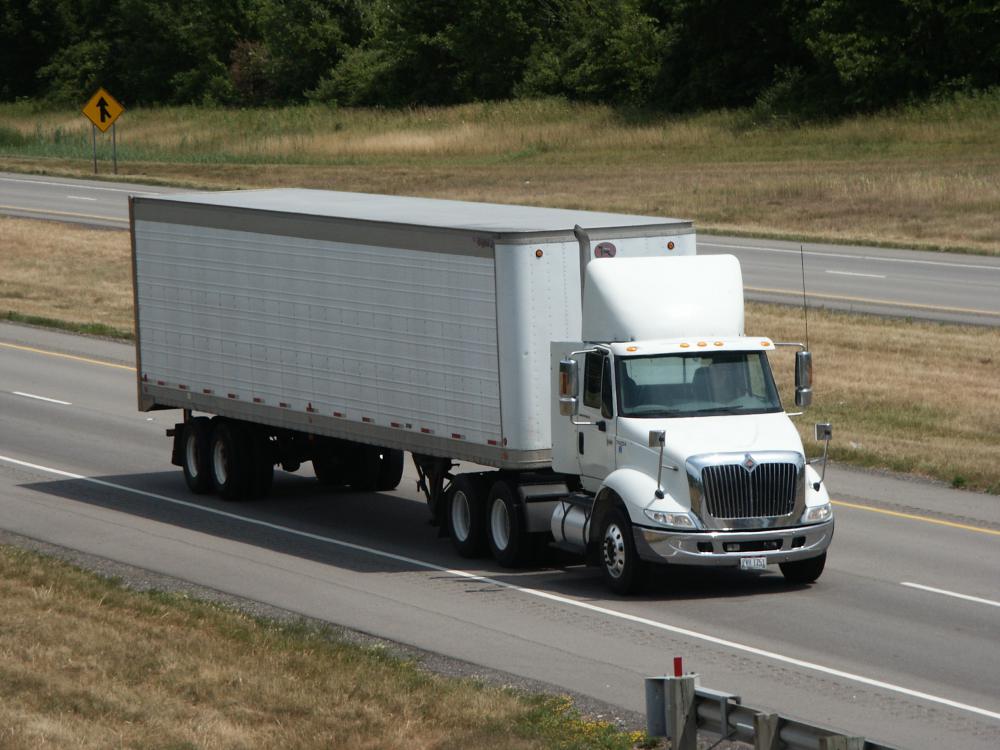
![Freight carriers operate vehicles such as semi trucks and freight trains.]() By: steven HuskFreight carriers operate vehicles such as semi trucks and freight trains.
By: steven HuskFreight carriers operate vehicles such as semi trucks and freight trains. -
![Freight brokers connect shipping service consumers with providers of those services.]() By: alexskopjeFreight brokers connect shipping service consumers with providers of those services.
By: alexskopjeFreight brokers connect shipping service consumers with providers of those services. -
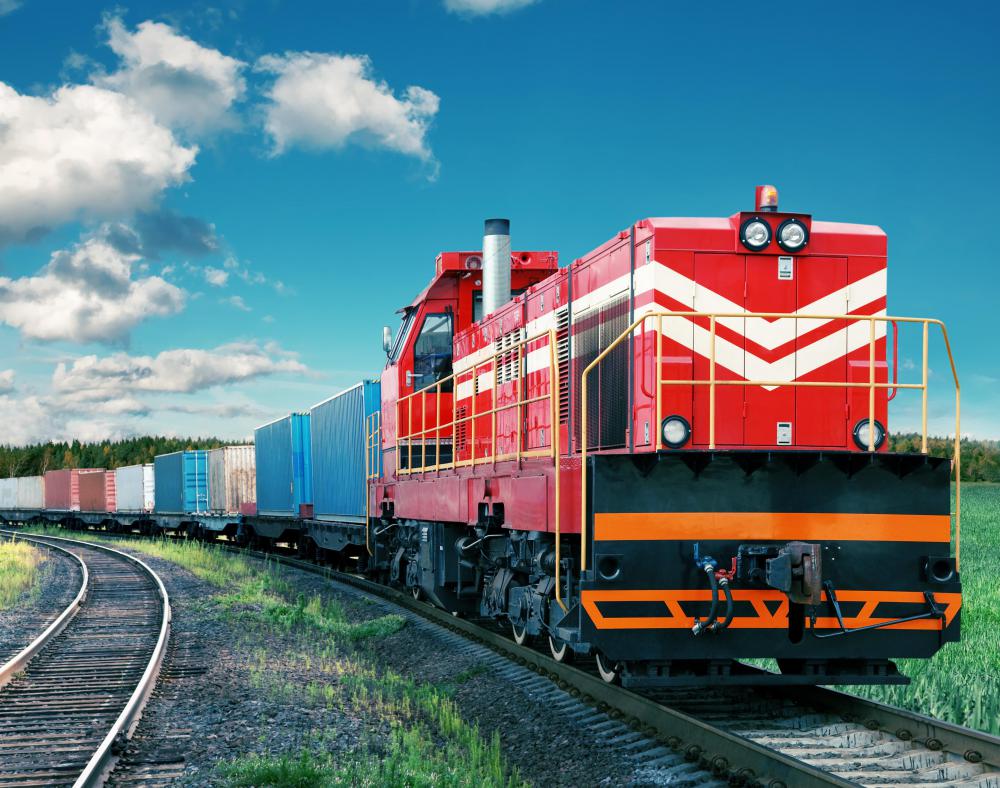
![Freight brokers help clients find reliable carriers, sometimes in the rail industry.]() By: Ivan KrukFreight brokers help clients find reliable carriers, sometimes in the rail industry.
By: Ivan KrukFreight brokers help clients find reliable carriers, sometimes in the rail industry.



Discussion Comments
If you are looking to get broker authority, people, please think. The training these people is often three to five days long for hundreds/thousands of dollars. What can you possibly learn in that short of time to make you a highly profitable business that you can't learn in a month on your own? The expenses to run a brokerage are low so save your money to cover your fixed expenses while you learn the business.
I posted a load and a freight broker set up the trucking for me. Now months later, I am being served papers from a lawyer claiming that the carrier has not been paid and I am responsible for the freight charges after I have paid the broker for their services.
Customer beware: You will be responsible for the freight, should the broker not pay the carrier.
This is the real world. I used to be a carrier and now I've decided to become a broker. It's not easy. Many carriers think this is a sales job.
You have to be able to get in touch with a shipper, first. Now think -- the shippers already work with thousands of other brokers, so you have to know sales first and be on top.
If you're starting as a new broker, you need at least $10,000 just to get your bond of $75,000. The bond alone depends on your credit score. Anyway, you might make from $2,000 to $10,000 for one year. The first year, if you work hard as hell you just might return the money you invested, or you may lose it all. It's a gambling business, so good luck. Carriers always blame the broker. They have no idea what it takes. You sit all day for 12 hours on the computer and try to get to the shipper. The real deal is you must have luck in every business in order to succeed. Good luck.
Is it possible to get a freight road price table? The price is only expressed in dollars per mile. The tons do not enter into the consideration of the price?
Some carriers are so full of crap, always crying about the rates when we are paying 2.65 per mile. If their trucks wastes so much fuel, sell them and buy a better one that is more economical,
@anon37052: What book did you buy?
I am an experienced freight broker. With the new regulations and requirements in the industry, many brokers have been forced to close shop. We are currently hiring and have training available, but the job requires a go get 'em don't take no attitude.
I would like to be a freight broker. I am living here in the Philippines. Can anyone help?
I have been approached by several owner/operators, because of my business, financial, and sales background, to begin the process of training to be a broker. I believe where the triangle of players, shippers, brokers and drivers is concerned, each have valid and legitimate arguments.
I have never driven a truck, but was married to a truck driver and understand full well how hard it is physically as well as emotionally draining. I am going to continue to research the field and determine what direction to go as far as training.
The reason the two drivers approached me with this idea is because they know my work ethic. My strong suit is sales, and Lord knows there are plenty of "less than straight-shooting" reps out there. By the same token, there are bad apples in every profession. Good luck to all.
Abnormal loads services refers to the shipping of extremely heavy and extremely large objects. Not all freight forwarding companies can provide abnormal loads services, but there are many that can.
Many abnormal loads are transported on large freight trucks, however, if they have to be shipped abroad then they can be transported on huge haulage ships.
Interesting! Thanks for the help about what a freight broker is! It sounds like an interesting job.
I think LTL freight brokers can make a lot of money. People need to have their freight transported, and these middle men make it happen!
I used a broker to ship a car. The car was damaged in transport because it was not secured properly. The car was picked up in the northeast and delivered to the broker's place of business in FL. The broker accepted the car and claimed it was undamaged.
When the car was picked up by me at the broker's place of business and driven away, it was found to have broken struts on both sides. The broker has a $1,000 deductible on damage, and the actual carrier has the same. The broker refuses to pay, and says it is the carrier's fault. The carrier is ducking the issue and refuses to pay, saying it is the broker's responsibility. Nice way to do business.
I have no issue with brokers. I feel they are a vital part of this industry. However, the only issue I really have is the brokers playing the market game and that is all. It is not like my truck -- or anyone else's, as a matter of fact -- runs on less fuel some months compared to other months.
I have a good relationship with most brokers and know that they struggle with shippers to get good rates. But the thing is, most of these brokers I no longer deal with are locked in a contract at a set rate with shippers, so why then is it so hard to get consistent rates from some of these lanes?
Right now, California is hurting for trucks to deliver freight. The reason is there is nothing coming out of California worth hauling, and since it's the market, the brokers and shippers won't raise their rates to compensate. Just food for thought.
If you don't think brokers work hard, you're off your rocker. I make hundreds of calls per week. Ever moved produce? Places like Florida, Texas, and California get stupid tight.
Yes it's true some brokers make great money, but those brokers typically work their butts off and put in more than 11 hours a day. Good brokers take phone calls 24/7, including calls at 4 a.m.
I work with a fair number of owner operators and pay them their fair share. I fell out on a truck today for one that was more expensive. I care to impress my customer, and the truck I fell out for and booked I knew would pick up and deliver.
Nobody keeps brokers honest except themselves. Nobody has a right to know how much I make per load besides myself. Get a notebook and start writing down people you don't work with if you hate us so much. Nothing is more pathetic than when a carrier tries to back door someone making $100/week on a load.
Like I said, I like my drivers, but some guys make brokers out to look evil and you look stupid when they do. We're out here trying to make a living, and if it was so easy, they could very well sit down and do it themselves.
A broker is a parasite that sucks the life out of a transporter -- someone who is too lazy to work. Why do you need a broker today when you have the Internet? Some sites are for the cargo sender and the transporter. The sender gives the cargo type: hazardous, bulk, liquid, etc., the weight and the size truck or container required, and also the date for pickup.
The transporter's entry is as follows: vehicle available, place, type (like flat deck or drop sides), max weight 7 tons or 34 tons and of course, the extras like chains or tarps and both give contact numbers.
If this system was used all over the world, the prices would be much lower since it cuts out the middle man. Five phone calls are only a few bucks compared to what a broker takes per load and for what? A few calls and a check for insurance, maybe a nuisance call on the road to find out where the driver is?
After that, he warns you not to speak to his client, etc., etc. If you are a transporter, try and speak to the clients and work something out. There is a lot more to transporting, like backhands, etc., but if you're good, the clients will come back.
What is the best resource to find qualified freight brokers? I am a recruiter looking for an experienced Freight Broker in Rancho Cucamonga, CA. Any suggestions?
Is there a set amount that a broker can take from a load? I mean is that percentage of the load regulated by the DOT? I have heard that if a broker pays you, S/he has to put on the rate conformation a flat rate. Otherwise, he can only take a percentage of that load. Is this true? Help!
Broker authorities are easy to get. To get started, work under contract with a company like mine. Here in canada, we can teach you and get you the resources you need. You need two weeks in home training and then you set up your own home office, and get selling. The boom years have passed but will come back full circle. It's a good time now to cut your teeth, and let someone like us teach you, manage your receivables (very important). Working as as sub broker, your commission will range up to 65 percent of the gross, depending on the numbers you generate. All you really have to do is ask the right questions to the shippers. Get the freight, find a carrier (we have tolls for that) then we send the carrier the load contract.
Is a Canadian broker required to have an MC#?
For all the people who think that freight brokering can be a stay at home part time job, think again.
Being a freight broker is a professional career that requires a great deal of industry knowledge, sales ability and financial management. The time that it takes to actually find the freight to move takes a great deal of time, planning and sales ability.
In order to find freight, you need to contact people directly. There is no such thing as direct freight boards. Most freight boards are brokers. The few direct shipper boards that are out there are hosting shippers that are actually cutting rates on those boards, posting their direct freight at below what they might offer if they where given a bid directly, and yes, many of them still use brokers offering the same freight to both the broker, and are using the direct freight boards. Whoever moves the load first, wins. These boards popped up in the industry as a direct response to trucking companies wanting to ditch the broker for direct freight. I don’t blame them because fuel costs keep rising. All in all, both the shipper and the carrier need brokers, and it’s not going away anytime soon. They are the transportation professionals who put it all together: sales, dispatch and management.
To get freight takes cold calling, and a cutting edge sales plan. In my experience, 100 cold calls generated an average of three customer agreements. One out of ten customer agreements actually provided freight to move. That’s 300 calls before I was able to get my first piece of freight that turned into more later.
Then, there is getting to the first call position with the customer. Exclusivity is a myth; you have to earn the first call position, because for many shippers, you are one of many brokers the shipper is dealing with for one piece of freight.
The point to all this is that it is not as easy as 1-2-3. You have to know your stuff before you jump in, and then you have to ride it out with a plan. Starting out will take 100 percent of your time. It’s not a part time gig if you want to be successful.
My suggestion to those considering this career is to find a good broker school that will teach you how to sell what customers need. Know the nuts and bolts. There are several out there online. Hope this helps some considering this career.
What sites are there to find loads? Anyone know? I have a truck, and I'm working with a small company that gives me loads but it takes 10 percent out of the loads.
You don't know what you are talking about. Freight brokers do not need any insurance. Some carry them, but they are not required by law. Also, they are required to carry a surety bond, not just in some areas.
I am wondering the same thing. seems like everything is done in the states. Is there no training in canada?
i am new freight broker but are there any load boards where shippers post their available freight or what is best way to get customers to give me freight?
Becoming a freight broker is a full-time job. There is no way you can do it as a way to supplement your income while having another job at the same time.
Also, the overhead can actually get higher than you originally think. It takes way more than just a phone, computer, pen and paper. Most shippers/manufacturers require freight brokers to have their own cargo and auto liability insurance, as well as general liability and umbrella policies before they will even allow them to have a load to move in the first place. All of these policies together cost me around $7000 a year. Not to mention there are a lot more overhead costs that most are not aware of until they get into running a freight brokerage.
You also have to have a $10,000 bond. It used to be you could get an insurance company to just give you a surety bond for real cheap, but not so much anymore.
The other big expense is the capital you need in order to pay the freight bills before you get paid by the shipper or manufacturer. A freight broker needs to pay the drivers within 15-30 days from when the load delivers, but try and get paid that quickly from you customer for doing the load. Most customers wait 45-60 days to pay. If you don't have a lot of capital, then you will run out of money before you get paid and then drivers won't work for you at all.
When I started, I bought a book from a freight broker who had been in the industry for 32 years. I already had experience in the trucking industry with my husband being a driver and my education is in business management and accounting (which is a great benefit so that you don't have to hire someone to do all of your bookkeeping and accounting). The lady I bought the book from told me I learned it faster and was more successful than any of her other students (I only say this so the point I want to make gets across loud and clear). Even with all of my experience and contacts, it still took me three months to get all of the licensing in place, find loads and be able to actually get a trucking company to haul the freight for me.
So there were three months without making any money, but it wasn't just three months. It was a total of 11 months before I actually drew income for myself. It takes that long for the money to cycle. With how long it takes customers to pay and how quickly you need to pay the drivers after they deliver, it actually ends up feeling like you are a bank and not just a broker. If you aren't smart financially, then don't get into this business.
I was able to do it because of my knowledge of trucking from my husband, my own education and experience, and the fact that I was able to put the time in for 11 months before actually starting to draw an income. I also started this a long time ago when freight was abundant and pay for freight was good. If I were just starting off today, that would be very difficult. I don't think this is something you can just start up today and see money off from in a month. There isn't a lot of freight available right now unless you have contracts already in place and drivers need to get paid well so that they can keep on rolling. Shippers keep on trying to lower their rates and when they do it, then the trucks won't move the freight.
anybody that thinks $2 to $3 a mile for hauling freight is uncalled for, they're crazy and don't have a clue what they are talking about. fuel is $3.79 a gallon at the cheapest now, tires are $350 to $450 a piece, then you have brakes, oil, and filters that all keep going up in price.
Everything for a truck costs an arm and a leg and a pot of gold, and if you have a breakdown it's almost always going to cost you in the thousands. the bottom line is that if you haul freight for anything less than $2 a mile, you won't be in trucking very long. the freight rates have to start coming up.
I am considering truck brokering strictly as a supplemental income. One of the primary reasons it appeals to me is the low overhead, and that I can do it out of my home. I would prefer to keep it very small.
I would love to hear from someone who has advice on my particular interest. Thanks, Trinity
What can I say to all you new guys? It's hard finding drivers for loads on cheap prices that customers are willing to pay. I don't see how drivers are doing it.
I feel bad at times booking full truck loads so I am doing partial. Mostly, that way the drivers make more by picking up several shipments.
But to all you new guys good luck, and don't get greedy. Pay your drivers well and they will keep calling on you for loads and they will help you out with hard to move loads.
Here is a tip for everyone that has never worked for a trucking company or drove a truck: don't become a broker! You have no idea how to manage freight transportation because you have no experience.
Everyone thinks it's a no-brainer, but when you are having to post help on how to find customers, you are clueless so don't waste your time. You will end up bidding cheap rates to shippers and ripping off the carriers just so you can stay afloat.
When you bid to a shipper, you bid for a transportation costs and your percentage. The temptation is too great for most of you when you see the the money you are paying drivers compared to your percentage.
But you won't take into consideration the expenses that truck has to move that freight compared to your punching buttons on telephone and computer. Unless you really understand the way this industry works, stay away from it and start your own business in something you know about because you will ruin it for shippers, other brokers and carriers.
I am sorry if this sounds harsh, but it needs to be addressed because I am tired of people thinking this is a "easy" business. People's lives depend on you know what the hell you're doing. It's not a joke!
cjptrsn- Wow! You speak like a true broker. As this article mentions start up costs are low for a brokerage. What do you need? A computer, phone, fax machine.
$2-3/mile is not unreasonable. As a matter of fact, this is a price necessary for shipments when you consider trucking companies' needs: semi trucks, trailers, insurance, fuel, maintenance, office employees etc.
In this bad economy you may be able to beat trucking companies down in price, but when things bounce back, you will have no choice but to pay these rates or not get your loads covered.
Those are the days that trucking companies can't wait for, because it is brokers like you who are killing this industry. I'm sure you don't understand that though, sitting behind your desk at your computer, out of touch with the real industry.
My name is Benito and I live in North Hollywood, ca. and I am a truck driver. I own a transfer dump truck and I would like to contact a broker that can help put my truck to work. I have not worked for four months and I transfer dirt, gravel, base, etc. and also pick up and dump dirt, broken concrete and asphalt if anyone knows of a broker let me know thank you.
Who regulates and controls brokers to keep them honest? I have a serious complaint and don't really know who to contact? Had two trucks confirmed, broker canceled at the last minute (literally) and I had to pay two drivers and bring my trucks home empty.
Chances are Mr. Broker got someone to carry the freight for less money. I refuse to play this game and they will pay me for my trucks not being used after they confirmed. Thanks!
anon37052: what is the book you bought?
I'm a driver and want to become broker. First I would like to start as a driver/agent and run loads for myself, then later start a business. Would this be a difficult task to start as a driver/agent in the beginning of broker career. Thanks, Rob
cjptrsn: where can i find loads? i just started as an independent freight broker. is there a site i can use?
I have been a truck driver for 11 years now, and am in the middle of getting my degree in business management. I have recently been contacted by a trucking company in regards to a freight brokering position. Most of this company's drivers are owner/operators (90 percent). Is there anything I need to know going into this position?
Jim, try craigslist or just start searching carriers in MA. You can call parts shops and truck dealers also. Try to think about who a trucker comes into contact with every day and call those people.
As a "rookie" freight broker agent, I can tell you that it is rough. This is not an easy in, easy job. If you are prospecting shipping clients, you'd better have tough skin and a great script.
These days (summer) everybody has loads they need booked. The trick is finding a carrier that will take the load for a reasonable rate. Come on guys: $2-$3 per mile? Get real. And any purchasing manager worth their paycheck went out and locked in rates with a national or large regional carrier. The rest of the shippers out there have been cold called to death.
The only opportunities I get are for lanes that nobody else can book.
How can I find owner operators in the Boston area who are looking for loads?
I want to start a program using o/o and need to learn a lot. thanks. jim
I am starting a freight broker business, i need help to locate new company. Please help me. thanks.
it's simple: money doesn't sleep. For all of you rookies, don't mess up what we have created. Remember, if you can't do the load for a customer, don't haggle with the carriers and don't lie to them. Thanks for your attention, rookies.
I just cannot understand why, in the current economy, any shipper would be using a broker. There are very good rates out there. Why let the middleman take a money from you? It is easy to get these rates.
- anon37052 what book did you buy to learn the business?
Apparently I posted my first response incorrectly. For those of you asking about how to become a freight broker, I went through Fr8Manager. They will help you even if you don't have experience.
anon37052: what is the book that you send? I am also driving and aspiring to build a company of my own.
once I got my MC#, I received all kinds of phone calls and letters in the mail for bonds and trust funds.
I contacted 1st Security Financial and they answered all my questions and even gave advice of pitfalls to be aware of. I have my trust with them and am completely satisfied.
How do i get started? i want to become a freight broker and work from home.
Anon33199 -
I recommend ATEX Logistics for freight broker training. This is how one company got started. There are other ones as well. Just call them. Someone will be eager to talk to you to explain their service. Have a great day.
Thanks --Shipper Boy
Can a shipper be a freight broker at the same time?
Thanks for the article. I am from Argentina. Here doesn't exist the freight broker and I want to to be the first one. I have a notebook, a cellular phone, a printer, clients, but I am working by myself. I need to have a partner not only in my country, I need also one in the rest of the countries. is there any focus where I can find them? How can I do this?
Thanks, Carmen Ma. Pearson
The FMCSA only requires the broker to carry $10k in coverage in the form of a broker bond or a broker trust fund. This coverage is for unpaid freight charges only. Any additional coverage would be at the discretion of the broker. The carrier the broker contracts to move shipment is required to carry both cargo 7 liability. It is not the responsibility of the broker. 75% of today's brokers use the trust fund, as insurance companies are reluctant to issue broker bonds. These trust funds can only be filed with the FMCSA through a USDOT approved financial institution. --James
For anon37290, Freight Broker Boot Camp has been a Godsend. I recommend it highly especially before you spend $2000 to $5000 on traveling and a classroom course. You can do it online and save a ton of money. Good for me, since I take a bit longer to catch on to things and I am working on it at *my* speed. Good luck!
I'm thinking about taking a training course for freight brokering. can anyone recommend a school.
I'm also a freight broker and i can tell you that the change from driving trucks to this is pretty abrupt.It took me a while to find all the info i needed and now i make decent income.At the beginning my biggest problems were finding clients dealing with all the software and of course taxes.Now I'm expanding and i find training new agents to be a pain in the a**.Explaining everything simply takes too much of my time.Now i just send them a copy of the book i bought and give them a week to learn it. God Bless America!
I am a new broker and need to find companies to enter into a shipper/broker contract with me. How do I find companies to do this? I only want to broker flatbed loads. Can anyone point me in the right direction? I would appreciate it!
I'm trying to start a freight broker business but can't find where you go get the license.
I'm in Canada.
My other question is broker authority means that I'm just the middle man. I find loads and broker them to other company's?
Can anyone help!!!
Thanks
If you go to the FMSCA website to get a license, you should search under "Broker Authority."
Post your comments