
At HomeQuestionsAnswered, we're committed to delivering accurate, trustworthy information. Our expert-authored content is rigorously fact-checked and sourced from credible authorities. Discover how we uphold the highest standards in providing you with reliable knowledge.
What is a Floating Foundation?
A floating foundation is the foundation of a building that does not use footings. It is a poured cement slab that has two deep edges that go just below the frost line in northern climates. The foundation actually does float on the earth and moves as temperatures compact and expand the soil. It is very common in garage floors and mobile home slabs, and in many parts of the world, it's simply referred to as a slab foundation.
In a typical floating foundation, the plumbing and electrical lines are fastened to the slab by simply running them through the floor as it is poured. This means that the plumbing, drainage, and electrical lines must all be completed prior to pouring the foundation. In many cases, it is a much more affordable method of building than using a footing equipped foundation, but it can lead to very expensive repair bills if the plumbing requires work in the future. In warmer climates, the floating slab is much more friendly to homeowners as it does not flex too much because there are fewer extreme changes in temperature. It also helps to cool the structure, as the foundation's contact with the ground draws cool temperatures through the concrete and disperses them throughout the building.

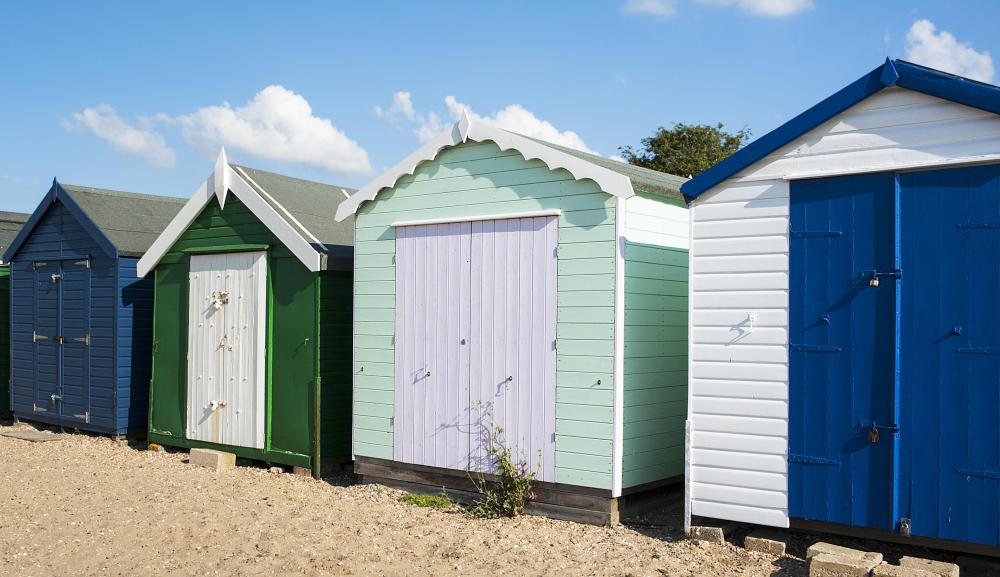
When constructing out-buildings such as sheds, the term can take on another meaning. Some flooring systems for outside sheds are known as floating foundation floors and do not require any concrete to be poured. In these applications, the foundation is merely lumber framing placed upon blocks. This allows the floor of the shed to sit elevated off of the ground, which prevents water from seeping into the shed and protects the shed's contents.

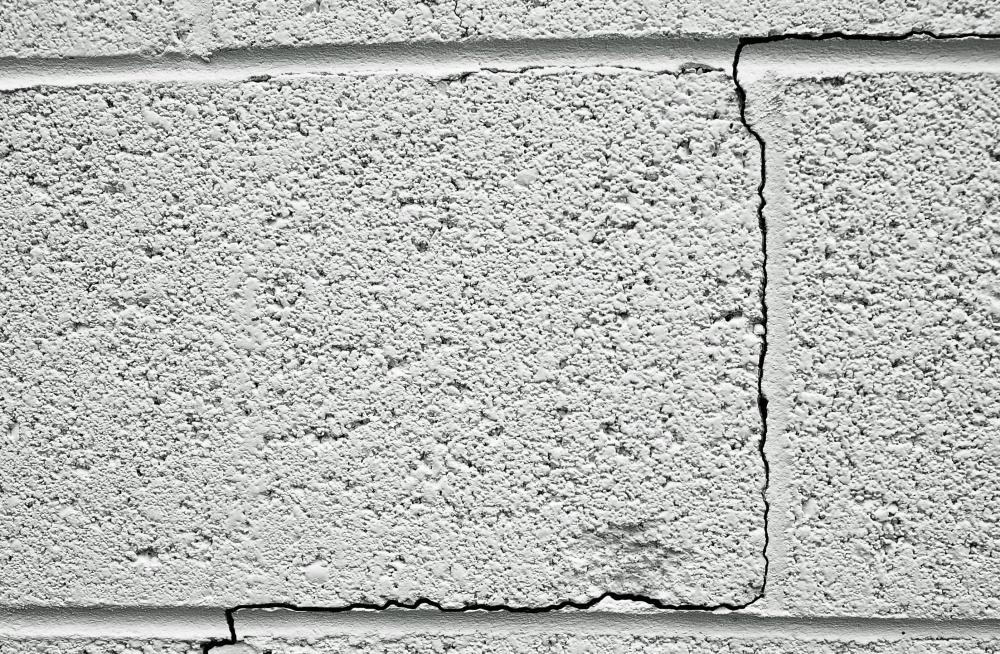
When pouring a floating slab foundation, it is imperative to install reinforced steel rods or heavy wire mesh in the floor before pouring the concrete. The wire and steel prevent the floor from cracking and breaking as the slab flexes with the earth. Without this reinforcement, the slab will likely crack and possibly cause damage to the walls and ceiling, as the floor will be allowed to flex unevenly. Often, the flexing of an un-reinforced slab will cause doors to not close or open correctly and windows to stick or even crack. Walls are also subject to cracking, and drywall is prone to break at the seams.
AS FEATURED ON:
AS FEATURED ON:


-
![Floating foundations are very common in mobile home slabs.]() By: allbylouiseFloating foundations are very common in mobile home slabs.
By: allbylouiseFloating foundations are very common in mobile home slabs. -
![Floating foundations for sheds typically refers to placing the lumber framing on blocks to elevate the shed off the ground.]() By: mparrattFloating foundations for sheds typically refers to placing the lumber framing on blocks to elevate the shed off the ground.
By: mparrattFloating foundations for sheds typically refers to placing the lumber framing on blocks to elevate the shed off the ground. -
![A poured cement slab without footing creates a floating foundation.]() By: Mitchell KnaptonA poured cement slab without footing creates a floating foundation.
By: Mitchell KnaptonA poured cement slab without footing creates a floating foundation. -
![Wire and steel reinforcement prevent floating foundations from cracking.]() By: zimmytwsWire and steel reinforcement prevent floating foundations from cracking.
By: zimmytwsWire and steel reinforcement prevent floating foundations from cracking. -
![Batter boards are commonly used to mark the corners of a floating slab foundation during construction.]() By: thejimcoxBatter boards are commonly used to mark the corners of a floating slab foundation during construction.
By: thejimcoxBatter boards are commonly used to mark the corners of a floating slab foundation during construction.



Discussion Comments
Here in Holland they are becoming increasingly popular. The average house stands already 6-7 feet below sea level. Some places in the country sit 7 meters or 21 feet below sea level. When flooding occurs your house will be underwater. Securing the floating house on giant pylons is necessary for keeping the house in one spot. The biggest drawback is external water and sewer installations. And not to mention a cold floor in the winter months. The paybacks are enormous. While everyone is underwater your high and dry.
In Texas in dangerous flood areas, the government is considering cancelling flood insurance, especially in Houston. They use giant slabs of foam in the foundation for extra buoyancy and insulation, and as an extra safety measure if a leak in your foundation occurs. It displaces the air pockets.
In the future, as more and more flooding occurs, these houses will become more highly in demand around the world, especially when sea levels rise.
Our mobile home is already sitting on a slab foundation and we want to add another 24x20 addition to the unit going in the opposite direction. The mobile home sits east to west, and the new addition will be positioned north to south from the back door opening. What type of foundation is needed to ensure the winter/summer ground movement does not pull the new addition away from the existing unit?
I built a deck in my backyard recently with a floating foundation deck system. This kind doesn’t require concrete or digging holes. It’s pretty much a do-it-yourself system.
All I had to do was put deck block piers on top of the soil, put support boards and then attach the final deck boards. It truly “floats” on top of the soil, no need to attach it to the house.
I built the whole thing in a weekend. I realize this is not a floating foundation for a house, but I just thought I’d share-and recommend it to anyone wanting to build a deck.
@nony - Repairing a house foundation is an expensive proposition. Right now in our area we keep hearing this company on the radio advertise a cable system of repairing the foundation, using concrete pilings and steel. It’s supposed to be the best way to secure a foundation.
I don’t think it will be cheap, however, and in your case, if your house is built on a slope, you have a potential problem that goes deeper than the foundation.
I’d say you should go ahead and at least get a free estimate, but given your situation you should probably just live with it. As long as you see nothing major-like cracks in the exterior brick work of the house-then you should be OK.
@allenJo - If your inspector said it was nothing to worry about I wouldn’t pay much attention to it. You may want to keep an eye on it now and then but it shouldn’t be a problem. The greater concern would be foundation cracks in the house itself. That happens to be my problem.
Our house is built on a slope and we have a large greenbelt in the backyard. We have some shifting in the foundation. Our inspector informed us about it but said there was no reason for concern. I too have my doubts.
We also noticed that some of the doors don’t fit properly as a result. I suppose it comes with the territory given our location. At some point in the future I may have another inspector look at it again. The last thing I want to deal with, however, is foundation repair. I can’t afford that right now.
I assume I have a floating concrete foundation in my garage-we do use the term slab foundation here. I had the house inspected before buying it and the inspector noted a slight hairline crack in the foundation in the garage, but he said it was nothing to worry about.
He said there was some settling of the house. I don’t know if this means that the slab was not reinforced with steel prior to the cement being poured or what. Should I be concerned?
Post your comments