
At TheHealthBoard, we're committed to delivering accurate, trustworthy information. Our expert-authored content is rigorously fact-checked and sourced from credible authorities. Discover how we uphold the highest standards in providing you with reliable knowledge.
What Is a Cyst?
 Michael Pollick
Michael Pollick
Michael Pollick
A cyst is a small sac that can grow on the skin, organs, and other body tissues. There are hundreds of different types of cysts, most of which are harmless. In some rare cases, however, these structures can be a sign of a more serious condition, such as a hormonal imbalance or cancer.
What a sac is filled with determines whether it is a cyst, an abscess, or a tumor. Cysts are usually filled with fluid, such as skin oil, although they may also contain air, water, or semi-solid matter from the body. Abscesses are often the result of an infection and contain pus. Tumors are typically filled with body tissue.
What Is the Difference Between Cysts and Tumors?

Cysts and tumors both appear as abnormal lumps on or within the body. However, a tumor grows out of tissue while a cyst grows out of fluid or air. These differing textures will reveal whether a lump is a tumor or a cyst. Tumors feel hard to the touch while cysts feel softer.
Both of these entities may grow over time and may be accompanied by swelling, but the causes and prognoses can be extremely different. Tumors are more likely to be malignant than cysts due to the abnormal growth of tissue which may cause pain or cancer whether benign or malignant. Cysts are usually benign unless they contain solid masses within them or reflect other cancerous activity within the body.
Causes

Small lumps on the skin often develop when oil or other fluids cannot flow freely from the body. Many harmless cysts on the skin occur when hair follicles become damaged or blocked. Oil-secreting glands known as sebaceous glands can also rupture and become blocked, stopping the oil from shedding normally. Most lumps caused by blocked glands or follicles are benign, meaning that they are generally harmless and not a sign of a more serious problem, like cancer.

Hormonal imbalances can sometimes cause the growth of sacs on internal organs. Breast and ovarian cysts are often linked to an imbalance in estrogen, which can interrupt ovulation cycles and cause tissue overgrowth. These conditions can sometimes be treated with hormone therapy.
Some medical professionals believe that chronic inflammation or trauma can also cause some types of cysts to grow on body tissue. While the exact role these factors play is unclear, some experts suggest that injuries may cause the depletion of the membranes that cover joints and organs, allowing cysts to form more easily. Infections in the body may also have a similar effect, causing a breakdown of tissue that leads to fluid-filled sacs.

In some cases, a cyst may form while a baby develops in the womb. This can sometimes signify organ disorders, since they tend to appear on organs that are not developing correctly. Similarly, genetic conditions such as Gardner's Syndrome, in which polyps, tumors, and cysts form throughout the body, or inherited genetic mutations may raise a person's risk of developing these growths.
Occasionally, cysts can be related to tumors. They may appear on top of developing growths, or form on the same organs. While tumors can be cancerous, many varieties are actually harmless.
Are There Ways to Prevent Cysts?

Most of the causes of cysts are relatively uncontrollable such as blockage, cell defects, parasites, tumors, or chronic inflammatory conditions. Due to the nature of these conditions, the cyst will likely appear as a symptom rather than the sole problem. Therefore, prevention methods more closely treat the overall health of the patient rather than ensuring they will not develop a cyst in the future.

Some of the best ways to prevent cysts are to reduce inflammation through diet and stress control. High-stress situations can encourage bodily inflammation and increase the likelihood of cysts. One study concludes that red meat and cheese may influence benign cyst formation while a diet of green vegetables may discourage cysts.
A method that may seem overly simple is to merely maintain hygienic practices. Since one cause of sebaceous cysts are blockages of the follicle, regular washing and exfoliation may help to minimize the risk of cysts, especially for those prone to that condition. Maintaining cleanliness can further reduce the likelihood of infection in areas where cysts can be common.
Finally, trauma to the skin or body may be another cause of cysts. Avoiding injury to the head and body increases safety for many reasons, and preventing cysts is among those benefits.
Symptoms
When cysts develop on the skin, the most common symptom is a small lump or bump. These growths are generally small and match the color of the skin, though some may seem irritated and red. They may come and go on their own, or persist for weeks. Many skin cysts are painless and do not cause other symptoms; one that grows on a joint, such as behind the knee, however, may cause pain or irritation.
Breast-tissue cysts are often somewhat painful. Instead of developing on the surface, they tend to be deeper inside the tissue, and may be found by doing a manual examination on the breasts. Any painful or painless lumps in the breast should be checked out by a medical professional.
Growths on organs may be somewhat more difficult to identify. They are often associated with pain or decreased function of the organ; for example, people who suddenly have trouble urinating may have developed a growth on the kidney or bladder. In most cases, however, organ cysts have no visible symptoms and are only found through body-tissue scans, such as ultrasounds or MRIs.
What Are Self-treatment Options for a Cyst?
Since many instances of cysts occur with mild and temporary symptoms, there are a few safe methods to care for cysts at home. The main goal of self-treatment regimens should be to reduce irritation and promote healing. Warm compresses and localized cleansing are the best ways to treat a cyst between checkups.
Gently applying a warm cloth to the affected area serves to soothe skin and reduce swelling. The increased heat around the area will encourage draining and reduce the thickness of the trapped liquid, so a fluid-filled cyst may benefit from a few daily compresses.
Cysts that appear on or near the skin may be related to blocked glands or follicles. Cleansing this area with gentle soaps can aid in washing away aggravating substances around the blockage site and discourage infection.
Individuals should always maintain gentle and non-invasive practices within the home. Any methods of care should occur under the recommendation of a doctor. However, a cyst should never be drained at home by way of popping, piercing, or cutting. These lumps will often correct themselves naturally and may be more likely to do so with the encouragement of a compress and a cleanse.
Types of Cyst
Skin growths include several different categories. Pilar cysts tend to form on the scalp, and are caused by blocked hair follicles. Baker's cysts appear behind the knee joint, and can be very swollen or painful. Spermatoceles grow on the skin surrounding the testicles, and are generally harmless and painless.
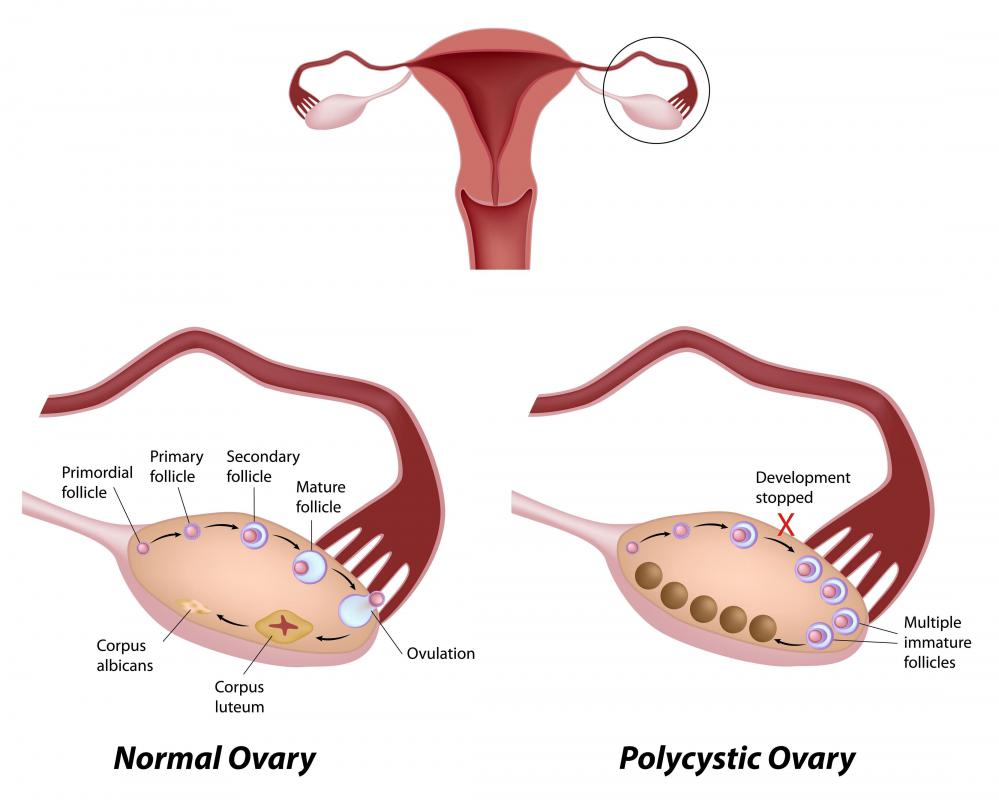
Common organ growths include those on the liver, kidney, and pancreas. These may decrease the function of the organs if they grow large, but they are often harmless and cause no symptoms. Ovarian cysts are fairly common in women of childbearing age. Occasionally, they can be extremely large and painful, and may lead to a condition known as polycystic ovary syndrome, in which the surface of the ovaries is rippled with many lumps due to hormonal imbalances.
Sacs can also grow in the mouth and throat. Children may develop dentigerious sacs, which are tender fluid-filled growths that appear around teeth just before they break through the gums. Vocal fold nodules form in the throat and on the vocal chords, causing hoarseness and changes in the voice.
What Are the Common Problems From Cysts?
Cysts do not usually pose a significant threat to a person’s health or well-being since they are often benign. One of the greatest risks with an untreated cyst is potential infection or pain. These complications can be more common in Bartholin’s cysts, ovarian cysts, and Baker’s cysts.
Though many cysts in these locations can remain painless or resolve over time, some individuals may experience pain or inflammation around the area. If the cyst was present for a time before becoming painful, an infection may have spread to the fluid trapped within the cyst.
The increased swelling and tenderness associated with an infection will increase the pain experienced by people with cysts. However, infected cysts will usually pop and drain naturally if a doctor does not treat the condition first. Doctors can drain the site and may choose to prescribe antibiotics to prevent further infection as the abscess heals.
Diagnosis and Treatment
Medical professionals will often diagnose skin growths simply by looking at the lumps directly. Some health care providers may do a needle biopsy to take a sample of the material in the cyst. This type of biopsy is typically used to determine whether the growth is benign or cancerous.
Imaging scans, such as ultrasounds and MRIs, are often used to examine internal growths. These scans can help identify whether there are cysts, where they are located, and how large they are. Depending on the results of the scan, a doctor may then recommend a needle biopsy or removal if the growth seems suspicious.
After diagnosing the growth, treatment options vary. Some sacs are harmless and small, and may simply be left alone. If a cyst is painful or growing, a medical professional may suggest draining the fluid out. Large growths may be surgically removed. For growths caused by hormones, such as breast and ovarian cysts, treatment may focus on correcting the imbalance to prevent further problems.
Michael Pollick
A regular TheHealthBoard contributor, Michael enjoys doing research in order to satisfy his wide-ranging curiosity about a variety of arcane topics. Before becoming a professional writer, Michael worked as an English tutor, poet, voice-over artist, and DJ.
Learn more...
Michael Pollick
A regular TheHealthBoard contributor, Michael enjoys doing research in order to satisfy his wide-ranging curiosity about a variety of arcane topics. Before becoming a professional writer, Michael worked as an English tutor, poet, voice-over artist, and DJ.
Learn more...AS FEATURED ON:
AS FEATURED ON:


-
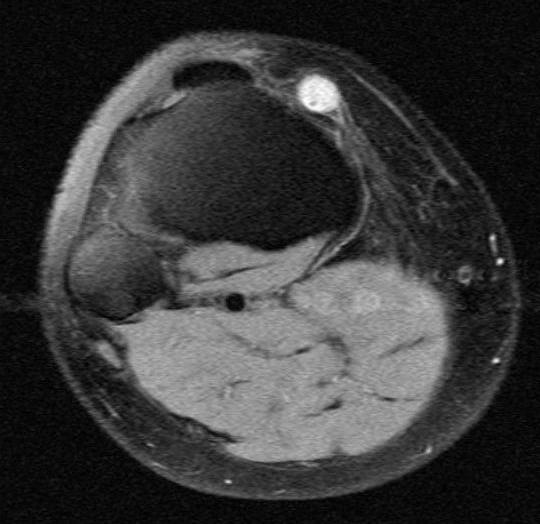
![A cross-section of a ganglion cyst.]() By: Morten AmundsenA cross-section of a ganglion cyst.
By: Morten AmundsenA cross-section of a ganglion cyst. -
![A healthy ovary and one with cysts.]() By: AlilaA healthy ovary and one with cysts.
By: AlilaA healthy ovary and one with cysts. -
![Pilar cysts are common subcutaneous growths found in the hair follicles of the scalp.]() By: Paul HuxleyPilar cysts are common subcutaneous growths found in the hair follicles of the scalp.
By: Paul HuxleyPilar cysts are common subcutaneous growths found in the hair follicles of the scalp. -
![Ovarian cysts can form painlessly and disappear on their own.]() By: Zsolnai GergelyOvarian cysts can form painlessly and disappear on their own.
By: Zsolnai GergelyOvarian cysts can form painlessly and disappear on their own. -
![While sebaceous cysts can occur on any part of the body, they tend to show up on the face and neck.]() By: Max TacticWhile sebaceous cysts can occur on any part of the body, they tend to show up on the face and neck.
By: Max TacticWhile sebaceous cysts can occur on any part of the body, they tend to show up on the face and neck. -
![Breast-tissue cysts may be found be performing a manual examination of the breasts.]() By: Marin ConicBreast-tissue cysts may be found be performing a manual examination of the breasts.
By: Marin ConicBreast-tissue cysts may be found be performing a manual examination of the breasts.


Discussion Comments
I would suggest to anyone with a lump, etc., please, get to a Dr. If money is a problem, try and find a free clinic! Don't try to diagnose yourself. Be safe, and, stay alive, please!
My name is John and I am 22 years old. I have a cyst under my neck that won't go away. I've had two surgeries removing them back in 2013. The surgery was a theroal glossal removal. I did it in May of 2013 then three months after it came back again. I had the second surgery and after the second surgery the third one came back. I keeper it under my neck since then and pooped it over and over and over. Is there any other way to deal with this?
I have a 2.5 X 1.5 inches size lump seen yesterday 27.11.2016 on the left side of my penis. It is painless but slightly red in color and it appears clearly when I'm standing and sitting. Please tell me about above and what I will do next sir. It is soft. D--. K.
I'm 14 years old and am a virgin. I noticed this a year or two ago that the outside of my vagina, halfway down it underneath the skin is a bump. I can see it and it kind of pushes the skin over my vagina a little bit and when I pull my knees up it is very visible and hurts a bit when I touch it, but I can't see or feel it when I am lying straight. Is this normal?
@anon976704: Please check out my other replies to girls with issues similar to yours. My nick is amypollick. I've replied several times to girls on this thread.
Odds are, the bump is just something like a pimple or a boil. Try putting a warm, moist compress on it and see if that helps. Just wet a paper towel, fold it up and microwave it for about 10 seconds. Hold that on the bump as long as you can stand it. My guess is, that if you will do this for a couple of days, the place will drain, probably with a bunch of yucky gunk, but that's normal. If it doesn't, or if it gets a lot bigger, tell your mom. I know you will be embarrassed, but she was 13 once, and I promise she will understand.
But be specific. Tell her where the bump is, how long it's been there, and that it is getting bigger. Don't say, "I've got this thing, you know, down there, and it's kind of weird and I'm worried." That doesn't tell her a thing. Be honest about it, even if your face is red as a beet the whole time.
The odds of you having cancer are very, very low.
I'm 13 and I found a few days ago quite a large lump in my vagina and I don't know what it is. I'm really scared of what it might be. I've tried looking up what it is but still no use. I'm hoping that it's not cancer because if it is then I don't know what I would do. I'm really scared so can anyone help me, please? Thank you.
Could someone please offer some advice? I am a 32 year female, and I've had a lump come and go under my left armpit for two years. One of them feels like a lymph node and the other it quite deep and hurts when pressure is put on it. The doctor thinks I have an inflamed cyst and has prescribed antibiotics. I have to go back this week as she may need to send me for tests, but that has scared me. Plus the pain and lump have gone down even though I can still feel it there. Surely this is a good sign.
I have had plenty of cysts on my face. I only had one removed. The cysts I have are usually caused from acne, and usually the cyst will hurt at first, then the head appears and the cyst will start to drain for a few days.
Usually, the pus is milky white and sometimes watery or mixed with blood. The cyst I have now is almost gone but what is draining is a little blood. I tried this herbal remedy that said if a cyst is painful, you take a cotton with cold real cold water and add two drops of lavender oil and apply it onto the cyst it relieves the pain. Also, Tea Tree ointment is good for acne. It is an antiseptic. I have also used that on my cyst it helps. Tea Tree ointment is also good for fungus.
I also heard that echinacea applied to acne and cysts speeds up healing. So far, the Tea Tree ointment has helped me. I never have any scars.
I'm 32 years old and the doctor found ovarian cysts. The cysts came back after being removed 10 years ago. The doctor wants to remove the cyst and may cut the ovaries, but I still want to have another baby. I am very sad.
I'm 15 and i have like a nickel size bump under my left arm and on my left breast. I have popped them but they keep coming back. What does this mean? Does anyone know? And they really do hurt.
I'm 26 and have some cyst like thing in my arms, thigh and stomach. After seeing the pic above, I found that it was a cyst. But I want to confirm it and get some suggestions for this. Is this harmful? Does it affect my body. What is the cure for it? Please, please help me out. I'm afraid.
Also, if you get a cyst, get it removed ASAP in case it gets infected. Those are not pretty. If you have large red lumps and gross smelling cheesy white discharge from the cyst, it is infected. They are harder to remove.
Everyone, calm down. Cysts are extremely common. I have had a white one on my face when I was eight, which disappeared. Now I have one right between my eyes, which isn't exactly attractive. I went to the doctor who referred me to a plastic surgeon. He is going to remove it by making a tiny incision and sucking it out so I have no scar.
Four of my friends have had cysts removed on their face, two right underneath their eyes. All you need to do is go to the doctor who can either lance it or if it is large or in a visible area they will simply cut it out.
The procedure I am having will take about 15 minutes, and that is only because he is minimizing scarring. Otherwise, the time is shorter.
Everyone, calm down. It's fine. The doctors didn't mention these scary possibilities of cancer. I have fungal infections on my toenails and one doctor said I might have cancer. But it was fine, they simply removed them. Really. Also, never try to remove a cyst yourself. Go to a doctor; they are the professionals.
Oh and by the way, I'm a 14 year old girl.
To number 35: Don't worry about it. I'm a male and had the same thing when I was about 12 years old. It just took some time to leave but it wasn't dangerous or anything. Do not try to pop them or scratch them because it burns and hurts like hell. Trust me.
I am 15 years old. I have a penny sized lump under my right arm,(armpit), and a pea sized lump also. The pea sized lump has popped but the other is very sore and very tender. I was wondering if anyone knew a cause or a solution to this because I was afraid to pop it because it has not shown a head.
Jammy: I frequently had cysts in my armpits and at the back of my butt. It's like an infection or a sebaceous cyst. In such cases, just before the cyst shows it's head, a day or two before i can feel a little strain or pain in my skin.
A homeopathic medicine, Heper sulphur 200x, helped me a lot every time. A long time cyst formed on my chin out of a shaving cut and it also healed soon. This medicine acts overnight and gave relief in a day. I am relieved of my pain and I want people to know about it.
I am 37 years old. I have a 14 year old healthy daughter. I was told for years after this I was infertile due to what we thought I had, endometriosis. I was recently sick for approximately a year and a half experiencing dermoid cysts in my ovary and was scheduled a diagnostic laparoscopy. after this surgery they determined I was clear of cyst at the moment and there was no endometriosis to be found. Three weeks after surgery, we discovered I had already been nine weeks pregnant, even with hospital pregnancy tests taken before the procedure. I now have a beautiful three month old son.
Last week I noticed my son's face becoming more defined since a couple of growth spurts and noticed his face swollen on one side in front of his right ear. Realizing this wasn’t his double chin extending up his face I took him into my doctor's office with concerns. they say it is a cyst. I believe he has had it since birth and it has been growing slowly. Now it is to the point where it is extremely obvious and sometimes seems darker in color as if it is bruising the skin.
They checked his ears and his mouth and in their professional opinion has nothing to do with either of them. They say it doesn’t feel 'attached to anything'. We are soon to be scheduled at sick kids hospital in Toronto for ultrasounds.
I am just really nervous about the procedures my little guy is going to have to endure, and concerned that this cyst will become physically painful while we wait on these tests. any words of comfort are welcome for this 'new mom again'. Thank you.
This sounds like what I have, but I just want to see if anyone here has alternate theories.
I am 20 years old, and am sexually active with my fiance. He is my second partner, and I am his third. I am 5'5" and about 155 pounds.
I used to get small cysts (about the size of a lentil) in my armpits occasionally, and also had one right above my clitoris, all of which were able to be popped within two to five days. All of these occurred before I was sexually active.
About two days ago I noticed a marble-sized bump on my perineum, slightly to the left of my vagina. When I look at it in the mirror there is no noticeable redness or puffiness, and no head. It only hurts when I apply direct pressure, sit down too hard, wear tight clothing, etc. Upon further exploration, I realized it extended about a 1/2 inch into my vagina (I can feel the swelling when I probe).
Could this be a result of shaving? (In a rush awhile ago, I dry shaved multiple areas, including my pubic hairs) Or does this sound like a cyst? Maybe an infection from a tiny cut I got while shaving?
I'm making an appointment to see my general practitioner in the morning, but I just wanted to know if I should keep other possibilities in mind when I go.
I have one inside my ear. it is a cyst. i have only one. I'm going to have tests on it in June and I'm going to be asleep.
some of you should look up Hidradenitis suppurativa. it sounds like a few of you might have this.
to #201, what it sounds like is your lymph nodes were swollen, and this can happen from stress. I have cysts, some I had removed, some I still have. But typically once a cyst forms, it doesn't just pop and go away. I have had one on my head for at least 10 years.
But there is also something called cystic acne; this is a combination of a pimple and a cyst. People will tend to get them around the hairline and they are a bit more painful, but typically go away after a while.
And to #208, I am not a doctor but what you have sounds pretty serious. I used to get abnormal paps and was told that I had severe dysplasia. I would try any means necessary to get to a doctor ASAP. I must say after reading these posts I am glad that I live in Canada where I don't have to worry about costs to go to a doctor or get possible life saving surgery. I wish you all the best!
I found a lump under my armpit. Could be a cyst but I'm not sure. I had breast cancer seven years ago, a mastectomy and all lymph nodes removed. Very worried about what this is. no insurance. Please advise.
Three months back, i was confirmed pregnant by a pregnancy test but when I had my first scan, it showed a left side cyst of the size 3.6 cm X 2.7cm, and they said I was not pregnant. The next month I again had the scan and the cyst size was 31 mm X 24 mm. The doctor said I was not pregnant, but the urine test showed positive. At the of the third month i got heavy bleeding and it continued all day. I had another urine test, which was negative, and my doctor gave me medicine to resolve the cyst and to strengthen my womb.
This is my situation. can i use these medicines and can we try again for children at this time? kindly give your suggestion for the above scenario.
I have had a little lump on my coccyx since I was about 17. When I was 18 it got infected and the doctor said it was an infected sebaceous cyst. Recently, when I was feeling it for any changes, it appeared to drain and a colorless, odorless liquid came out. I can drain it every day just by pressing it. Should I see a doctor about this? Or is this normal for a cyst. Is it urgent?
For 216, I (male) 25 also had the same problem but I went to the doctor and he prescribed me antibiotics. I am fine now but scars remained there for years probably because I might have tried to pop that bump with nails.
to number 35. Two years ago, my daughter was 16 also and had a cyst on her breast. she went and had it x-rayed and then had the cyst drained. lots of gunk came out of the cyst and the cyst has never returned. get it checked out.
I have cysts on my lower arm and upper arm, but now they have started to come up on my back and on stomach as well. I'm really worried. i don't know what to do. can you help me? i take finasteride for hair loss. is there any correlation?
My daughter has a bump between her breast and its has a lot of white stuff coming out. She has had it for awhile i took her to the doctor and he said come back in a month. I'm going to take her to the ER. I'm getting worried.
@lauren: You need to go to the doctor. The lump on your bottom probably has nothing to do with having sex, but if it is getting bigger, it needs to be looked at. You also need to talk to a doctor about your vaginal discharge and odor. You could have an STD. And it won't go away without treatment.
I know it's embarrassing, but you don't play with STDs, and if you have one, you'll need to have a long talk with the guy you had sex with. He needs to know you have it, and since you probably got it from him, he needs to know he has it so he can get treated.
Don't mess around with either of these issues.
i have a problem. I'm 17 recently i noticed a sore lump on my left butt cheek. it happened after having rough sex. i thought it would go away but it formed into like a marble.
i did some research and the only things that seemed close are a cyst or a boil. anyway that's not my biggest concern. I'm dealing with vagina odor too. i don't know what's causing it. at first i thought maybe the the lump is adding to the smell but it's coming from discharge. I'm confused because my butt feels sweaty too. i wash up every time i feel it, but it's starting to get in the way. help.
i am 15 (male) and i have a bump under my skin near my penis. it does not hurt and has no color. i felt it with my finger and it is about 1 cm. in diameter and i can feel a vein like thing going right through it. it has been there for about 2-3 months now. i don't know what it is and, it freaks me out a lot. if anyone knows anything please help. thank you
I am a 22 year old male and i have a little lump on my wrist (cyst). i went to my doctor and he said it's normal but when it grows we will have to remove it.
But now i have one under my arm and one on each side of my belly. i can feel them clearly. they are all mostly the same size and don't hurt until i press them a bit harder.
i am going to see my doctor once again to double check, but i personally think it's body fat because i used to go to the gym every day and then all of a sudden i stopped, as i got busy with my job and family.
now it's been a year and a half and i haven't been to the gym. is it because i don't go to the gym or is it something else? can you please explain to me what it is?
I too am experiencing a cyst under my armpit. It's enormous. Now it's day five and it finally peaked (if you will). I was able to drain it. I got quite a bit out of it out. It has decreased from golf ball size to about half of that.
It is in the curve of my armpit so of course I assumed the worst. It started out as a two cysts which I tried to pop, which only formed into one large cyst.
My ethnicity plays a large role into the cysts, as does yours. I am Greek, and I bet some of you on here are also; or have an ancestry of Sephardic Jew, North African, Italian, etc.
Some of you suffering from the vheese like painful cysts have whats known as Hidradenitis Suppurativa. They stink! Good news, you now now know what it it is. Bad news: don't pop it unless you want a scar. Go to the ER if it's super bad and get an antibiotic!
I had two sebaceous cysts removed; one from near my collarbone, the other on my stomach near my belly button. They had both appeared around the same time and been there for years, showing up as lumps under the skin, one reddish and one white.
I eventually picked and squeezed at the red one on my stomach and some disgusting white cheesy material emerged that smelled absolutely foul. I got as much out as I could and thought maybe it would clear up at that point. When it didn't, I finally decided to go to the doctor, who diagnosed it as a cyst and sent me to a specialist. He was able to cut an opening in my skin and remove the cyst in its entirety; it was a little sac. There was a chance that it would return, but it hasn't, and that was about four years ago. There isn't much of a scar, and the area is just a bit red, still.
The other cyst I checked out with a dermatologist and not being sure what it was, she aspirated (popped) it with a long needle. I couldn't see what happened, but apparently the stuff shot everywhere, and even got in her hair. Knowing how bad that stuff smells, I felt really bad about it.
I went to the same surgeon to have this cyst removed. But unfortunately since it had already been popped he wasn't able to take the whole thing out as a whole and had to scrape it out and then burn the remainder, which stunk. Neither of the procedures really hurt as he had given me local anesthesia. Unfortunately, this one left more of a lumpy scar. Not horrible, and I'd rather have that than the contents of the cyst, but it is visible. But at least that cyst hasn't returned either. And so far, I haven't gotten any more, so I hope they were just anomalies.
Apparently, they appear out of nowhere, though perhaps they can be triggered by tight clothing or something rubbing against the skin. But there are many different kinds of cysts and they can be filled with different contents. If you have one, it's important to get it checked out to make sure it's not cancerous. They can do a biopsy to rule it out, and give you options for removal if appropriate.
To all the women: if you have a bump or lump show up anywhere on your breasts call your doctor immediately.
To everyone: if you have a bump or lump or a funky skin thing show up anywhere on your body, call your doctor immediately!
I'd rather be embarrassed and know I don't have a horrible disease than miss the chance to catch the cancer really early.
Everyone take a deep breath and call your doctors Monday. That's what I'm doing.
During intercourse with my husband this morning I passed a "hairy brown ball." I'm not sure what the heck it was. It was around 3cm and it had no smell, just looked kind of like a hair ball.
I have never had normal pap results, always abnormal. I did just finish my cycle two days ago. I noticed that tampons would not insert properly, like the female hygiene industry elongated their measurements or something. I have dull to sharp pain at times, and upon personal concern, obtained my medical records from my first ob/gyn (delivered my son). This is now 11 years later. They stated that I had small 10mm fibroids present, but I was never informed of this. I was on state insurance so it was in and out here is your kid.
I have no stds, my husband and I are intimate with only each other. I'm kind of worried now that I've got something seriously wrong, and to top it off, I was on cobra, but that ended in January. My husband makes too much for state insurance, but too little for an individual plan. Go economy! His employer won't enroll me until jan 2012 during open enrollment. Irish luck yet again. I'm not sure what the heck passed out of me, but am extremely concerned as I am getting increasingly heavier periods. I went through a box of 20 super plus tampons in a day and a half, and this seems to be the norm lately. Any suggestions, or input on what may have caused this dust bunny?
crying crying. I'm 25 years old and every month i have severe period pain, so i have to got to the doctor every month.
i was told nothing was wrong, that it was a woman thing, so i never took it seriously. One month, i asked the doc to refer me to a gynecologist, which he did.
i had an ultrasound and found out i have two fibroid cysts. I'm so scared but i pray to the father above to protect me allow with the surgery on the cyst soon.
May God bless you all with his healing. make sure you see a doc, because sometimes it can turn cancerous, the doc told me. love you all.
I've had a cyst on my back under my bra strap (quarter sized lump under skin, red and very painful), it was super painful. i couldn't even lay on my back. but i got rid of it within about 2 weeks. i also have one on my chest that is penny size but not painful or red and has been there for a long time.
Solution: make sure nothing tight is around it or touching it. Don't lay where it is.( i slept on my stomach) they need fresh air. They can be caused by sweat and germs. Put a wash cloth under really hot water and place it on the cyst, keep repeating for about ten minutes every night before you go to sleep.Get a cream solution (found by acne supplies) that has benzyl peroxide and put a big glob on it every night before bed.
I hope this helps. If not, you have a different kind of cyst.
I just got out of the hospital for a cyst that formed on my upper thigh close to my butt and it got infected. I've had other surgeries for the same reason, and i have a bunch of tiny cysts on the left side of my thigh.
is giving yourself a week before going to the doctor fine?
I'm 68 years old and never have health problems so I only go to a doctor every ten years or so. I have had a quarter sized cyst on the left side of my neck for at least 30 years with no pain or problems from it. Getting it removed now would only be for cosmetic reasons unless it starts getting painful.
If you have pain and swelling from under the skin that isn't going away, by all means, go see a qualified doctor or preferably a specialist. It could cost you much more by putting it off.
seriously, kids, don't worry so much. it can also be a fatty tissue lump which either dissolves over time or just sits there. sometimes the cysts can move around. they don't really do anything unless infected.
I have one under my armpit. it's always been there and it doesn't change. As far as some of the other things you are talking about, it kind of sounds like raised glands. You have glands around your legs/groin and neck and other places. these pop out more when you are not eating right, etc., or doing lots of exercise.
I found a lump on my thyroid 12 months ago, and freaked out. I had all the tests, ultrasound and biopsy. it got bigger, and i was told there was nothing to worry about, but it got noticeably bigger.
Then i went to a naturopath this year, and we did nothing in the session but talked about the traumas i had experienced in the last few years. A week later now, God please, it has actually almost disappeared. i am so happy. i thought i would have it forever as I was told i would need surgery, which by the way, i would never do.
I believe it was due to stress and emotional trauma. So i say, think twice, don't resort to surgery and see a naturopath. i didn't believe it would just shrink, but it has. i hope this helps someone, or lots of people who have this. go well.
I'm 15 and i got this random bump right next to my penis. it looks almost like a pimple. i don't know what it is. i typed "whats a random bump on your penis" on google and this was the first website that popped up. so I'm guessing its just a cyst but I'm not sure.
I've had two long lasting (two months each) subconjunctival hemorrhages in my left eye. After these resolved, I found that I have two white cysts on my eyeball next to the iris. Is this dangerous? Are the two events related? Will they go away? I am very concerned. I did see an eye doctor but am not really confident with his diagnosis.
To anyone who has multiple cysts on their body anywhere that have appeared at any time and any age (especially puberty), look up nuerofibromatosis. That’s probably what it is. I have it. It’s not as serious as it sounds.
It forms small cysts or non cancerous “tumors” on the body. This is due to nerve endings that grow outward instead of inward like they should. Another thing to look for that you may or may not have is spots called cafe au’ lait spots (cafay-o-lay) these are darker brown blotches on the skin. They can be really tiny or they can be really huge.
The last thing is, if you do find out that you have this, you are not alone. It is genetic and usually dissipates with each generation. I realize you will be scared. I was when I found out I had this, but it's nothing to be worried about.
I'm 9 and i have a bump on my leg and white stuff was coming out. After reading all this stuff that people have said, I'm getting worried.
i noticed a lot of younger people like 12 and such. I'm a 15 year old guy and there's like this bump below my private parts and not really sure what this is. it's very strange.
I am a twelve year old female and I believe I may have a cyst on both breasts. It is under my skin directly under my nipples. I told my mom but she said it was from puberty and developing. It only hurts if I apply pressure. If it helps, I weigh 85 pounds and I am 5'1". I noticed it when I was 10. Oh, and I am a size 32A-34A bra. Please help me because I am so scared!
I'm 12 years old(male) and I have this small lump on my right index finger. It's been there a while and I fear it could be cancer. I also have this very small one on my left shoulder. Is it cancer?
I'm a 14 year old guy and i think i might have a cyst under my tongue. it is on the right side and is where my tongue meets the floor of my mouth.
I'm really worried because if i tell my mom or dad they'll freak out. it is about marble sized and I've had similar ones where my testicles meet my leg. I'm really worried and don't know what to do.
I have about six or seven of these removed, about four in back, one in my chin and the rest are in my neck. I still have three in my butt, one in my armpit and another one in my chest.
It runs in my family and it's really depressing knowing I have all these nasty fluids under my skin. It's embarrassing to use public showers because people my think I have a disease or something. I hope my son doesn't get them, and they're very depressing to have.
I just got back from the hospital today with my boyfriend, who had a lump on his neck. The lump was on the crease between his neck and shoulder and had been there for a few years. It was as round as a penny and stuck out about a centimeter. But within the past week it raised about two inches and spread out four times wider all the way around, became bright red and painful.
I took him to the hospital and after poking it a few times the doctor said it was an infected cyst.
The process went like this: He covered my boyfriend's face and the surrounding area of the cyst with cloths then swabbed the entire area with iodine.
Then he took a needle about four inches long and injected the lump itself with lidocaine. This clearly hurt my boyfriend.
Next, he used a scalpel to cut into the lump. It was tough to pierce at first so the doctor had to use a 'sawing' movement. Once he broke the skin a thick/creamy (like cream-cheese) substance burst out (some flew on to the doctors shirt.)
Then the doctor used a long q-tip to gather some of the substance to be sent to the lab in order to determine what type of bacteria it was. (The nurse said that she would notify us if it was serious.)
Next, the doctor pressed on each side of the lump and more and more thick/creamy substance pushed out. This substance has the nastiest smell I have ever experienced, simply indescribable. The doctor continued to push around on the lump until all the substance was out. At this point my boyfriend was nearly ripping my hand off from the pain.
Then the doctor squirted saline solution into the cut open lump several times to ensure it was cleaned out.
Lastly, he was bandaged up (no stitches surprisingly) and given prescriptions and directions. He was told that he needs have the cyst remove otherwise it will likely get infected again. He was prescribed Cipro and Flagyl for antibiotics and Percocet and Motrin for pain.
My boyfriend has to change the dressing every day for 10 days and keep the dressing dry. He can shower but must change the dressing right after.
Besides the cut he said it feel much better.
I have a strong stomach but after witnessing this procedure (the smell in combination with the thick/creamy substance) I nearly passed out. My stomach turned so badly that turned pale white and dizzy. I had to be sat down and given ginger-ale and crackers. Hope this helps. Good luck.
Yesterday I noticed a quarter sized bump at my bra strap in the back, near my shoulder blade. today it is red and warm to touch, and achy.
So it sounds like we're all going through similar things, but I found a small circular bump, near my vagina right along the panty line. I'm really scared it might be cancer or something because it does run in the family, although according to this website i went to, it is extremely rare for a person to develop cancer in the vagina unless it starts someplace else, so I'm thinking and hoping its nothing but a cyst. Thanks. By the way, I'm 16.
I am 15 and I have a cyst I think on my nipple that's about slightly bigger than a pea. I'm so scared. I don't want to die.
@ Anon102624, comment 166: That is called the glans.
I had a small cyst in my left earlobe for a while. It was about the size of a lima bean and a similar shape. It was painful for a while, but now it's shrunk and gone almost all away. Now when I feel my earlobe, I can only detect the edges of the cyst, like it's all empty. It had definitely been changing in size before. I'm glad it's gone.
How does the air get inside an air-filled cyst anyway?
@ev1: just want to ease your mind anon 4641. my mum was pregnant with me and she had a cyst but a simple operation to remove the cyst was needed. I'm 41 now. Don't worry hon. Your baby will be fine. we've got good doctors. hope that eases your mind.
whenever I am pregnant, i feel pain in my right side, but i was told it a cyst. what do i do? Please help me.
I am 20 years old and I have consistently been getting these cysts. I first got it when I was 15. I got one that spread into like 11 in the underarm. I have had that three times. The third time, I got them surgically removed. They were very painful.
Now I get a cyst every few weeks or so and each one of them are painful. They vary in location. Right now I have a cyst right below the armpit area and it hurts like no other. It is big and red. I cannot function because it hurts so much.
My doctor prescribed me with Doxycycline and that does not work. Anyone know what I should do?
i have already got the lump in my lower back looked at tonight. the doctor has ordered a bone density scan and an MRI. just waiting for the appointment times now. i'm just worried about what the results will be.
The doctor told me i had a cyst and he said i might need surgery and it's gone away. Is it still there?
I have a lump right below my buttocks which is the size of a quarter, red and it hurts like heck. It's hard for me to sit down. I tried to stick it with a pin to see if pus comes out but it's solid. Going to see what happens in a few days.
i don't know what i have, but on my lower back, there's like this bump. I'm not sure if it's a cyst, but it feels like it has fluid in it. it never hurts or gets sore, and sometimes i don't even realize its there. what should i do?
Over 25 years ago I had surgery at the age of four. it was said that I had a cyst growing inside my leg. as a result I was left with a huge ugly moon shaped scar on my front left leg where you can literally see my meat and feel where I'm missing a chunk of skin.
My question is were they supposed to leave it like that and can I somehow have it fixed with plastic surgery. I have dealt with a self esteem issue because of this so long. please advise.
I'm 12 years old and I've got a white lump on my face on my cheek bone, roughly the size of a pea. It's really irritating and annoying. my mom thinks it's a cyst. it was so annoying i tried popping it with a pin?
I know it sounds stupid, and it failed.
i really don't know what to do. it's rock solid and it's a pale white and really irritating me. you can hardly see it, but it's growing under the skin
and it feels bigger every day! help please? thank you.
I am 23, and three months pregnant. I have gone for scans and the result was that there is a cyst on my lower abdominal left side, but presently I am so scared that i don't want to undergo another operation because i have done one four years ago.
Now, my doctor told me that when it is bigger it will be removed and the baby will still be there. please i need your help because i don't want to undergo another operation.
Holy mackerel! Will you people please go see a doctor for these cysts? You're all making me nervous!
I had a cyst on my eye when i was 13 and the doctors simply removed it in a minor surgery. Took them about 10 minutes.
My girlfriend has a cyst near her vagina. I am so worried about her. Her hair is also falling out. i don't want to lose her. She hides her problem from me always. Please pray for her. i want her to be fine quickly. can she be fine? i don't want her to leave me. she's saying she will have surgery or a big operation and now she takes oxygen also. what is this? i don't know. Please help me. thanks.
I am 50 years old for the last 10 years i have had a cyst in my stomach. i feel a lot of pain at my back and around my chest. what is the treatment? i need an immediate answer. someone said after some time this cyst can change to cancer. is that true?
People, just go to the doctor if you are worried about things. i was freaking out about some weird discharge from my vaginal area, but I went to my doctor and found out it was normal and due to hormonal changes.
Lumps anywhere need to be especially looked at, but more likely than not, you will find out they are normal. It is best to talk to your doctor because whether you believe it or not, I can guarantee they have seen way worse than all of the issues i have read about on this page.
To the person who said "And if you or your parents don't have insurance, your state offers care for children with very low co pays, as well as healthy women's insurance for mammograms, etc. Your local health department can help you." Maybe some do but not all. West Virginia is awful! I don't care what they may say online. I live here and they would just as soon see you die.
I am 22 years old and i have a cyst on the back of my head. it moves when i touch it and sometimes throbs in pain, especially when i stand up quickly, or if i have been crying or upset. should i be worried about it?
All of you people with cysts and lumps need to go to the doctor and stop trying to get random people on the internet to help you out! Go see a professional!
I'm a 17 year old male and i have a small hard pea sized lump on my penis and was wondering if it may be a cyst? Because it doesn't hurt or anything but I'm too scared to ask anyone about it.
Everybody here needs to get to a doctor right away. And if you or your parents don't have insurance, your state offers care for children with very low copays, as well as healthy women's insurance for mammograms, etc. Your local health department can help you.
Check with your local human services department for public assistance. A family has to make more than 42,000 and then the copays are just a little higher. Please to the one with a lump, get a mammogram right away! And always ask for blood work to be done and if you do have a family history of cancer let the doctors know. A biopsy is always best when in doubt. Get informed about whatever is making you sick. God bless you all!
I am 14 years old and I have a hard lump on my right armpit. It caused me serious pain this morning and I couldn't move my arm. My mom says it might be a cyst or possibly a swollen lymph node? It doesn't hurt as much now and feel as lumpy. Can a cyst heal that fast or is it possibly not even one?
i went through a lot lately due to me having a cyst on the right side of my body on my ovary, nonetheless. i am worried that is going to stop me from having kids if i want them. is there anything i can do? i am only 16 but still i know what it feels like to have it, so can you tell me anything, please?
My friend has had a bump on their chest for a number of years and recently it started getting larger and burst and is oozing a smelly white pus and seems to keep getting bigger and oozing again. Is this a cyst?
I am 14 years old and my throat is currently being crushed by a cyst. it is getting bigger and covers the entire region of my throat. my doctor gave my 500mg vicodin but it does not help fully. i can swallow but it feels like my throat tubes are being crushed together somehow.
i have cysts in my ribs and don't know how they got there or how to get rid of them and they hurt so bad to the point of crying.
it started to hurt at the beginning of january. if you can help me please do. I'm only 16 and my doctor won't do anything for me. she felt them and there's like two or three on each side or just one big one. they scare me when i rub my ribs when they hurt.
Well my name is Megan and I just left the doctor's office. I thought I had a boil but it turns out to be a cyst. I had one in the same spot two years ago and I had it lanced.
Well, to answer most of your questions, you have to go to the hospital or minor care place and get it cut open. Once they cut it open they will remove the sac which holds body fluids and things in it and the medicate you and them stitch closed the open area.
i am 27 and female. i have problems with cysts in the past but i have noticed it's getting worse. i had a large one at the top of my leg, the doctor gave me antibiotic but since then, three more have appeared. does anyone know why the cysts have doubled instead of going?
Please help! I am thirteen and in the bath a couple months back I noticed a lump near my vagina. To be specific, just below where my pubic hair stops and some hair is almost on it. I felt it and it was quite hard and in the process popped some of it. It's the same size but loads of pus came out. Is it one of these and I don't want to tell anyone so how do I get rid of it?
I just read through all of these and i've got a question or two. i'm 19 (female) and i've got two cysts on my right butt-cheek and one has turned purple/black. what does that mean? i've tried talking with my mom about it but she's too distracted. so whatever. could you give me your opinion. please!
I'm 18 years old. About a couple of days ago, a lump started forming under the skin on my left armpit. I dismissed it because, I have something like it once in a while, pretty small and it would go away. I've read these posts and most of them are small. The one that I have right now is as long as my index finger. I don't know how far in it goes, and it hurts if I move or don't move my arm.
Is this something that would need surgery? If so, about how much would it cost because I don't really have a lot of money? I need help please.
I hope you'll answer. I'm really confused. I'm a 16 year old girl and i have this cyst right between my eyebrows.
My mom wants to get it removed and so do i since it's visible now for everyone to see. If i raise my eyebrows, it's more noticeable.
But the thing is, I'm wondering how much it hurts because people tell me it hurts. I've had an ingrown nail removed and the shot hurt a lot for a few secs but i want to know is the pain more than that?
Plus, if i do remove it will the scar be big? Will it go away? Please help I'm not sure what to do. Whether to stay with this on my forehead or a scar. Thanks
i have a cyst on my lip and i am 10. i don't know what to do everyone at school keeps bullying me about it. i want it surgically removed but i don't want a scar on my lip because i have a boyfriend and he wants a kiss but i don't want him to know. Help.
I'm a 20 year old male and I'm having huge issues with cysts. I've got 30 or more throughout my body and in my bones. I broke bones when I was younger due to the cysts weakening them.
Just recently many of them have started growing. I have one on my hip that is now about the size of a bar of soap.
I'm about 5'8 and roughly 130-145 pounds so I'm pretty skinny and they are getting noticeable and the one on my hip is actually interfering with me being able to lean left. (I play D1 paintball and it's a huge issue. I've stopped playing tournaments because of it.) What do I do? Is there any kind of fix to have them removed and not come back, like surgery or medication?
I've had this bump on the side of my head, a few centimeters away from my eye, for about two years now and it never used to bother me. but recently it started to hurt a bit and it went all red and started to get bigger.
luckily i wear glasses so they used to cover it up so no one could see it, but its getting bigger and my glasses don't cover it up anymore. I've tried telling my mum i want to go to the doctors to see if i can get it removed but she says it's nothing and that i should forget about it.
my dad wants me to go to the doctors but he can't take me (he works long hours). i don't know what to do. i don't know what it is and it's confusing me a little bit. any help on what i should do?
I'm a 20 year old girl. I have had this lump on the upper part of my stomach for about a year now. It pops all of the drains out repeatedly but it won't go away. Any solutions?
i had a cyst in ma stomach and i looked pregnant. i looked like a sumo wrestler. it was crazy.
Be careful about those cysts on your buttocks. I know of three people who had them and they actually turned out to be a flesh-eating bacteria. One person didn't have it lanced correctly and is suffering horribly now. I'd say go to a doctor and don't pop it yourself. You'll need antibiotics to be safe.
I'm 15 years old. i have a huge lump behind my right ear that is hard and painful. I don't know if i could possibly be a cyst or not?
I am 15 years old and i have a lump on my right leg near my penis. i am shy to show my doctor. i don't know what it is but it hurts and is reddish. i put cream on it daily but i don't see any difference in size.
I'm 36 years old and have two beautiful kids. my story is hard. When i was 18 years old i always complained that my breast hurt and never thought anything of it because i did have large breasts and from when i was 18 i had to go through ultrasounds and mammograms every six months. i hated it and it hurt. By the time i had my second child, i couldn't handle it. It was too much.
I was seeing a lot of doctors and all they said that you have four cysts in one and five in the other, and as long as they don't get big they're fine.
I didn't agree so i went to a specialist and he said I needed an operation to remove them. Two years ago i did do that and they considered it a breast reduction.
I had half of my breast removed in both. I had an open surgery and my recovery took a year, until i had another open surgery, got an infection and am still till now recovering.
I just went to the doctor for the pains again and they have come back. I don't understand why. but if i were to become pregnant is it safe? Someone told me it affects the baby.
My name is Erica i'm 12 going on 13. I've had a cyst under my left breast for about four years. I thought it was just a bump because i am a clumsy girl and my mom told me not to mess with it so i left it alone.
It never went away so me and my mom went to go check it out that's when i found out it was a cyst. I had surgery to get it removed. It was painful. i got stuck with needles but now i have an embarrassing scar under my left breast, but i'm glad it's gone away!
I was just reading through these posts because I've had a similar experience. Hard lump, maybe marble-sized, under the skin of a place on my butt/hip.
I've had it for a while (a year?) and it really didn't concern me, but in the last week I think it's gotten bigger, is painful, and the skin around it is reddish.
Again, it wouldn't really bother me if it hadn't existed so long without being painful or increasing in size. This sudden occurrence after a year or so has me worried, not to mention uncomfortable, and I haven't noticed any similar posts, a.k.a., random lump suddenly becoming painful.
Any thoughts?
I am a little confused. I was pregnant with my second child and everything was going good. After I delivered my daughter the doctor noticed a huge cyst on my bladder. He never noticed in my pap smears or during an ultrasound.
I found it weird that they never saw it. He drained it finally, but is that the same thing as removing it? How can he tell if it is cancerous or not? Nothing was done to check if it was cancerous. He scheduled another visit and drained it.
Just worried that this is a normal procedure. He says it was the size of a golf ball. I never had any symptoms and it wasn't even painful when they drained it. I never knew it was there. Is that normal?
I am 16, about to be 17. I have had this cyst for about two years already. It used to cause me so much pain. The location is under my right breast just on my rib cage. I have been to a clinic which is where i was told it is a cyst.
A few months after i reported this one to my doctor, three small ones appeared on the opposite side. She sent me to get an ultrasound and some x-rays. Nothing showed up but i knew it was there and she too could feel it. She said perhaps i should have it removed. I believe my parents denied it due to the lack of money.
It is now 2010 and the three small ones have disappeared but the larger one on my right side remains. I have had no pain problems since maybe the summer of 2009. Everyone is different, though, so i don't recommend anyone with a cyst to keep quiet. You should tell someone or get it checked out, especially if it is located on the breasts or reproductive system.
I'm 13 years old and I have two really big lumps in my breast. Is this normal? I've been freaking out for months and I'm scared to tell anyone.
I've noticed that for a while now, I've developed a hard lump on my skin (under the skin).
I was always scared of talking about it with a doctor because it’s on my butt cheek. It's noticeable and I feel it when I press down on it. It does not hurt or grow in size.
I finally checked it out, but it was not with a doctor, but an intern or student and she looked at it and she was like, "Oh, it’s a cyst."
She said not to worry about it and she also said that they could have it drained out but most likely it could come back but bigger in size. It's there, and it bothers me to know it's there and I do sometimes think it could be cancerous.
im diannecasipong 22 years of age. i have a cyst above my breast's left side. I'm so worried because i don't have money to have an operation. Please help me, thanks.
I drink mx3 capsule and it's OK. it's made so small but every time i can't take mx3 for two days, it's back. Please help me! thanks.
I'm age 13 and i got a big cyst under my armpit which is so ugly and big, it's not funny. I'm lifting my arm. It's sore and hard to lift because it's sore and hard to do stuff. Can someone help me?
I have a cyst on the back of my head and it is hard, but this monday I am getting surgery on it because it would not go away alone. Never wait too long to get it taken care of. i am nervous about the surgery.
A while back i noticed a hard lump on my shin (under the skin); it's not painful. I can't pop it or anything, and it hasn't grown in size but it hasn't gone away, and now I've got the same thing at the top of my arm.
If anyone has any ideas on what it could be, I'd appreciate it. Thanks.
anon27352: you are not alone. i have the same problem as you! i have this marble-sized lump under my skin that doesn't really hurt, but it is hard and i can't move it. It is right around my rib cage. Can somebody please help us figure out what this may be?
i have huge lump. It is in my right breast and i am 14. i am on my period and my mom tells me that it is normal when on your period, but it is so painful! i can't stand it.
i was wearing an underwire bra, but then changed into a sports bra. it was too tight. then i tried wearing none.
it is just painful and it is the only thing i think about because it hurts. she said that after my period is over if it is still there and painful she will take me to the doc.
i am 22 years old and was having a lot of pain below my belly button. I went to the hospital they had first said it was endometriosis.
I then went to a clinic because I'm uninsured and they said it was a sexually transmitted disease that could be causing the pain and that the hospital was way off with their diagnostic.
I wasn't happy with either diagnosis and went on and scheduled an apartment to get an ultrasound, sneaking my way into the system to just get it done.
Finally they found out i had a cyst on my right ovary.
My question is: since it is painful should it be removed and what are the options of getting this thing out?
I am a 12 year old. Last year I was having problems with my left knee. When I went to the doctor nothing was wrong with it but when they took an x-ray they found a cyst on my left leg. It doesn't hurt or anything.
Recently, I went to Six Flags. While I was sitting waiting for one of the roller coasters to start, I touched my knee and felt a lump. But I saw nothing. I can move it and I'm having no troubles.
Is this bad? Do I need surgery? Should I go to the doctor? Thanks!
I am a 22 year old male and i developed a fairly small to medium lump underneath my armpit a couple of days ago. I use Mitchum gel antiperspirant. Does anyone know what this could be and what to do?
I am an 11 year old girl. I discovered a small thing on my knee. Later i discovered it moved all around my knee. It is the size of a regular sized marble. It is kind of hard.
I talked about it to some friends and at first, they said it was a boil. Later when I showed them they said it was a cyst. I told them it had not grown (in a two week period of time)or anything and told them it moved around, and they said it was harmful and had to be removed as soon as possible and also told me that they stuck a needle in it to drain it.
Can someone tell me if it is harmful or if i have to remove it?
I'm a 19 year old with a cyst on my penis. I've had it one week. I went to hospital and they gave me antibiotics three or four days ago but still no change? and my girlfriend is pregnant. can i still have sex or not?
I am an 11 year old male and have a cyst on my chest (left side) and am kind of scared. is it cancer or is it nothing? It is getting bigger and is starting to become slightly painful. Please help!
I recently discovered a lump on my head near the back. I'm not sure what it is but from reading this I'm assuming it's a cyst. It feels hard but does not hurt to the touch, also it's quite big. I'm 16 years old, not obese and have never had anything like this. Could this be a cyst?
Please wisegeek can you post something on epididymal cyst? I have had this lump near my testicle and although it does not hurt, it gets in the way.
I showed it to a doctor last year who said it was a hernia and I was operated on but it is still there.
many thanks for your help.
I've got a problem. My doctor told me I've got a cyst i was crying every day of my life and i really need a baby because i already turning 27. Can i get pregnant without any complications? He did give me medication and told me to consult after today. what must i do? please help?
I noticed my first cyst (size of a quarter) at 25ish on my right leg. it is just underneath my skin and I can grab it, squeeze it, almost move it in its own place and it has never hurt or oozed.
I showed it to my doctor and he said it was harmless and can be removed via surgery.
Although in the last few years I have developed a few of these guys on various places on my body, once again none of them hurt or have oozed anything. I have also showed/spoken with several (at least three) doctors in my family and they all say the same thing.
By the way I am not obese, exercise regularly(quiet muscular) and maintain around 15 percent body fat (190 lbs male).
The only problem is that as I get leaner for the summers closer to 10 percent body fat, and they start to really show since they are just under my skin, making me very self-conscious. What to do?
to 110 (Anon65018) I'm only 17 but i believe that your breasts are still developing and those hard lumps are normal. they'll turn soft eventually when your breasts have fully developed. i still have some but not as much as before. You could go to a clinic or something if you like, though.
To marissa, Post 113: Don't be too scared. My daughter went through the same thing just a few years ago and she is fine today.
It is probably an OKC. IT is a type of cyst and what it does is turn the bone to a hollow gel filled shell. She had to have surgery to open it up and they put a tube in it that allowed air to reach the area where the cyst had been. this lasted about two weeks and then started to closeup. Today she is doing fine and there are no signs of it at all.
I hope this helps you, I know how scary it can be.
I am 14 years old! I have had this weird white smelly gunk recently. I think it is a yeast infection! Then today I realized that I had a puss filled lump and i popped it! now it won't stop bleeding! What do I do?
I'm a 15 year old male and i have a cyst on the end of my penis under the head. I've had it for years,but its got bigger recently and its started hurting really badly. What do i do.
No. 114 (the 13 year old girl): Sounds like an infected hair follicle that drained. Put some antibiotic ointment on it and don't worry about it. If I've had one in that area, I've had 25. They just happen and it's completely normal. No worries.
I'm 13 years old i have a bump about the size of a pea like on the inside of my leg near my vagina and it popped today. at first it leaked out pus and then blood. I'm so, so scared. Please help.
My name is marisa. I am really scared I have cancer or something really scary.
I'm 14 and I have some kind of lesion in my jaw or mandible or something. The doctors can't tell exactly what it is yet and that makes me extra, extra scared and nervous. i have been crying like all day. Is it cancerous? Is it something I should cry about? i don't know but I am really scared. respond, thanks.
Was actually at the hospital last week as my leg was extremely painful. Turns out that when it was icy and I fell over I had actually burst a cyst behind my knee that I never knew I had.
i think i have a cyst on my right butt cheek but my mom is not sure and wants me to go to the doctor. I don't want to because i know its going to be a guy. I think the cyst is already popped because when i woke up in the morning I found blood near it and it keeps on bleeding although less. I don't have any pus on my underwear so I'm not sure. could someone tell me if it is a cyst? thanks anonymous
They say you are supposed to do annual breast exams. I am 14, and I have noticed that when I squeeze my breasts there is a large, hard lump directly under each nipple. The lump is a little larger then a golf ball. They don't hurt at all. There are also little lumps through out my breasts. I need an answer. What are these lumps? Are these lumps normal?
I have a small bump at the back of my neck. Though it doesn't hurt or painful, anytime i touch it, it smells so bad. The smell is awful but when i bathe the smell goes away for about one hour and it comes back again.
What should i do to get rid of the smell?
i just went to the doctor's today to ask about my toe. it turns out i have a cyst on it and I have to get it surgically removed. I'm kind of nervous about it, though. For anyone else who has had it removed, how was it in general?
i am a 16 year old girl. about two weeks ago i found a little, firm, lump in the pubic hair area of my vagina. it is a little tender to the touch and red. I have waited to see if it will go away but it won't. It hasn't moved or changed in anyway. what is this?
Well i found out i might have a cyst on my testicles. one is small on the left and big on the right. I'm a little worried about it. I'm going for an ultrasound in like five days i hope i hope i don't have cancer, at age 14. This guy up above said he massaged his cysts and it reduced so i guess I'll try the same thing.
I am 14 years old and I think I have a breast cyst in my left breast. It's been there for about three months. What should I do? Should I be worried? Please give me honest feedback asap. Your help will be very much appreciated.
I am a 20 year old female. When I was younger, my doctors found a lump on the side of my neck close to my shoulder. I do not remember if it was a cyst or not but they said it would not hurt me and if it did to tell them so I could have it removed.
Well here I am, years later and it had shrank. Now that I check it because I am having problems in my abdominal region, it has gotten bigger and painful.
Is this a sign of cancer?
This lump is on my left side, located near my shoulder. It is about the size of a quarter.
I'm 17 years old and i have an inborn couple cyst on my head. Is it dangerous? there were times that it hurts but i can tolerate the pain and also it moves from different places around my head.
I am a 17 year old girl. I cut my finger one day and needed stitched and she gave me a shot to numb my finger. Ever since then i have always had a small bump under my skin in the spot where she gave me the shot and now its getting bigger. That was a little over eight months ago. Is it an infection? Its not itchy or anything. it hurts when i massage it but that's about it.
I had an ultrasound done and it said I had a cyst on my ovary so I got referred to a gyn and she told me it would go away on its own.
I am married and my husband and I are wanting to have a baby, and although we've tried and tried, nothing happens. I am not sure if the cyst is still there or what?
I am afraid I'm not able to get pregnant. I was on depo provera for about three years. I just wish I knew exactly was wrong or what I should do.
I have a huge cyst on my lower tailbone. It's extremely painful - I can barely walk or sit. What will a doctor do to treat this? I've gotten them before but they've gone away on their own. In 2008 I had surgery twice to remove ovarian cysts. Could this have anything to do with the one I have now? Any thoughts on what I can do about the pain?
I'm a 17 year old female who not long ago was told I had a mild case of impetigo. I was obviously mortified but after two weeks the problem seemed to disappear. Unfortunately I am being plagued with a small hard lump under my skin. It's quite weird. one day it'll be on my forehead and then when that vanishes, it appears later on my chin again and so on. What do you think this could be?
Hello i had a sebaceous cyst under my testicle in early november and doctors said it was an abscess and so it was surgically removed. however last night while i was bathing, there was another recurring sebaceous cyst near the same area which is directly beside the scar. however it is not that infected yet, as it is less than 1cm..
Can i know what does a recurring case mean? i read on the internet that some 51 year old guy had seven scrotal abscess within two years and he was diagnosed with cancer. Does it mean i might have it, too? I'm 17, by the way. -Ryan
I've found a hardish lump beneath my skin, behind my ear, just below my jaw. its not very sore, just a little. i was wondering what this could be, is it just inflamed glands or something? or could it be something worse?
anon55681: Keep it clean and you shouldn't have anything to worry about. If it doesn't go away in a couple of days, or gets larger, then tell your mom about it and you may need to see the doctor. Give it a day or two, though.
I am a 15 year old girl and found a bump on the edge of my vagina and looks to be from what's described as a Sebaceous Cysts.
Before going online to research this i tried popping the cyst with a needle, it only bled and a little white pus came out (sorry to be gross). I am worried now though if it could become infected i washed it down and covered it with a band aid.
Please reply. I'm not sure if i should see someone right away!
Im seven months pregnant and noticed this lump on my right butt cheek, kind of by my vagina but not quite. anyway i have a doctor's appointment this monday but want to know if this is abnormal for a pregnant women to get this. And also what can i use as a medicine?
i believe i have a cyst behind my left ear. I've had it forever since i got rid of my lice. I have two but the other shrank. The one that's on my rite ear and the one that's on my left ear have grown a little and it does not hurt or anything. I'm fourteen and quite shy. mom doesn't know about it. I'll tell her but what is it?
I've noticed a marble like lump on my arm where the muscle is. I'm concerned and afraid to get it tested. any idea what it might be, if not fatty tissue. Thanks.
i am a virgin, but my boyfriend has fingered me before and we have kissed. He is still a virgin too. But i have a bump on my vagina and it has red and white discharge coming from it. i went to the doctor and they gave me antibiotics for bacteria infections because they thought it was an infected hair follicle and it went away but now after about a month and a half it has came back and i also have a small red bump on my tongue that has not gone away for a couple of days and i'm scared. could this been a sign of a sexual disease even if i'm a virgin?
I have a huge like knot under my right eye.
i had one under my left eye last week and now it's gone, but this came up on friday and i put stuff on it friday night and saturday. it went down this morning but i can't even look down. It's like it's almost covered my whole eye. does anyone know anything about this?
Anonymous Girl, the fact that you're having your period will probably not keep your doctor from being able to examine your bump. The only reason you would not have an exam because you were on your period is if she needed to do a pelvic exam, which isn't likely.
I am not a doctor, but if I had to guess, I'd say you've probably got either a boil, an infected hair follicle or a clogged sebaceous gland. It's very, very unlikely to be cancer, and none of the above conditions are serious at all.
Putting a very warm, wet compress on it at bedtime might help give you some relief. Wet a washcloth completely, wring it out and put it in the microwave for about 10-15 seconds. It should be really warm when you take it out. If it is too hot to handle comfortably, let it cool for a couple of minutes. Then fold it up and put it on the bump for 15 or 20 minutes, or until it cools. If it is some kind of boil, the heat may help it come to a head and drain by itself.
Good luck and let us know what happens.
I am a 13 year old female. About a week ago, I noticed a hard lump in my bottom [not meaning to sound gross]. I have to pull my butt cheeks apart to see it. It is behind my vagina on my right butt cheek.
I am not fat, obese, or overweight. I am 115 pounds, and 5'3, and as you know, 13 years old. This is a healthy weight, according to my BMI and my doctor. I am a virgin, too.
My mom said she'd call the doctor about it and see what was up, but I am having my period now and I doubt the doctor [she's female] will be able to examine it because of my period.
What is causing this hard lump? It hurts to wipe my bottom and vagina because it prods the lump. I cannot see it, but it is rather mediumish/smallish, as I can feel it.
What do I do? I am kind of scared/worried, although my mom said not to worry. Is it cancerous? My mom doesn't even know what it is.
Thanks. :) -Anonymous Girl
anon40958/Josh. The 200-pound part doesn't matter but if the pain is inside your mouth, it's probably an abscessed tooth. i know one of your teeth may not hurt, but that's why i had to get some teeth pulled. (i was 12 so i'm not toothless)
anon39969: when i was your age, the same thing happened to me! i was in school when it happened. my left nipple had a lump and it was just sore. i didn't even want my backpack to touch it and i was embarrassed. later that day, my mother took me to the doctor's, who just told me i was developing. you shouldn't have any worries, dear. breast cancer or anything that bad is rare for your age. talk to your parents if you feel concerned, and if need be, see a doctor. (:
so over a year an a half ago i found a little bump on my vagina. i went to the doc and got tested for STDs. they said it was a cyst! so now it's back, i'm curious to know why they come back and is surgery the only option to have them gone forever? comment if you have any answers please! thank you!
I have a cyst on my left side below my ear. He also said that it will go away for itself, but i am still worried, so i need your help please.
Well I found this weird lump near near my private parts. It's not a pimple or something like that, but rather seems like a hard pea-sized underneath my skin. I'm a 16-year-old girl and a virgin but I don't know if I should go see a doctor or not. Nothing leaks out or anything, think of it like a speed bump under my skin kind of. It doesn't feel squishy at all. Help?
Anon48576, please tell your mom. It may be nothing serious at all, but since the lump is getting larger, it needs attention. Your mom will be glad you told her. No need to feel embarrassed. I bet she'll be really sweet about it. We were all 15 once--even your mom. In the meantime, cut out all your caffeine, whether it's in sodas or chocolate or coffee or Red Bull, and see if that helps it.
But please tell you mom. She will want to know if something is up with her daughter. She loves you.
i'm 15 and i've developed a lump on my right nipple. I'm really worried because on the same breast, my nipple is retracted and i'm scared i may have breast cancer. The thing is though my nipple has always been like that. However, the lump has gotten quite big now - slightly larger than a pea and i'm not sure if it's a cyst or cancerous. it sort of hurts when i touch it but it's also quite movable. please could you tell me what i should do? I'm really embarrassed/scared about showing my mum, or a doctor.
anon47226, Don't worry. You are not dying. The bumps around your genital area are probably clogged up hair follicles. We all get them --even guys. LOL. When you squeeze them, they drain and go away--just like a zit on your face. The numbness could be from tight pants or underwear, or you might have a pinched nerve that, when you move a certain way, causes the numbness. If it gets worse, tell your mom about it. The white dots on your breasts are clogged sebaceous glands and the stuff you squeeze out of them is just sebaceous material. These glands lubricate your hair and skin, and when they get clogged, you can squeeze the stuff out of them. Sounds a little gross, but that's all it is. Relax. You're perfectly fine and normal. Puberty does odd things to your body. :)
hi i'm a 12 year old girl and im really scared. There's always little bumps or larger bumps on my genital area that have been going on for a couple of years. They come and go away some stay and new ones come then go away and some leave a scar.And I've also squeezed them and stuff comes out not all the time but sometimes. I'm totally a virgin. And to top it all off, sometimes the left side of my vagina goes numb for like 2 minutes. And my nipples have little white dots on them that when i squeeze them stuff comes out i also have large boobs for 12 (32 or 34 b or c) its not milky its just like firmish. I am so scared. Please help me and tell me what to do without a doctor. I am so scared. Am I going to die? Please, please respond. thank you.
Anon46037: Believe it or not, it could be a type of pimple, particularly if it itches. A warm compress might help it drain. However, if it persists for more than a couple of days or gets bigger, do see your doctor.
i've just turned 16. i recently found a pea sized lump on the inside of my vagina under the skin. should i be worried? please reply as i have no idea what it is. :( --danielle
At first i thought this thing around my V line was my appendix but i haven't gone to the hospital yet and i'm really worried. please help me. i'm 15 years old and i think i might have a cyst around my V line area if you know what it is, please respond to this and tell me what i should do and tell me if i may have cancer! Please.
hi, i am a female, 15 years old. and i have a question or two. i am not quite sure what this thing on my eye is, but i need help. i haven't noticed anything until today at around 1 a.m., when my eye started hurting, and i scratched it. i went into my bathroom, and looked in the mirror, then i looked at the top of my left eyelid, and i noticed a little lump on it, and it's not by my eyelashes, it is rubbing against my eye. and i don't know if it is a cyst, or what it is. and i don't know what to do. help me please. thanks ~B
i was wandering what i have on my tongue. the doctors said it was a cyst when i was a baby. but people say its painful but i haven't felt a thing.
hey, i'm a 16 year old female. i've had a few cysts under my scalp for a couple of years now, from time to time they are extremely painful -- even when not touched at all, they seem to change in size every couple of months or so, too. Wonder if anyone knows what is going on? many thanks, Cat.
i don't know if it's a cyst or not but there is a very painful something inside of my chin just below where the inside of the lip meets the gums. i think it is getting bigger because it is hurting my front teeth and getting worse. the pain is horrible. i'm a 200 pound guy and i can take pain pretty good, but this is insane. if anyone knows what this is please let me know. thanks josh
i have a lump in my chest, on my left side inches away from my sternum. i always had this hard bump there when i was in my teens, and now it has increased in size by the size of a silver dollar at least. it does hurt, and i have managed to squeeze pus out, but it hurts too much to continue this method. could this be a cyst? if so, should i get it checked?
i have a lump underneath my chin. it's been there awhile and if you touch it it can kind of roll around. it doesn't normally hurt but when it does, it hurts badly. I don't know what it is but when i first noticed it was when i was six and my grandma told me she thought it was a cyst. i'm now 15 and i don't know if i should get this checked or not.
Hi, My name's Amber and I am 11 years old. In this year I have discovered a smallish lump underneath my right nipple. It hurts when I press onto it and if it gets hit. My left nipple is flat and has no lump under it and it doesn't hurt. I know that in puberty when you are growing breasts they grow at different times. Is the painful lump under my nipple a sign of getting boobs?
I had a cyst taken out from the back of my head, about 4 fingers above the nape. My doctor said it was very vascular. What caused this? and what is the precaution and treatment?
I was told today that I may have a cyst on my heart and am finding very little about it online Can you help? I have to go for a CT scan but want to be prepared and know what kind of questions to ask.
I just found a pea sized lump inside my upper lip,on the left side,and it is painful. How can i tell if it's a cyst?
Hi. My name is Mason. im an 11 year old male and i recently found a bump on the side of my jaw. It is not painful and my parents don't know what the bump is. I read the article and found out it was a cyst but im wondering what kind of cyst it is. please reply with an answer-Mason
about four weeks ago, i did a pregnancy test. it showed positive, then i went to the gynecologist and he said that it was a false positive and that i had a cyst again -- about 4.5 cm. Over a year ago, i also had a cyst. it didn't go away and they operated to find out that i had endometriosis. I got pregnant last august and had an blinded ovum pregnancy. Now i feel i am back to square one. Today, i felt my stomach. it was hard all over and my breasts are tender. are these still signs that the cyst has not removed itself? Please help.
When I was 8, I found a ganglion cyst on my wrist, right next to a nerve. My doctor looked at it and said it was a pimple. Three years later, I moved and talked to my new doctor, who said it was a ganglion cyst and that if it started hurting, it would need to be surgically removed. I had the surgery in March 2005. Now I have a similar pain along my ovaries. Could my history of one cyst have caused an ovarian cyst?
Hi, I'm a 30-year-old female. I had a small cyst in the groove at the base of my throat, between the collar bones.
It became very swollen ( size of a large cherry) within 4 hours after i had been swimming at the pool and it oozed pus/other? for a week. It still seems to be filling up a little although it is now back down to a pea size.
I'm scared of hospital treatment, but should I have this looked at?
I have this hard lump at the roof at the inside of my mouth it looks like it is more than an inch long and it is pink.I had it a long time but one day it got swollen and I could not swallow any thing. When my tongue touched it, it hurt really badly. I do not know if it is a cyst or not.
Hi.
My name is Mia.I am an 11 year old female. I have a hard lump under my left nipple. It hurts when you touch it.. It also hurts out of nowhere..I use deodorant, and I hear the antiperspirants can give you breast cancer..
I think it might be a cyst, but I am worried.
It also looks weird..
The nipple is not really sticking out (the middle part where you breast feed )
and I heard those are signs of breast cancer..
I think it might be a breast bud.. a cyst or
something else..I really do not want to get surgery for it to be removed..
I have never been to the hospital..I am very healthy, and I eat all right.
I told my parents and they are waiting for the doctor's office to open.. They are going to call my pediatrician to check it out.. I am scared, but am dealing with it maturely.
Please reply.- Mia (:
i have just found a pea sized lump under the skin on my upper arm anyone have a clue what this may be?
I'm 14 years old. i noticed a lump on my face and i thought it was pimple. after a week, my dad took me to the doctor because it was hurting already. then the doctor told me that i'm starting to have chicken pox. after having my chicken pox, I went back to the doctor and she checked my lump. then she told me it was cyst. so i have to take antibiotics. while i was at school, i noticed that my scab was gone and it left a mark and it was a big hole. i'm scared that the hole won't heal. is there a possibility that the hole on my face won't heal anymore? i'm scared. please help me.
Im 13 years old and i have a small lump just below my right underarm. i am pretty sure it was not there until recently, and it only hurts if i press into it forcefully. it is not visible at all. i have a friend who has a cyst on her ovary, so i thought that might be what it is. is there any way to know what it is without a doctor or hospital visit?
I am a woman of 25 who was diagnosed with a cyst on my lower abdomen around my ovaries.I went for surgery an it was removed.now the problem is im starting to feel pain same as before and a smelly yellow like discharge coming out my vagina. could it be that it has grown again? if yes,how long does it take for cyst to grow again, because it has only been 5months after it was removed? does it mean I have to go go for surgery again?
hi I'm 11 and i have a cyst the size of a m&m its hard like rock. i went to the doctor and i am supposed to get surgery on it I'm not sacred (i have to be awake and she said that, when they numb it that it feels like a bee sting) but I'm
sacred of people laughing at me know its bright red and it grew bigger. i put makeup on so it won't be bright red. Don't blame me but i was bored and irritated of the cyst. i found a laser pen so i shined it at the cyst on my cheek (don't worry I'm not blind) I think that's why it grew and turned red. First it shrunk but the next day it was red and huge and it still hasn't calmed down. But first it was white. I hate it and my mom says that I'm annoying about it. Please help. its really noticeable and its really close to my eye know. how do i calm it down. *Please help me!*
I'm a 16 year old female. Around 5 years ago i noticed a painful bump on the side of my right leg next to my knee. It was a cyst. It grew to the size of about a golf ball. My mom took me to the doctor and I got surgery to get it removed. Time passed and last year it came back..I had another surgery to remove it again. The doctor said there's a possibility it might come back again. Does anyone know if this is dangerous? Please and Thank You.
I am 21 now but when I was 16 I first noticed a huge and very painful lump on my tailbone. Now I read in the article that they are common if you have a lot of hair in that area or if you are obese but I have neither of those so I'm still very confused. Also once I started having sex about a year ago I found that I also have an ovarian cyst. Are you more likely to get more once you develop the first one? And how did I develops the first one if I'm not obese or have excess hair? Oh and I'm a female in case you couldn't tell. Thanks for all your help.
i'm a 16 year old female. i have a lump in the right side of my neck. it's small and not painful at all and in the back of my head i have a bump in my scalp that sometimes puss comes out. i need help. i've had it for a couple of months.. what should i do?
im 16 and i have this weird lump under my tongue. i've had it for a couple months but never really thought bout looking at it and then i did. it's really nasty. it looks like a fluid filled bag that's bout to pop. i have no clue what it is. could someone help please? thank you!
I am 29 years old and i have a weird round shaped cyst of some type. it feels like sac with liquid under the skin near pelvis area on the skin next to the private area. it bugs me. it's been there for few weeks. it may be cancer, who knows? i haven't slept for days. this little thing that feels like a pimple, but it isn't is there and hope i don't die from some weird cyst under skin and pubic hair.
i am shweta. i am really warm and i get pimples on my nose, chin and forehead. the pimples are fat and very painful. what should i do to get rid of the pimples?
Hi, for the last couple years I have had 2 noticeable lumps on my right side underneath my skin and above my rib cage. I have 1 on my left side. They are hard and about pea-sized in diameter..I am scared. Does anybody know what they could be?
I have a lump in my left breast. I don't know from when. It is hard to the touch. There is no pain. I went to the doctor. The first doctor i went to said when it hurts you i will remove it.
Then i went to a surgeon, she said its quite common, many girls came to me and I removed it and it is just a matter of 5 mins. I asked her will if it come back, she said it depends on your body tendency. For 90% people it doesn't come back, but if it comes back it will be only after 5-10 years..I'm a bit scared so what should i do?
hi im a 17 year old male and i have a cyst under the skin of each nipple and have had them for 2-3 years i am wondering is this normal, 1 thing that creeps me out is the fact that when i apply pressure on them they sort of shrink for a short time then grow big again. how do i get rid of them?
Hi im 15 male... I had dipped tobacco for a couple months almost everyday then after the couple months it was only like 5 more times max and I quit... I noticed little pieces of skin on the inside of my cheek and when I pull them off it leaves a little circle of red with the little holes you know like when you cut your leg shaving... I was worried about cancer at first but I think it just might be from not brushing my teeth for long periods of a time or biting my cheek...
i have a cyst on my left abdominal the size of a walnut... i've been having really bad stomach pains for about 4 days now and the doctor just discovered it through an ultrasound. is it OK? will have to get it removed? im confused and scared... help!
anon12510: discharge is perfectly normal. Every woman goes through that so don't worry you are perfectly normal.
Hi,I posted before (anon22041) about the abdominal pain. I got the final results from the doctor and he said I have a 3.5cm right ovarian cyst. Do you know how big that is,and would I need to have it removed? Thank you!!
noname, lumps under your nipples are most likely breast buds, which are just a part of normal breast development. puberty is a time for big changes in your body, and this is something all girls go through. however, lumps in other parts of the breast may be cause for concern. of course, if any lump is painful, seems to be infected, or is oozing any liquid, then you should definitely see a doctor. good luck!
Hi, I've been having a lot of pain in my upper abdomen and it hurts to bend over. I recently had a CT Scan and they saw a 3.5 cm cyst under my right rib cage. Do you know if the doctor would have to remove it, or is there anything that they can give me to get rid of it. It hurts a lot. Thank you!!
hi. im 13 years old & im really worried about this. is it normal to have lumps in your breast? a big one? and a smallish one under your nipple? im to embarrassed to tell anybody about this especially a parent. please help me I've been worried for months.
hi on thursday, i started to notice pain under my eyelid. I ignored it thinking it was nothing, on friday it seemed bigger, and the pain was worse. On Saturday, i woke up to a huge swollen inflamed eye that really hurt it looked like a sty and or cyst. i know that stys are formed when a certain bacteria gets into your eye and when you don't get enough sleep. i usually get a lot of homework so im up really late. by 10:30 on saturday night i had another sty on my lower eye lid. today is sunday and i woke up and the sty on my lower eyelid was gone and i had sticky stuff on my eye. i don't think its pink eye....but i really don't know what it is!!! im nervous because i haven't had a sty since the 4th grade and now im in the 8th grade. What can i do to make this better???ive already heated it and cleaned it, but i don't think its doing anything! Please help!!!!!
anon20637 hey, i had the same problem. They were cysts in my right earlobe i could not pop them for several years but they would be inflamed then go down for several months. I tried everything. After a while is started to rub my ear lobe right above the cyst with my fingers and nails it scraped some skin off and created a hole. I was able to pop them. Its nothing but puss.
okay. about a week ago[tuesday]..i discovered a small lump behind my right ear..i went to my school nurse and she said and i quote.."its probably a lymphnode or a pimple..put a hot wash cloth on it tonight and see if it goes down."....so i did what she said..
day 2 [wednesday]: i go back to her and tell her the lump did not go down and she said okay..tell your mom to take you to the doctor..i said all right.
on thursday i notice another lump forming..but it is smaller then the other one..and it is painful. so i tell my mom to take me to the doctor. [though i still haven't went.]and then on friday both of the lumps start becoming very painful and the first one gets bigger and i can't touch them..and when i turn my head they hurt.so i go through this all weekend and now they are still there and hurting..they are the same color as my skin but they are very hard..like a bone.and im kind of scared to go to the docter because i don't want it to be anything real serious.please help.!
Hello! Im 12 years old and i have this lump on my left nipple, i don't know what it is, but when i press it, white liquid comes out... Im a bit worried, please someone tell me what it is...
Hi, I'm 18 years old male and I have cyst on my nipples for two two years now. I visited a doctor when I have the cyst for a year, and the doctor said that it's just normal on my age to experienced it when growing. now it's two years and I still has this cyst. I don't know what to do please someone help me.
(21 year old female again) I forgot to mention that I had a cyst under my arm that I got checked out. It is visible through my skin when I raise my arm, It is about the size of an m&m. It turned out to be a sweat gland. Its been under my arm for years, they are also completely harmless.
(I am a 21 year old female) I have gone to the doctor for a cyst "down there." It is small. Its about the size of a slightly large pimple. It is white in color(it looks like you can pop it, but you shouldn't mess with it, it can get infected.) The doctor said its 100% normal for women to get (I forgot what he said they were called.) Its also quite common. If you want it removed, you should go to the doctor. If you lance it on your own you can get a staph infection. Try not to freak out about cysts, they are mostly normal. If they're scaring you, just make a trip to the doctor please. I was freaked out for nothing and soooo relieved I went. You'll feel so much better just knowing what it is.
under my nipples there are 2 big lumps, is it normal? i am 11 years old
this is to .. anon12510..
yes its normal, lots of girls have discharge. but just to be on the safe side look up some stuff about discharge from the vagina and make sure. Also you should talk to your doctor don't worry its nothing to be embarrassed about doctors see that stuff all the time they see peoples private parts, and everything. Think about all the other questions people could ask. and its better to find out then not and just let it slide and it could be something else. If you still don't want to see your doctor tell your mom, that's what they're there for and get her to take you to a gyno because they specialize in that stuff and its not like youll ever have to see him/her(you can ask for a girl if you feel more comfortable) again. Hope I helped :)
the lady who is 5 weeks pregnant and has a cyst, it's nothing to worry about as this cyst is natural and forms in early pregnancy to sustain it.until the placenta forms which provide nutrition to baby.it is called "CORPUS LUTEAN". baby is absolutely safe.
hi, i'm 12 years old and i have a tiny lump in my right pec under the nipple. i have only noticed this for the last 2 days and it is a little smaller than a pea. i am not sure of it is a cyst of some type or something else. please post some help for me!!! :(
Hi i once developed a cyst on the end of my penis, at first i just thought it was a spot where i hadn't washed my penis in a few months, but as it got bigger i decided to take it to the doctor..
It was lucky i did because the doctor supplied me with painkillers that could help hide the pain that came from the cyst on the end of my penis... All you people complaining about having cysts on your arms, think how bad i feel...
Hi, I got an ultrasound and the doctor found a cyst on my left testicle. I was wondering if it is dangerous and if it needs to be removed? It gives off a small amount of pain every now and then but nothing severe. What should i do?
hi im 11 years old and i think i have a cyst in my cheek what should i do!!! its hard and painful and im worried it might pop. what will happen if it does
i have cysts all down lower left arm, my left elbow, left upper arm, left shoulder blade, left side of my back, top of my left leg, inside of my left leg. what the heck is that about?!?! doctor said it's a birthmark :S ???
hey my brother has a large lump on the back of his neck. it is red and huge! i was wondering if it was a tumor but my dad said it was just a cyst. is my dad correct because the dome growing out of the back of my brothers neck hurts!
Hi I have been having numerous of cyst...the first one I had was in my cheek which I had removed as the DR. told me that if he popped it, it would keep coming back. Well I have had many more in my face, which haven't been very big but have disappeared on their own. Now in the last 2 weeks I had on under my left armpit, it is very painful and can't move my arm, now 2 weeks later, I have one under my right armpit, same problem can't move my arm very painful. Does anyone know what is causing them and if I need to get them removed? The one under my left arm has shrunk but is still there, will it reform again?
I have cyst vaginal, and i use sex with my husband. I am worried, is it affected by intercourse? please i need your advice, thank you...
Hi i always have white stuff on my underwear like discharge everyday! Is that normal? I always wear mini pads now. I am too embarrassed to ask a doctor or my mother. This has been going on for many years and i am barely asking cause this is anonymously
I have a cyst in my left breast. Do i need to undergo operation or is it possible to get rid of it by taking medicine?
My partner has a cyst on his scrotum which came back after having it cut off last year. But this time he is unable to have sex due to the fact that it causes him to have a real bad pain in his tummy. He also get the pain on and off with out doing anything at all. Is this right for a cyst to cause this or could it be something else wrong?
i have a lump down there and it has a head on it
can anyone help as as i don't want to tell anyone and i am really worried.
hi I was wondering if you can have one of your cysts drained and still be able to carry a child?
I have had a couple cysts that were a little smaller than a pea and I was able to reduce them to nothing over the course of a month or so by rubbing them to break up the material inside. I would rub it with my finger hard enough to imagine the cyst would break down a little, but not hard enough to cause irritation to the skin around it. I would then massage the tissue around it to increase circulation so the material that was broken down would be carried away/absorbed into the body. When the cyst starts getting a lot smaller it may push itself to the surface and come to a head. At this point it will become irritated, and you may want to rub it less. You can tell at this point that the cyst is working it's way out of your body, because if you smell your finger it has a stinky odor which is the sebum coming to the surface of your skin.
This has worked with 2 cysts already, with No Cost, No Surgery, and No scars. Just thought I would share since it worked for me.
Happy Reductions
Hi,
I am 26 years old, am unmarried, suffering from excessive bleeding during my menstrual cycle. But i have never suffered from any serious pain. But my doctor suspected that it may be due to cysts. so i want to know what is the cause behind this and how it can be cured.
Thanks.
i've a cyst (left epididymal cyst) on my scrotum... its 1.9 cm size.. is it any problem for to get my wife pregnant or movement or count of semen ..? or it'll make any serious complications?
my husband had a small sebaceous cyst on his leg that he was worried about. the doctor said it was nothing to be concerned about and offered to remove it. my husband had it removed and now there's a big scar there where it used to be!! it was so small and inconsequential, probably not noticeable to anyone else--i wonder if it was even worth removing it. think twice about removing cysts if they're harmless.
hello,
i have a family member whose lump on his right shoulder is becoming more bigger,recently he complained that it does caused severe pain it intervened with his work as a laborer.the doctor he consulted told him to remove it through surgery...can he manage? he is 58 years old.
don't worry yea! Am positive that it won't affect your baby because cysts are harmless as identified by a doctor. so yea your baby's health will be in perfect condition. Good luck as you have your first baby and i wish you the best, as you become a MUM.
I am married two years now and I took an pregnancy test and found out I was pregnant,so I took an ultrasound to see if i am really pregnant and to make sure everything is fine and the doctor discover i have a cyst on my right side and i was also 5 weeks pregnant.He told me that the cyst was due to my pregnancy, but i an worried about the safety of my baby,as this is my first baby.He also said that it will go away for itself, but i am still worried, so i need your help please.
Post your comments