
At SmartCapitalMind, we're committed to delivering accurate, trustworthy information. Our expert-authored content is rigorously fact-checked and sourced from credible authorities. Discover how we uphold the highest standards in providing you with reliable knowledge.
What is a Credit Bureau?
A credit bureau is an organization that tracks the credit histories and related information of individuals. Whenever someone applies for credit, housing, employment, or anything else that their credit history could have an impact on, their potential creditor, landlord, or employer can check the information on file. If the bureau shows less-than-satisfactory information in its report on the person, it may affect the person's chances of receiving the credit, lease, or job. A poor credit report can also result in higher interest rates on a loan or credit card.
There are three major US credit reporting agencies: Equifax, Experian, and TransUnion. Although the three companies share information, each maintains its own report and credit score on each individual. When someone applies for a line of credit, housing, or employment, the creditor or employer may look at the report and score from all three. For this reason, if an individual is monitoring his or her credit report for fraud or false information, it is a good idea to request a copy of the report from each agency.

A credit bureau gets the information for their reports from the individuals' creditors. For example, if someone has a line of credit with his bank, that bank will report information regularly to the credit agency — good or bad. If the individual is always on time with payments, that fact will show on the credit report; however, if the individual has been more than 30 days late on one or more payments, the report is sure to reveal that, as well.

A variety of information gets reported to each agency. They all have personal information for each person who has gotten credit or opened a bank account on file, including their name, date of birth, Social Security number, current and previous addresses, and employment history. All of this information is collected by tracking people via creditor reports and Social Security numbers.

Account information is listed on the report, including the business handling the account, the date the account was opened, the credit line limit, the current balance, and the payment history. Even if an individual closes an account or the account becomes inactive, the report will still show this information for seven to 11 years. The accounts that each bureau includes on a credit report can be anything that is credit related, such as checking and savings accounts, credit cards, loans, and leases.

Each agency also reports any inquiries made into a person's credit report. The report will show the type of inquiry and who made it. If too many inquiries are made within a certain period of time, the person's credit rating can be negatively affected.
A credit bureau also includes public records on an individual's credit report, if they are deemed related to a person's credit worthiness. For example, if a person has declared bankruptcy, he or she will not be considered reliable, and companies may be hesitant to give him or her a line of credit. Bankruptcies are included on credit reports as a result. Even unpaid child support is considered to pertain to an individual's dependability. This sort of information typically remains on a credit report for seven years.

Although the role of the credit bureau may seem potentially hurtful, particularly to those with poor credit histories, the credit reporting agencies also protect individuals. The agency may let individuals know when negative information is added to a report, and in the US, each agency is required to give a person one free copy of his credit report each year, upon request. This gives people greater control over their credit reports and a better chance of catching identity fraud. Each bureau can also place a fraud alert on a person's credit report upon request, aiding victims of identity theft in preventing any further fraudulent activity.
AS FEATURED ON:
AS FEATURED ON:









-
![A credit bureau has information on a person's credit history.]() By: Andrey BandurenkoA credit bureau has information on a person's credit history.
By: Andrey BandurenkoA credit bureau has information on a person's credit history. -
![Credit bureaus track consumers' credit and payment histories.]() By: vgstudioCredit bureaus track consumers' credit and payment histories.
By: vgstudioCredit bureaus track consumers' credit and payment histories. -
![Equifax, Experian and TransUnion are the three major credit reporting bureaus in the United States.]() By: alexskopjeEquifax, Experian and TransUnion are the three major credit reporting bureaus in the United States.
By: alexskopjeEquifax, Experian and TransUnion are the three major credit reporting bureaus in the United States. -
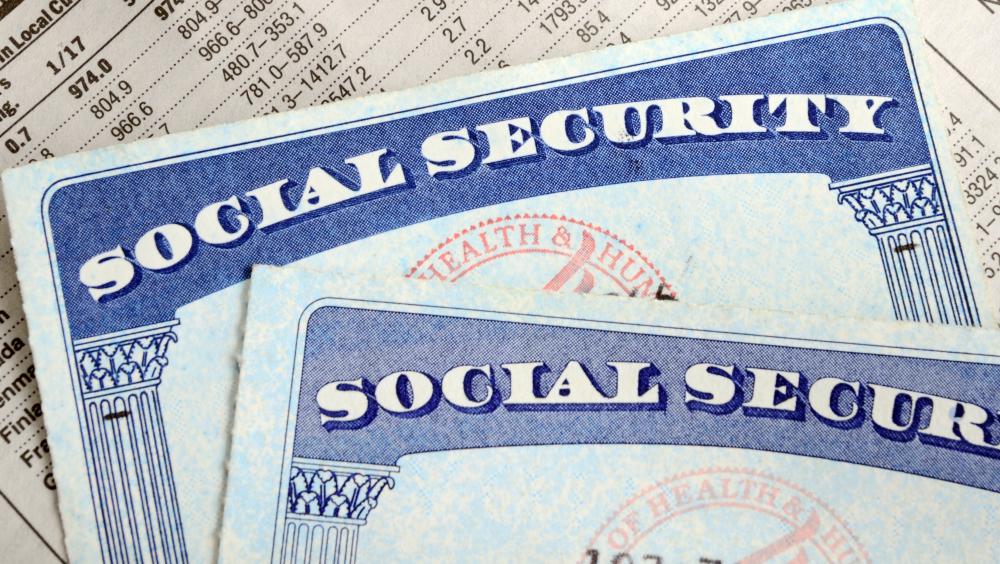
![Credit bureaus use an individual's Social Security number to track information.]() By: JohnKwanCredit bureaus use an individual's Social Security number to track information.
By: JohnKwanCredit bureaus use an individual's Social Security number to track information. -
![A credit bureau tracks credit histories and reports information to authorized users of their data services.]() By: neirfyA credit bureau tracks credit histories and reports information to authorized users of their data services.
By: neirfyA credit bureau tracks credit histories and reports information to authorized users of their data services.




Discussion Comments
Bhutan-The national credit bureaus consist of Equifax credit bureau, Trans Union credit bureau, and Experian credit bureau.
The banks actually take a look at the lowest of the three scores when they offer you a credit card or a loan.
Usually these three score should be within twenty points. The number of credit bureau checks also appears.
Also, if you see a lot of solicitations for credit card offers in the mail, this could be an indication that companies are checking your credit without you knowing.
It is really best to obtain an annual credit bureau report so that you can check this information.
Sunny27- I agree with you.A free credit bureau report is offered to all Americans at least once a year. This allows you the opportunity to view information that is incorrect and consider disputing credit bureau information listed.
Sometimes this incorrect information could be a result of credit card fraud in which someone fraudulently used your credit card to make purchases which is why the charges appear foreign to you.
It is best to get your free credit bureau report and place a fraud alert if you think someone has stolen your identity.
Great article- I just want to add that it is important to perform a yearly check of one’s credit from one of the listed agencies.
This offers you an opportunity to make sure the information that is reported on the report is correct as well as determining if signs of potential identity theft exist.
Post your comments