
At TheHealthBoard, we're committed to delivering accurate, trustworthy information. Our expert-authored content is rigorously fact-checked and sourced from credible authorities. Discover how we uphold the highest standards in providing you with reliable knowledge.
What is a Communicable Disease?
A communicable disease is an illness transmitted through contact with microorganisms. People, animals, food, surfaces, and air can all be carriers of the microorganisms that pass infectious illnesses from one host to the next. The exchange of fluids or contact with a contaminated substance or individual may be enough to allow a communicable disease to spread.
Types of Illnesses

There are many different types of communicable illnesses, including mild, acute infections and more complex chronic diseases. Colds and influenza are two very common viral infections that pass from person-to-person through fluids, infected surfaces, and close contact with sick people. Luckily, these common illnesses are often quite mild and clear up without drugs or medication.

Moderately serious communicable diseases include chicken pox and measles. These typically pass from host-to-host through the same methods as colds and the flu, such as through contact with infected fluids such as saliva or phlegm. Since these diseases can cause complications and more serious symptoms, they often require the use of antibiotics.
Staph and strep infections, which are caused by Staphylococcus and Streptococcus bacteria, can pass through many different forms of contact, and can develop into life threatening illnesses. Symptoms of staph infections include skin rashes and high fevers, while strep infections often attack the throat, causing extreme pain and swelling. While a bacterial communicable disease is usually treated with antibiotics, certain strains of both strep and staph infections have evolved to be partially immune to many medications. It may take months of antibiotic therapy and other treatments to fully cure a drug-resistant strain of staph or strep.

A communicable disease that passes through sexual contact is called a sexually transmitted disease (STD) or infection (STI). Some STDs, such as chlamydia, are treatable with medication, while others, such as herpes and HIV, cause chronic infection. While there are other ways to contract these infections, they are most commonly passed from one sexual partner to another through sexual fluids or by genital skin contact.

In addition to bacterial and viral infections, a communicable disease can also be caused by tiny bugs known as parasites. Lice is a common type of parasite that nests in body hair, and can easily be transmitted from person-to-person or from animals to people through contact. Since the parasites or their eggs can be transferred to surfaces, such as hairbrushes, pillows, or clothing, they can easily latch on to the next host that uses the same objects.
Methods of Transmission

There are many different ways that communicable infections get around. Saliva and phlegm are common culprits for the transmission of bacterial and viral infections. If a sick person coughs or sneezes, tiny droplets of infected saliva start spreading through the air, sometimes infecting those nearby. Sick people may also accidentally get traces of infected saliva or phlegm on their hands, leaving traces of the bacteria or virus on any object they touch.

Diseases carried in the blood can be passed in several different ways. Blood transmissions are usually carefully screened for diseases, since they can easily pass infections along. Passing blood infections can also occur when people share unsterilized needles. Mosquitoes and other biting bugs can also pass blood-related illnesses from host-to-host; West Nile virus and malaria are two illnesses commonly passed through mosquito bites.
Milk is another vehicle for some communicable diseases. When dairy cows or goats are infected with microorganisms, the disease may spread this way. Human breast milk can also transmit certain illnesses from mother to child, notably HIV.

Diseases can also be transmitted through food, especially if it is prepared incorrectly or in an unsanitary area. Eating vegetables that aren't carefully washed or meat that isn't properly cooked can lead to stomach illnesses and food poisoning. If people are not careful about washing their hands or sterilizing kitchen equipment, many different types of bacteria and viruses may contaminate their food.
Prevention

People can help prevent the spread of communicable diseases with good hygiene and sanitary habits. If a person gets sick, he or she should avoid close contact with other people, sneeze or cough into tissues or a handkerchief, and regularly wash his or her hands to reduce the changes of spreading the disease. Healthy people may be able to avoid many illnesses by washing their hands regularly and staying out of crowded public locations when an illness is going around.

Getting vaccinated is another good method of stopping disease transmission. Vaccinations use dead bacteria or virus strains to help the body create antibodies, which help stop the live form of the disease from causing an infection. Getting regular vaccinations can go a long way toward preventing many serious illnesses.
Proper precautions can greatly lower the risk of getting sexually transmitted diseases. Barrier method contraception, such as condoms, help reduce bodily fluid contact, which in turn reduces the chance of infection passing from one partner to another. People can also significantly lower their risk by insisting that partners get tested for STDs before engaging in sexual contact.

Prevention is also an important part of public health initiatives. For examples, some regions offer flu vaccines each year to help ward off epidemics caused by influenza. Some countries require all children be immunized before attending school to prevent outbreaks of illnesses such as measles. Governments aid prevention by providing upgraded water and sewer treatment programs and imposing sanitation requirements on restaurants, grocery stores, and farms. If an epidemic is underway, government health organizations may post travel warnings, test incoming travelers for illnesses, and provide free treatment to help reduce the rate of infection.
Treatments

Treating a communicable disease depends largely on the cause. Bacterial infections are usually treated with antibiotics, while viral infections may be treated with anti-viral drugs. Parasites can often be eliminated by killing off the parasite with specially formulated shampoos and medication.
Some chronic diseases cannot fully be eliminated, but can be managed. A person infected with herpes, for instance, will always have the disease, but outbreaks of sores may be prevented or reduced with certain drugs. HIV patients often use a multi-drug cocktail to slow the immune system damage caused by the virus. Since viruses and bacteria evolve constantly, medical research on cures for chronic diseases is an ongoing process, with new drugs and therapies created each year.
AS FEATURED ON:
AS FEATURED ON:


-
![Hands should be thoroughly washed before handling food.]() By: Lasse KristensenHands should be thoroughly washed before handling food.
By: Lasse KristensenHands should be thoroughly washed before handling food. -
![Vaccines can help prevent many communicable diseases.]() By: Jonathan VasataVaccines can help prevent many communicable diseases.
By: Jonathan VasataVaccines can help prevent many communicable diseases. -
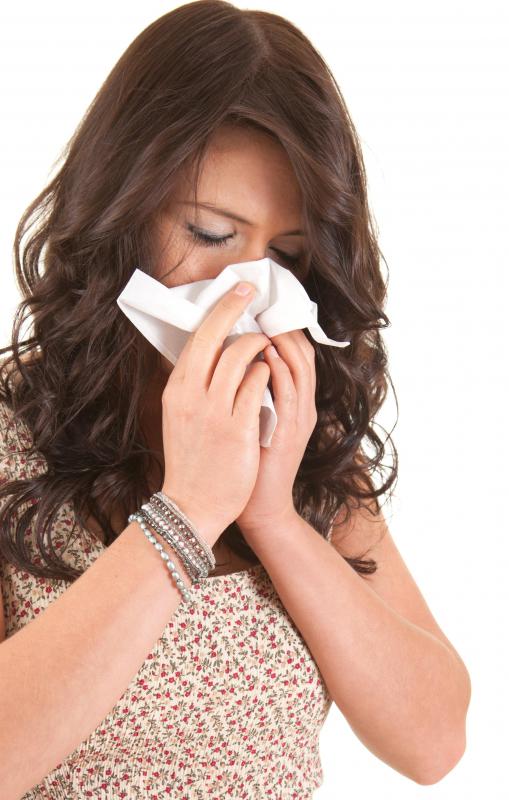
![A woman with a cold.]() By: Marcin SadlowskiA woman with a cold.
By: Marcin SadlowskiA woman with a cold. -
![Mosquitoes are known to spread a number of serious diseases.]() By: hjschneiderMosquitoes are known to spread a number of serious diseases.
By: hjschneiderMosquitoes are known to spread a number of serious diseases. -
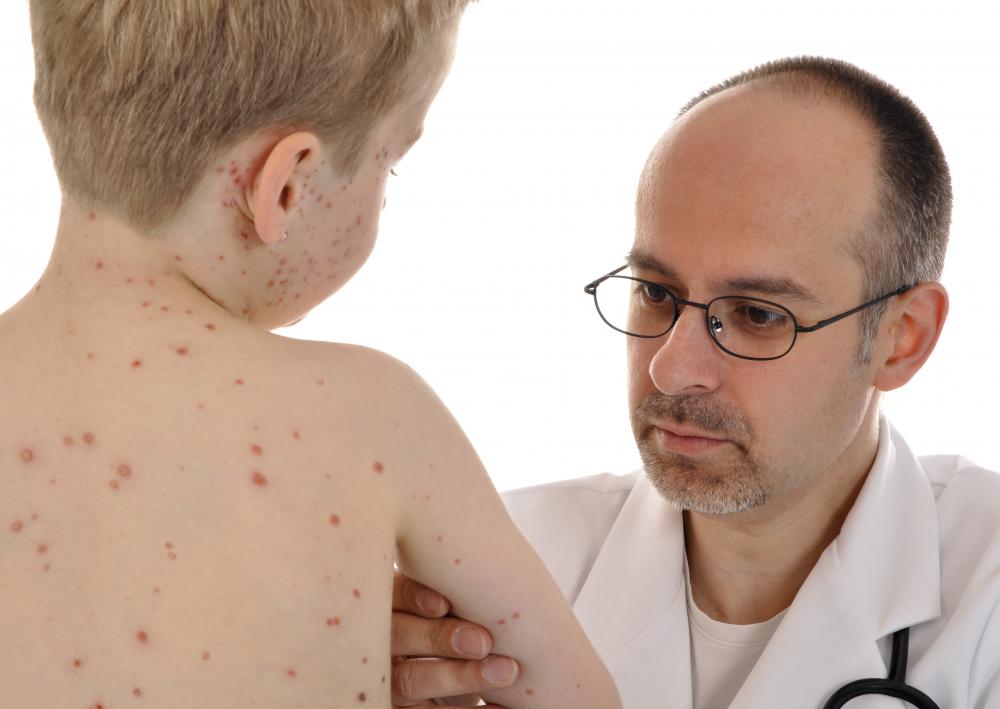
![Chicken pox is a moderately serious communicable disease.]() By: Dan RaceChicken pox is a moderately serious communicable disease.
By: Dan RaceChicken pox is a moderately serious communicable disease. -
![Diseases that are carried in the blood can be passed in many different ways.]() By: mizinaDiseases that are carried in the blood can be passed in many different ways.
By: mizinaDiseases that are carried in the blood can be passed in many different ways. -
![Precautions against easily transmitted flu viruses include vaccinations and staying home from work while sick.]() By: emde71Precautions against easily transmitted flu viruses include vaccinations and staying home from work while sick.
By: emde71Precautions against easily transmitted flu viruses include vaccinations and staying home from work while sick. -
![Syphilis is a sexually transmitted disease (STD) that can be transmitted through any type of sexual contact.]() By: Syda ProductionsSyphilis is a sexually transmitted disease (STD) that can be transmitted through any type of sexual contact.
By: Syda ProductionsSyphilis is a sexually transmitted disease (STD) that can be transmitted through any type of sexual contact. -
![Barrier contraception, like condoms, can reduce the transmission of STDs.]() By: Diana TaliunBarrier contraception, like condoms, can reduce the transmission of STDs.
By: Diana TaliunBarrier contraception, like condoms, can reduce the transmission of STDs. -
![Individuals over the age of 50 are advised to receive an influenza immunization.]() By: Ocskay BenceIndividuals over the age of 50 are advised to receive an influenza immunization.
By: Ocskay BenceIndividuals over the age of 50 are advised to receive an influenza immunization. -
![Washing hands is essential to preventing the spread of communicable diseases.]() By: byrdyakWashing hands is essential to preventing the spread of communicable diseases.
By: byrdyakWashing hands is essential to preventing the spread of communicable diseases.






Discussion Comments
A relatively new disease is Morgellons. The name was coined in 2002. It's easily transferred from person to person and the symptoms are extreme itching and biting sensations under the skin. There is no cure. Fortunately a diet -- the King Diet -- along with some basic agro enzymes and nutrients work to get one's life back to normal again. "How to Get Your Life Back From Morgellons and Other Skin Parasites" is a book that provides the basics in getting your life back.
I've now started taking a fundamentals of health course at the Red Cross and this was very useful information for my homework.
What communicable diseases would prevent me from working as a barber?
How exactly can a communicable disease be passed through breath?
what is the course of a communicable disease?
not every nursing mom can infect their babies. those who are infected with c.diseases are at risk infecting their babies. Consult your doc for advice or if i have any questions. joel, faculty of nursing kl, msia
yeah, breastfeeding can give your baby a communicable disease.
what is the nature of communicable diseases and non-communicable diseases?
what are the does and don'ts when i am having communicable disease?
so breastfeeding could give my baby a communicable disease?!
Post your comments