
At AllThingsNature, we're committed to delivering accurate, trustworthy information. Our expert-authored content is rigorously fact-checked and sourced from credible authorities. Discover how we uphold the highest standards in providing you with reliable knowledge.
What is a Chytrid Fungus?
A Chytrid fungus is a very primitive form of fungus that belongs to the Chytridiomycota fungal family. There are over 1000 known Chytrid fungal species that are subdivided into 127 genera and classified into five orders. Most of these Chytridiales are generally found in aquatic or moist environments, since, being of the zoosporic fungi type, it is necessary for these fungi to have a watery medium in which to transmit their spores. The fungi may be free-living saprobes, that is, fungi that subside on dead and decaying organic waste, or they may be parasites dependent on live plants and live invertebrates.
The cell wall of the chytrid fungus is made of chitin, and some species maybe multicellular or unicellular. As mentioned, the chytrid fungus propagates by means of zoospores. Each spore is mobile and has a single flagellum that helps it to navigate its way through water. These zoospores are only capable of existing and thriving in a cool, watery environment; they cannot survive for very long in dry, warm conditions.

One of the most well-known of the Chytrid fungus is the species called Batrachochytrium dendrobatidis. This fungus causes chytridiomycosisis, a deadly fungal disease that has been responsible for wiping out entire populations of frogs and other amphibians in many parts of the world. According to researchers, the fungus consumes the keratin in the skin of the infected animal and causes the amphibian skin to thicken. This skin thickening prevents normal respiration through the skin, and leads to a build up of potassium and sodium electrolyte salts. An overabundance of these electrolyte salts leads to heart failure.
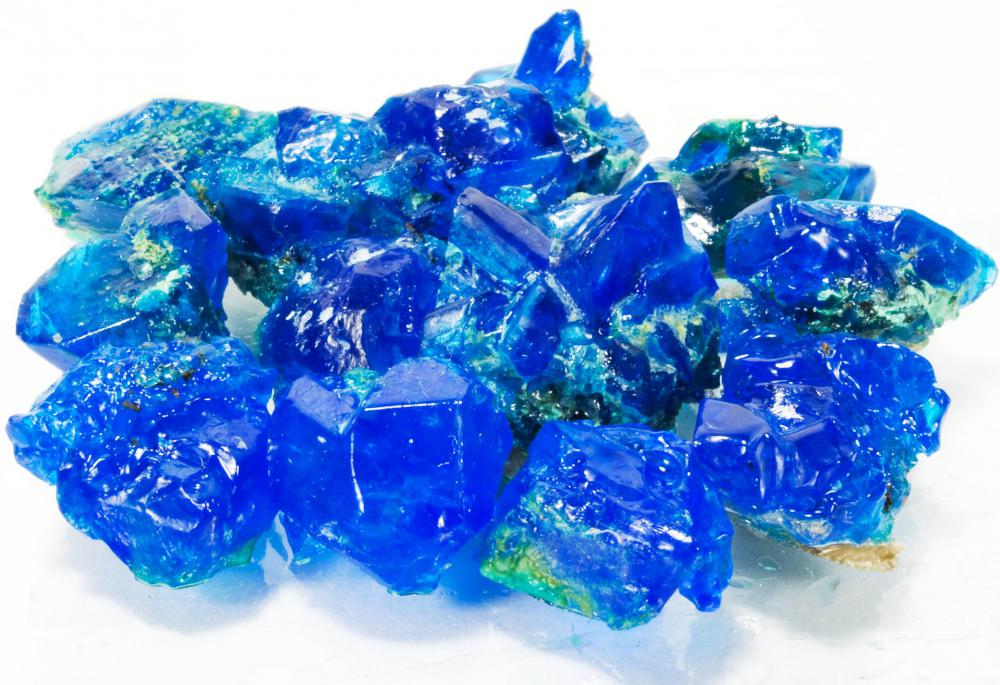
Some infected amphibians die at once, while others may be ill for a while before succumbing. Death is certain if the disease is not treated, and treatments may not always work. There have been some successes using benzalkonium chloride, copper sulfate, formalin, malachite green and terbinafine hydrochloride.
While it is possible for pet owners to treat their infected amphibians, treating, eradicating or preventing the chytridiomycosisis fungal disease in the wild amphibian populations is practically impossible. Since this is a highly transmittable disease, it is essential to restrict and regulate the transportation of amphibians from one country to another. All transported amphibians need to be tested prior to transport for the chytrid fungus, and it is equally necessary to observe strict quarantine rules in the new location. Frogs and amphibians used in laboratories should not be released into the wild, and if there are any infected creatures, they need to be isolated immediately.
Frequently Asked Questions
What is a chytrid fungus and why is it significant?
Chytrid fungus refers to a group of fungi within the phylum Chytridiomycota, which are microscopic and can live in water or soil. The significance lies in one particular species, Batrachochytrium dendrobatidis (Bd), which causes chytridiomycosis, a disease devastating amphibian populations worldwide. According to the IUCN, chytridiomycosis has contributed to the decline of at least 501 amphibian species.
How does chytrid fungus affect amphibians?
Chytrid fungus affects amphibians by infecting their skin, which is crucial for respiration and water regulation. The infection disrupts these functions, leading to lethargy, loss of appetite, and eventually heart failure. The disease has a high mortality rate, and in susceptible species, it can lead to rapid population declines and even extinctions.
Can chytrid fungus affect humans or other animals?
Chytrid fungus primarily affects amphibians and is not known to pose a direct threat to humans. However, other animals are not entirely immune. Research has shown that crayfish can harbor the fungus and potentially spread it, but they do not suffer from the disease. The focus remains on amphibians due to their particular vulnerability to this pathogen.
Where is chytrid fungus found?
Chytrid fungus has a global distribution and has been found on every continent where amphibians live. It thrives in cool, moist environments, which are typical habitats for many amphibians. The spread of the fungus is often facilitated by human activities, such as the global trade in amphibians for pets, food, and laboratory use.
Is there a cure or treatment for chytrid fungus?
While there is no widespread cure for chytrid fungus in wild populations, treatments have been developed for captive individuals. Antifungal medications, such as itraconazole, can be effective, and some conservation programs have successfully treated and reintroduced amphibians into the wild. However, preventing the spread of the disease remains a significant challenge.
What can be done to prevent the spread of chytrid fungus?
To prevent the spread of chytrid fungus, biosecurity measures are crucial. This includes disinfecting equipment used in amphibian habitats, controlling the trade of amphibians, and establishing quarantine protocols for imported species. Conservationists also advocate for habitat protection, captive breeding programs, and environmental monitoring to detect and respond to outbreaks promptly.
AS FEATURED ON:
AS FEATURED ON:









-
![Copper sulfate, which can help with chytrid fungus.]() By: Vasiliy TimofeevCopper sulfate, which can help with chytrid fungus.
By: Vasiliy TimofeevCopper sulfate, which can help with chytrid fungus.
Discuss this Article
Post your comments