
At WiseGEEK, we're committed to delivering accurate, trustworthy information. Our expert-authored content is rigorously fact-checked and sourced from credible authorities. Discover how we uphold the highest standards in providing you with reliable knowledge.
What is a Cassia Seed?
 Dee Saale
Dee Saale
Dee Saale
Cassia seed comes from cassia or jue ming zi, a plant that is native to tropical regions. The plant can grow as high as four feet (1.2 m), has yellow flowers and large leaves that group together with six leaves per group. It has pods that are about 20 centimeters (7.9 in) in length and contain the seeds, which are smooth to the touch and range from green to deep brown, sometimes with a yellow stripe.
The importance of the cassia seed is far-reaching, especially for those interested in Chinese medicine. It can be used for medicinal purposes, for dyeing, and even as an alternative to coffee. It can be found in many forms ranging from a whole seed to ground powders, tea packets, pastes, and herbal pillows.

The most popular use of cassia seed is for medicine. It's most commonly used to treat problems with the liver, kidney, intestinal, and vision. For example, it can be used to treat constipation and remove heat from the liver. Both cassia root and seed can be made into a paste to treat ringworm and venomous snake bites. The seed can be used to treat blurry vision and irritated eyes too, and some people use it to lower blood pressure; however, people who are already taking medicine to control high blood pressure should not take cassia seed.

The dosage of cassia seed varies from six (0.21 oz) to 12 grams (0.42 oz), depending on the size of the person, the ailment that is being treated, and whether the seed is combined with other herbs, seeds, or roots. Higher concentrations can be used if the cassia seed is used without other medicines. These larger doses can reach up to 30 grams (1.05 oz). It is important to discuss any herbal medications with a licensed doctor before consuming them.

Cassia plants are easy to grow. In a greenhouse, sow the seeds during the early spring months. Then, move the seedlings to the outdoor gardens when the soil thaws and the temperatures become warmer. It is best to plant the seedlings 60 centimeters (23.6 in) apart. Once a pod forms, the seeds can be harvested — usually during the fall months. They are typically sun-dried before they are used.
Dee Saale
Dee is a freelance writer based in Colorado. She has a B.A. in English Literature, as well as a law degree. Dee is especially interested in topics relating to medicine, legal issues, and home improvement, which are her specialty when contributing to WiseGEEK.
Learn more...
Dee Saale
Dee is a freelance writer based in Colorado. She has a B.A. in English Literature, as well as a law degree. Dee is especially interested in topics relating to medicine, legal issues, and home improvement, which are her specialty when contributing to WiseGEEK.
Learn more...AS FEATURED ON:
AS FEATURED ON:









-
![Cassia seed can be made into a paste to treat ringworm.]() By: schankzCassia seed can be made into a paste to treat ringworm.
By: schankzCassia seed can be made into a paste to treat ringworm. -
![Some natural healers advocate the use of cassia seed to treat blurred vision.]() By: bellemediaSome natural healers advocate the use of cassia seed to treat blurred vision.
By: bellemediaSome natural healers advocate the use of cassia seed to treat blurred vision. -
![Both cassia root and seed can be made into a paste that's used to treat snake bites.]() By: Wild GeeseBoth cassia root and seed can be made into a paste that's used to treat snake bites.
By: Wild GeeseBoth cassia root and seed can be made into a paste that's used to treat snake bites. -
![Cassia seed may be used to lower blood pressure.]() By: RidoCassia seed may be used to lower blood pressure.
By: RidoCassia seed may be used to lower blood pressure. -
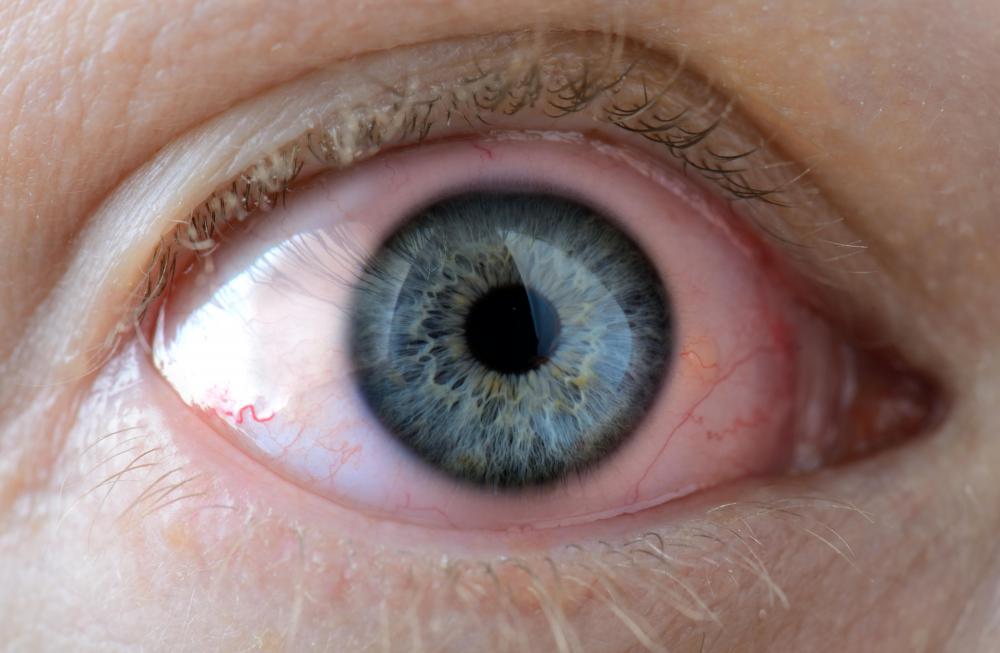
![Cassia seed may help to treat irritated eyes.]() By: Rob hyronsCassia seed may help to treat irritated eyes.
By: Rob hyronsCassia seed may help to treat irritated eyes.



Discussion Comments
Where do you buy it? Does anyone have an organic source?
I have what is probably a dumb question. I want to have more cassia plants. I pulled the first seed pod and tried to open it and ended up with a mess. Should I let the pod dry out first before trying to get the seeds within the pod? Thanks for your help! Jan
It's a good replacement for coffee and I've been drinking it for more than one year now. It seems to help my BP since I don't have to take my meds as often as before, and it seems to slim me a bit.
At first, you'll feel a little dizzy and flushed and also going to the toilet a bit, but after that it's just like drinking coffee. I love it.
Has anyone ever tried using cassia seeds to combat high blood pressure? During my last doctor's visit, she suggested I start taking medication to help me control my blood pressure. I am generally against taking prescription medicines, and would like to find a natural alternative.
Do the seeds actually work, and how effective are they compared to prescriptions or other herbal treatments? Also, how expensive is cassia seed, and where do you even find it? I assume I could buy it online if necessary.
What exactly happens within the body that makes cassia seeds so effective at treating so many conditions? One of my biggest questions is whether the seeds could be given to animals to treat ringworms, since this can be a major problem in some places.
I know people whose dogs have gotten ringworms from being outside and eating things they shouldn't have eaten. I'm sure they would be interested to know about a more natural treatment that would probably be cheaper than prescription medications.
Just like a human, though, it would be important to talk to the vet about using the seeds so that you would know the proper dosage and whether they would even help.
@cardsfan27 - I am glad to see this article, since my neighbor has a cassia plant. I definitely never knew there were so many uses for it. I doubt she knows either!
I couldn't tell you anything about eating the seeds, but I can tell you that it is definitely a legume. I assume her plant has been bred to produce a lot of flowers, but they are very pretty. The leaves are also neat to look at.
I always like to find new and interesting plants that I can grow around my house. I especially like ones that can be used for medicinal purposes.
I have never heard of cassia before. The article talks about the seeds coming in pods. Does this mean it is a legume like peas and peanuts? Also, are the yellow flowers showy at all? I'm curious whether it is something that would look good around a house.
For anyone who has tried cassia seeds, what do they taste like, and are they something that you could use to replace other ingredients in certain dishes? Since they have medicinal uses, are there any side effects to eating too many cassia seeds?
Post your comments