
At TheHealthBoard, we're committed to delivering accurate, trustworthy information. Our expert-authored content is rigorously fact-checked and sourced from credible authorities. Discover how we uphold the highest standards in providing you with reliable knowledge.
What is a Carcinogen?
 Nicole Madison
Nicole Madison
Nicole Madison
A carcinogen is a substance that is capable of causing cancer in humans or animals. If a substance is known to promote or aggravate cancer, but not necessarily cause cancer, it may also be called a carcinogen. Though there are many things that are believed to cause cancer, a substance is only considered carcinogenic if there is significant evidence of its carcinogenicity.
A carcinogen may act on deoxyribonucleic acid (DNA), causing dangerous changes, or it may work to increase the rate of cell division. This change in cell division may work to increase the probability of DNA changes. Some carcinogens promote the development of cancer in other ways as well.

It is important to note that carcinogens don’t lead to cancer after every exposure. Some cause cancerous changes following high-level, prolonged exposure, while others may cause damage at lower levels and shorter exposure periods. Furthermore, an individual’s unique genetic makeup may influence the body’s response to a carcinogen.
Testing human subjects for carcinogenic behavior and properties is considered unethical, not to mention hazardous to the health of the test subjects. As such, animals are often used for carcinogen testing. Additionally, cell cultures from both humans and animals are used in testing. Scientists also consider the effects of substances at the molecular level in determining whether or not they are carcinogenic. Evidence of links between exposure to substances and the development of cancer is also considered.
Many substances have been identified as carcinogenic. Some commonly known carcinogens include asbestos, radon, certain pesticides, arsenic, and tobacco smoke. Smokeless tobacco is a known carcinogen as well.
One major carcinogen originates from something vital to life. The sun emits ultraviolet rays that are carcinogenic. Ultraviolet radiation is known to lead to a variety of cancers affecting the skin.

Sadly, carcinogens can be found in everything from snack foods and drinks to certain types of plastic and everyday objects. All too often, a substance isn’t identified as carcinogenic until it has been used or consumed by humans for many years. Furthermore, so many substances are rumored to be possible carcinogens that it can be hard to figure out just what is safe to consume, breathe, or use, and what is not.

In some cases, substances that are helpful to man are also carcinogenic. Chlorine is one such carcinogen. Chlorine is helpful for disinfecting water for bathing, drinking, and swimming. At the same time, its byproducts are capable of causing a range of illnesses, including lung cancer.
Nicole Madison
Nicole’s thirst for knowledge inspired her to become a TheHealthBoard writer, and she focuses primarily on topics such as homeschooling, parenting, health, science, and business. When not writing or spending time with her four children, Nicole enjoys reading, camping, and going to the beach.
Learn more...
Nicole Madison
Nicole’s thirst for knowledge inspired her to become a TheHealthBoard writer, and she focuses primarily on topics such as homeschooling, parenting, health, science, and business. When not writing or spending time with her four children, Nicole enjoys reading, camping, and going to the beach.
Learn more...AS FEATURED ON:
AS FEATURED ON:


-
![Cigarettes contain tobacco, a known carcinogen.]() By: Denys RudyiCigarettes contain tobacco, a known carcinogen.
By: Denys RudyiCigarettes contain tobacco, a known carcinogen. -
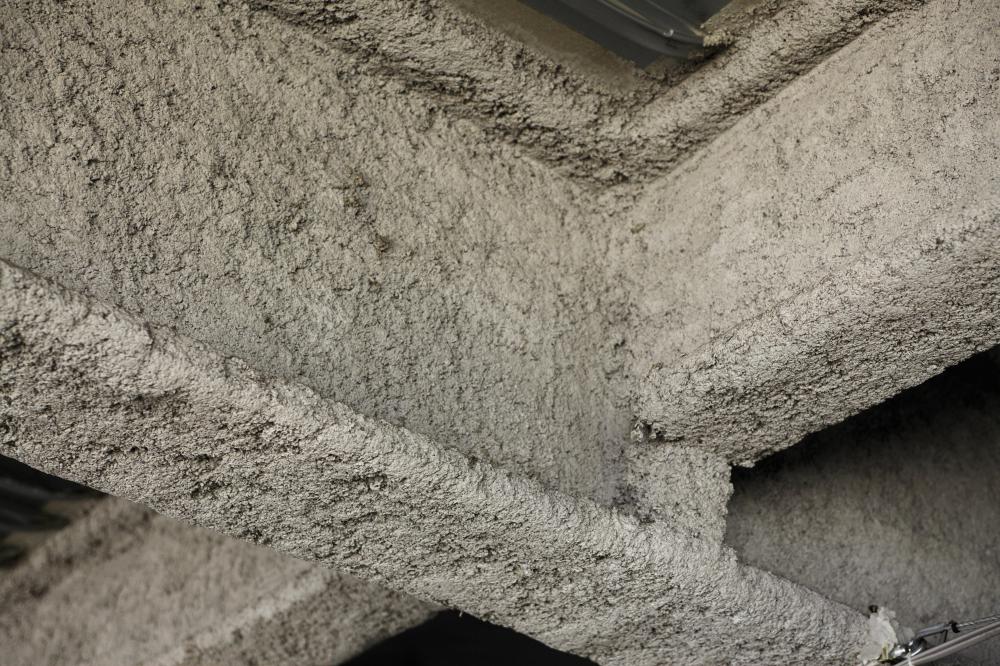
![Asbestos is a carcinogen.]() By: PaylessimagesAsbestos is a carcinogen.
By: PaylessimagesAsbestos is a carcinogen. -
![Respirator masks can help against inhaling carcinogens at work sites.]() By: kostrezRespirator masks can help against inhaling carcinogens at work sites.
By: kostrezRespirator masks can help against inhaling carcinogens at work sites. -
![The byproducts of chlorine are carcinogenic.]() By: Cheryl CaseyThe byproducts of chlorine are carcinogenic.
By: Cheryl CaseyThe byproducts of chlorine are carcinogenic. -
![Tobacco smoke is a common carcinogen.]() By: Artem FurmanTobacco smoke is a common carcinogen.
By: Artem FurmanTobacco smoke is a common carcinogen.




Discussion Comments
I am going to hope that most of the questions in these comments were to point out flaws and omissions in the original article.
Carcinogen is a broad term, comprised of a growing number of substances/chemicals that react in your body and with your cells to cause "free radicals" or cells with a damaged dna/rna component causing it to replicate beyond its normal design, possibly creating mutated cells without any purpose other than to absorb body resources and continue replicating.
I believe the by-product comment about chlorine has to do with the body's natural processes when encountering chlorine, causing the body to create a carcinogen in response. This also occurs within the lungs with tobacco, according to a relatively recent study. The evidence suggesting this occurs with chlorine is still unproven, but considering it is added to drinking water along with fluoride, as well as in pools and certain disinfectants, it definitely comes into contact with human beings on a pretty regular basis.
UV rays are not inherently carcinogenic, but the direct sunlight, when over-exposure occurs (tanning/burning), can damage skin cells, causing them to also become free radicals. Considering UV rays aren't a substance/chemical, I don't know if they are classified as carcinogens or not. You will notice warnings at any tanning bed you frequent, and will soon notice an increase in things like health insurance premiums if tanning is a common hobby. I suspect it's only a matter of time before this becomes a screening question, as its link to melanoma is concrete and well founded.
Cancer being biased towards poor people is a ridiculous statement, as there are so many common carcinogens in both the poor and wealthy worlds that I suspect the rates are somewhat similar. I assume survival rates are a different story. Now that's a really sad thought.
The answer above referring to the time frames of tobacco/cannabis/alcohol were introduced being linked to their legality is spot on. It's also worth mentioning that there are a ridiculous number of studies on the topic of cannabis and cancer risk, with the majority citing no/minimal risk, especially in comparison. Burning anything results in dangerous byproducts, but it would seem that marijuana has essentially no cancer risk when ingested by other means. (Unlike tobacco, where chewing tobacco and smokeless vapors are still cancerous, if somewhat less so).
I will add, that expensive and club based drugs, often linked to a higher status in life, like cocaine, have a much more clearly documented link to diseases and deaths. Drinking alcohol with cocaine use creates a dangerous poison within the body. Cocaine and other stimulants can be directly linked to heart disease, stroke, seizures and death.
That last part was relatively irrelevant given the microcosm of people, wealthy or otherwise, who I suspect imbibe cocaine on a regular basis -- or otherwise. But it was to reinforce the point that cancerous diseases don't discriminate based on age/race/class like people do -- only on biological factors which may or may not be causally linked to income, but certainly do not correlate to the person's status in life. That applies to smoking and the addiction associated with it as well.
It is not known how much of many of these substances will cause cancer; that is why they are still being used. It is difficult to understand why one person who smokes gets lung cancer and another person who smokes doesn't get lung cancer.
Certain carcinogens have been removed from use in products because they have been found to cause cancer in much smaller amounts than previously thought. We don't have all the answers to these questions.
You can quit smoking; you just have to be stronger than the temptation. I found out the first time quitting is the hardest, so just do it cold turkey. The night before going to bed, throw out your cigarettes, lighter and ash trays. When you wake up in the morning you will already have gone eight hours with out a smoke. From that point, just take it slow, eat and sleep and resist temptation. Soon, you will have 16 hours.
Try to stay away from people who smoke. Remind yourself that you are quitting for your health. Hours will turn into days and days to weeks. You can do it!
I smoke and I can't stop. I'm 15. How can I quit?
My neighbor bar-b-ques late at night and uses lighter fluid to ignite his charcoal. I have been awakened choking as the fumes enter my open windows. Is there a problem with this for me as my home is filled with his deplorable smoke?
Does glue contain carcinogenic? Because I just got into trouble for having heaps on my hand and had to do a 300 word essay on carcinogens.
seems scary.
The legality of cigarettes and for argument's sake, alcohol, is not a case of what they are, but of the timing in which they were introduced into the society and made legal.
If cannabis had been brought forward around the time that tobacco was made legal there could be a whole different outcome.
Conversely, if tobacco were to be introduced today, it probably wouldn't pass and would be illegal.
if uv rays contain carcinogens, then the whole world should suffer from cancer, especially sports men and women, building workers etc.
It's really sad that mostly poor people are the sufferers. While people trey to maintain the environment clean, it's difficult for them to stop smoking. So the world is helpless.
i really want to stop smoking so i am going to do it cold turkey because i heard it works best.
Is the drug Klion a carcinogen?
i smoke i really want to stop but it is really hard. if i was you, trust me -- don't ever smoke.
I am an ovarian cancer patient and I take a juice 30 milliters twice a day which has Sodium Benzoate q.s. Is it harmful for me? Does it have any carcinogens?
how are you able to get cancer if you can't get a hold of a carcinogen?
Carciogonic is in room spray also. It is dangerous to our health. So use it carefully. Don't spray heavily. Spray one or two times slightly.
Most of the mineral water contained in plastic bottle is carcinogenic and very "dangerous" for human health.I raised this matter some 12-15 years back and all these disposable plastic plates,glass and containers are having a layer of Monomers and Plasticizers,which usually takes strong rinsing and washing for removal.
As per knowledge no one is doing that properly. Even the big and established brands are avoiding such measures for removal.
Some countries like Bangkok and Philippines already started using glass bottles instead of plastic bottles for mineral water.
I personally suggest please take drinking water from your home in a well used and thoroughly rinsed plastic bottle. That would be better for your health and also avoid eating in disposable plates if possible. --Vijay Singh Paliwal, Kota,India
You say byproducts of chlorine are capable of causing a range of illnesses including lung cancer. First, a byproduct by definition is something made in the production of something else. So, unless I use the other products made in the process of producing chlorine along with it, it will not cause cancer right? Second, making broad brush statements such as this does compromises the integrity of this web site!
Cigarettes contain more carcinogens than cannabis so why are they legal?
Please write back, this is for my biology homework. Parents evening is coming up and this is *the* piece of work that we are being judged on.
xxx
if carcinogen can cause cancer why it was used as a chemical ingredient?
what is the difference between a carcinogen and a cocarcinogene? give examples
it seems like everything these days are carcinogenic!! you also hear a lot about free radicals...are they related to carcinogens, or do carcinogens create free radicals in our bodies?
Post your comments