
At AllThingsNature, we're committed to delivering accurate, trustworthy information. Our expert-authored content is rigorously fact-checked and sourced from credible authorities. Discover how we uphold the highest standards in providing you with reliable knowledge.
What is a Biodiversity Hotspot?
 Mary McMahon
Mary McMahon
Mary McMahon
A biodiversity hotspot is a region of the Earth that is extremely biologically diverse and also under severe threat due to habitat loss, climate change, or extensive species loss. Around 25 sites worldwide are recognized as such hotspots, and several organizations have made efforts to protect these sites. Guarding these regions from further damage is considered environmentally and culturally important, as they host organisms that are not found anywhere else on Earth.
There is some argument about how to define a biodiversity hotspot, with many definitions focusing heavily on vascular plants, sometimes at the expense of other living organisms. As a general rule, in order for a region to be included in this category, it must be biologically diverse, with a high proportion of species that are not found anywhere else on Earth, and the security of the region must be threatened. Losing more than 70% of native vegetation, for example, is a clear example of a threat.

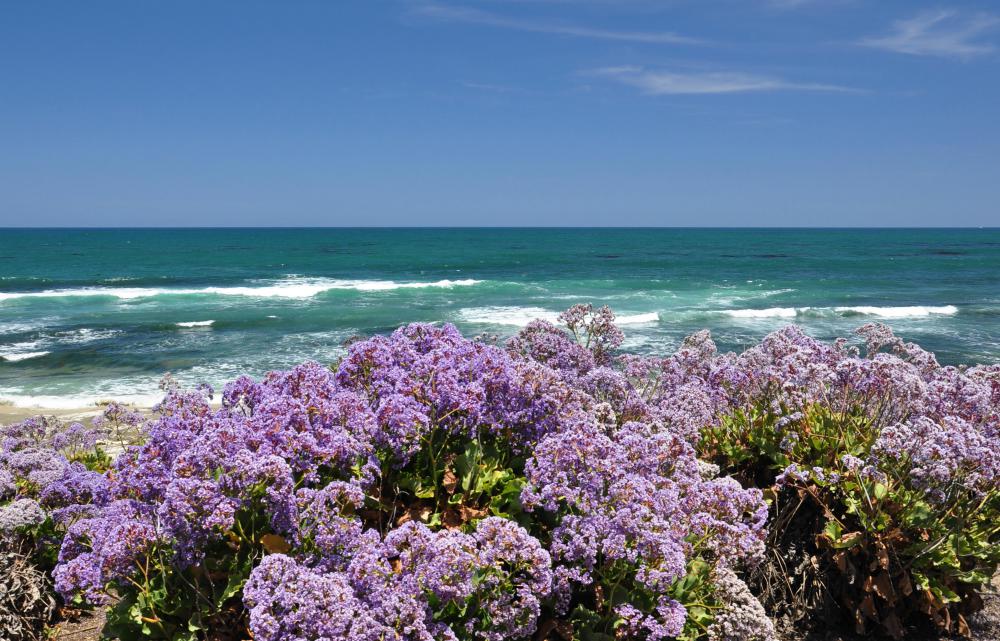
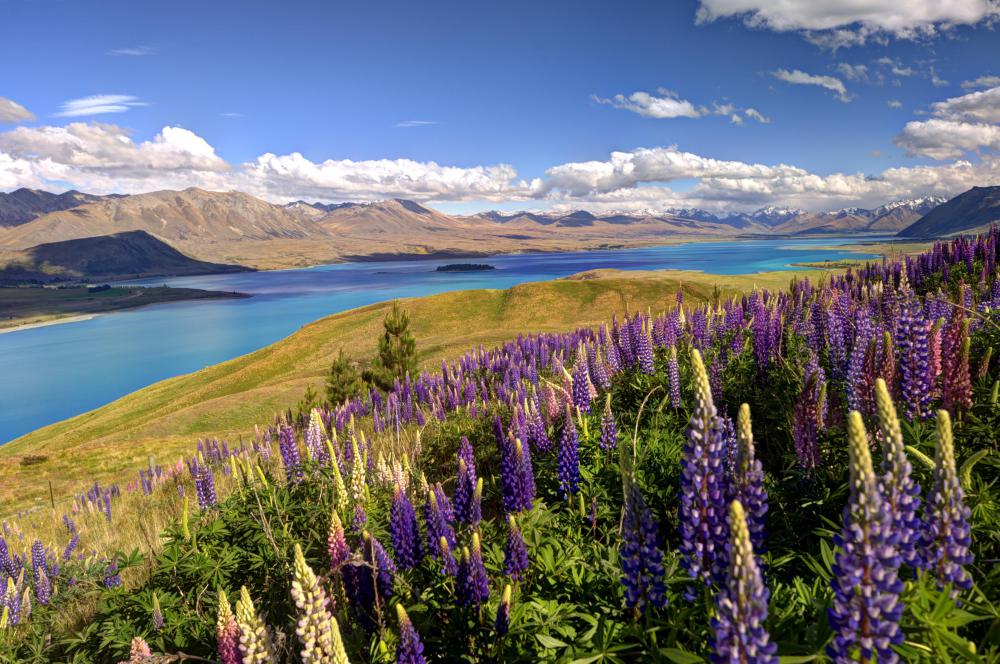
These regions can be found all over the world, and they vary considerably in size and composition. The California Floristic Province, for example, extends along the West Coast of North America, and covers both land and water, encompassing the rich ocean life off the coast along with the diverse plant and animal species found in California, Oregon, and Northern Mexico. The Succulent Karoo in Africa, on the other hand, covers a relatively small and extremely arid region, in marked contrast to the lush environments of sites like the Atlantic Forest in South America and the countries of New Zealand and Japan, both of which are considered biodiversity hotspots.

These regions contain around 60% of all of the species found on Earth, and because these species are endemic, damage to the regions could cause significant problems. Biodiversity as a whole on the Earth would decline, because many animals would vanish forever if their native habitats were severely compromised. In addition to being simply unfortunate, a decline in biodiversity could mean that humans might lose access to medically important plant species, among many other things.

Some hotspots have been protected through legislation or the acquisition of threatened regions by conservation organizations. Greater protection is needed for most of these regions, however, and some researchers would like to see the definition expanded to cover more areas in danger. The human populations that live near biodiversity hotspots also have a vested interest in the survival of these unique regions of the Earth, since many communities make their living from the diverse plant and animal life in such areas.
Frequently Asked Questions
What defines a biodiversity hotspot?
A biodiversity hotspot is a biogeographic region with a significant reservoir of biodiversity that is under threat from humans. To qualify as a hotspot, the area must contain at least 1,500 species of vascular plants as endemics and it has to have lost at least 70% of its original habitat. These criteria highlight both the richness and the vulnerability of these areas.
Why are biodiversity hotspots important?
Biodiversity hotspots are crucial because they support high levels of endemism while facing severe threats, which means they are home to species found nowhere else on Earth and are at high risk of extinction. Conservation International notes that while hotspots cover just 2.3% of Earth's land surface, they hold over half of the world's plant species and nearly 43% of bird, mammal, reptile, and amphibian species as endemics.
How many biodiversity hotspots are there in the world?
As of my knowledge cutoff in 2023, there are 36 recognized biodiversity hotspots around the world. These regions are identified by Conservation International and other organizations based on their richness in unique species and the significant threats they face from human activities, such as habitat loss, pollution, and climate change.
What are some examples of biodiversity hotspots?
Examples of biodiversity hotspots include the Madagascar and the Indian Ocean Islands, the Tropical Andes, and the Mediterranean Basin. Each of these hotspots is renowned for their exceptional levels of species endemism. For instance, Madagascar is home to thousands of species found nowhere else, including the majority of the world's lemur species.
How are biodiversity hotspots identified?
Biodiversity hotspots are identified through a scientific process that assesses both species richness and threat level. The two main criteria are the presence of at least 1,500 endemic plant species and having lost at least 70% of its original natural vegetation. Additional factors like species diversity, endemism of other taxa, and the intensity of threats may also be considered.
What can be done to protect biodiversity hotspots?
Protecting biodiversity hotspots involves a combination of strategies including establishing protected areas, promoting sustainable land-use practices, and engaging local communities in conservation efforts. International and local conservation organizations often work together to secure funding, implement conservation projects, and raise awareness about the importance of these critical regions for global biodiversity.
Mary McMahon
Ever since she began contributing to the site several years ago, Mary has embraced the exciting challenge of being a AllThingsNature researcher and writer. Mary has a liberal arts degree from Goddard College and spends her free time reading, cooking, and exploring the great outdoors.
Learn more...
Mary McMahon
Ever since she began contributing to the site several years ago, Mary has embraced the exciting challenge of being a AllThingsNature researcher and writer. Mary has a liberal arts degree from Goddard College and spends her free time reading, cooking, and exploring the great outdoors.
Learn more...AS FEATURED ON:
AS FEATURED ON:









-
![California's coastal Floristic Province is threatened by future development.]() By: Steve MinklerCalifornia's coastal Floristic Province is threatened by future development.
By: Steve MinklerCalifornia's coastal Floristic Province is threatened by future development. -
![New Zealand's varied and rich terrain make it a natural home for diverse species.]() By: mohdnadlyaizatNew Zealand's varied and rich terrain make it a natural home for diverse species.
By: mohdnadlyaizatNew Zealand's varied and rich terrain make it a natural home for diverse species. -
![As a general rule, biodiversity is greater around the equator and less marked at the poles.]() By: JohanSwanepoelAs a general rule, biodiversity is greater around the equator and less marked at the poles.
By: JohanSwanepoelAs a general rule, biodiversity is greater around the equator and less marked at the poles.

Discussion Comments
one question: do we have any hotspots in the sea or rivers?
Unfortunately, in a lot of the places that have biodiversity hotspots, people do not quite understand the importance of biodiversity. One example that comes to mind is the Amazon rain forest region, which has several; people have been overusing the lumber here for many years without realizing that there were long term negative effects. Even now there is proof that it damages the land, but people have paid less attention to the actual species losses.
The term biodiversity hot spot is getting thrown around a lot lately, I think, though with good reason. It sounds dangerous to lose, helping encourage people to want to protect it; at the same time, some others are throwing it around for the opposite reason, because it sounds melodramatic. It's good to know, though, that there really is a set list of definitions for it.
Post your comments