
At DelightedCooking, we're committed to delivering accurate, trustworthy information. Our expert-authored content is rigorously fact-checked and sourced from credible authorities. Discover how we uphold the highest standards in providing you with reliable knowledge.
What is a Baking Mix?
 Tricia Christensen
Tricia Christensen
Tricia Christensen
A baking mix is a mix of ingredients to which liquid, and sometimes oil, eggs or other ingredients are added to produce baked goods like muffins, biscuits, cakes and brownies. The earliest ones were made during the Industrial Revolution and proved helpful to those who lacked the time to stay home and carefully prepare food. These were commonly recipes for puddings or gelatin.
Biscuit and muffin baking mixes were soon offered, and were developed almost simultaneously. The big names in the US for these early mix forms were brands that are still familiar, like Jiffy® and Bisquick®. Betty Crocker® offered the first mix varieties for cake in the 1920s.

In addition to saving time, many cooks, primarily women, preferred the predictability of the baking mix. With properly measured ingredients, the likelihood of turning out nice looking baked goods could be a big help. Early mixes often asked for the addition of numerous ingredients, but soon, many mixes came with powdered eggs, rendering the separating, cracking or beating of eggs unnecessary. You’ll still find some varieties that require quite a bit of additional work. In fact, some are only slightly easier than the dry ingredients you’d mix on your own.

Other baking mix types leave very little to add, perhaps a cup of milk or water. The goal toward creating more convenient but still “home-baked” food has driven the baking industry to where it is today. It now leans toward even less work by the baker, by selling items like cookie dough that can simply be placed onto pans, or pre-baked pie shells.
One thing that baking mixes of today tend to have in common is a number of stabilizers that keep the results relatively uniform. When we bake from scratch, small differences in ingredients can lead to chaotic and unpredictable results. Stabilizers help keep cakes moist, muffins high and biscuits crunchy.

The opposite end of the baking mix spectrum offers mixes that are made of not overly processed ingredients. In specialty and natural foods stores, a variety of mixes exist that are made from organic flours, are vegan or vegetarian, are gluten-free, or contain very simple ingredient lists with few chemical additions. Mixes for scones are a popular choice.
A sort of art has flourished around the baking mix industry. Housewives in the 1930s and onward might enjoy the convenience of the mix, but were deft at adding and improving upon mixes by adding fruit, spices, flavorings, or homemade frostings. Still some bakers tend to feel that even the best mix is imperfect, and that most recipes really don’t require that much more work than the mix. It is true if you’re used to true “from scratch recipes” you may notice a chemical-like taste to the more commercial mixes. Others who’ve been raised on foods produced from baking mixes may, conversely, prefer them to baked goods made from scratch.
Tricia Christensen
Tricia has a Literature degree from Sonoma State University and has been a frequent DelightedCooking contributor for many years. She is especially passionate about reading and writing, although her other interests include medicine, art, film, history, politics, ethics, and religion. Tricia lives in Northern California and is currently working on her first novel.
Learn more...
Tricia Christensen
Tricia has a Literature degree from Sonoma State University and has been a frequent DelightedCooking contributor for many years. She is especially passionate about reading and writing, although her other interests include medicine, art, film, history, politics, ethics, and religion. Tricia lives in Northern California and is currently working on her first novel.
Learn more...AS FEATURED ON:
AS FEATURED ON:


-
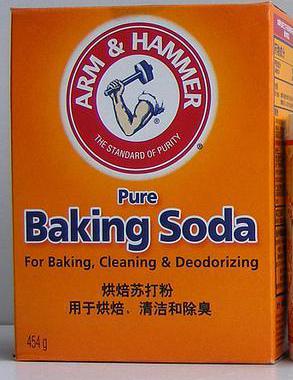
![Baking soda and baking powder, which are commonly used in baking.]() By: RobinBaking soda and baking powder, which are commonly used in baking.
By: RobinBaking soda and baking powder, which are commonly used in baking. -
![Cake mix.]() By: HamsterManCake mix.
By: HamsterManCake mix. -
![A combination of gluten-free flours are frequently combined to create a celiac-safe baking mix for cookies and other treats.]() By: sarahdoowA combination of gluten-free flours are frequently combined to create a celiac-safe baking mix for cookies and other treats.
By: sarahdoowA combination of gluten-free flours are frequently combined to create a celiac-safe baking mix for cookies and other treats.


Discussion Comments
i have found a delicious line of gluten-free vegan baking mixes called Purely Elizabeth. I saw them on the Early Show for gifts for foodies and they are fabulous.
I use my bread machine primarily for the dough feature. Then I bake it in the oven. My Toastmaster is about 18 years old. American made!
I have lived at elevation and at sea level and have suffered through the adjustments with both to the point I don't want to clean up my machine's innards with over risen dough that plummets at the end of baking. So I find "my way" simple and effective. Just adjust your cooking time/oven temp.
I've found the best baking mixes out there are from a brand called Dassant. I love their beer bread and they are simple to make. Not sure about gluten free brands, though.
@LittleMan -- There are really about a million bread mixes out there, I think it would come down to preference.
However, it's really not that hard to make your own, even from scratch.
And sometimes you do get better results, especially if you want certain types of ingredients, rather than the standard, processed baking mix ingredients.
I would suggest you to find a good, simple bread recipe and start from that -- it's really a lot easier than it seems!
Does anybody know a really good bread baking mix?
I want to start baking my own bread, but I thought I should do my first few loaves with a mix, just to be on the safe side.
I'm looking specifically for ones that don't use a bread machine -- I want to do it in my oven.
Does anybody have any advice or opinions?
I am such a fan of the new gluten-free baking mixes that are becoming more available.
My daughter has celiac disease, so we always had a hard time finding little baking projects for her, but now she gets to mix with the rest of them -- and leave my kitchen in shambles!
how do you make baking mix from scratch?
Post your comments