
At WiseGEEK, we're committed to delivering accurate, trustworthy information. Our expert-authored content is rigorously fact-checked and sourced from credible authorities. Discover how we uphold the highest standards in providing you with reliable knowledge.
What Happens to Blood Sugar During Pregnancy?
A woman's blood sugar is often higher than normal during pregnancy, especially during the first and third trimesters. Nearly 5% of pregnant women do not make the requisite amount of insulin needed to process the excess glucose their bodies create, leading to pregnancy-induced or gestational diabetes. This can result in health issues for both mother and baby; as a result, it's very common to test a woman's blood sugar during pregnancy. In some cases, a woman's blood sugar can become too low, especially if she is experiencing severe morning sickness.
The placenta creates hormones that can limit the amount of insulin a woman's body can use and causing a rise in blood sugar. This typically occurs during the first trimester, when hormone changes happen suddenly, and may continue to get worse as the fetus grows. Gestational diabetes is often diagnosed between the 24th and 28th weeks of pregnancy. The pancreas, the organ responsible for insulin production, needs to make as much as three times more insulin during pregnancy than it does when a woman is not pregnant. If insulin production fails to keep up, a woman's blood sugar levels can become dangerously high.

While most pregnant women have a slight uptick in blood sugar, it is typically within an acceptable range. A small percentage of women become intolerant to glucose, the sugar found in blood, and experience gestational diabetes. These women typically have to eat a specific diet, exercise regularly, undergo routine blood sugar testing, and they may require insulin during their pregnancy. In most cases, the problem stops shortly after giving birth, although in very rare cases, gestational diabetes can develop into regular diabetes.

This rise in blood sugar during pregnancy can cause some health issues for the woman, but is typically not life threatening. Blurred vision, excessive thirst or urination, and weight loss are the most common. The main concern is the health of the fetus, since high blood sugar can cause birth defects, miscarriages early in pregnancy, issues with delivery, and increases the risks of stillbirth. When left untreated, the baby may have low blood sugar once born, which can put his or her life at risk if untreated.

A woman's blood sugar is often tested with urine samples and a glucose tolerance test during the second trimester. If results from these tests come back abnormal, a woman will likely have to take a three hour glucose test to determine if gestational diabetes is a risk. Eating well during pregnancy and exercising regularly can greatly reduce the chances of developing this problem.
In rare cases, a woman's blood sugar can become too low. This typically occurs when a woman is not eating enough or is having difficulty keeping food down, which is common during the first trimester. Eating small, light meals several times a day can often resolve the problem. In rare cases, a woman with low blood sugar during pregnancy may require hospitalization.
AS FEATURED ON:
AS FEATURED ON:









-
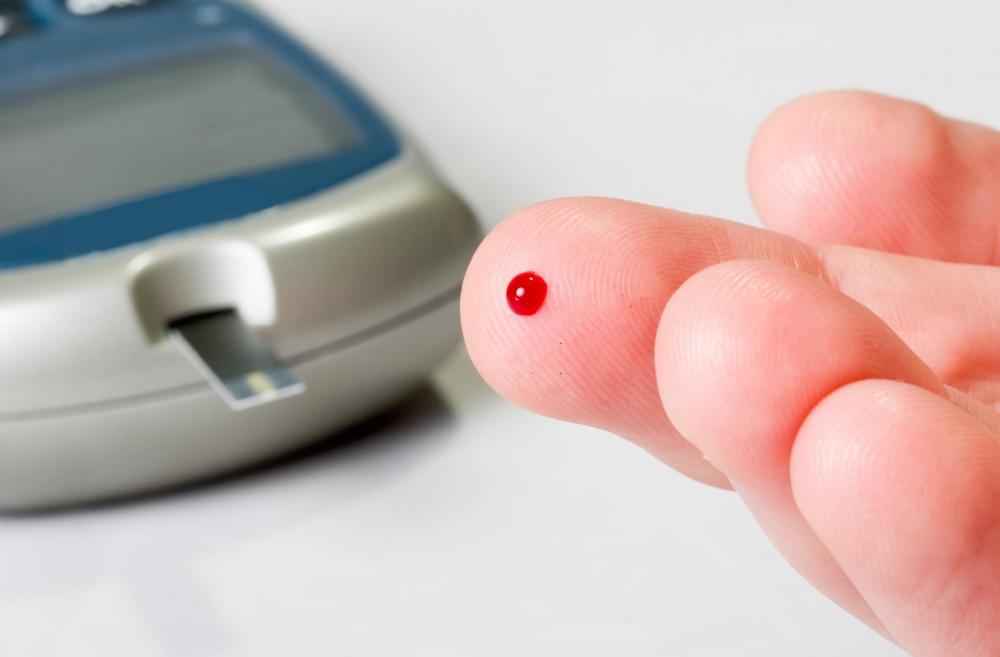
![Women who develop gestational diabetes will need to test their blood sugar levels frequently.]() By: evgenybWomen who develop gestational diabetes will need to test their blood sugar levels frequently.
By: evgenybWomen who develop gestational diabetes will need to test their blood sugar levels frequently. -
![In order to combat hypoglycemia, pregnant women should keep their weight gain within a healthy target range.]() By: MilissentaIn order to combat hypoglycemia, pregnant women should keep their weight gain within a healthy target range.
By: MilissentaIn order to combat hypoglycemia, pregnant women should keep their weight gain within a healthy target range. -
![Regular exercise may reduce a woman's chances of gestational diabetes.]() By: hartphotographyRegular exercise may reduce a woman's chances of gestational diabetes.
By: hartphotographyRegular exercise may reduce a woman's chances of gestational diabetes.


Discussion Comments
I have diabetes and although I don't intend to have children now, I wonder if I will be able to one day. I'm worried about how pregnancy will affect my diabetes and if my baby will be harmed.
The insulin and the diabetes medications that diabetics use regularly, can they be safely continued during pregnancy? Are pregnant women with diabetes at high risk?
@fBoyle-- I don't think it's routinely tested for. But if a woman experienced gestational diabetes during a previous pregnancy, was pre-diabetic before pregnancy or has family members with diabetes, then it will be tested for. Most women are diagnosed when they develop symptoms of diabetes. That's what happened with me as well.
I became very thirsty when I was pregnant and naturally, started urinating frequently as well. Initially, I thought it was due to pregnancy but as my water intake increased, I realized that it wasn't normal. I also had nausea, only after eating sweet foods. I saw my doctor after that and a couple of blood tests diagnosed me with gestational diabetes.
Treatment was not as difficult as I had thought. I used anti-diabetic medication and made some changes to my diet. I was already walking daily and I continued that. My symptoms went away soon after and my blood sugar was under control after that.
Do doctors routinely test all women during their pregnancy for gestational diabetes? 5% is not a very small number and if blood sugar increase occurs in all women, I think this should be routinely checked.
Has anyone here developed gestational diabetes? How was yours diagnosed?
Post your comments