
At WiseGEEK, we're committed to delivering accurate, trustworthy information. Our expert-authored content is rigorously fact-checked and sourced from credible authorities. Discover how we uphold the highest standards in providing you with reliable knowledge.
What Factors Affect Liver Cancer Life Expectancy?
Liver cancer life expectancy improves if the disease is caught early and the tumor can be removed. Other factors that affect life expectancy include the exact type of cancer the patient has, the site where the disease originated, the level of metastasis, and the patient’s overall health. The size of the tumor and amount of the liver infected also play a role. Most liver cancers are fatal, but a small number of patients might be cured if the tumor is caught early and has not spread to other organs.
If the cancer is localized and represents a certain type of tumor, there is a small chance it could be removed and not return. In such cases, there must be no sign of invasion into the blood vessels. Liver cancer commonly spreads to the lymph nodes or other organs before it is discovered, however.

Other types of liver cancer that spread might require a transplant. This usually occurs when a tumor is located in an area that makes it difficult to remove without causing additional damage to the patient. It also applies to cases where more than one type of tumor is present, or where the overall condition of the liver appears poor. When a healthy donor liver is transplanted into the patient, the five-year survival rate runs about 60%.

Researchers report some success with extending liver cancer life expectancy by using more than one form of treatment. Chemotherapy and embolization, which means starving the tumor by cutting off blood flow, might give the patient a longer life. If the cancer has spread to other areas in the body, chemotherapy of the entire system is generally preferred.

When the disease is confined to the liver, treatment involves chemotherapy to the organ, with or without radiation therapy. Medical professionals usually administer a combination of medication, chemotherapy, and embolization to attack liver cancer. Their goal is to shrink the tumor, excise it, and starve it by restricting blood supply.
If the disease is advanced, life expectancy becomes shorter. The usual course of treatment in these cases involves treating the symptoms to make the patient more comfortable. Medication generally does not prolong life, but it eases the pain associated with advanced liver cancer.

Sometimes, it takes years for cancer in other parts of the body to spread to the liver. Patients who receive treatment within the first year of diagnosis improve their chances. Older people are more prone to develop liver cancer, and more men than women get the disease.
AS FEATURED ON:
AS FEATURED ON:









-
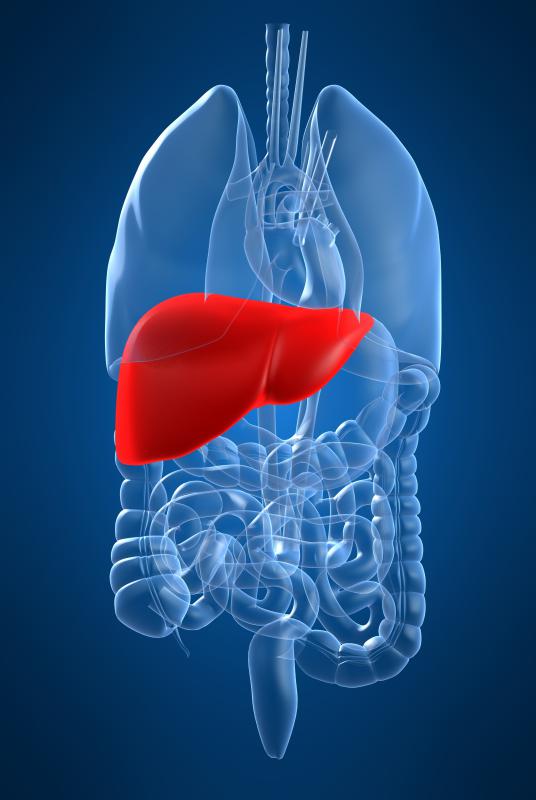
![Early detection of liver cancer is a major factor in life expectancy.]() By: Sebastian KaulitzkiEarly detection of liver cancer is a major factor in life expectancy.
By: Sebastian KaulitzkiEarly detection of liver cancer is a major factor in life expectancy. -
![The severity and aggressiveness of the liver cancer greatly affects a patient's prognosis.]() By: edbockstockThe severity and aggressiveness of the liver cancer greatly affects a patient's prognosis.
By: edbockstockThe severity and aggressiveness of the liver cancer greatly affects a patient's prognosis. -
![Multiple forms of treatment can improve liver cancer life expectancy.]() By: Africa StudioMultiple forms of treatment can improve liver cancer life expectancy.
By: Africa StudioMultiple forms of treatment can improve liver cancer life expectancy. -
![A liver ultrasound can be used to diagnose liver cancer.]() By: nyulA liver ultrasound can be used to diagnose liver cancer.
By: nyulA liver ultrasound can be used to diagnose liver cancer. -
![Using more than one form of treatment for liver cancer may improve a patient's life expectancy.]() By: Photographee.euUsing more than one form of treatment for liver cancer may improve a patient's life expectancy.
By: Photographee.euUsing more than one form of treatment for liver cancer may improve a patient's life expectancy.


Discuss this Article
Post your comments