
At TheHealthBoard, we're committed to delivering accurate, trustworthy information. Our expert-authored content is rigorously fact-checked and sourced from credible authorities. Discover how we uphold the highest standards in providing you with reliable knowledge.
What does It Mean to be Morbidly Obese?
 Tricia Christensen
Tricia Christensen
Tricia Christensen
The term obese is often used interchangeably with morbidly obese, but these are two separate terms signifying different levels of weight over ordinary body weight. Someone who falls into the obese category weighs about 20% more than what is considered normal for his or her height, giving the person a body mass index (BMI) of 30 or above. It doesn’t take much extra weight to be considered obese, and in developed countries like the US, a fairly large percent of people are in this category. To be morbidly obese means that person has very high body fat percentage, and his or her BMI might be anywhere from 35 to 40 and up. There are disputes on whether BMI of 35 or 40 is the beginning point of morbid obesity, but 40 is the more typically accepted measurement.
What this really translates to in poundage is that the person would weigh approximately 100 pounds (45.36 kg) or more above the normal weight for for his or her height and size. The average woman standing at approximately 5 feet 10 inches (1.78 m) and weighing about 150 pounds (68.04 kg) has an average body mass index of 21.5. This is well within normal weight range. When that woman weighs 250 pounds (113.4 kg), she has a BMI of 35.9, and may be considered morbidly obese by some authorities. Generally, shorter stature and the same amount of pounds translate to the more accepted BMI rating of over 40 for morbid obesity. A woman who is 5 feet 5 inches (1.65 m) and weighs 250 pounds (113.4 kg) has a BMI of 41.6, and would be considered by all authorities to be at serious health risk.

The reason morbid is attached to the term obesity is due to the risk factor for many different health conditions that may result in death, and can be caused when this much weight is on the frame. Morbid can be understood as things or elements that produce disease. When extra fat accumulates in the body, it begins to have negative effects on a number of the organs and body systems. Some conditions for which this much weight is a risk factor for include cardiac disease, sleep apnea, type II diabetes, high blood pressure, asthma, stress incontinence, arthritis, and yeast infections. Depending on the environment, these people may also bear a lifetime of shame over their condition, which can lead to social phobias, alienation, depression, and/or panic disorders.

There are many ways to treat those diagnosed as morbidly obese. These include modifying diet and exercise to ultimately shed some weight; using medical interventions, such as drugs or surgeries, to reduce weight; or trying a variety of methods that are both home and doctor-based. Weight loss can be difficult to achieve in any context without strong support, so people who are obese may want to work with skilled nutritionists, counselors, or therapists, in addition to medical professionals who can help during this process.
Tricia Christensen
Tricia has a Literature degree from Sonoma State University and has been a frequent TheHealthBoard contributor for many years. She is especially passionate about reading and writing, although her other interests include medicine, art, film, history, politics, ethics, and religion. Tricia lives in Northern California and is currently working on her first novel.
Learn more...
Tricia Christensen
Tricia has a Literature degree from Sonoma State University and has been a frequent TheHealthBoard contributor for many years. She is especially passionate about reading and writing, although her other interests include medicine, art, film, history, politics, ethics, and religion. Tricia lives in Northern California and is currently working on her first novel.
Learn more...AS FEATURED ON:
AS FEATURED ON:


-
![People who fall under certain parameters for height and weight are at risk for serious health problems.]() By: Sylvie BouchardPeople who fall under certain parameters for height and weight are at risk for serious health problems.
By: Sylvie BouchardPeople who fall under certain parameters for height and weight are at risk for serious health problems. -
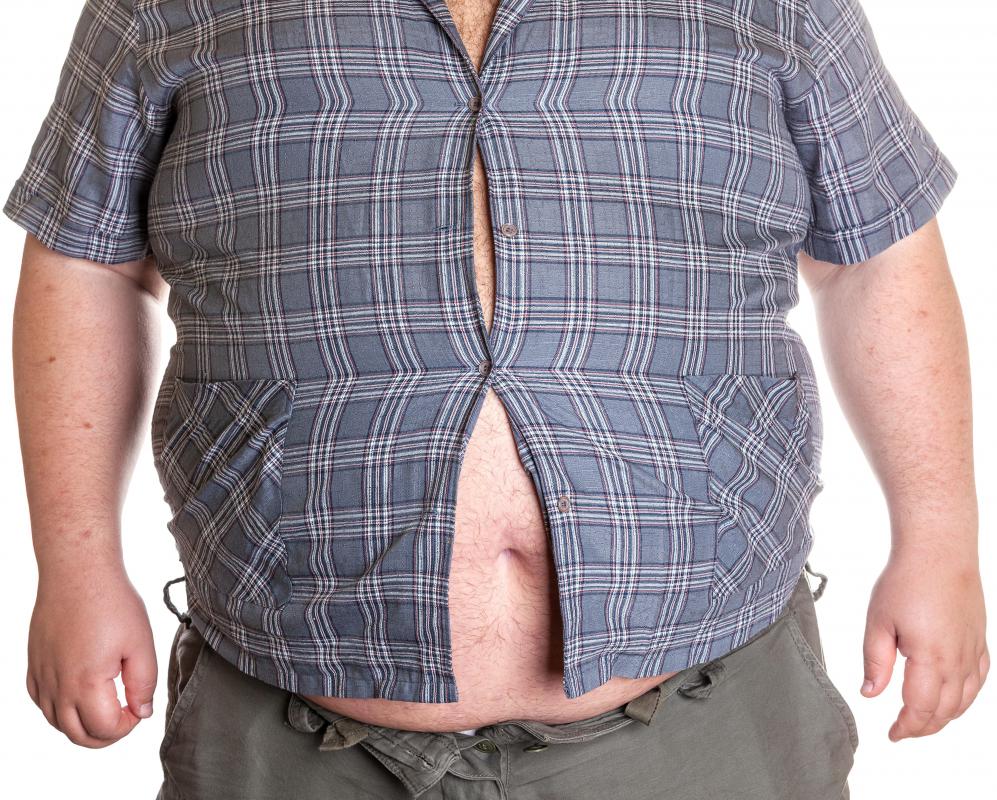
![Morbidly obese people are at least 100 pounds over the recommended weight for their height.]() By: DiscovodMorbidly obese people are at least 100 pounds over the recommended weight for their height.
By: DiscovodMorbidly obese people are at least 100 pounds over the recommended weight for their height. -
![Weight loss surgery may be an option for some morbidly obese individuals.]() By: DaveWeight loss surgery may be an option for some morbidly obese individuals.
By: DaveWeight loss surgery may be an option for some morbidly obese individuals. -
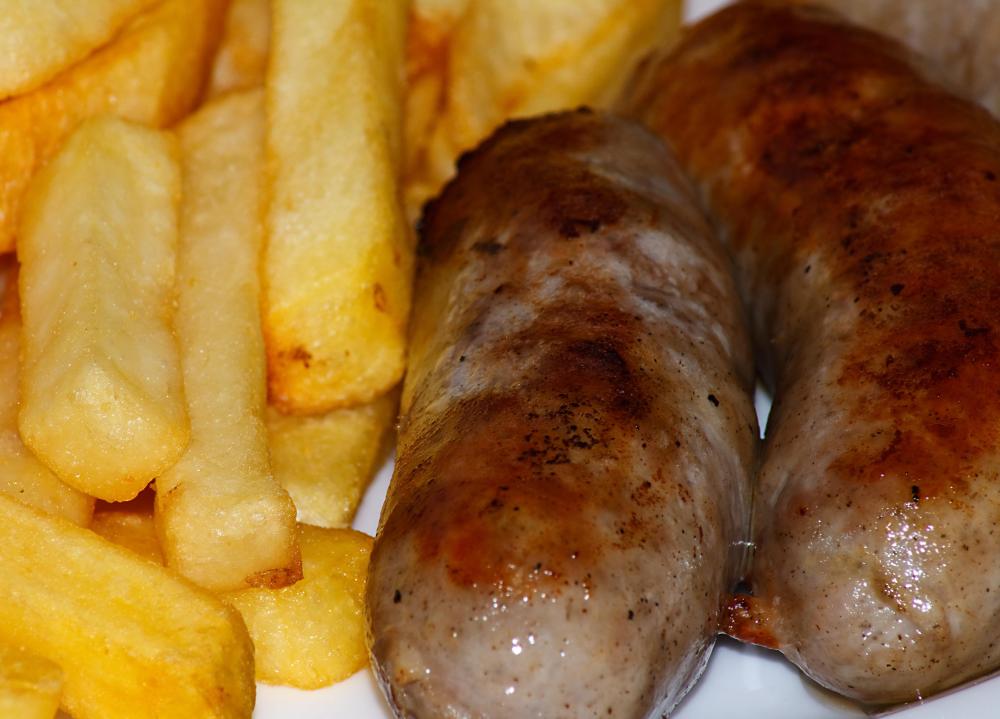
![Foods that are greasy contribute to obesity.]() By: stocksolutionsFoods that are greasy contribute to obesity.
By: stocksolutionsFoods that are greasy contribute to obesity. -
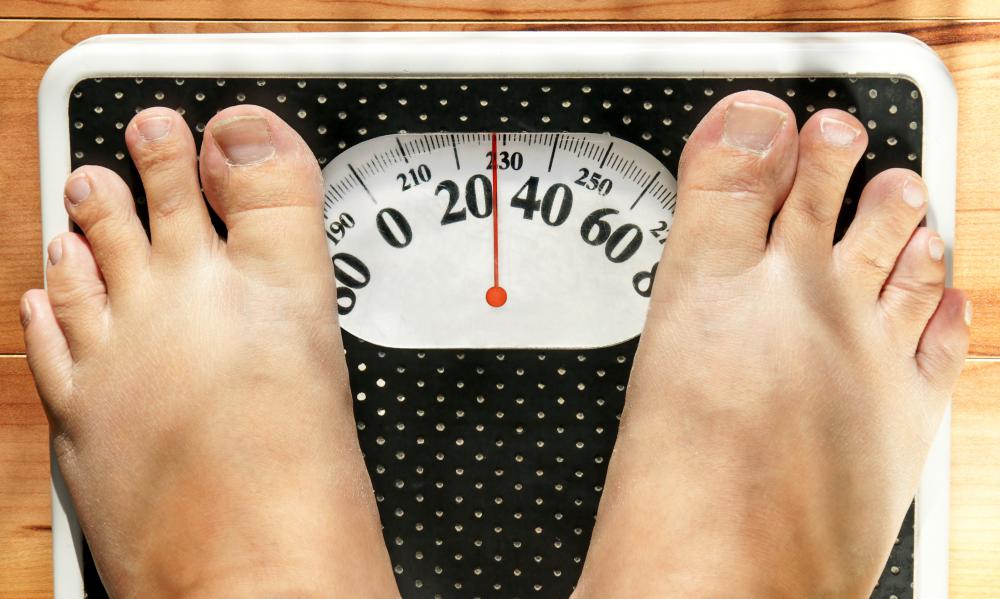
![Obese people typically have a body mass index (BMI) of 30 or higher.]() By: KokhanchikovObese people typically have a body mass index (BMI) of 30 or higher.
By: KokhanchikovObese people typically have a body mass index (BMI) of 30 or higher. -
![Some obese people may improve their health by donating blood.]() By: Gina SandersSome obese people may improve their health by donating blood.
By: Gina SandersSome obese people may improve their health by donating blood.



Discussion Comments
@anon310801: Be careful what you say because karma can be a witch!
Stupid, lazy people become obese. Instead of eating better and exercising, they get operations and eat that Jenny Craig crap. So they lose some weight and then they didn't eat the right foods and they didn't exercise so they gain the weight back.
If people would just play ping pong or badminton and ride a bike and eat better and avoid sodas, they would lose weight and keep it off.
These corporations have you thinking getting lasagna, pizza and hot pockets in smaller proportions is the answer. The answer is to grow a garden and get off their fat rear ends.
Would the contestants on The Biggest Loser show be considered morbidly obese?
A lady from my hometown was on that show and she did really well. When she got back home she participated in local marathons and kept her weight off for quite awhile. I was recently talking with a friend of mine who personally knows this lady, and they told me she has gained all of her weight back.
@John57 -- Your friend is doing really well to keep her weight off for all this time after surgery. I have talked to people who have had this surgery done and many of them end up gaining most of the weight back. It is hard to understand why they would go through all that hard work and money, only to gain it all back.
For many of them they have a hard time accepting their new body image. No matter how much weight they lose, they still see themselves as being morbidly obese. It is almost like they don't know how to feel comfortable in their own skin when they are at a healthy weight.
It is interesting to hear them talk about the change in their social life too. At first they think their social life will dramatically improve. They may become more socially active for awhile, but over time, most of them go back to their old habits.
When I worked as an underwriter for a life insurance company, height and weight were one of the first things we looked at to determine if someone would be issued coverage or not. We had a chart that we followed to determine if they could get coverage or not. Depending on where they were on the scale, they might be denied the insurance, or have to pay a higher premium.
You would be surprised by the number of applicants who have to pay extra money because of being obese. I saw this more often than those who were morbidly obese. I think the agents knew when someone would be declined because of being morbidly obese and didn't even bother to submit the application.
Before the surgery she could not stand for any length of time because her extra weight was putting too much pressure on her knees. She is a registered nurse and wasn't able to work because of all the problems she had with being obese.
I know many people who have this surgery end up putting the weight back on, but she has done a great job of changing her lifestyle. If someone just met her, they would have no idea she used to be at least 100 pounds heavier.
@Perdido – It's important that a morbidly obese person not go on a crash diet or on one they can't stick to forever. They need to make dietary changes that they can live with even after they lose the weight, because otherwise, they will gain it back.
I have a friend who was once 350 pounds. When she went on a diet, she didn't specify certain foods to avoid. Instead, she opted for healthy substitutes in most instances, and when she did crave a piece of chocolate cake really badly, she had a small piece instead of a giant one.
Fruits, vegetables, whole grains, and lean proteins made up most of her diet. She cut down her portion size, especially when it came to things like potato chips, but she didn't deny herself a few chips now and then. Because she didn't feel deprived and she had introduced nutrition into her diet, she lost weight gradually and kept it off.
Are there certain morbidly obese diets that work better for weight loss than others? I just wonder if a very large person would need to go on a more drastic diet in order to lose weight than a person who just wanted to lose a few pounds.
My friends and I got into a disagreement about whether or not morbidly obese children should be taken away from their parents. My friends insist that they should, but I say that the parents should at least be given an opportunity to change.
It's true that whatever food is in the home is there because the parents put it there. They should be giving their kids healthy options, and they shouldn't be letting them indulge in whatever they want whenever they want.
However, many parents are morbidly obese. A threat of losing their children could be just the motivation they need to change their eating habits, which would also influence the children. It could be good for everyone.
Several of the women in my family were of a morbidly obese weight. They decided that they would be more motivated to lose the weight if they did it together, so they committed to an exercise program and diet plan.
Whenever they exercised, they did it together, and they all did the same things. Just having other people there to push and share in the pain helped so much.
Also, they would eat together three times a week. They cooked healthy meals, and this helped keep them in line at least one night a week.
While none of them are what I would consider skinny now, they are much healthier. One of my aunts lost 100 pounds, and two more lost over 50 pounds.
Post your comments