
At PracticalAdultInsights, we're committed to delivering accurate, trustworthy information. Our expert-authored content is rigorously fact-checked and sourced from credible authorities. Discover how we uphold the highest standards in providing you with reliable knowledge.
What does an Interior Designer do?
 Tricia Christensen
Tricia Christensen
Tricia Christensen
An interior designer works with clients to remodel and/or decorate rooms and other indoor spaces to make them functional and attractive. Unlike a decorator, people in this field place a strong emphasis on making sure the space is used effectively. The designer must consider factors like the available working area and budget. Individuals may specialize in certain styles or types of interior design, such as residential or corporate, or even work in theater or film production.
Preliminary Work Obligations

When an interior designer is called for an assignment, he or she should first meet with the client to get an understanding of the goals for the project and the client's needs and wants. He or she must examine the space that requires design or decoration to consider how it is currently being used and how it needs to be changed; this may involve observing how people move through the room or area, and determining ways to make the space easier to use. Often, he or she will then draw up preliminary plans for the rooms redesign, including any remodeling work that will be required. Information on what materials are likely to be needed and any budget considerations may be included. In some cases, interior designers may be paid an initial consultation fee for putting together a plan.
Primary Work

Once the designer is officially given the job, he or she will need to create a final plan of the new design, including specifics about changes to lighting, water, power, and any other factors. If the room needs to be remodeled, he or she may be responsible for finding an appropriate contractor and obtaining any required building permits. A budget must be created and finalized, and a timeline for when the work will be done should be created. The designer usually has the final responsibility for the project, be it large or small, and often must approve of all the changes and make sure that it meets the client's expectations.

Interior design requires a good understanding of how spaces can be used effectively and safely, as well as how the look and feel of a space can affect the people who use it. Professionals in this industry need a strong sense of color and shape, and how they can be used together to make a space attractive. They are often called on to choose wall and floor coverings, furniture, lighting fixtures, and artwork, among other room features, and decide where they should be in the room. Designers may compose a blueprint of an interior space by hand or by computer to show any changes to the area and where any new or existing objects should be placed.

These professionals often work with clients who have specific ideas about the look they want; this could involve choosing fabrics or objects that work for a particular decorating style or color scheme. Some specialize in a certain style, such as feng shui, green or sustainable design, or modern design. Clients who are looking to create a certain style may choose a professional with expertise in that area. This knowledge is particularly important for designers hired to restore old rooms or buildings so that they are returned to their original historical look or those who work in television or films.

Even if a room does not need major remodeling, the designer may recommend smaller changes to the building structure, such as adding built-in shelving or installing larger windows. All of these changes are typically made with how the room will be used in mind, whether it's a living room in a home or a waiting room at a hospital. Touring design studios can sometimes help gauge the needs of the client.
Types of Interior Design
There are a number of different interior design subfields, including residential and commercial, and within these general areas there are additional specialties. Residential professionals work with living spaces, primarily designing rooms for new or existing homes. Some even prefer working with a specific room such as the kitchen or bathroom, or planning and creating closet spaces. Many home furnishing stores have an interior designer or a team of professionals on staff who can make design suggestions and recommend furniture and other objects that will look good together in a room.
Commercial interior designers, on the other hand, plan spaces for government buildings, private businesses, or other corporate entities. Offices are a common focus of these professionals, but they may also work with schools, banks, retail establishments, and other public spaces. Some work to make hotels and restaurants functional and appealing, while others design areas in hospitals and other healthcare facilities; each field often requires specific knowledge about how the space can be used effectively by both customers or clients and staff members.
Training and Skills
Most interior designers are trained in art or design schools, and bring a variety of talents to their profession. Being artistic, having knowledge of building codes and computer-based tools, and possessing good listening skills are all valuable assets for those who wish to have a career in interior design. Management and decision-making skills are key as well, since people in this field often work with other professionals, including builders and tradespeople, and must still make sure projects are completed on time and on budget.
In the US, many states restrict the use of the title "interior designer" to people who have passed a licensing exam. Additional certification in specific areas, such as in bathroom design, is also available in many places. Licensing and educational requirements may vary in other countries, as can the types of work that a designer typically performs. In some places, for example, the work is mostly focused on decorating and furnishing the space.
Hiring an Interior Designer
When choosing an interior designer, a homeowner or company representative should ask for recommendations from other people who have used these services in the past. Many professionals offer examples of their work online, so reviewing the person or company's website can provide a look into the types of work that can be provided. Seeing the space in person can be more useful, however, because it provides the potential client with the opportunity to see how the design is used and how it has held up over time. Most interior designers offer an initial consultation for free, which can be a good way for a client to see if the person communicates well and understands his or her goals.
Most reputable designers are registered with a professional organization, like the American Society of Interior Designers or the British Institute of Interior Design. These organizations may also be a good source for names of local professionals. Designers should also be willing to provide information on their license, if required, and their educational background to potential clients.
It is also possible for non-professionals to do some interior design work on their own. Many people do not have the time or knowledge of how to plan and create a functional living or work space, however, and hiring someone who knows what he or she is doing may save significant effort in the future. Professionals may be able to get discounts on furnishings or other design elements, and since they often have good working relationships with contractors, the client may have more confidence that any remodeling is being done correctly and for a fair price. In addition, there is always the risk that an untrained individual will choose colors or patterns that don't work together or, more importantly, make a significant change to the structure of a room incorrectly, requiring the work to be redone.
Relationship to Other Disciplines
Interior designers often develop relationships with other professionals in the construction and design industry, and may make commissions if he or she steers clients toward the services of a specific company. Cultivating relationships with architects, engineers, contractors, and the like are important because the designer needs to know what services a particular professional can provide, who is affordable and reliable, and who can best put the plans into action. These relationships also help the interior designer show the client what is available in terms of furniture, fabric, paint colors, and so forth.
Individuals who are known as interior decorators may do some of the same work as an interior designer, but may not carry the qualifications or the same amount of responsibility. Other fields that overlap with this profession include architecture and engineering. They also involve a building's overall structure, which may include some aspects of room design. In fact, some interior designers are also trained in these areas and may be valuable contributors in architectural and engineering plans.
Tricia Christensen
Tricia has a Literature degree from Sonoma State University and has been a frequent PracticalAdultInsights contributor for many years. She is especially passionate about reading and writing, although her other interests include medicine, art, film, history, politics, ethics, and religion. Tricia lives in Northern California and is currently working on her first novel.
Learn more...
Tricia Christensen
Tricia has a Literature degree from Sonoma State University and has been a frequent PracticalAdultInsights contributor for many years. She is especially passionate about reading and writing, although her other interests include medicine, art, film, history, politics, ethics, and religion. Tricia lives in Northern California and is currently working on her first novel.
Learn more...AS FEATURED ON:
AS FEATURED ON:


-
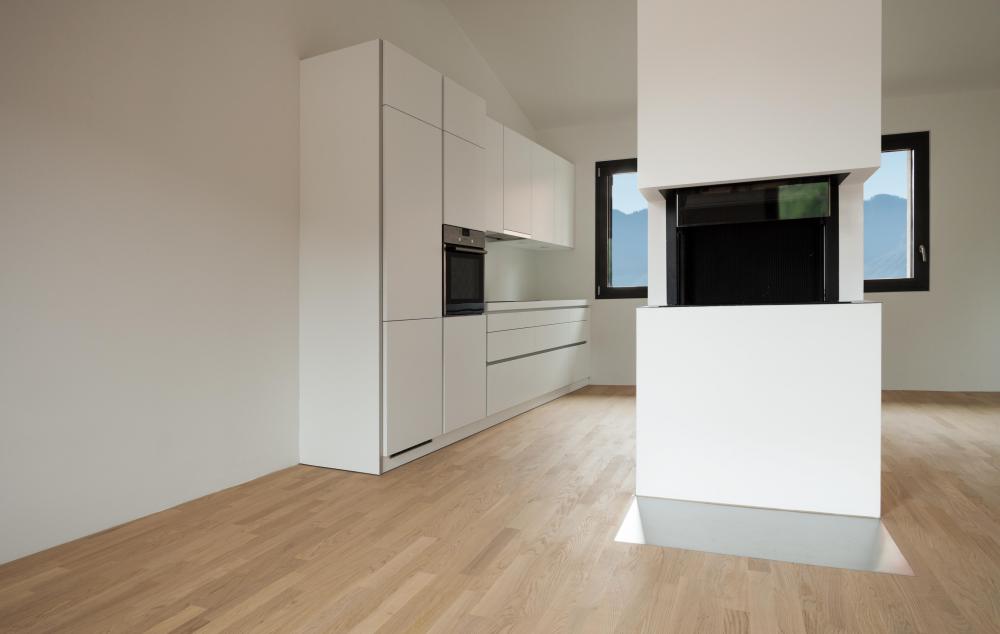
![An interior designer configures a home's living spaces to match the aesthetic preferences of its owner.]() By: alexandre zveigerAn interior designer configures a home's living spaces to match the aesthetic preferences of its owner.
By: alexandre zveigerAn interior designer configures a home's living spaces to match the aesthetic preferences of its owner. -
![Interior design professionals often work with clients who have specific ideas about the look they want.]() By: Dmitriy MelnikovInterior design professionals often work with clients who have specific ideas about the look they want.
By: Dmitriy MelnikovInterior design professionals often work with clients who have specific ideas about the look they want. -
![Interior designers may help pick furniture pieces to finish a room.]() By: amphotoltInterior designers may help pick furniture pieces to finish a room.
By: amphotoltInterior designers may help pick furniture pieces to finish a room. -
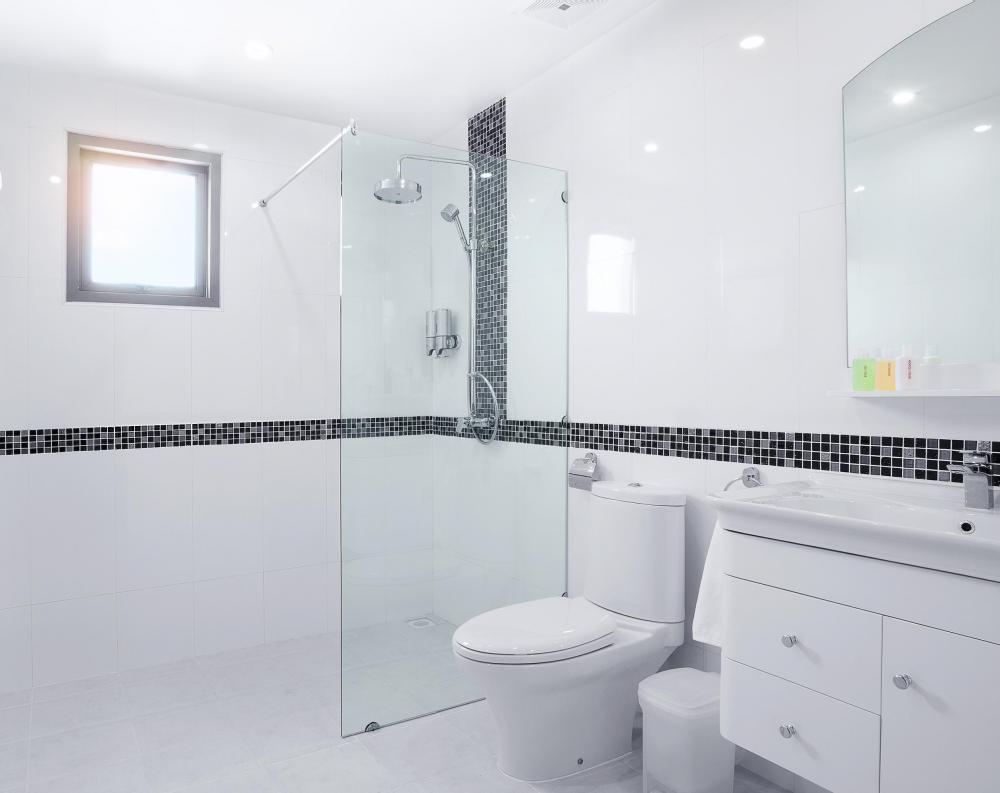
![Some interior designers prefer working with a specific room, such as a bathroom.]() By: Dmitry ErslerSome interior designers prefer working with a specific room, such as a bathroom.
By: Dmitry ErslerSome interior designers prefer working with a specific room, such as a bathroom. -
![Interior designers make spaces attractive as well as functional.]() By: noomhhInterior designers make spaces attractive as well as functional.
By: noomhhInterior designers make spaces attractive as well as functional.



Discussion Comments
I need help figuring out what classes I need to take to be an interior designer.
How much do interior designers get paid hourly?
I hope I don't come across as ignorant, but there's a lot I would like to know that maybe I'm just completely missing from the article (and others I’ve read). Do interior designers absolutely have to have degrees to do interior design? I know interior designers are responsible for blueprints, all electrical, plumbing, changes, permits and so on. What are they also responsible for, other than showing swatches of colors, fabrics, etc. for approval?
Are there any design projects that are considered “usuals,” and if so, what is the duration of one project? How long does it take for an interior designer to get him or herself out there to start bringing in decent business?
Is there any advice anyone could give me on this? Is there a success rate or failure rate for them? If so, what is it? I just have so much I want to learn, but not sure where or how to start. Thank you for your input!
@designHeidi, post 42: Thank you so much for your concise approach to this particular field. My daughter says now she knows how to pursue her dream and thanks you for that. -- A happy mom
I am 18 and will be graduating from high school in about three months. I want to be an interior designer. What do you think? What advice can you give me? I know it is a lot of work but am ready.
Thanks to whoever explained this. Now I got a better basic idea of this career. I'm planning in doing Interior designing for future studies. Now I'm grade 11 and had taken computer science. This is so helpful now. Thanks once again.
I would suggest the following for those who want to become an interior designer:
1) Take a basic interior design course at a community college to see if you really want to pursue a career in interior design.
2) Do not take out 150 grand in student loans to go to a private art school. (I stupidly did this and my student loan payments are killing me. I may as well be a physician making six figures. I graduated from the Harrington College of Design in Chicago, IL with a BFA in interior design.) If you have someone footing the bill for your higher education, go to that private art school. Private schools are amazing, but they are pricey. Go to a local state school or university that has an accredited interior design program through CIDA. Do not settle for an associate’s degree or a certification. Get a Bachelor’s degree in interior design or interior architecture.
3) Join student organizations such as ASID, NKBA or IIDA. You will need to do an internship anyway, so try to get a paying part-time job with an architecture and/or interior design firm. Working in a showroom will not prepare you for interior design like a job at a firm will. (I have done both.) If you cannot find a paying job, do an unpaid internship for a while to gain some experience. This will help you tremendously when you try to find an internship for credit or for pay.
4)Do not blow off classes. If you’re just going to school for the “college experience”, don’t go into interior design. Interior design is a specialized program with a lot of lab time and projects. You will pull all-nighters every semester and you will wonder if this degree is right for you. Interior design is a rigorous program, but if you really want it, work hard and ask, ask, ask. If you don’t understand something, ask. If you need help with anything, ask.
5) Work hard and graduate with good grades and an impressive portfolio. Have passion for your work and network like crazy with your professors. Those are the people who will help you find a good job after graduation -- possibly where they work if they are also working professionals. (I had professors who had their own firms; worked for Gensler, Perkins & Will, and HOK, among others).
6) You will most likely not make amazing money just after graduation. Interior design, like any profession, has stepping stones and the longer you do it, the more credibility you have.
7) You will need about two years of full time experience after you complete your four year degree from a CIDA-accredited program to be eligible to take the NCIDQ. *Take the exam.* Become licensed with the NCIDQ in your state, even if your state does not require a license to practice interior design. This license will increase your salary and make you a lot more marketable.
8) Study and become a LEED AP. This will also increase your salary and marketability.
9) Network, network, network. The more people you know, the more opportunities you will come across.
10) If you don’t know the acronyms listed above, google them and familiarize yourself.
Good luck!
I am 17 years old and now I want to become an architect and engineer, but am studying plus2 commerce now, so can I opt for this as my future study?
I'm 14 and I really want to be an interior designer but they don't make that much money, and I'm really high maintenance so I couldn't survive. But there's nothing else I want to be.
I have a great passion for interiors, and I can do anything to achieve this. I am very creative and it's fun to do this. Now I am in 10th but the problem is will there be any risk in this field?
When I grow up I want to be an interior designer. Is that a good idea? (I'm 11)
I have a project saying that I have to choose what I want to be when I grow up. Should I be an interior designer?
I have completed my 12th standard. I dreamed of being an architect from my tender ages. I like creativity, art and such stuff and I am sure that is my cup of tea. I still believe that I can do good in that field. But people say that this field is risky especially for girls because we won't have an assured job and therefore we won't get paid much. So from a career point of view, they say there is a risk factor involved.
Therefore, my parents have convinced me to take up civil engineering. I got admission for barch but am giving up my hopes in that field right now and have joined for civil. My question is: is there any way by which I can pursue architecture after my b tech? What do I have to do to reach my ultimate goal? Please, please, please give me a solution. My interests and talent lie in that field. I have to reach it somehow. Architecture continues to fascinate me.
I am a IT professional. When I attended a interview recently in hope of getting a better position, I was not able to take my eyes away from the interiors of the interview room. The designer had paid a lot of attention to details. I was looking around the room so intently all the while during the interview, that my would-be boss commented I should try interior design as a career. This has given me new ideas and am seriously considering his suggestion. All things happen for the greater good.
i also want to be an interior designer. my mom also wants to be one.
i took a quiz about what job suits me best, and they said they said i should become an interior designer, but apparently they don't get paid much. Should i still do it? Please answer me as soon as possible!
I'm an 8th grader and i love art but i don't know what kind of design I'm good at, so i chose interior design because it looks fun to do. I think I'll become good at this. I'm 14.
what are some of the benefits? please help me. i can't find their benefits anywhere .and i have a project due friday!
i want to do interior designing but my dad says you don't get paid much.
i am twelve years old and i want to be an interior designer. my dad told me that you don't get paid that much but i want to have a job that includes art.
I am 14 years old and I am in the 9th grade. I like art and i love drawing so much!
I am planning to become an interior designer when i grow up. I really like the creativity in the job. It has so many benefits and I am sure that my clients are going to be satisfied!
I am doing B.Tech with computer science stream and i wanted my career in interior design and very passionate about doing this. so please can you tell me if it would be a better option to do interior design after my B.Tech?
I am going be a junior in high school and I took a interior designer class at Kansas State Univ. they showed us all the projects the students did, took us through all the schooling. It was the coolest class ever. So now I really want to be an interior designer. The only thing I am worried about is not being able to find a job after college.
I'm 19 years old and i have completed b tech second year and I'm not interested in this btech but I'm interested in interior decoration. after my b tech can i do interior designing?
I don't know what to be when I'm older, but i love decorating, design, and art. i have researched interior decorating, but is this this the right job for me?
I'm 16 and a freshman at logan county high school in ky and I'm wanting to be a interior designer. I'm planning on taking summer classes.
I am in sixth grade and the year is almost over! I really want to be an interior designer when I have the opportunity to get a job.
I am 11 years old and in fifth grade and we are writing reports on what we want to be when we grow up. I want to be an interior decorator!
i am 13 years old and i have to write a paper on what i want to be when I'm older. i have always dreamed of being an interior designer. i want to know what college offers the best education for this job without being in debt for the rest of my life.
I would like to be an interior designer when I grow older but i'm not the greatest drawer. Would being an interior designer still be an option for me?
I am studying my b tech final year. after that can i do interior designing?
don't do it children. you pay too much for design school and then get paid pennies.
i am 14 years old and i want to be an interior designer when I get older. Decorating and drawing is my dream. I want to work to be the best interior designer ever.
I am 13 years old and I have always wanted to be an interior designer or an architect when I am older. I think I want to be an interior designer as I have a huge imagination and I am full of creativity. Do I have what I need to become an interior designer and roughly how much do you get paid for being one?
i'm only a kid, but i'm artistic and love to draw. would this job be good for me? (i am 11)
Glad you mentioned "Getting a license in interior design isn't a walk in the park; it usually takes 4 years of schooling and a 2 year apprenticeship"
For those of us not fortunate enough to get a scholarship; it also costs a load of money! Why should we have to compete with un-licensed decorators in a market with already dwindling opportunities?
It is unfortunate in the design/build community of professionals that there is such a high level of prejudice. The prejudice stems from an overall lack of respect. According to Random House Dictionary, respect (n) is: “Esteem for, a sense of worth of, or excellence of a person; a personal quality or ability, or something considered as a manifestation of a personal quality or ability."
Architects, Interior Designers and Decorators are three professions at the core of this industry’s professional discrimination. In truth, as an Architect friend of mine once said, “We need each other.” It may be hard, in fact, to comprehend this great truth unless you are – all at once – an: educated, trained and licensed Architect, and an educated, trained, and licensed Interior Designer, and a highly skilled and naturally talented and seasoned Decorator. The subtleties or delicate factors these professions intimately recognize are particular to their profession and not implicit to all industry professionals or even society.
Many natural, yet degree skilled, artists are capable of unique formulation, conception and development of designs and aesthetic aspects of these professions. The injustice stirs from within. Society has laid a prestige or general impression on these three professions based off assumed educational and professional practice requirements. Some of these assumptions are indeed unfounded and categorically inaccurate; while other qualities or developments in the profession go without basic job description understanding.
In truth, Architects spend long years getting educated, apprenticed and finally licensed before they are legally allowed to use the title Architect. Interior Designers too must be educated, apprenticed and finally licensed before they, after many years, are legally allowed to use the title Interior Designer. Decorators are a tremendous credit to the industry, and while their skills are usually underestimated and equally unmatched by most, they do not require any formal education or licensureto practice or use the title Decorator.
There is quite a bit of overlapping within the spectrum of these three professions. For instance – Interior Designers are educated and trained to understand and configure much more than colors schemes, furniture placement or slight wall changes. These often over-emphasized parts of our natural and trained talents are just 10% of what we are educated to perform competently. Interior Designers can proficiently craft an interior and exterior structural and aesthetic building design, model and even develop diverse types of structures at the same level, if not surpassing some Architects. Yet, these facts have no bearing on the fact that Architects spend a vast amount of time and professional proficiency earning accreditation. This accreditation involves personal/professional legal and ethical risk; protecting the safety of people in and around these structures. You cannot discount this! Many have taken for granted the trust and confidence assured and protected by the safety standards and ethical practices/behaviors of Architectural licensure. Education, professional tenure requirements and licensing are not just for training in the “Arts", they also help protect the lives and well being of American citizens.
What has happened in the industry, however, is these three professions, whether prided by their aptitude of distinct talents, depth of education and/or accreditation; feel and treat the others inferior using direct verbal and/or indirect (at some levels cowardly) written comments branding other professions’ skills and educational qualifications less or not at all worthy to the overall design/build industry. Well, it’s all a lie. Prejudice comes from ignorance and respect comes from learnedness and sincere tolerance. Researching and learning about skill-sets, licensure requirements, and disciplines in these three professions, and in the overall industry, is the only way to free us all from treating each other like " a red-headed step child" (no offense to red heads or step children). We cannot help society to more accurately gauge an understanding and respect for our individual professions, as they relate to the overall industry, until we work together to cause a solution. There is a talent spectrum among artists and other natural talents, why judge who is “better”, just remember...We need each other.
-idsign4welnz,Designer(BA InteriorDesign/unlicensed)
"respect." Dictionary.com Unabridged (v 1.1). Random House, Inc. 07 Mar. 2009. .
It is unconstitutional for a select group such as ASID to purport that decorators cannot practice in some states. Decorators decorate spaces, that is it. I am sure it would surprise the Designers who wish to put decorators out of business that we don't wish to do all that they do and that in reality, many decorators and designers to the same thing, they DECORATE a space. I believe ASID should back down from spending all of their members money on lawyers to force states to pass licensing and practice laws in an effort to squelch competition and have a monopoly.
In the US, some states require that interior design be practiced _with a license_. Most states don't have licensing requirements, but lobbying efforts by bodies like the American Society of Interior Designers (ASID) are changing that. Alabama and Nevada are two states that such lobbying efforts have succeeded in.
Getting a license in interior design isn't a walk in the park; it usually takes 4 years of schooling and a 2 year apprenticeship.
The argument for licensing requirements is based on linking interior design to the health and safety of people. Really? Paint color? Architectural things, OK, but paint color? And yes, these licensing regulations cover more menial tasks like painting.
Unlicensed interior designers are fighting back though -- take the "Live Free and Design" team in New Hampshire for example!
Post your comments