
At PracticalAdultInsights, we're committed to delivering accurate, trustworthy information. Our expert-authored content is rigorously fact-checked and sourced from credible authorities. Discover how we uphold the highest standards in providing you with reliable knowledge.
What does an Executive Chef do?
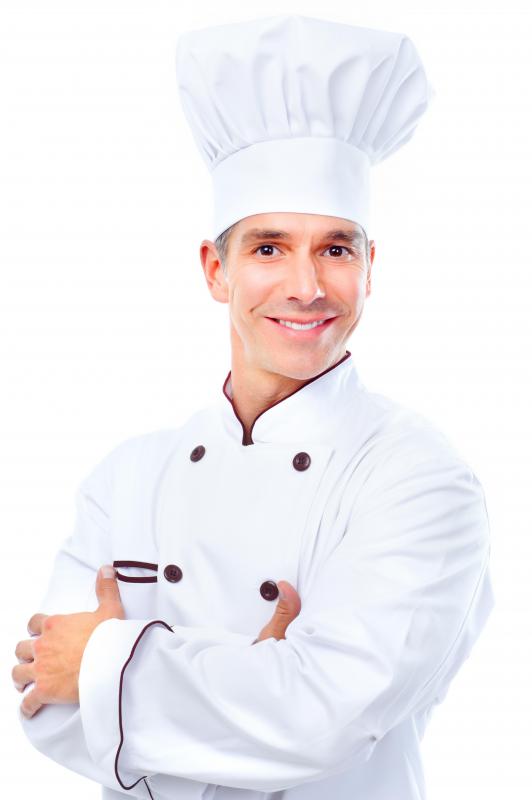
An executive chef, also called the chef de cuisine or head cook, runs the kitchen in a restaurant, country club, hotel or cruise ship. Most people in this position manage a team of 10 or more kitchen workers. The duties of an executive chef include training staff, maintaining quality, assigning tasks, ordering supplies and planning meals.
Typically, an executive chef's day begins with menu planning. The menus must fit in with the budget allotted to the chef. The executive or head chef is responsible for ordering any needed food and equipment for the kitchen. Chefs de cuisine should make and keep good working relationships with vendors. A good head cook also keeps up with new trends in food as he or she must create new dishes and menus that are appealing to the clientele of the restaurant or other venue.

Once the dishes and menu are decided upon and any necessary supplies and equipment are ordered, the executive chef assigns tasks to his or her staff. A food preparation task may include cleaning and slicing poultry or washing and chopping vegetables. Some food is prepared and stored ahead of time to use in preparing each day's menu orders. A customer's menu order is commonly called a ticket. Chefs de cuisine oversee the kitchen staff's preparation of the tickets going out to customers to check that quality is maintained.

Training kitchen staff is the executive chef's responsibility. They are definitely the leaders in their kitchens and they must be able to motivate and manage the staff to work together as a team to complete meal services successfully. Some may be involved in choosing or updating a restaurant's decor or theme. The training for someone in this position varies and may include a certificate or diploma from a culinary, or cooking, school.

Executive chefs typically work 12 to 14 hour shifts. They not only oversee day-to-day kitchen operations and staff, but most also do at least some cooking. In smaller kitchens, an executive chef may cook all the time, while in larger kitchens he or she may just cook on special occasions. The best ones have a true passion for cooking.
Marketing duties may be the responsibility of some executive chefs. They must always be concerned with customer satisfaction. If diners don't receive quality food and good service, a restaurant is unlikely to gain the good reputation that keeps it popular enough to stay in business.
AS FEATURED ON:
AS FEATURED ON:


-
![An executive chef creates a restaurant's menu.]() By: KurhanAn executive chef creates a restaurant's menu.
By: KurhanAn executive chef creates a restaurant's menu. -
![Executive chefs must be able to manage a staff of several chefs and servers.]() By: CandyBox ImagesExecutive chefs must be able to manage a staff of several chefs and servers.
By: CandyBox ImagesExecutive chefs must be able to manage a staff of several chefs and servers. -
![An executive chef may run the kitchen of a cruise ship.]() By: RawpixelAn executive chef may run the kitchen of a cruise ship.
By: RawpixelAn executive chef may run the kitchen of a cruise ship. -
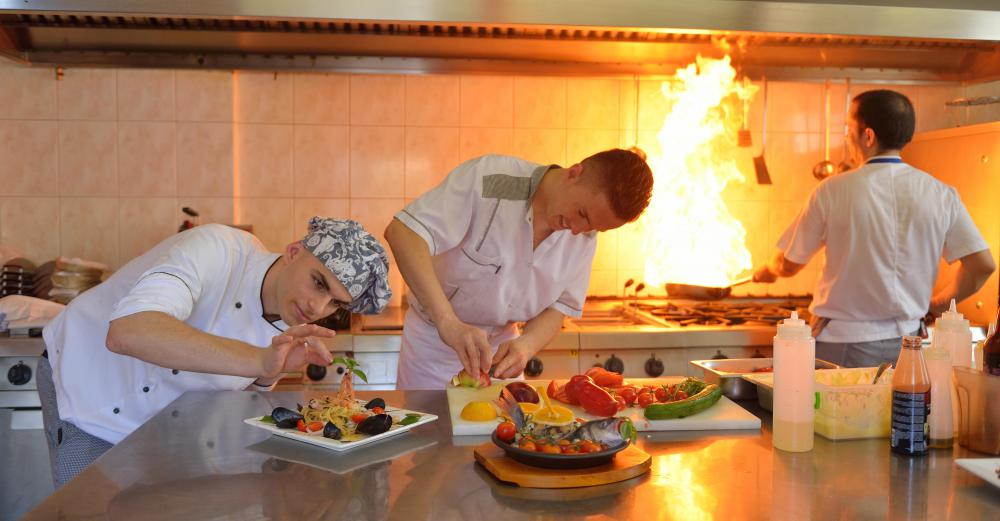
![An executive chef runs the kitchen in a restaurant.]() By: .shockAn executive chef runs the kitchen in a restaurant.
By: .shockAn executive chef runs the kitchen in a restaurant. -
![Executive chefs typically work 12 to 14 hour shifts.]() By: tecnofotocrExecutive chefs typically work 12 to 14 hour shifts.
By: tecnofotocrExecutive chefs typically work 12 to 14 hour shifts. -
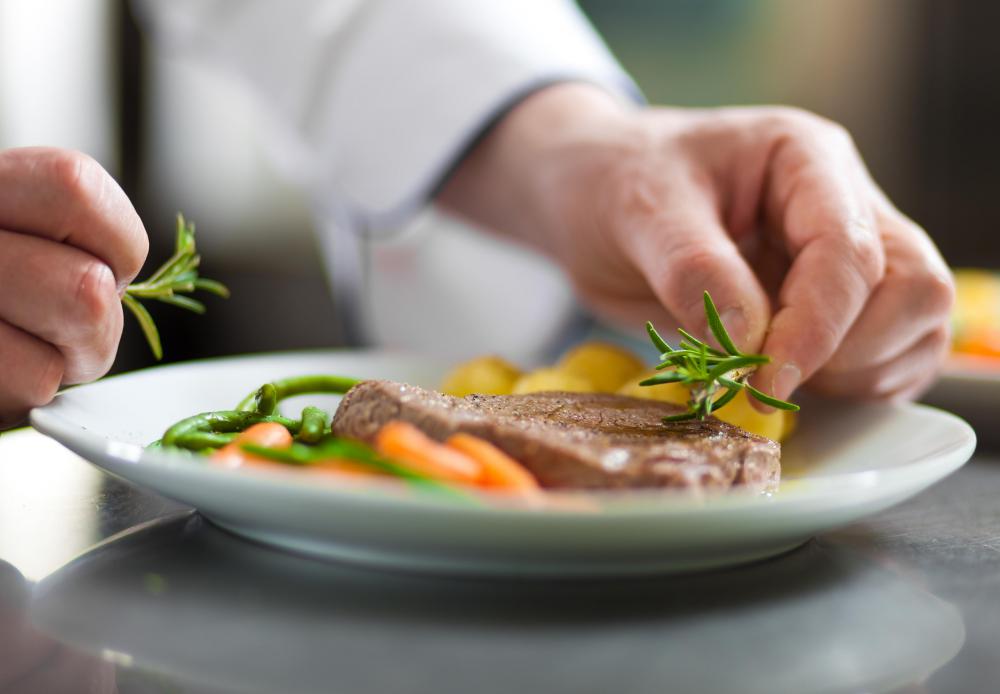
![Executive chefs ensure that the quality and presentation of the food being served is maintained.]() By: Minerva StudioExecutive chefs ensure that the quality and presentation of the food being served is maintained.
By: Minerva StudioExecutive chefs ensure that the quality and presentation of the food being served is maintained.



Discussion Comments
@dill1971: Some of the duties of a pastry chef include: meeting with the other chefs to plan meals, pairing desserts and entrée’s, ordering supplies and finding growers of the freshest fruits and berries, and testing and evaluating new recipes.
@dill1971: Like an executive chef, the pastry chef is also usually responsible for the ordering of food and/or supplies and menu planning. Many times, the pastry chef is working on creating new recipes or concepts.
@dill1971: A pastry chef is the head person in charge of the pastry section. The only person that the pastry chef reports to is the executive (sous) chef.
A pastry chef generally works in bistros, upscale hotels, casinos, bakeries, or restaurants. Usually, the pastry kitchen is separate from the main kitchen. The pastry chef is highly skilled in making desserts, baked foods and pastries. They often have their own assistants, as well.
What is a pastry chef?
Post your comments