
At PracticalAdultInsights, we're committed to delivering accurate, trustworthy information. Our expert-authored content is rigorously fact-checked and sourced from credible authorities. Discover how we uphold the highest standards in providing you with reliable knowledge.
What does an Ecologist do?
 Margo Upson
Margo Upson
Margo Upson
Someone who studies nature, and the organisms within nature, is called an ecologist. Generally speaking, they are people who care about the Earth and try to find ways to preserve it. Most have at least a bachelor's degree, either in ecology or some related field, such as biology or life sciences, and many have advanced graduate degrees as well.
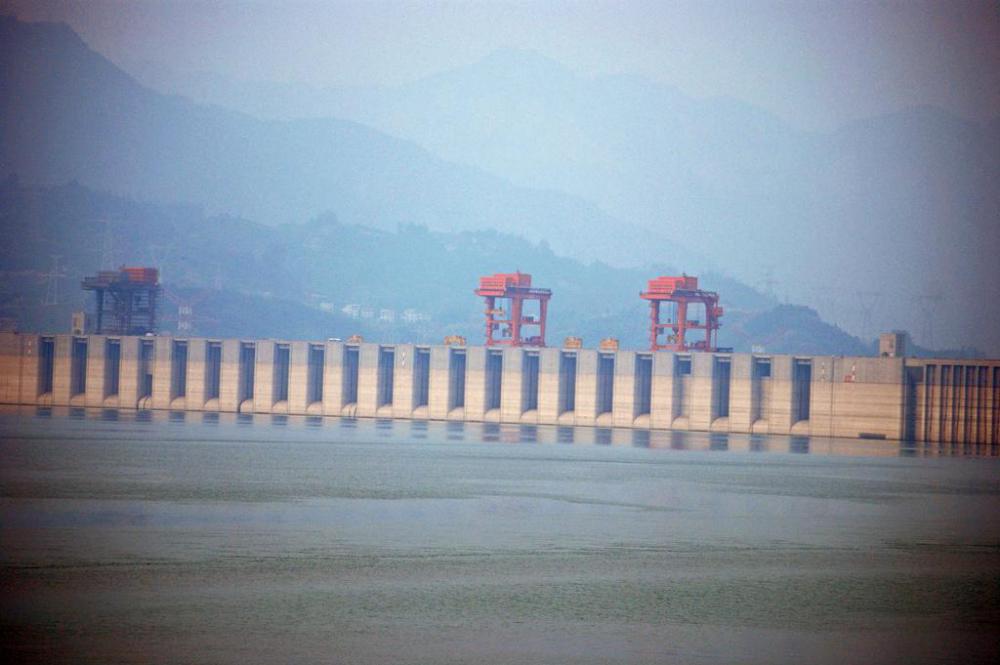
The main job of an ecologist is to perform research, and many prepare field studies based on concerns about the environment. For example, one may study the environmental impact, or consequences, of building a dam near a largely forested area. He or she would consider how this change in the environment would affect individual species of trees, plants and wildlife, as well as how the change would affect the ecosystem as a whole. The information gathered would then be typed up with a recommendation and presented to the government, local environmental organizations, and anyone else who may have a hand in building the dam.

Ecologists don't do all of their studies in the field. They typically read and analyze research by other ecologists, use computer simulations, and perform laboratory studies of animals and plants. These professionals use the data from their studies to create reports and to make recommendations. They also supervise and advise any actions that may change the environment, such as a new factory being built or turning a previously occupied area back into a habitat that will be suitable for wildlife.

A large part of being an ecologist is education, both for the individual and for the community. This person needs to be constantly learning, keeping up to date on current research and trends. Ecologists also spend a lot of time educating others, sometimes as teachers or university professors. Others work with the community, speaking at seminars and other events about the importance of preserving the Earth. They may also work as advisers, consultants or advocates, helping local companies or governments operate in a way that will not harm the environment.

Ecologists spend most of their time doing research, analyzing data and preparing reports. They also work within their communities, encouraging others to help them with their goal of protecting the environment. Some choose to specialize in a particular aspect of ecology, such as wetlands, tropical or even urban areas. There are dozens of different career possibilities that someone can pursue in this field, all with the main goal of conservation.
Margo Upson
Margo has a varied academic background, which has involved everything from psychology and culinary arts to criminal justice and education. These wide-ranging interests make her an ideal PracticalAdultInsights writer, as she always enjoys becoming an expert on new and unfamiliar topics.
Learn more...
Margo Upson
Margo has a varied academic background, which has involved everything from psychology and culinary arts to criminal justice and education. These wide-ranging interests make her an ideal PracticalAdultInsights writer, as she always enjoys becoming an expert on new and unfamiliar topics.
Learn more...AS FEATURED ON:
AS FEATURED ON:


-
![An ecologist may take water and mud samples as part of a wetlands study.]() By: FrankAn ecologist may take water and mud samples as part of a wetlands study.
By: FrankAn ecologist may take water and mud samples as part of a wetlands study. -
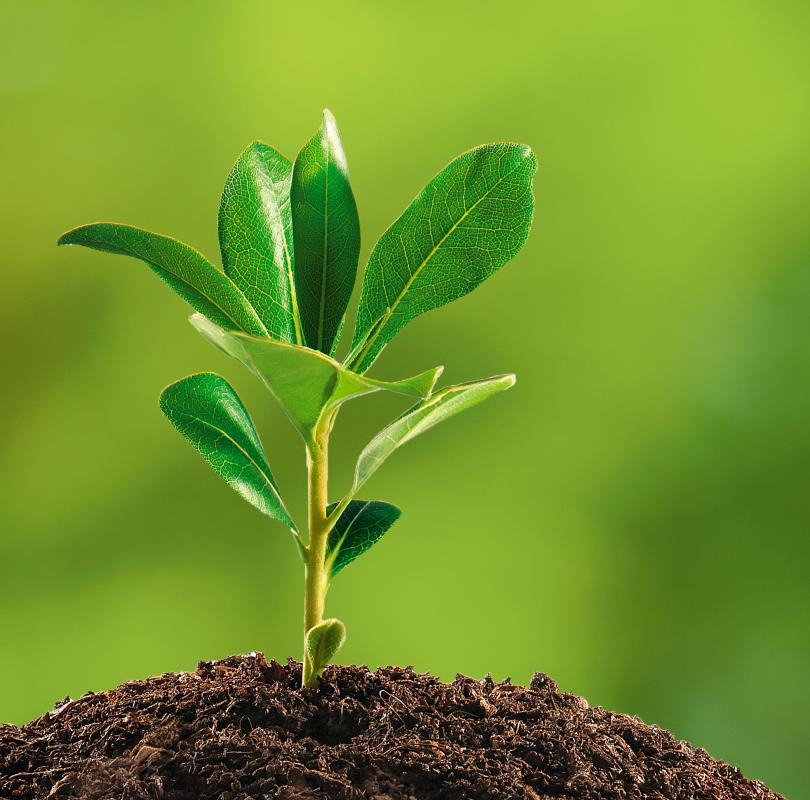
![An ecologist studies how organisms interact with the environment.]() By: ElenathewiseAn ecologist studies how organisms interact with the environment.
By: ElenathewiseAn ecologist studies how organisms interact with the environment. -
![An ecologist might study how building a dam would affect the surrounding environment.]() By: Harvey BarrisonAn ecologist might study how building a dam would affect the surrounding environment.
By: Harvey BarrisonAn ecologist might study how building a dam would affect the surrounding environment. -
![Ecologists may focus on plant, health, or behavioral ecology.]() By: eliaskordelakosEcologists may focus on plant, health, or behavioral ecology.
By: eliaskordelakosEcologists may focus on plant, health, or behavioral ecology. -
![Ecologists may examine the impact man-made items have on nature.]() By: m_dinlerEcologists may examine the impact man-made items have on nature.
By: m_dinlerEcologists may examine the impact man-made items have on nature.



Discussion Comments
What scientists are involved in repairing the land after there has been a mine there?
@mitchell14, Some environmental ecologists can be a little extreme, but as you say, it is often because they have researched certain things and learned what they are trying to teach others through that research. For example, if someone came up with really legitimate evidence that global climate change was not happening, many biologists and ecologists would probably be thrilled to hear it; until then, though, they work with what they have, which argues the opposite.
While some stereotypes of ecologists accuse them of being very politically charged, the fact is that many people pursue ecology because they love to learn about things, including environmental science. Often, politics is nowhere near the top priority, the search for more knowledge and understand is.
Post your comments