
At PracticalAdultInsights, we're committed to delivering accurate, trustworthy information. Our expert-authored content is rigorously fact-checked and sourced from credible authorities. Discover how we uphold the highest standards in providing you with reliable knowledge.
What Does a Park Naturalist Do?
A park naturalist is an individual who works at a state or national park, who provides educational programs to park visitors based on his or her extensive knowledge of the park. The park naturalist will understand not just the history of the park, but all of the flora and fauna found within it. It is not much of a stretch to expect a naturalist who has worked in a certain park for a number of years to be able to identify almost every single thing he or she sees, from different types of trees and birds, to various types of mosses and ground cover. She will then be able to share this information with park visitors.
The educational requirements of a park naturalist can vary. Many go to college to pursue degrees in environmental sciences or natural resource management; this is usually just a bachelor's degree, but some go on to get a master's degree depending on their career goals. Other naturalists do not have a college degree at all, and are simply self-taught, after years of studying their surrounding environments. Park naturalists typically start out with summer internships or summer employment, and then as they gain experience they might be able to become full-time staff members and offer educational programs even during the winter at other locations when visitors to the park are fewer.

One of the most common tasks of a park naturalist is to lead nature hikes or camping trips, and present outdoor programs at the park. On the hike, the naturalist will explain the surrounding flora and fauna, and why it is important to preserve it. He or she will also take questions from park visitors. The same types of information may be shared at educational programs. Naturalists often give these educational programs to people of all ages, so it is important for them to be able to communicate well with kids as well as adults.

In addition to educating the public about the nature to be found at the park, a naturalist is also an important part of a conservation or resource management team. Since he or she has such extensive knowledge about the park, the naturalist is able to offer advice regarding land management, and the best ways to mitigate damage. For instance, if the park wants to develop a new hiking trail, the park naturalist may be able to identify the areas where it wouldn't impact any sensitive ecological areas.
AS FEATURED ON:
AS FEATURED ON:


-
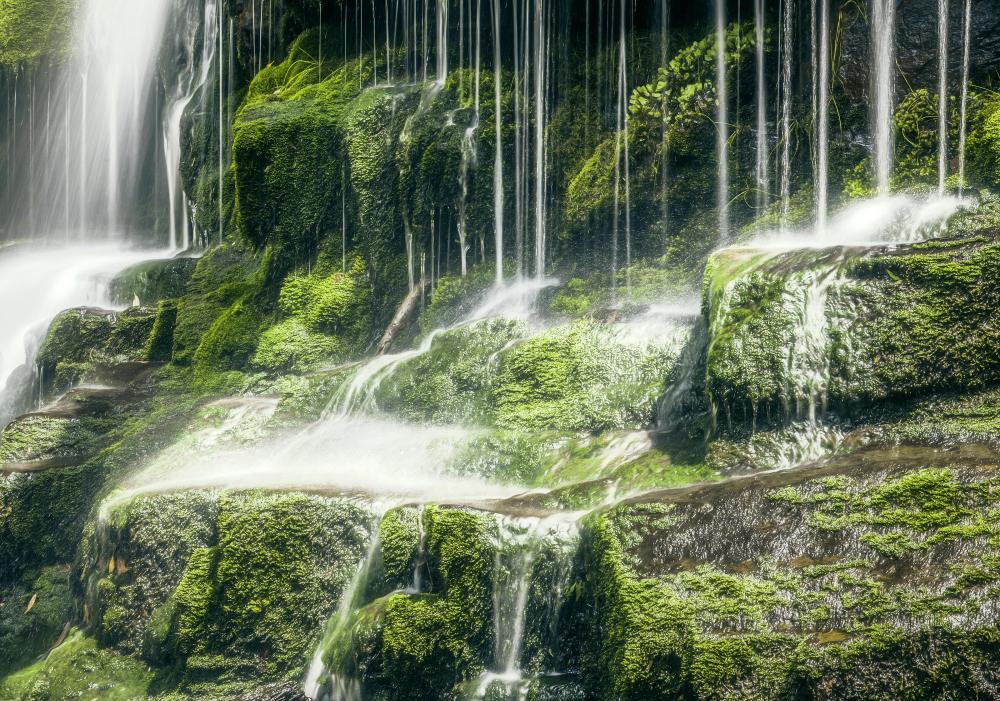
![A naturalist must know about the plants in a park, including the mosses.]() By: magannA naturalist must know about the plants in a park, including the mosses.
By: magannA naturalist must know about the plants in a park, including the mosses. -
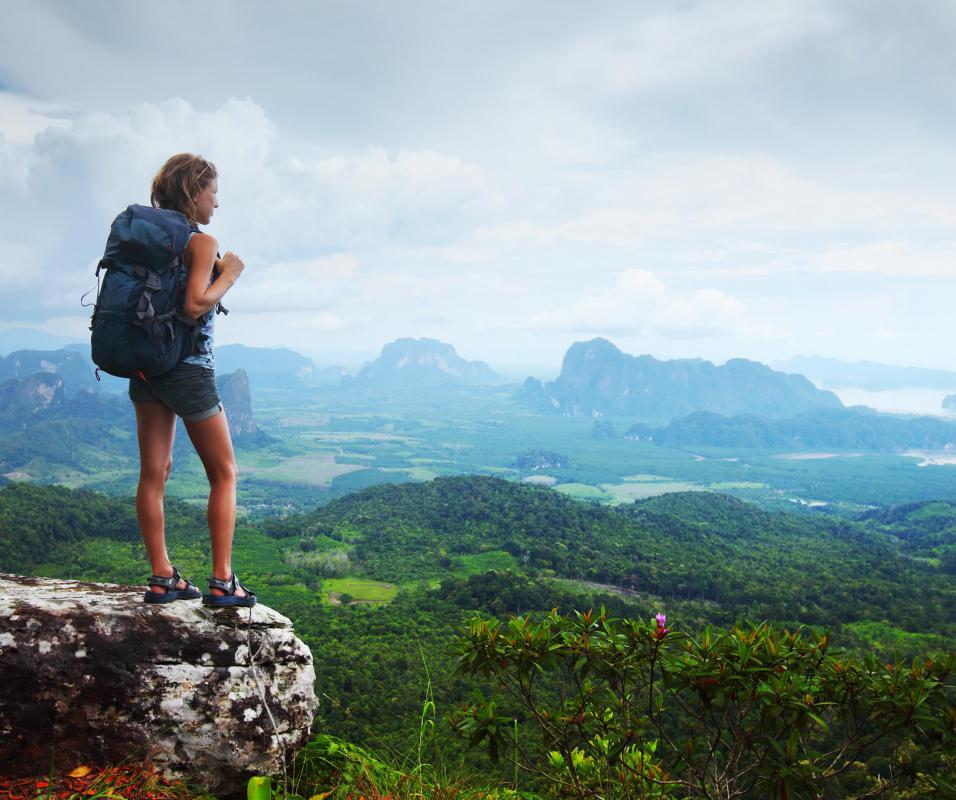
![Park naturalists may lead hikes through scenic areas.]() By: Dudarev MikhailPark naturalists may lead hikes through scenic areas.
By: Dudarev MikhailPark naturalists may lead hikes through scenic areas. -
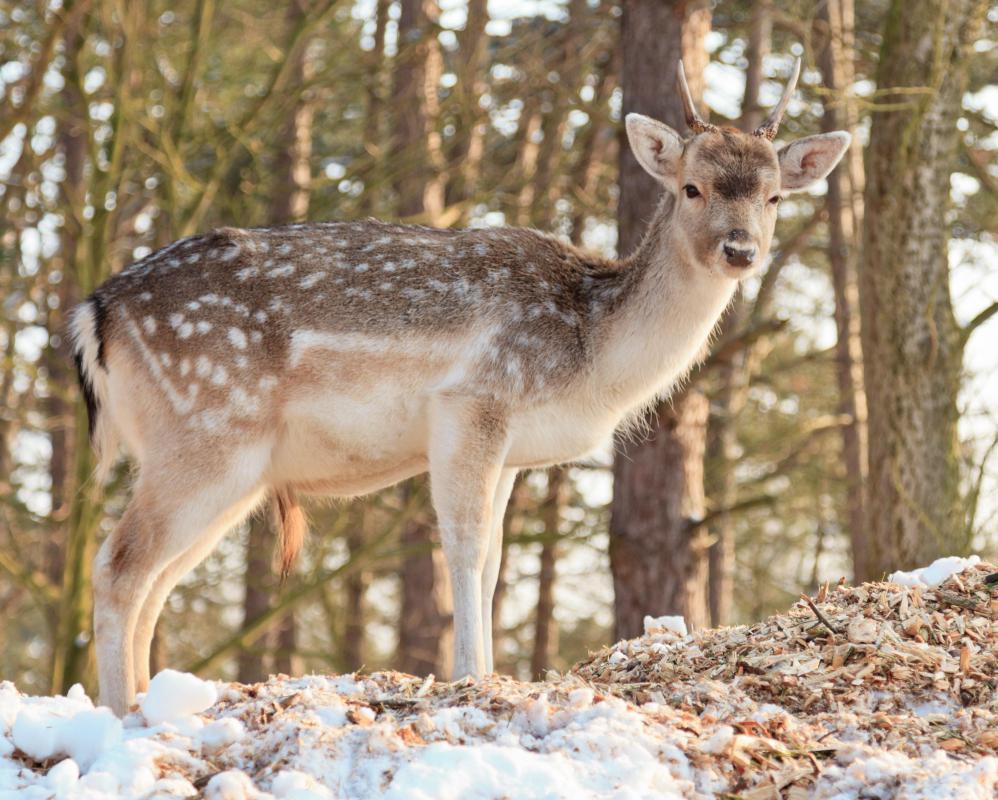
![Fauna may refer to the wildlife of a certain environment.]() By: ysbrandcosijnFauna may refer to the wildlife of a certain environment.
By: ysbrandcosijnFauna may refer to the wildlife of a certain environment. -
![Park naturalists often advise on conservation and natural resources management.]() By: frenk58Park naturalists often advise on conservation and natural resources management.
By: frenk58Park naturalists often advise on conservation and natural resources management.

Discussion Comments
Jobs for park naturalist are predicted to continue to increase over the next several years. As governments are forced to become more aware of how they interact with nature, they are hiring more people to help them with land-use management and conservation.
@mobilian33 - If you are dreaming of a job as a park naturalist or park ranger because you think you will be left alone with nature for 24 hours a day then you may want to rethink this profession. As the article says, this position requires that you share your knowledge with the public.
Often times people who are accustomed to public speaking, especially stage performers, make better park naturalist guides than people who have spent much more time in the wilderness. If you have the people skills then you can learn much of the other knowledge needed to be a ranger.
If you are lacking in people skills then you are going to have a difficult time fitting in and doing this job effectively. This being said, most park naturalist are working for one form of government or another. Federal government positions usually pay more than the positions offered by state and local governments, but job security and benefits are generally good.
Salary is also dependent on how much experience and education you have acquired. Some park naturalists work as conservative scientists and they are going to make considerably more than a beginner guide.
I like being in nature and away from people and all the activity that comes with a normal day-to-day routine. I think I should have been a park naturalist. The idea of communing with the animals and nature sounds great to me.
Does anyone know how much a park naturalist position offers in terms of salary and benefits, and is there job security with this profession?
Post your comments