
At PracticalAdultInsights, we're committed to delivering accurate, trustworthy information. Our expert-authored content is rigorously fact-checked and sourced from credible authorities. Discover how we uphold the highest standards in providing you with reliable knowledge.
What Does a Mortician Do?
A mortician, also known as a funeral director or embalmer, prepares a body for burial or cremation, helps families arrange funerals, oversees the funeral logistics, and completes any necessary paperwork, including preparing and filing the legal certificate of death. He or she may also write obituaries and arranging for them to run in a local newspaper. After burial services, morticians collect plants, flowers, and cards delivered at the funeral home to give to relatives of the deceased. They may also send a final packet with any keepsakes to the family.
Preparing a human body for ceremonial rites begins when a mortician arranges to assume possession of the body from the coroner or hospital morgue. The person first disinfects the body using a cleansing soap containing a germicide. Afterward, he or she drains all the blood from the blood vessels and all other fluids from the body cavity, reducing the risk of the corpse becoming a breeding ground for bacteria.

Blood vessels are then filled with embalming liquid, which preserves the condition of the body and delays decay and infection. Dyes are injected into the corpse to give it a healthy glow for when the body is displayed for viewings and open-casket funeral services. To ensure the deceased person looks presentable, morticians may have to reconstruct the body, especially if the death resulted from a disfiguring crash or deteriorating disease. This is one of the most important tasks because it enables family members to have one final look at the deceased; if it cannot be achieved, a closed-casket funeral might be necessary. For final body preparations, they use cosmetics, wigs, and burial clothing approved by the family to put the final touches on the corpse before it can be presented for public viewing.

A mortician provides comfort and guidance to relatives of the deceased as they plan for cremations or burials. If a cremation is selected, he or she will help arrange the date, order an urn, and arrange for the ashes to be sent to the family after cremation for safekeeping. Alternately, the funeral director can help the family purchase storage services for the urn at a crematorium. In the case of a burial, this person helps the clients select a casket and arranges for them to consult with a cemetery to select a grave location.

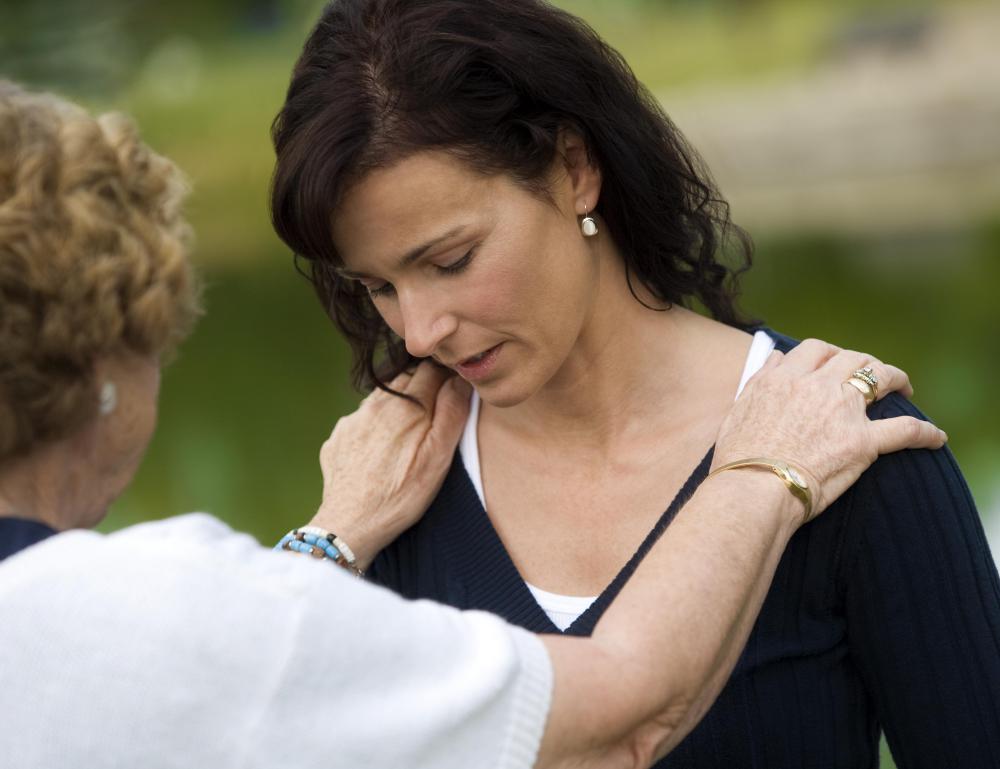
For either scenario, the mortician helps plans details of funeral services. This can include arranging the music and minister, as well as memorial photographs and slideshows. It also includes the arrangement of transportation of the casket and the immediate family to and from services. When a decedent has been part of the military, a fraternity, sorority, or social group like the Masons, the funeral director may coordinate special tribute services with cooperation and participation from such groups. While it is not a part of the explicit job description, this person acts as an impromptu grief counselor when families are overwhelmed with sorrow as they attempt to make final arrangements.
AS FEATURED ON:
AS FEATURED ON:


-
![A mortician will often provide guidance to those who have lost a loved one, and help with the many tasks necessary for a funeral.]() By: KzenonA mortician will often provide guidance to those who have lost a loved one, and help with the many tasks necessary for a funeral.
By: KzenonA mortician will often provide guidance to those who have lost a loved one, and help with the many tasks necessary for a funeral. -
![A mortician may help prepare a body for burial.]() By: ufotA mortician may help prepare a body for burial.
By: ufotA mortician may help prepare a body for burial. -
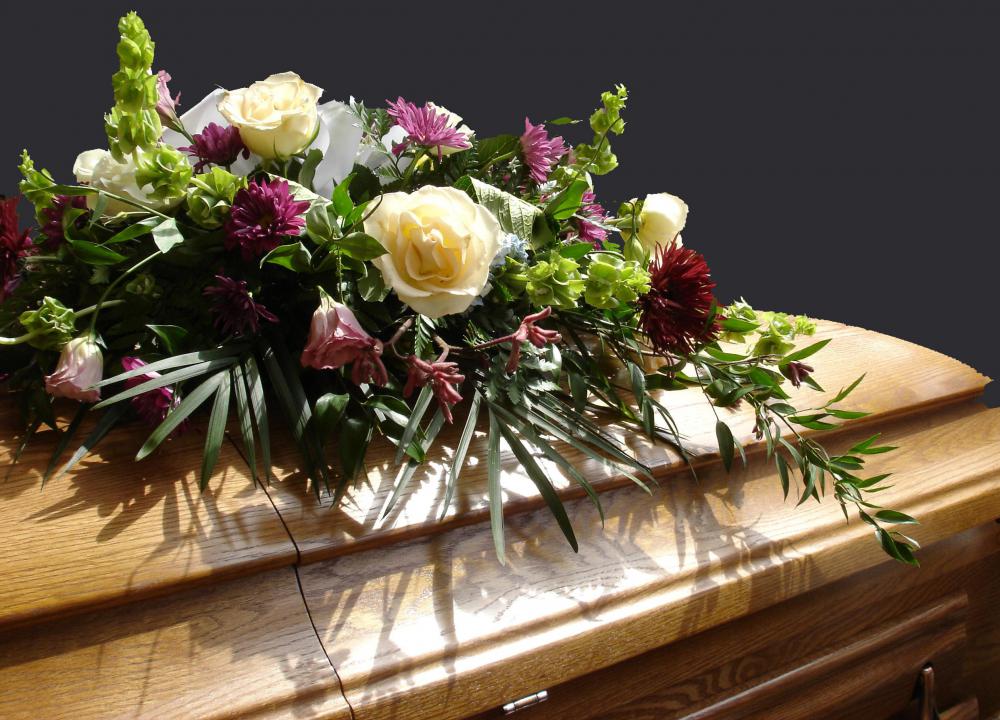
![A closed casket funeral is done if a mortician cannot reconstruct the body.]() By: Mary StarkA closed casket funeral is done if a mortician cannot reconstruct the body.
By: Mary StarkA closed casket funeral is done if a mortician cannot reconstruct the body. -
![A mortician may serve as an impromptu grief counselor.]() By: Vibe ImagesA mortician may serve as an impromptu grief counselor.
By: Vibe ImagesA mortician may serve as an impromptu grief counselor. -
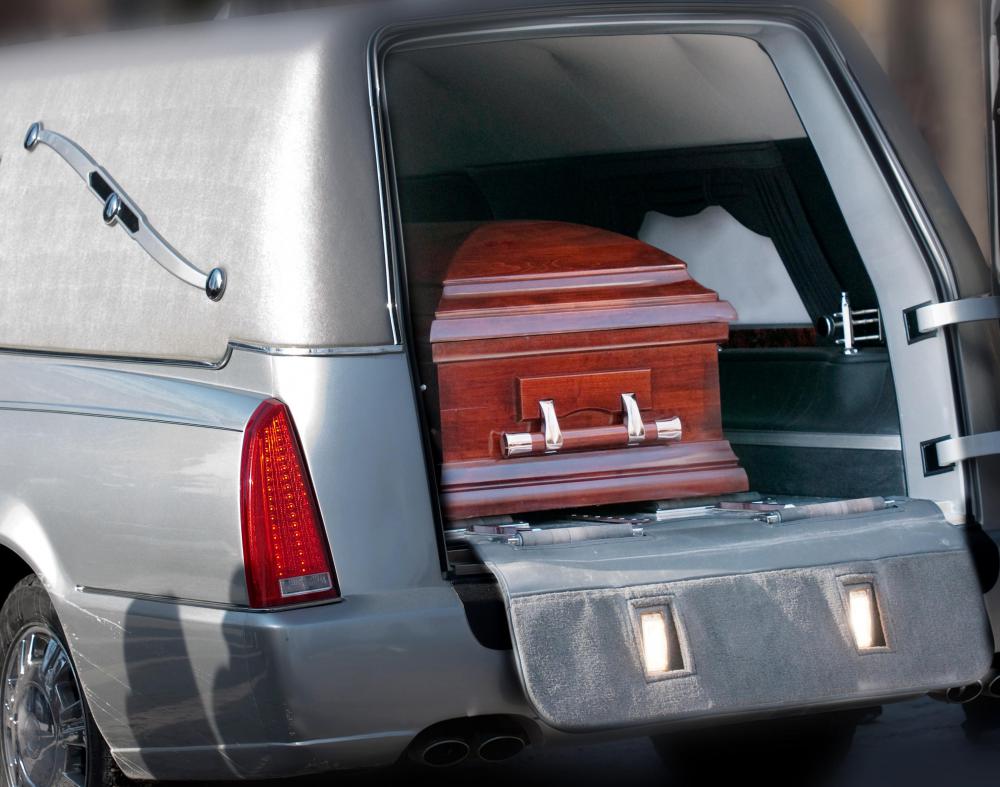
![A mortician might help arrange funeral transportation.]() By: mario beauregardA mortician might help arrange funeral transportation.
By: mario beauregardA mortician might help arrange funeral transportation.


Discussion Comments
For those curious, getting into this kind of occupation does require a lot of medical knowledge. When looking at the actual program, biology is a must, so keep those science grades high!
I think it would be an amazing job to have, not only having the work with a persons body. but also comforting the family, I want to be a mortician myself. Death and that kind of stuff interest me. I always wonder about it. hopefully someday I can.
Wow I am so going to be a mortician this job is so cool! I think that my favorite part would be draining the blood! And I would also like the part when you get to help the family get though the death and let them choose what's right for their loved ones.
I'm also a high school student wanting to be a mortician and it doesn't sound complicated at all.
I'm honestly not shocked by this. I'm a high school student and I plan on going to a mortuary science school and becoming a mortician. It's something that my family has passed down and it shows exactly who a person is on the inside. We own a cemetery, mortuary, and a couple of funeral homes.
After reading about a mortician's job description, I'm convinced that this is one of the hardest and most demanding jobs a person can have. Isn't all this just too much to handle by one person?
I understand one person taking care of embalming and other details of the body, but the mortician is also managing all the planning and funeral issues which sounds like too much work. And considering that people die suddenly, morticians must be swamped.
Why don't morticians just work on the body and someone else deal with the organizational bit?
My dad is a retired mortician, or "funeral director" as he likes to be called. Whether I like it or not, I've come to learn a lot about what he does through the years. I've never actually watched him on the job (too morbid for me) but he does talk about this stuff from time to time.
I think the article covered pretty much everything. A few other things I recollect from my dad's conversations is the shaving, the shutting of eyelids and the mouth, and the washing and styling of hair.
By the way, embalming isn't always done. There is no such rule, it depends on what the family wants so there may be cases where it's not done.
I knew that morticians clean the corpse, dress it and apply makeup and so forth. But I had no idea that it involved things like draining blood and injecting stuff into the blood vessels! This is a much harder job then I imagined.
So I guess a mortician has to have some medical knowledge as well right? Do they teach these things to them at mortician school?
Post your comments