
At WiseGEEK, we're committed to delivering accurate, trustworthy information. Our expert-authored content is rigorously fact-checked and sourced from credible authorities. Discover how we uphold the highest standards in providing you with reliable knowledge.
What Does a Makeup Artist Do?
A makeup artist is a professional who specializes in the application of makeup. This can include special uses such as theatrical and effects makeup as well as more standard cosmetics. Makeup artists must understand a wide body of knowledge, including color, skin tones, lighting and, often, how the results will appear on film or video. A highly skilled makeup artist can win recognition and acclaim, like the best artists in any field. Face painting and hair styling are separate disciplines from makeup, but they are sometimes grouped together, and makeup artists might have skills in these fields as well.
The art of applying makeup is a skill that many women in the Western world learn in their teens or even earlier. Properly applied, cosmetics can disguise blemishes and accentuate desirable features without their presence being readily apparent. Most women learn how to apply makeup only to their own faces; the professional makeup artist, male or female, applies makeup to others on a full-time basis. The job can require long hours and early mornings, because it often involves preparation for elaborate shoots or presentations. Even the simple, unobtrusive makeup used for weddings, modeling jobs and fashion design can take hours to apply properly.

Theatrical makeup is a separate discipline that requires specialized training. The theatrical makeup artist prepares performers for appearances on film, television or the stage. Each medium has its own requirements, and makeup artists must know how to prepare for all of them. For example, makeup that is adequate for a stage drama might be too obvious in a film, where actors’ faces are often shot in close-up views. The advent of high-definition films and television has increased the challenges for makeup artists, because the makeup must be subtler still.

Effects makeup takes theatrical makeup to its extremes. Performers might be made to appear older, disguised or transformed into another species entirely. Latex appliances can change the shape of a face, then can be blended with the skin to look natural. Special appliances called prosthetics can alter the body further, for example, changing someone into a robot or a zombie. Even with modern digital technology, these traditional makeup effects, called practical effects or “practicals,” are still common.

A makeup artist might also be required in less common situations. Large churches with televised services might employ professional makeup artists. Morticians learn a version of the skill to prepare bodies for presentation at funerals. Trade shows and civic centers might have makeup artists on staff or freelancers on call; other venues that use makeup artists include theme parks, cruise ships and specialty restaurants. Top artists in this field can be recognized with Oscars and other entertainment industry awards.
AS FEATURED ON:
AS FEATURED ON:









-
![Makeup.]() By: adisaMakeup.
By: adisaMakeup. -
![A makeup artist applies mascara to a client's eyelashes.]() By: haveseenA makeup artist applies mascara to a client's eyelashes.
By: haveseenA makeup artist applies mascara to a client's eyelashes. -
![A makeup artist applies blush to a woman's face.]() By: Viktor PravdicaA makeup artist applies blush to a woman's face.
By: Viktor PravdicaA makeup artist applies blush to a woman's face. -
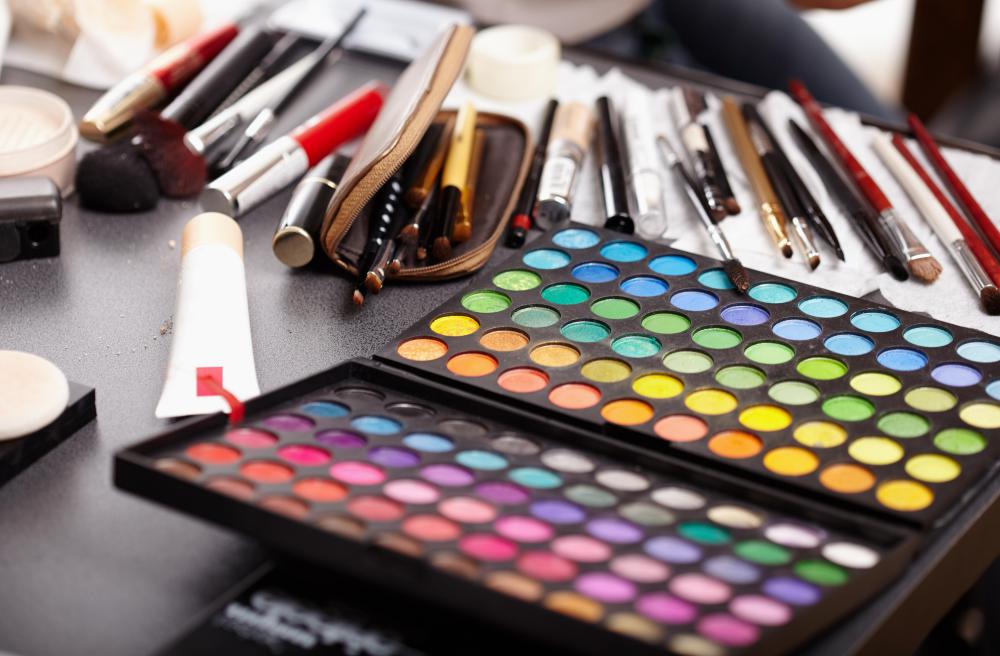
![A good makeup artist should have an array of eyeshadow colors.]() By: xalanxA good makeup artist should have an array of eyeshadow colors.
By: xalanxA good makeup artist should have an array of eyeshadow colors. -
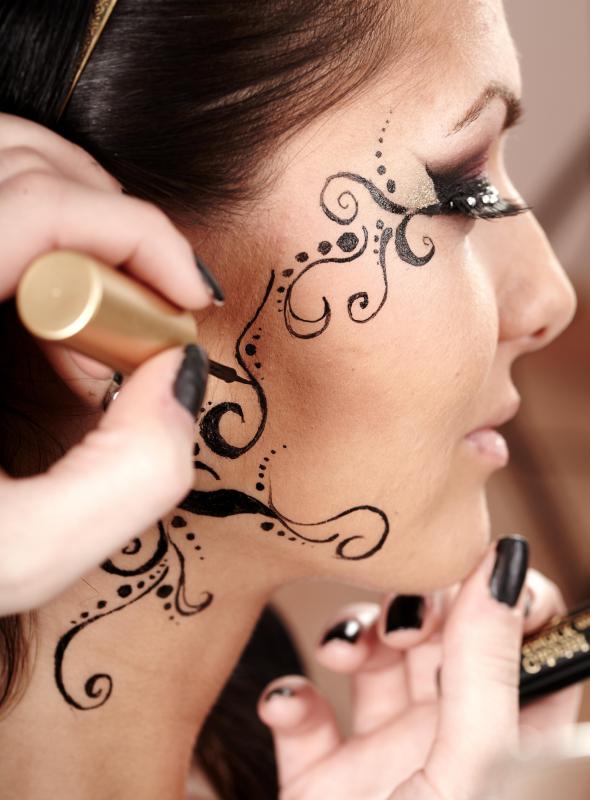
![Some makeup artists may be skilled at face painting.]() By: xalanxSome makeup artists may be skilled at face painting.
By: xalanxSome makeup artists may be skilled at face painting.


Discussion Comments
@croydon - Film makeup artists and even wedding makeup artists are fairly specialized though. You can definitely go to a salon and get a makeover in about 15 minutes if you don't want all that special face contouring stuff.
I don't do it very often because it tends to make my skin break out, but I've got friends who go almost every week whenever they are planning on a night out. I suspect it's also because makeup artist cosmetics are better than the ones they have at home.
@bythewell - It's the time that is the deal breaker for me. I'm sure a makeup artist earns their salary with skill and so forth, but even if I could afford to pay one I wouldn't want to give up hours of my day in order to have it done.
There's a reason that actors often have to get up at 4 in the morning and get on set, even if they are just playing an ordinary character. Even the men need to have at least an hour's worth of makeup.
Now, I can see spending that time on makeup if I'm going to have a lot of people looking at me and taking my picture, for example at a wedding, but on the average day I'd rather have a sleep-in and an extra cup of coffee, thanks.
If you want to know what a huge difference makeup can make if the person applying it has the right skills, just look for before and after photos online. In a lot of cases I wouldn't even recognize the person in the after photo as being the same person.
It's not just a matter of putting a bit of mascara and eyeshadow on, a makeup artist is going to be completely contouring the face to make it look like it's got angles and curves in the ideal places. They can make your eyes look bigger and your skin look close to perfect. Celebrity makeup artists are the best of the best and they are the reason that celebrities always look so beautiful and glamorous.
But they could do almost the same thing for the average person as well. The average person just can't afford the time or the money that it would take.
Post your comments