
At PracticalAdultInsights, we're committed to delivering accurate, trustworthy information. Our expert-authored content is rigorously fact-checked and sourced from credible authorities. Discover how we uphold the highest standards in providing you with reliable knowledge.
What does a Gynecologist do?
 Tricia Christensen
Tricia Christensen
Tricia Christensen
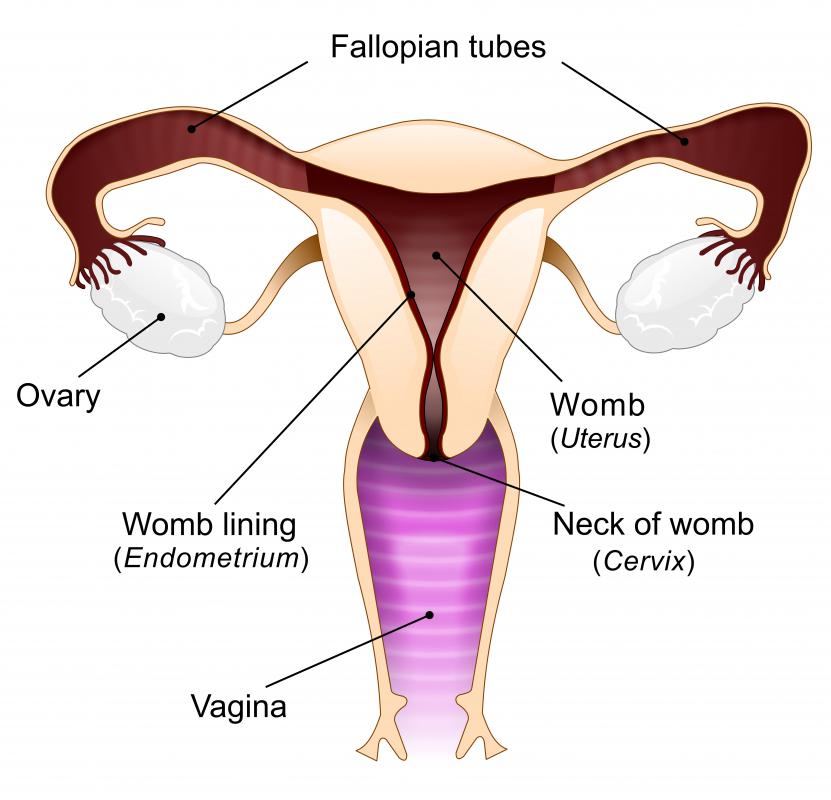
The main job of any gynecologist is to perform medical exams of women’s reproductive organs, looking out for abnormalities and possible problems and ensuring overall wellness. Gynecologists are medical experts who are specially trained in women’s health. They typically perform routine “well woman” exams and treat any range of conditions or problems that involve the female reproductive system. Many also have expertise is obstetrics, which involves the care of pregnant women and growing fetuses. Women who seek abortions usually also consult gynecologists with obstetric training.
Basic Expertise and Duties

Most medical systems around the world recommend that women of childbearing age visit a gynecologist once a year for what is known as a “well woman” exam. The practitioner will use this exam to take a look at how a woman’s body is maintaining its reproductive capabilities, and to address any problems before they become major issues.
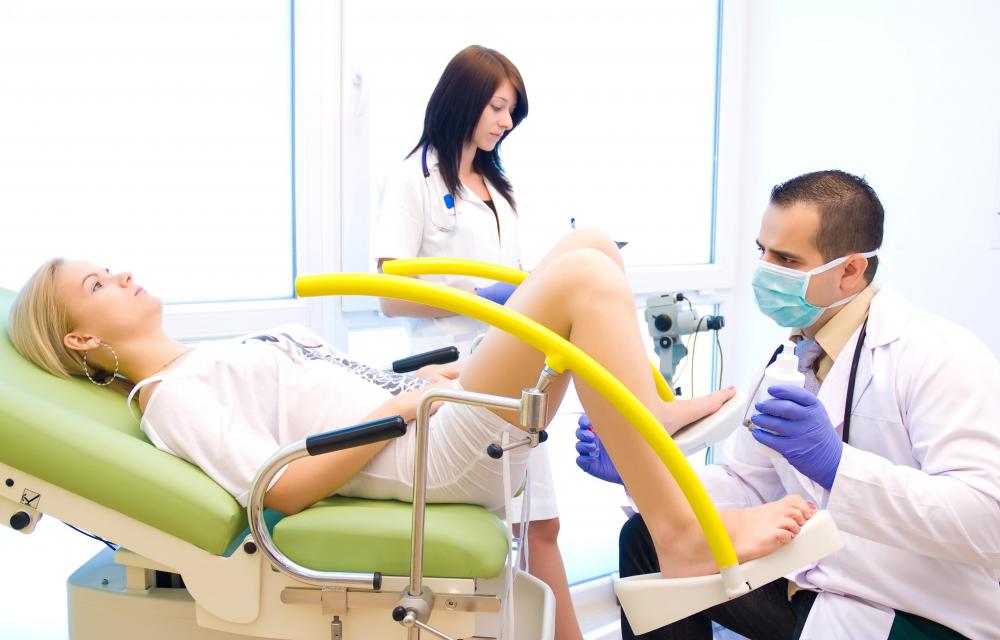
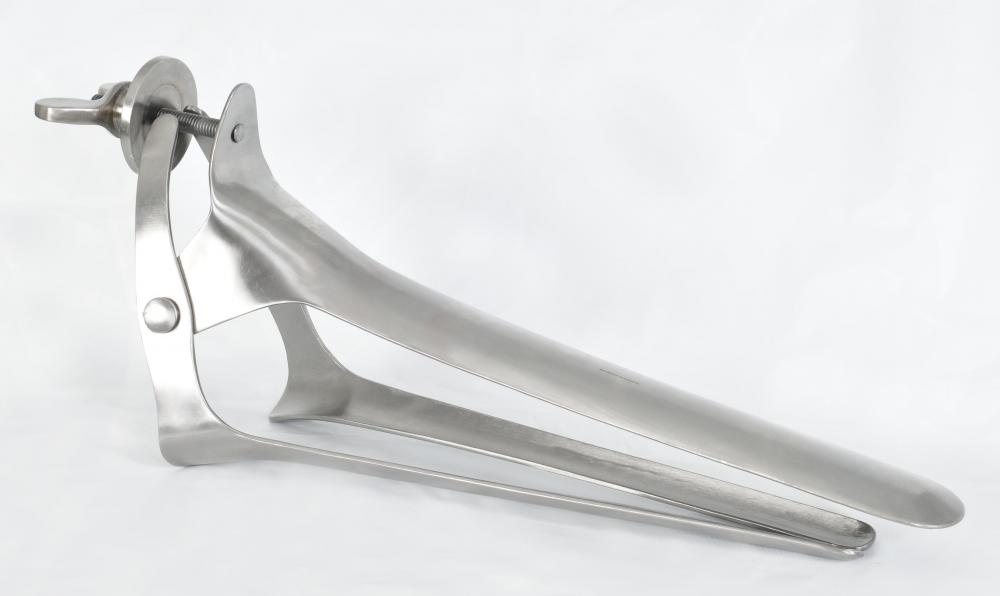
The practitioner will typically focus his or her energy on the vagina, the uterus, and the ovaries. Patients typically undress from the waist down, allowing the expert to examine the organs first from the outside, then internally as well. Gynecologists typically use a device known as a “speculum” to open the woman’s reproductive cavity and collect a small number of cell samples that can be sent off for testing to detect conditions like cervical cancer or sexually transmitted diseases. It is also common for the examiner to insert a few fingers into the woman’s body to manually feel for abnormalities.

Breast exams sometimes also come within the scope of a gynecologist’s expertise. He or she may gently palpate the surface of the breast to look for unusual lumps that may indicate breast cancer. The practitioner will usually also teach the patient how to do these sorts of exams for herself.
Patient Education
A certain amount of patient counseling typically also comes within the job description. Practitioners will talk with women about safe sexual practices, for instance, and will provide overviews of available contraception. This sort of physician is usually authorized to prescribe birth control pills and administer contraceptive injections after discussing the pros and cons with the patient.
Treatment of Particular Conditions

Gynecologists are also in charge of treating a range of known issues or problems that involve the female reproductive system. Urinary tract infections, heavy or painful menstrual periods, and internal cysts and growths are just a few examples. Basically, any issue a woman has with this part of her body, be it simple discomfort or actual disease, is referred to gynecological experts for treatment and, hopefully, a cure.
Overlap With Obstetrics

Women who are pregnant or are trying to become pregnant often have a special set of issues best dealt with by medical professionals trained in the ins and outs of fertility. In nearly all cases, these experts are gynecologists, but they usually also have additional training in a field known as obstetrics. The common acronym OB/GYN is used for a gynecologist with this extra expertise.

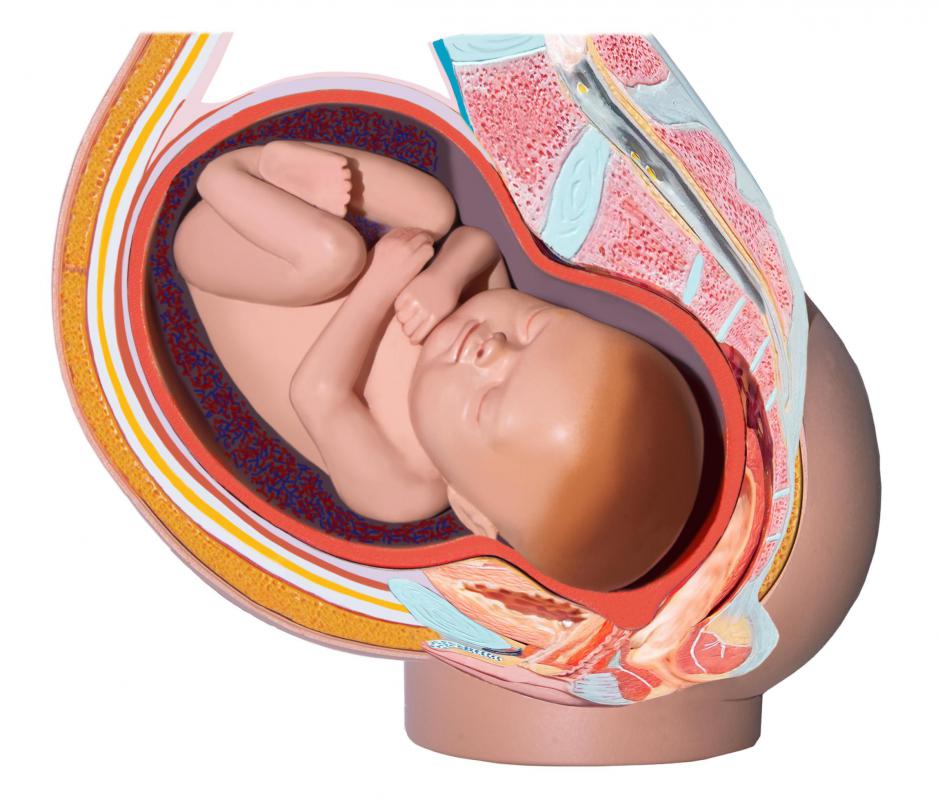
People with obstetric knowledge are experts in all things pregnancy and baby related. They are the ones who help women conceive, and they also monitor ongoing pregnancies to make sure that both mom and baby are growing and developing properly. This often involves the prescription of certain vitamins and diet recommendations alongside more hands-on care like regular exams, heart rate measurements, and birth training.
Obstetric-Specific Tasks

Most obstetrics practitioners are trained to intervene in any number of ways with a pregnancy. They can halt premature labor, for instance, as well as induce it for women who need it. In places where abortion is legal, obstetricians are usually the people to perform these procedures as well.
Obstetricians will typically also assist with the delivery of new babies. They will instruct the mother about what to do and will help her manage the pain associated with childbirth. When needed, they may also intervene in the actual birth if there are complications, and they are usually trained in emergency surgical procedures, like caesarian sections. Treating the mother and baby immediately after birth usually also falls to this expert. He or she will carefully monitor new moms for complications both medical and emotional, and will recommend care and treatment as needed.
Hours and Availability

Gynecologists can work in a wide variety of settings, which greatly affects their schedules and required availability. Those who work as obstetricians delivering babies typically have the most unpredictable schedules, as they must generally be on-call day and night and ready to act whenever their patients go into labor. Specialists on staff with hospitals often have similar situations, as medical care in these settings often never stops. Experts are typically assigned to shifts to minimize disruptions, but these shifts often have irregular hours.

Medical professionals in private practices or devoted clinics are usually in the best position to set their own schedules. These practitioners often have set appointment and exam times, and will usually only break their hours in case of a true emergency.
Required Training and Certification
Becoming a gynecologist is usually a time-intensive endeavor. The requirements vary from country to country, but most of the time, candidates must attend medical school after completing an undergraduate course of study with an emphasis on the sciences. After the basic medical program is complete, students must take on additional training to specialize in women’s health. A few additional years are often required for those who want to practice as obstetricians.
Formal training is often just the beginning. Practitioners must usually also pass a series of board exams and licensing tests in order to begin seeing and treating patients. Different countries and localities have different rules for exactly what is required, but a lot of time and effort is usually involved in staying current with the legal requirements. Most of the time, practitioners must constantly recertify, whether by sitting for more exams or attending educational conferences at regular intervals. The practice of reproductive medicine tends to change with new developments and breakthroughs, and it is important that all professionals stay current and up-to-date.
Tricia Christensen
Tricia has a Literature degree from Sonoma State University and has been a frequent PracticalAdultInsights contributor for many years. She is especially passionate about reading and writing, although her other interests include medicine, art, film, history, politics, ethics, and religion. Tricia lives in Northern California and is currently working on her first novel.
Learn more...
Tricia Christensen
Tricia has a Literature degree from Sonoma State University and has been a frequent PracticalAdultInsights contributor for many years. She is especially passionate about reading and writing, although her other interests include medicine, art, film, history, politics, ethics, and religion. Tricia lives in Northern California and is currently working on her first novel.
Learn more...AS FEATURED ON:
AS FEATURED ON:


-
![Gynecologists specialize in issues concerning the female reproductive system.]() By: isysteGynecologists specialize in issues concerning the female reproductive system.
By: isysteGynecologists specialize in issues concerning the female reproductive system. -
![A gynecologist may prescribe birth control pills.]() By: Jacob KearnsA gynecologist may prescribe birth control pills.
By: Jacob KearnsA gynecologist may prescribe birth control pills. -
![A gynecology exam typically includes a clinical breast exam to check for lumps or abnormalities.]() By: JPC-PRODA gynecology exam typically includes a clinical breast exam to check for lumps or abnormalities.
By: JPC-PRODA gynecology exam typically includes a clinical breast exam to check for lumps or abnormalities. -
![A gynecologist specializing in obstetrics will monitor a growing fetus.]() By: Oleksandr BondarA gynecologist specializing in obstetrics will monitor a growing fetus.
By: Oleksandr BondarA gynecologist specializing in obstetrics will monitor a growing fetus. -
![Gynecologists perform medical exams of women's reproductive organs.]() By: Zsolnai GergelyGynecologists perform medical exams of women's reproductive organs.
By: Zsolnai GergelyGynecologists perform medical exams of women's reproductive organs. -
![An OB/GYN specializes in both obstretrics and gynecology.]() By: JackFAn OB/GYN specializes in both obstretrics and gynecology.
By: JackFAn OB/GYN specializes in both obstretrics and gynecology. -
![During a pelvic exam, a speculum is used by gynecologists to gain access to the patient's vaginal canal.]() By: Stefan GräfDuring a pelvic exam, a speculum is used by gynecologists to gain access to the patient's vaginal canal.
By: Stefan GräfDuring a pelvic exam, a speculum is used by gynecologists to gain access to the patient's vaginal canal. -
![Gynecologists are medical doctors who specifically see women to help diagnose and treat a variety of health-related issues, including fertility, cancer and incontinence.]() By: endostockGynecologists are medical doctors who specifically see women to help diagnose and treat a variety of health-related issues, including fertility, cancer and incontinence.
By: endostockGynecologists are medical doctors who specifically see women to help diagnose and treat a variety of health-related issues, including fertility, cancer and incontinence.




Discussion Comments
Find a doctor that is interested in all of your parts, not what is just between your legs and on your chest!
I'm scared of going to the gynecologist for the first time. I am 11 and I still haven't got my period.
I want to become an ob/gynecologist but am afraid to be involved in any kind of abortion and also operations. Can I stand cutting a human being's body in the name of surgery? This I always ask myself, but I have always wished and dreamed of taking care of pregnant women but I don't know if I can do that. I need advice, please.
I have a pain and am nine weeks pregnant. I have lost my desire for sex. What might be the cause of that?
If you are 16, is a gynecologist sworn to secrecy? Or do they tell your parents if you have lost your virginity, etc.?
How many surgeries, on average, does a gynecologist perform per year?
Gynecologists are medical practitioners focused on women's reproductive systems. Just like any other doctors, they are well rounded, not only focusing on pregnancy related factors, but also on fertility, healthy lifestyle, etc. When choosing a GP, it should be someone you are comfortable with. Visiting a GP should be done regularly to check on any possible illness you may not know about.
I am going to see a gyno late this year. I have been on the rod and the injections for over three years now. I am currently on injections. I have been getting heavy, clotty periods for the majority of the time.
Basically, there is not a week's break where I have a break from my period. I am just wondering if I can make this change as it gets to me as I am spending a lot on tampons.
Also, my partner and I don't have much of a sex life due to this. Is there a chance I could be like this for the rest of my life? Thanks in advance!
I decided to become a gynecologist in eighth grade and now I'm in grade nine. I can talk about sex and other things, but I'm trying my best to get a good OP. Plus, I really don't want to muck up surgeries.
I'm only going into seventh grade but I already want to be an ob/gyn. I'm fine with talking about menopause and other things with women but the problem is that I'm not sure how good I'd be at doing surgeries because I'm scared to cut into a human being. I know that I can get over that fear but I don't know how. Any suggestions?
I'm 50 years old. I recently went to my doctor for my annual pap smear and the doctor said I had a cyst. One month later, he said it was gone and I was O.K.. Upon leaving the doctor's office, the nurse asked if he ordered an STS. My question is: What is an STS?
I have not had menstruation in about five years, and I really want to have a child, but my doctor said I cannot bear a child. What I want to ask is do you think there can still be a chance for me somewhere to get pregnant?
The gynecologists are really doing great jobs and when it comes to dealing with the reproductive systems of women, as everyone knows, it's not easy, but the gynecologist people really work hard and at the end of the day, most of them are successful.
No. A woman has no need to see a gynecologist unless she has symptoms. Pelvic exams and paps are money makers, that's all.
I'm so excited to go to medical school. i want to be a gynecologist or a obgyn or an oncologist. I'm only in sixth grade and I'm ready to go for eight or more years of college!
i am so exited about being a gynecologist. i am pretty sure where I'm heading now, down the road of gyno success and I'm only in the ninth grade and i have already planned for my gynecologist school. it's going to be phenomenal.
I am sooo ready to go to medical school and study gynecology and become an obstetrician and set my goals. i am ready! i am only in the eight grade and already excited! This website gave me a lot of information and I'm really proud!
i was looking for being a foreign relief worker to but i can't find any information. me and my friends are going to medical school and we're going to be the greatest girls ever. I've go to let go of my fears and go for it! My name is Keonna.
Men have just as many issues that require investigation but there are no specialists in men's health. Go to someone who is interested in your overall health - not what is on your chest or between your legs.
The USA is the only country where women go to gynecologists for yearly pelvic exams. There is no reason to go the the gynecologist if you are asymptomatic. American gynecologists are perverts.
you should go to a gynecologist for a complete exam. he is a specialist and much more expert than a regular gp.
My GP always does my gyno exam each year, at the same time that he does my yearly physical. I frequently consider going to a separate gynecologist who might be more familiar with - and thus better able to recognize - any problems, but it seems easier just to stick with my GP. Are there good reasons for a healthy woman to see a doctor who just does gynecology?
Post your comments