
At PracticalAdultInsights, we're committed to delivering accurate, trustworthy information. Our expert-authored content is rigorously fact-checked and sourced from credible authorities. Discover how we uphold the highest standards in providing you with reliable knowledge.
What does a Forensic Psychologist do?
 Margo Upson
Margo Upson
Margo Upson
A forensic psychologist, also sometimes called a criminal psychologist, is someone who studies the actions and motivations of people who have broken the law. Sometimes these professionals work directly with criminals to help rehabilitate them or help them identify patterns in their own behavior. Other times, they are members of law enforcement teams who use their knowledge to help identify or interrogate suspects. There are also jobs within the legal system, working with lawyers and judges to build up cases and provide expert testimony. Research, teaching, and community outreach can also come within a forensic psychologist’s job description. There are many different options, and as a result much of what a person with this training does is up to his or her own individual passions and interests.
Profiling

Many of the most well-known criminal psychologists got their start profiling criminals — basically studying crime scenes for clues left by the perpetrator, then piecing together who he or she was and, often more importantly, why he or she committed the crime in question. This information is often invaluable to police and others looking to make an arrest. Profiling is what comes to mind for most people when they think of forensic psychology, and the ability to create a profile is a big part of this career for many people. In most cases it represents only one aspect of the job, however.
Jobs in Law Enforcement

Police often work closely with psychologists both to apprehend criminals and to get advice when it comes to interrogating and understanding them. A psychologist can help detectives anticipate how someone like a serial killer thinks, for instance, and can identify future targets and victims; he or she may also be able to help figure out how to question suspects so that they either make confessions or divulge needed information.

It is common for professionals in this capacity to start out as police officers, or at least spend some time working as investigators or detectives. This sort of experience gives them an understanding of how criminals operate on a day-to-day level as well as an appreciation for police protocol when it comes to evidence collection, questioning, and any filing and paperwork requirements.
Consultation Positions

A psychologist with a forensics background can often find plenty of work as a consultant, offering services to law enforcement on a case-by-case basis. This is particularly appealing to professionals who have expertise in specific areas. Someone who works a lot with youth offenders, for instance, might be called in to work on cases involving teen gangs or minors accused of serious crimes like murder. In these instances, the consulting psychologist could brief investigating officers about the state of mind of the suspects, victims, or both, and help the investigation team get the information they need to understand the situation.

Consulting work allows maximum flexibility, and in many ways ensures that the psychologist will only be working on cases that are within his or her realm of expertise. Getting to this point can be challenging, though, and often requires a strong reputation and a lot of experience. People who end up in these roles typically work to build a name for themselves through other, broader work over time.
Role Within the Justice System
The work that these professionals do is very important to the criminal justice system, as their analysis can often help explain why crimes were committed, or at the very least shed some light on the state of mind of the perpetrator. As a result, they are frequently called to testify as expert witnesses in trials. Lawyers who frequently work with criminals sometimes also hire mental health specialists to help build cases. Psychologists in these settings can prepare witnesses for cross-examination and can help anticipate certain lines of questioning.
Rehabilitation Work
People with expertise in the criminal mind can also frequently find work in prisons, half-way houses, and juvenile detention facilities. Here they are often able to work with convicts directly, helping to counsel and rehabilitate them. Sometimes the goal is reintegration into mainstream society, but it may also be more therapeutic, helping criminals come to terms with their pasts.
Counseling
Particularly violent or disturbing crimes often leave victims and their families stunned, confused, or disoriented. Psychologists with criminal expertise sometimes build careers around helping these people accept and process the things they have seen or the people they have lost. While this work can sometimes be done by other professionals with more standard trauma training, those with expertise in crimes and the criminal mind are often able to provide more comfort and insight.
Jobs in Education and Academia
There are also a great many criminal psychologists who work as teachers and mentors. Many of the best college and university professors in this area have spent at least a few years working in the field, and in many cases this real-world experience makes them more valuable to their students. Teaching doesn’t have to be so formal, though. Forensic psychologists often partner with community outreach centers, public schools, and other similar institutions to provide general education to schoolteachers and leaders.
Importance of Research
Despite the interpersonal nature of this career, a person need not work directly with others. Many of the most important breakthroughs are made by researchers and professional analysts. These people work directly with criminals, but usually only in an academic capacity. Their goal is to discover trends, identify patterns, or make new discoveries, then publish their findings in scholarly journals. Many university professors conduct research, but in some cases it is also possible to make analysis a full-time job. The patterns and trends these professionals unearth in many ways shape the thinking of the people working in most every other sector.
Breaking Into the Field
Getting started with a career in forensic psychology almost always starts with education. A university degree is typically required, and graduate work is almost always an asset. Many of the best known and highest paid professionals hold doctorate degrees, usually in psychology with an emphasis on the criminal mind. As with so many things, though, there is no “right way” to break into the field. Passion for working with difficult clients, helping others, and discovering the truth are all essential pieces.
Margo Upson
Margo has a varied academic background, which has involved everything from psychology and culinary arts to criminal justice and education. These wide-ranging interests make her an ideal PracticalAdultInsights writer, as she always enjoys becoming an expert on new and unfamiliar topics.
Learn more...
Margo Upson
Margo has a varied academic background, which has involved everything from psychology and culinary arts to criminal justice and education. These wide-ranging interests make her an ideal PracticalAdultInsights writer, as she always enjoys becoming an expert on new and unfamiliar topics.
Learn more...AS FEATURED ON:
AS FEATURED ON:


-
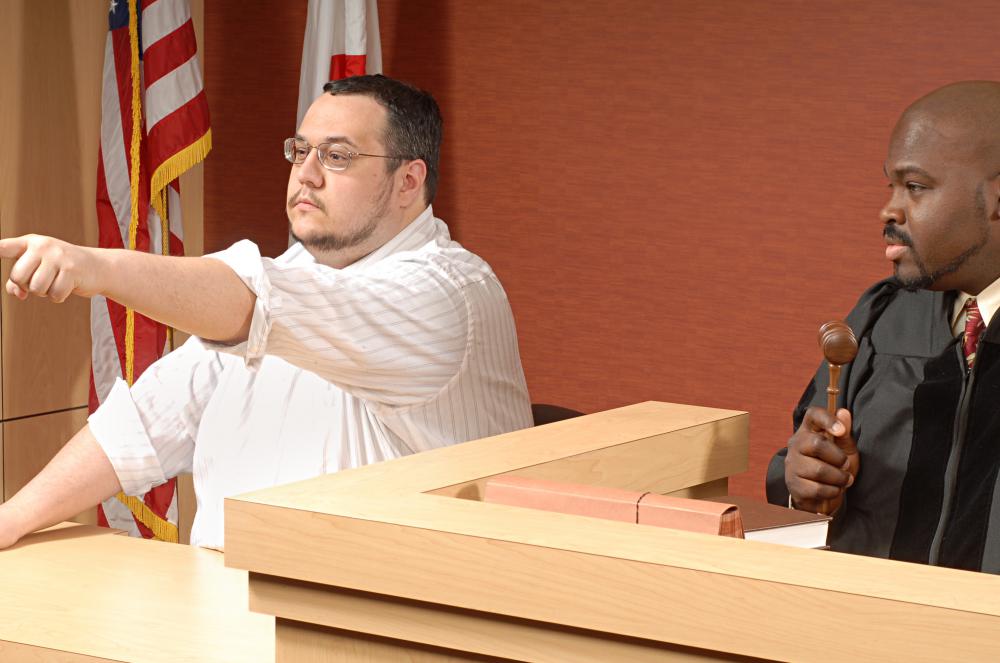
![A forensic psychologist might help prepare an expert witness.]() By: Junial EnterprisesA forensic psychologist might help prepare an expert witness.
By: Junial EnterprisesA forensic psychologist might help prepare an expert witness. -
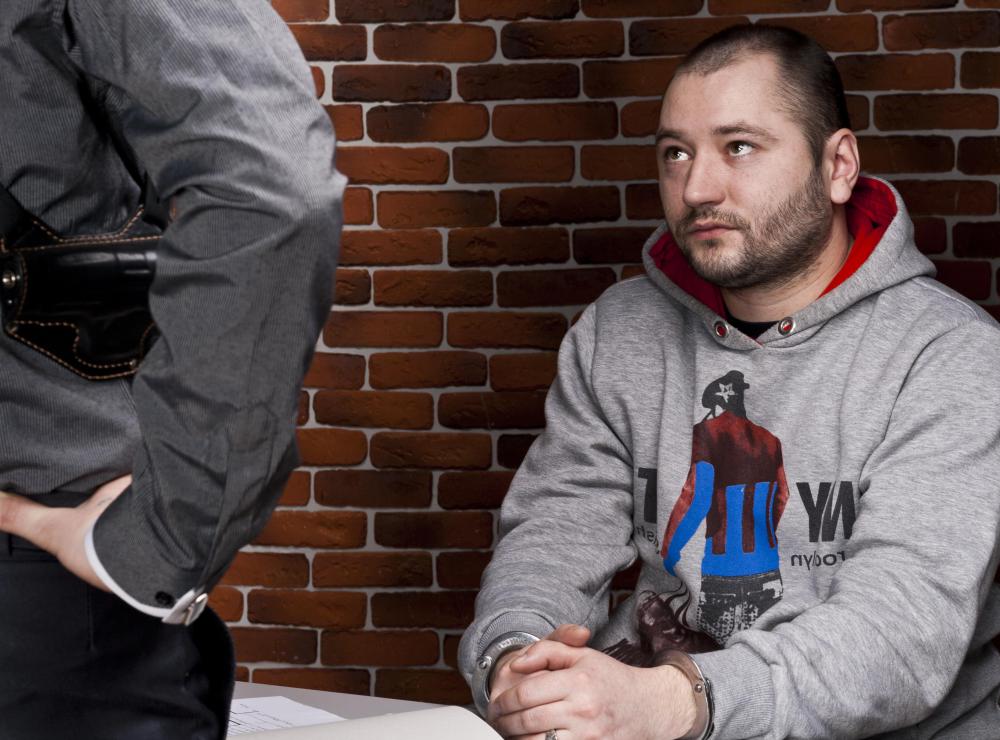
![A forensic psychologist may use his or her knowledge to help interrogate suspects.]() By: donserhioA forensic psychologist may use his or her knowledge to help interrogate suspects.
By: donserhioA forensic psychologist may use his or her knowledge to help interrogate suspects. -
![A forensic psychologist might start as an investigator.]() By: endostockA forensic psychologist might start as an investigator.
By: endostockA forensic psychologist might start as an investigator. -
![The information found by a forensic psychologist may be helpful for police making an arrest.]() By: ia_64The information found by a forensic psychologist may be helpful for police making an arrest.
By: ia_64The information found by a forensic psychologist may be helpful for police making an arrest. -
![Forensic psychologists may examine crime scene evidence to help develop a suspect profile.]() By: Yali ShiForensic psychologists may examine crime scene evidence to help develop a suspect profile.
By: Yali ShiForensic psychologists may examine crime scene evidence to help develop a suspect profile.


Discussion Comments
Yes and no. This can get depressing on all fronts. With that, you could get inside the criminal's mind to evaluate why they are the way they are. You would also be able to investigate along with the police in some cases with psychiatry, but they mainly would prescribe the prisoners their medicine and make sure they're on the right stuff.
I have not been able to find a topic regarding the evidence for the effectiveness of counseling and psychotherapy in the prison service. Perhaps I'm still looking in the wrong places and if you have any suggestions to point me in the right direction I would be happy.
The forensic psychology of criminal minds. If all believe that people are slaves to their personalities and offenders will thus leave a pattern of clues at a crime scene from which their traits and behaviors can be deduced. --Coco
That's sounds like a really cool job! But, and no offense to anyone, working as a police officer for a few years doesn't sound too fun.
@dinoleash: There are many people that confuse forensic psychology with forensic science. They are closely related but they have many differences.
Forensic psychologists can be vital in determining an accused person’s ability to stand trial or participate in their own defense. They can also their expertise while testifying in a court of law or conducting interviews.
Forensic scientists are specially trained to gather and analyze evidence from a crime scene (i.e., DNA, ballistics, blood splatter, hair, fiber) to assist the police in an investigation.
Are forensic psychology and forensic science the same thing?
@waterhopper: Interesting facts! I wanted to add a little as well. A man by the name of Hugo Munsterberg is referred to as the first forensic psychologist. He authored a book called On the Witness Stand, published in 1908, following the study done by William Stern. There were also studies done that suggested that the time it takes for a person to answer a question could be a factor in determining guilt or innocence. Thank goodness for modern forensic psychology!
A little history on forensic psychology: Forensic psychology dates back to the turn of the 20th century. A man by the name of William Stern did a study on the memory in 1901 by asking students to look at a picture for 45 seconds and then try to relay details about it. He wanted to see how much information was retained. This experiment led to more contemporary research on the reliability of eyewitness testimony in court. These studies contributed to the importance of modern forensic psychology.
Post your comments