
At PracticalAdultInsights, we're committed to delivering accurate, trustworthy information. Our expert-authored content is rigorously fact-checked and sourced from credible authorities. Discover how we uphold the highest standards in providing you with reliable knowledge.
What does a File Clerk do?
A file clerk’s main job is to maintain and protect the files of a company or organization. He or she is typically responsible for managing all paperwork that needs to be retained, from personnel records and client profiles to receipts and tax forms. The job is usually considered entry-level, but is often very important to a business’ success. Well-organized files help things run more smoothly, and can save a lot of time and money for a company over time.
Routine Organizational Tasks

One of the first things that a file clerk must do is learn the company’s system of organization, or create one if there is none in place. The specifics are usually dictated by how the company does business. Medical clinics typically have separate systems for patient files and office-related paperwork, for instance; similarly, law firms often maintain robust files for cases and issues lawyers handle alongside individual client and expense files. Clerks must be able to quickly identify where a certain document belongs, then put it away appropriately so that it will be easy to find again in the future.
Familiarity With Technology

Most modern businesses require their file clerks to use both paper-based and electronic systems for keeping files organized and stored. Clerks are often responsible for building online databases and keeping track of information that arrives in digital form. The best clerks are usually familiar with the newest systems while also being comfortable with older technologies like microfiche. They must usually be able to locate a file no matter where it is — and ensure that it is forwarded to the right person in the most convenient format possible.
Updates and Coding

Clerks typically update records to reflect changes while pruning those that contain outdated or inaccurate information. Most companies have schedules dictating when these sorts of updates or modifications should occur, but clerks must usually be on the lookout for any changes that may be needed to files they are handling.
Routine verifications and spot-checks are also important, particularly in large offices. Ensuring that all files are accounted for helps clerks keep track of those that may be lost or misplaced. Clerks who use a coding system can often do these sorts of checks very quickly. Codes are usually based on number, letter, or sometimes color designations, and are used to enforce order and make mistakes easy to spot. It is usually easiest to code a file the moment it is created, then store it with others in its category.
Copying and Transportation Services

In addition to filing papers away, clerks are usually also responsible for retrieving them when needed. They must be able to quickly respond to employees who request specific documents, either by producing the needed files in full or photocopying, faxing, or e-mailing whichever pages the person needs. In some cases, the clerk is also responsible for actually getting the file from place to place. Most of the time this requires little more than an elevator ride or a quick walk down the hall, but it can sometimes require clerks to either arrange or personally undertake trips across town — or at least to the nearest post office.
Importance of Accuracy

A file clerk must be very detail-oriented, and must be sure not to lose track of information. This is particularly important when medical records are concerned — when someone’s health is on the line, it is imperative that a patient file is both accurate and up-to-date. Doctors and others rely on these files to create treatment plans, which means that mistakes or omissions can be very costly.
Client Interactions

Most of the work that file clerks do is for internal employees, though they may also have some limited client interactions. When law firm clients need documents that pertain to their case, for instance, it is usually the clerk that relays the relevant information; similarly, when patients need copies of their files to bring with them when they travel or to share with other specialists, clerks are usually the ones who make these arrangements.
Schooling and Needed Training
The educational requirements for becoming a file clerk can be easily met for most. Generally, a high school education with a willingness to be trained on-the-job are sufficient for employment. College courses in business, computer science, or office management are usually beneficial, however, and can help an applicant stand out. Though file clerks are usually somewhat low-level employees, there is usually a lot of possibility for advancement, and larger corporations often offer competitive benefits and compensation packages for clerks with strong potential.
AS FEATURED ON:
AS FEATURED ON:


-
![A file clerk maintains a company's paperwork.]() By: pixelrobotA file clerk maintains a company's paperwork.
By: pixelrobotA file clerk maintains a company's paperwork. -
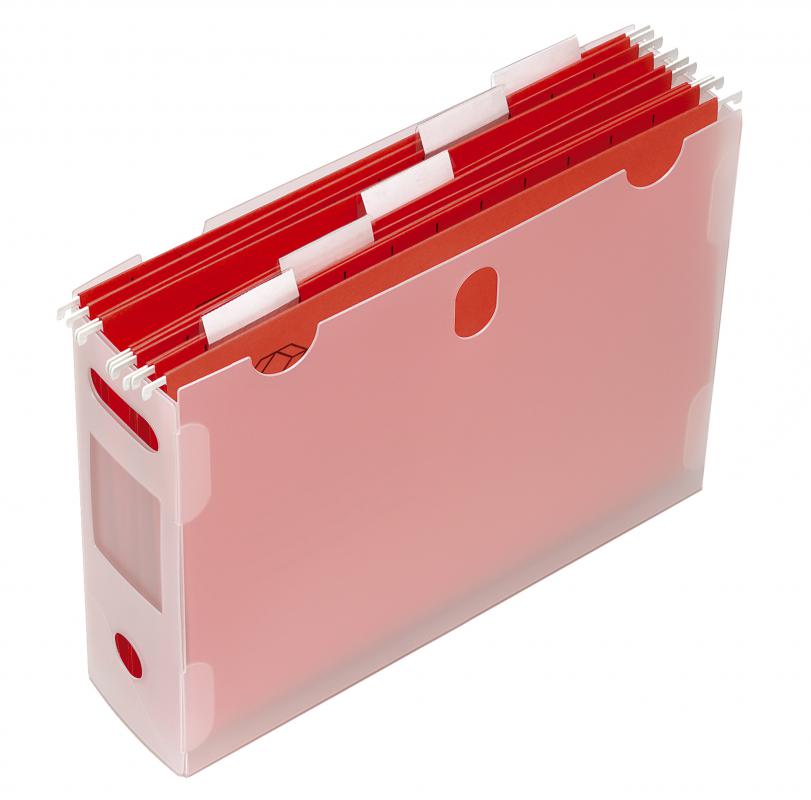
![A file organizer.]() By: rgbdigitalA file organizer.
By: rgbdigitalA file organizer. -
![Many companies use both paper and electronic file systems.]() By: leno2010Many companies use both paper and electronic file systems.
By: leno2010Many companies use both paper and electronic file systems. -
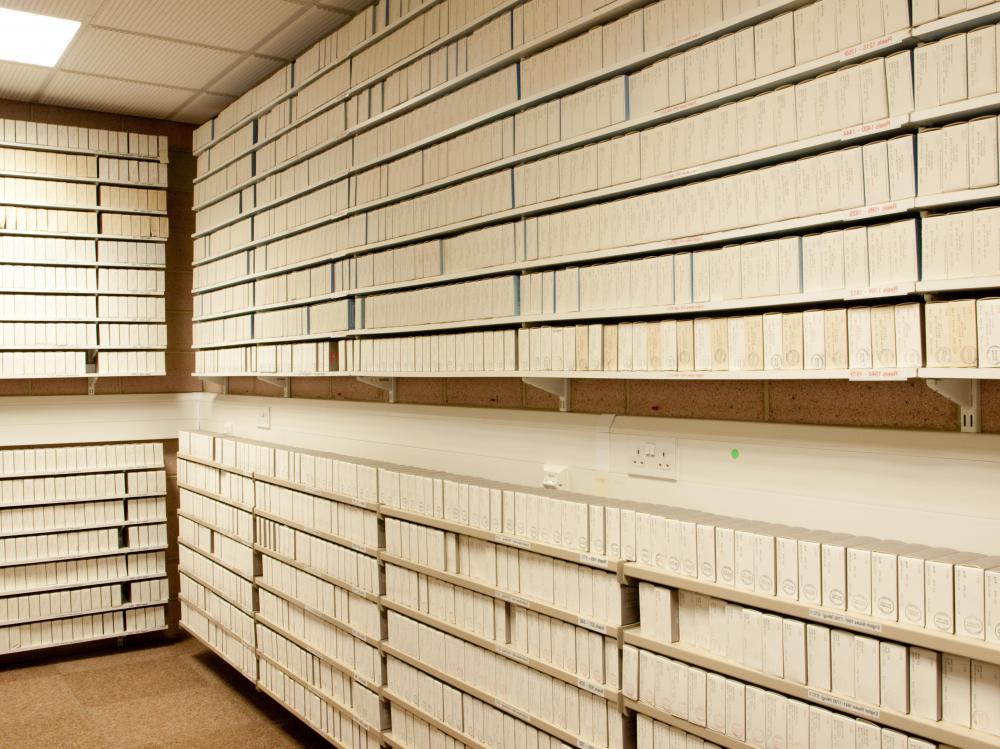
![A file clerk may need special skills like working with older technologies such as microfilm.]()
A file clerk may need special skills like working with older technologies such as microfilm. -
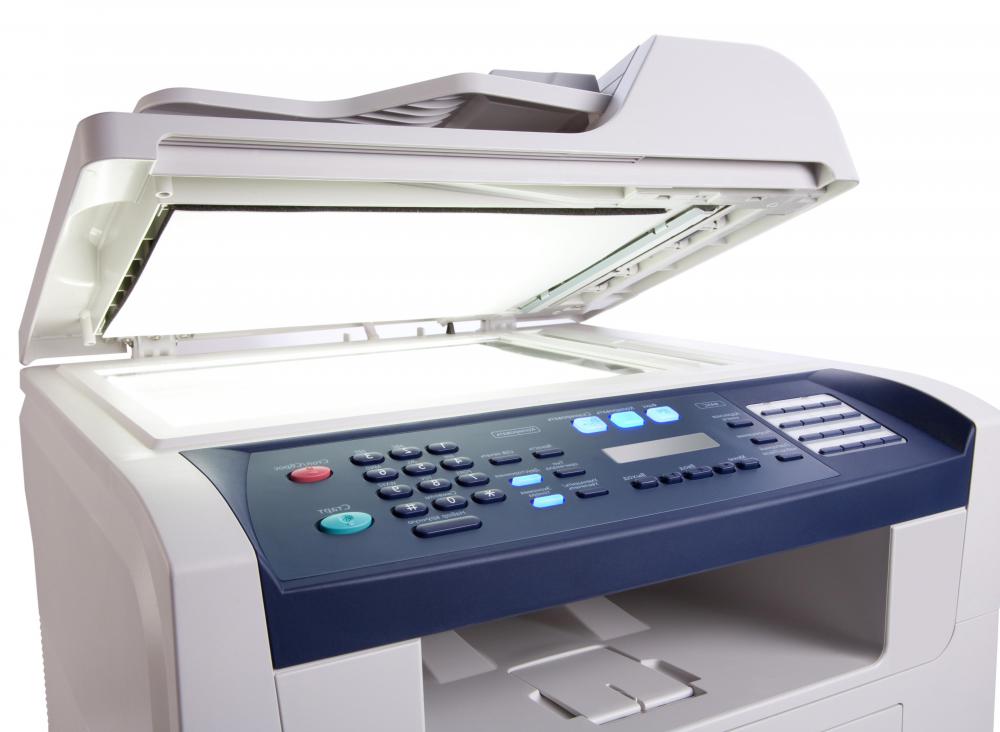
![A file clerk may be required to use equipment, such as a photocopier.]() By: AmakarA file clerk may be required to use equipment, such as a photocopier.
By: AmakarA file clerk may be required to use equipment, such as a photocopier. -
![A file clerk will be responsible for keeping the office files in good order.]() By: renxokukenA file clerk will be responsible for keeping the office files in good order.
By: renxokukenA file clerk will be responsible for keeping the office files in good order.



Discussion Comments
I'm looking for work in the medical field. I just finished eight months of MBIC and I just need to get started somewhere. Can someone help get me placed?
@Perdido – Wow, I can't imagine working with only paper files. I've been a file clerk for ten years, and our files have always been electronic. That would be quite a chore to be in charge of the conversion!
My good friend was a file clerk at the newspaper where I worked. The company kept several copies of each day's newspaper in the back, and she had to maintain the order of the papers in the shelves. She had to add new ones each day, and she had to put the oldest ones in storage after a year had passed.
From time to time, a customer would come in and look through the old issues to try to find a story they were interested in. My friend had to make sure that everything was in order after they left.
I worked as a file clerk and a receptionist at an advertising agency. I was familiar with all the software that they used, and this helped me get hired.
Near the end of every year, I had to transfer all the electronic ad files from two years prior to DVDs. I stored them alphabetically, so any time that a graphic designer needed access to a client's older ad, he could find it easily.
This helped free up space on the ad server. It also made navigating the files easier, because the designers didn't have to wade through years of files to click on the ones they needed.
My sister was a file clerk at a vet's office. At the time she started, they still had all their files on paper. There wasn't even a computer in the office.
That changed within a few years, though. She had to convert all the paper files to electronic ones. She just had to sit and type all day for several days!
Moldova-I had to do that recently for my children. The medical file clerk had to fill out forms for me to prove that they were vaccinated according the state standards.
All children entering elementary and preschool are required to provide this information. This is really to ensure the safety of all of the students so that there will not be an outbreak of a particular disease.
Cupcake15-A medical file clerk is also very important. The medical file clerk job description involves maintaining health records for each and every patient.
It means that documentation regarding medical conditions, allergies and previous vaccinations are important.
This information helps a doctor to determine what type of care to offer Having information regarding allergies and current medication is key because the doctor does not want to endanger the life of his patient by offering a prescription for something that the patient is allergic to or that clashes with a current prescription.
In addition, medical records file clerks jobs are abundant and often require a clerk to provide vaccination proof for children entering the school every year.
File clerk employment is an entry level clerical job that maintains the records of a given company.
File clerk job duties include updating files and performing audits to ensure that the appropriate information is in each file.
It also includes filing or putting away paperwork in the appropriate file. This is really important because if a piece of paperwork is misfiled it will be almost impossible to find later on.
A file room clerk has to really be careful how each and every piece of paperwork is filed. This is especially true of legal records and contracts that are of the upmost importance.
Post your comments